The Mara Triangle And The Private Conservancies: Choosing Your Corner Of The Mara
Most people book the Maasai Mara without realising it comes in versions. The national reserve, the separately run Mara Triangle in the west, and a ring of community-owned conservancies with different rules, different fees and a very different feel. Here is how to tell them apart and pick one.
Booking Choice: Choose by the activity and land access actually named in the itinerary. A reserve safari, a conservancy bush walk and a multi-park night-drive circuit are different bookings. Explore Nairobi: 3-Day Maasai Mara Safari with Maasai Village Visit
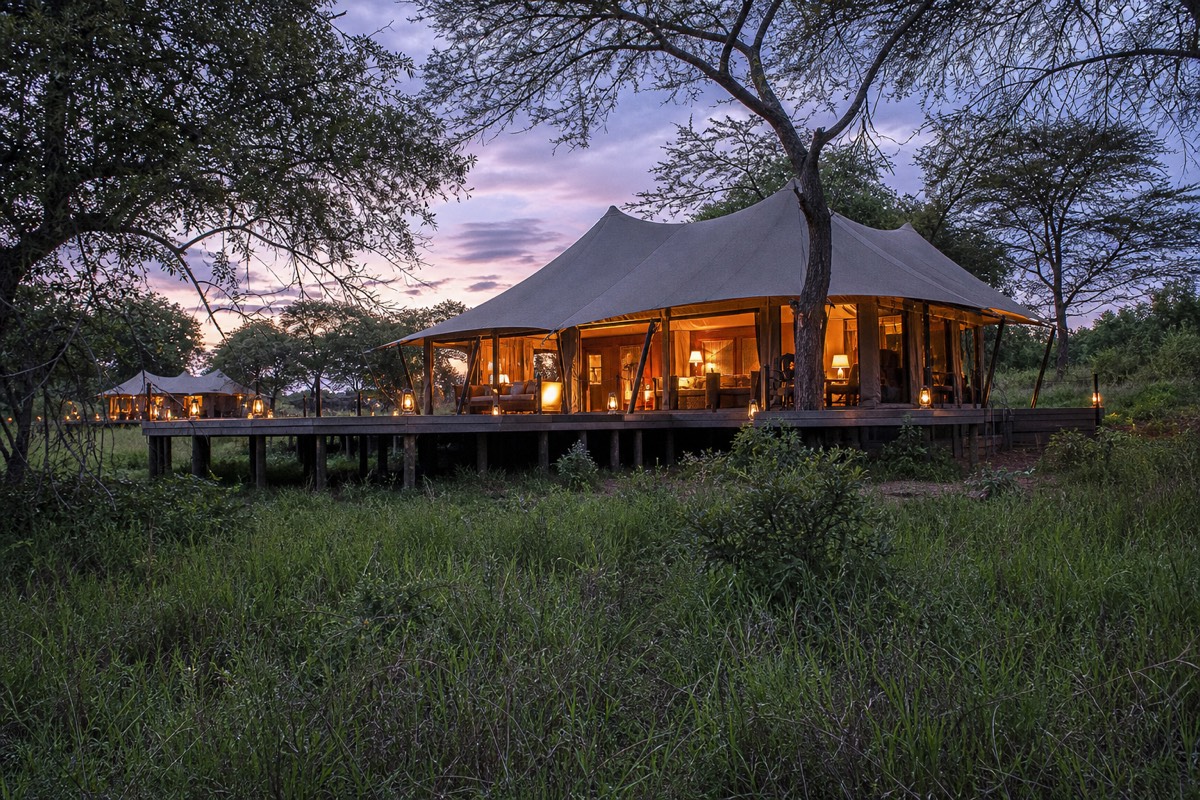
Ask ten travellers what the Maasai Mara is and ten will describe the national reserve. That is roughly a third of the answer. The reserve is ringed by community-owned conservancies that operate under entirely different rules, and the western part of the reserve itself, the Mara Triangle, is run by a different organisation with a different reputation. Same animals, same grass, three different experiences and three different price structures.
At A Glance: The three-day cultural safari verifies a bush walk and conservancy-area game viewing, but does not name a conservancy or camp. Named-area and split-stay requirements need confirmation. Explore Nairobi: 3-Day Maasai Mara Safari with Maasai Village Visit
This is not a well-known distinction. Search volumes for the conservancies are small, and the sites that rank for them are mostly the conservancies' own. That is a good reason to explain it properly rather than assume you already know, because the decision changes your trip more than the choice of camp does.
Same ecosystem, three sets of rules
Activity permissions reflect the standing rules for the national reserve and for conservancy land as described across this site's camp and planning guidance. Individual conservancies set their own vehicle caps by lease, so confirm the specifics with the camp.
What Is A Maasai Mara Conservancy, And How Is It Different From The Reserve?
A conservancy is private Maasai land, held in individual family title, pooled and leased to a small number of camps under a contract that caps beds and vehicles and pays every landowner a monthly rent. The national reserve is government land run by Narok County. The conservancies allow night drives, walking safaris and off-road driving. The reserve does not.
The origin is land reform rather than conservation policy. When the old Maasai group ranches were subdivided, thousands of families ended up with individual parcels of grassland that were too small to run a herd on profitably and too valuable to wildlife to be fenced or ploughed without consequence. The conservancy model reassembles those parcels commercially: families lease their land into a block, the block is managed as a single wildlife area, and a limited set of tourism partners pay for exclusive access to it. The landowners keep the title and receive rent whether or not a single guest shows up that month.
The Maasai Mara Wildlife Conservancies Association, the umbrella body the conservancies sit under, reports 24 conservancies across the greater Mara covering 178,668 acres, involving 16,530 landowner families and around 50 tourism partners, within an ecosystem it puts at about 6,000 elephants. Those numbers are the clearest available answer to whether the model works as a distribution mechanism, and they are the reason a conservancy bed costs what it costs.
| Maasai Mara National Reserve | Private conservancy | |
|---|---|---|
| Who owns the land | Government, administered by Narok County | Individual Maasai families, leased into a block |
| Who can drive there | Any vehicle holding a valid entry ticket | Only camps holding traversing rights under the lease |
| Night drives | Not permitted | Permitted |
| Walking safaris | Not permitted | Permitted |
| Off-road at a sighting | Not permitted | Permitted, usually with a limit on vehicles present |
| Vehicles at a sighting | Uncapped in practice. Twenty or more at a peak-season big cat sighting | Capped by lease, commonly a handful |
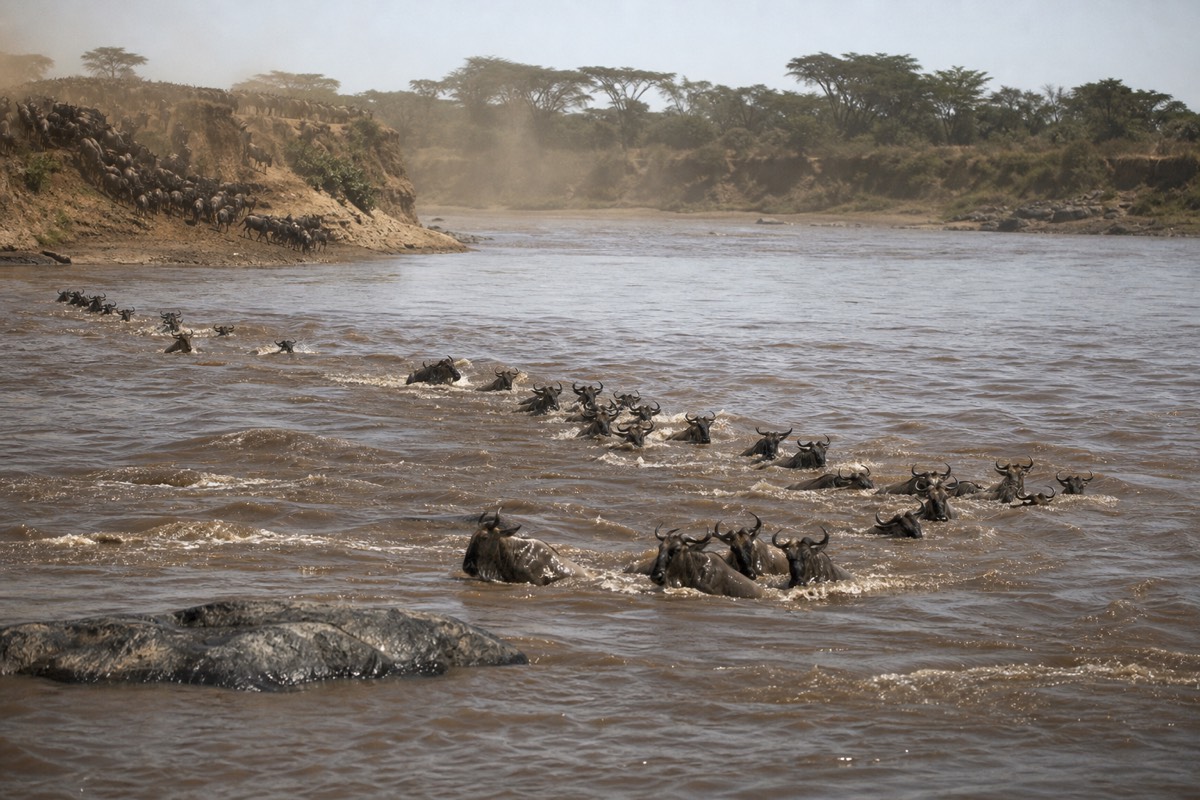
| Mara River crossings | Yes, this is where they happen | Generally not. Herds pass through, the famous crossings do not |
| Cost | Reserve entry per person per day, seasonal | A conservancy fee per person per day on top of accommodation, typically flat year round |
What Is The Mara Triangle, And Why Does It Get Talked About Separately?
The Mara Triangle is the western third of the national reserve, bounded by the Mara River on one side and the Oloololo, or Siria, Escarpment on the other. It is inside the reserve but managed by the Mara Conservancy, a non-profit management company, rather than by the county directly. It is consistently the least crowded and best maintained part of the reserve.
The practical difference shows up in roads, in ranger presence and in how many vehicles turn up at a lion. The Mara Conservancy publishes what its ranger teams have done: 4,500 poachers arrested over sixteen years and 57,000 wire snares removed, with community scouts working the escarpment. Snare removal at that volume is unglamorous, continuous work, and it is the clearest signal available that the area is being actively managed rather than simply gazetted.
For a visitor the Triangle offers a combination nothing else quite matches: reserve status, which means access to the Mara River frontage where the crossings happen, plus a fraction of the vehicle pressure of the eastern side. Our own homepage guidance has said this for years, that the Triangle in the west is well maintained, less crowded and holds some of the best river frontage for migration viewing, while the Talek area in the east is the most accessible from Nairobi and takes the corresponding traffic. The trade-off is access: the Triangle is further round, entered by different gates, and fewer budget camps sit on that side.
Which Is The Best Conservancy In Masai Mara?
There is no single best one, and anybody who names one without asking what you want is guessing. The honest framing is that Mara North and Olare Motorogi sit closest to the reserve boundary and suit a split stay, Naboisho is the walking and low-density choice, and Ol Kinyei is the smallest and quietest. Pick by activity and lodge style, not by ranking.
All four run on the same lease model and all four deliver the same core benefits: night drives, walking, off-road access and a hard cap on vehicles. What differs is size, position relative to the reserve, terrain, and the style of camps that hold the traversing rights. Below is the useful version of the comparison. Note that published acreages and landowner counts shift as leases are renewed and blocks are redrawn, so we have avoided quoting figures that go stale rather than repeating numbers we cannot stand behind.
| Conservancy | Character | Lodge style you will find | Suits |
|---|---|---|---|
| Mara North | The largest of this group, directly adjoining the reserve's north-western boundary. Varied terrain, strong resident lion | Classic tented camps, several long-established, mid to high end | A split stay: conservancy first, then into the reserve for crossings |
| Olare Motorogi | Compact, immediately north of the reserve, exceptionally low bed density for its size and a reputation for big cats | Small high-end camps, including some of the most expensive beds in Kenya | Travellers prioritising exclusivity and predator viewing over price |
| Mara Naboisho | Large, further from the reserve boundary, known for its walking programmes and guide training | Mid to high end tented camps with a bush-skills emphasis | Anyone who wants to get out of the vehicle, and repeat visitors |
| Ol Kinyei | The smallest and most secluded of the four, tucked east of the main cluster | A very small number of low-impact tented camps | Solitude first. People who found the reserve overwhelming |
| Mara Triangle (reserve, not a conservancy) | Western third of the national reserve, separately managed, quiet, well maintained | Reserve-side lodges and camps at every budget level | Migration crossings without the eastern-side traffic |
Our page on the best safari camps in the Maasai Mara goes property by property if you want to work back from the camp instead of from the land, and the budget against luxury comparison is the reality check on what each tier actually includes.
What Can You Do On Conservancy Land That The Reserve Does Not Allow?
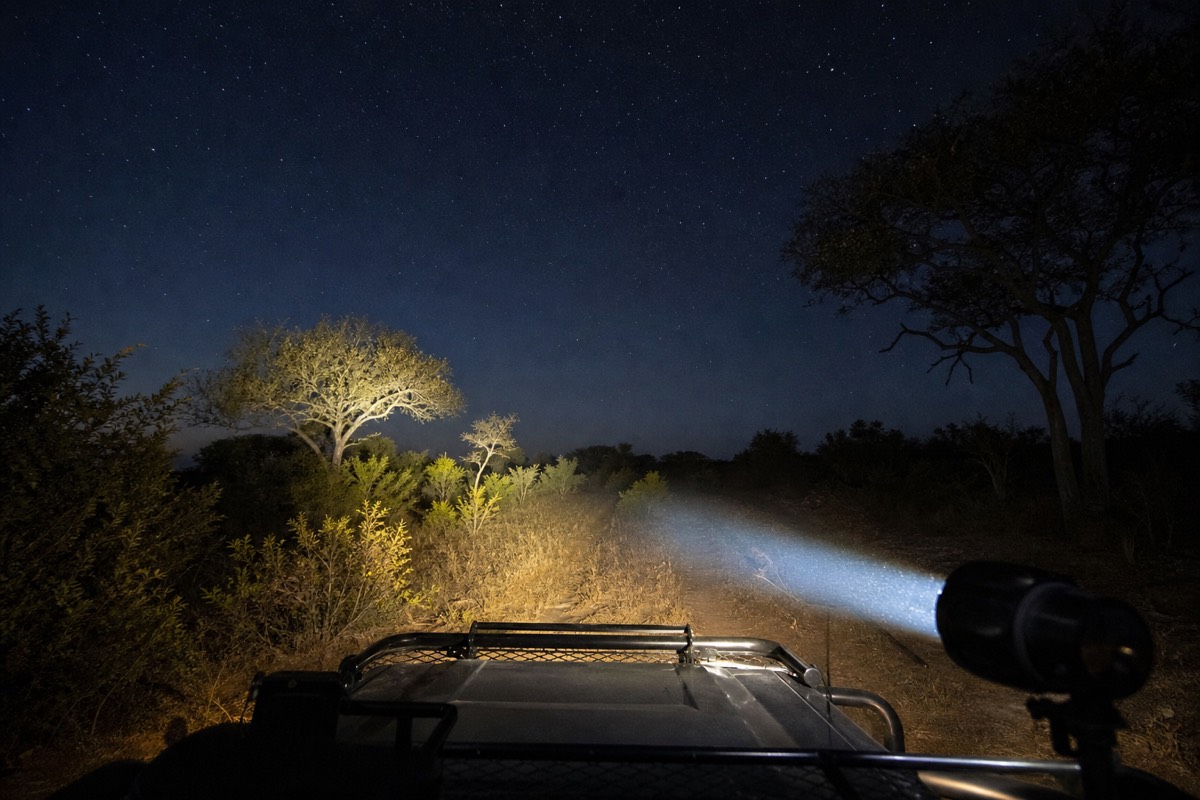
Three things, and they change the shape of a day completely. Night drives, which put you in front of an entirely different set of animals. Walking safaris, which change the scale of everything. And off-road driving at a sighting, which is the difference between watching a cheetah hunt and watching the back of a bush.
Night drives are the one most travellers underestimate. Aardvark, aardwolf, genet, white-tailed mongoose, bushbaby, porcupine and hunting leopard are all far easier after dark, and none of them feature on a normal reserve itinerary because the reserve closes to vehicles at dusk. A single night drive typically adds species to a trip list that three days of daylight driving will not.
Walking is the other big one. A guided walk with an armed ranger reorganises your sense of the place: tracks, dung, bones, insects, the plants the Maasai use, and the specific unease of being on foot with buffalo somewhere in the scrub. Naboisho in particular has built its reputation on this. If a walk is on your itinerary, pack accordingly, which mostly means closed shoes and long trousers rather than anything technical. Our guide to what to wear on a Kenya safari covers the specifics.
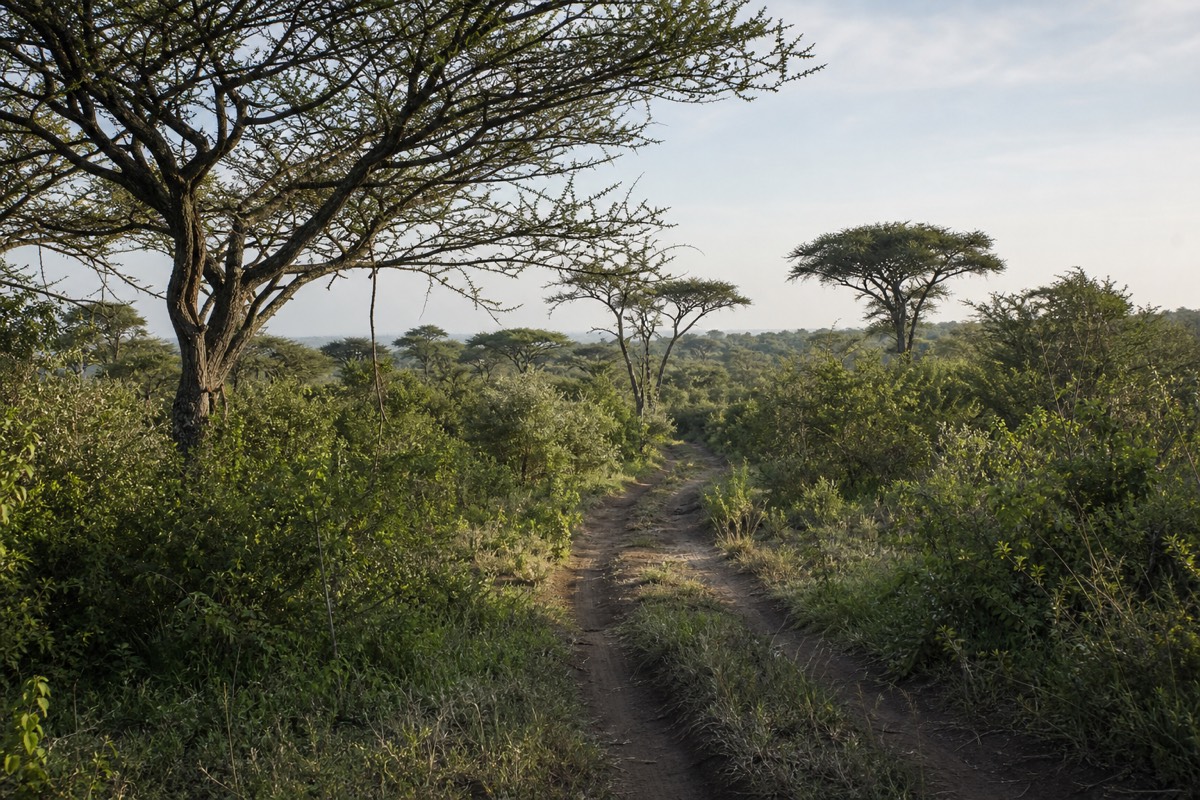
Off-road access sounds minor and is not. Inside the reserve, vehicles must stay on tracks, so a sighting fifty metres into the grass is a sighting through binoculars. On conservancy land the vehicle can leave the track, position for light, and follow a moving animal. Combined with the cap on how many vehicles may attend, this is why photographers pay the premium.
| Activity | Where it is allowed | What it adds that a reserve day drive does not |
|---|---|---|
| Night drive with a spotlight | Conservancy only | Aardvark, aardwolf, genet, white-tailed mongoose, bushbaby, porcupine, and leopard actively hunting |
| Guided walking safari | Conservancy only | Tracks, dung, bones, plant use, insects, and the very different feeling of being on foot |
| Off-road positioning at a sighting | Conservancy only | Light angle, distance, and the ability to follow a hunt rather than watch it leave |
| Fly-camping or a night under canvas away from camp | Conservancy, where the camp offers it | Sound at night, which is most of what a safari actually is |
| Mara River crossing viewing | Reserve, including the Triangle | The set-piece the migration is famous for. Not available on conservancy land |
| Dawn balloon flight | Reserve side, from licensed launch sites | Aerial perspective on the plains, capped at 16 passengers per basket |
| Homestead or cultural visit | Both, usually easier from a conservancy camp | Conservancy land is leased from the families whose homesteads you are visiting |
What Does A Conservancy Actually Add To The Bill?
A per-person daily conservancy fee on top of accommodation, generally in the $60 to $130 range across our own planning guidance, with $80 to $120 the more common band and $90 to $120 per person per night quoted on our four-day itinerary. Unlike reserve entry, it usually does not double in high season.
That last point is the one that changes the arithmetic. Non-resident reserve entry is seasonal, and our season research puts it at $100 per adult per day in the low season against $200 in the peak, on 2025 rates. Conservancy fees are typically flat year round. So the gap between staying inside the reserve and staying on conservancy land narrows considerably in July to October, which is precisely when the reserve is most crowded and the conservancy is most appealing. Some of our most cost-aware travellers in August stay on conservancy land and buy reserve entry for only the one or two days they want at the river.
| Line item | Low season | Peak season | Note |
|---|---|---|---|
| Reserve entry, non-resident adult | $100 per day | $200 per day | 2025 rates from our season research. Payable on the days you enter the reserve |
| Conservancy fee, per person | $60 to $130 per day | $60 to $130 per day | Flat through the year on most conservancies. Charged for every night you stay |
| Conservancy camp bed | Mid to high end. Few budget options exist by design | Higher, and booked far ahead | The bed cap is the product. Cheap beds would break it |
| Vehicle entry to the reserve | Roughly KSh 1,000 per day | Roughly KSh 1,000 per day | Usually handled by the operator |
| Night drive or walk | Often included at conservancy camps | Often included | Confirm, because some camps charge separately |
Every figure above is a planning allowance rather than a quote. Fees are set by the county and by individual conservancies and they change. Our page on what a Maasai Mara safari really costs keeps the full breakdown, including the extras that sit outside a package price.
Where Does The Conservancy Money Actually Go?
To named Maasai households, monthly, as land rent. That is the mechanism, and it is what separates a conservancy from a park. The family holds the title, receives a payment per acre leased, and agrees to keep the parcel unfenced, uncultivated and lightly grazed. Employment in guiding, camp work and ranger units is the second channel.
The scale is not trivial. The association covering these areas reports 16,530 landowner families across 178,668 acres. Spread across a region where the alternative land use is subsistence farming or subdivision into smallholdings, a reliable monthly payment tied to keeping land open is a genuinely different proposition from a park that pays a community nothing directly and fences wildlife away from it. It also means the model has a failure mode worth understanding: if tourism revenue collapses, the leases become hard to service and the pressure to fence and farm returns immediately, which is exactly what happened during the pandemic years.
Grazing has not been excluded either. Most conservancies operate a managed grazing plan that allows member cattle onto parts of the block on a rotation, because a model that told Maasai families to stop keeping cattle would not survive its first drought. The background to why cattle are non-negotiable here sits in our guide to Maasai culture and village life.
| Channel | How it works | Reported scale |
|---|---|---|
| Land lease | Monthly rent per acre paid to each landowning family, whether or not the camps are full | 16,530 landowner families across 178,668 acres, per the conservancies' umbrella association |
| Number of blocks | Parcels pooled into managed conservancies, each with its own lease terms and vehicle caps | 24 conservancies across the greater Mara |
| Tourism partners | Camps holding exclusive traversing rights in exchange for the lease payments | Around 50 partners |
| Employment | Guiding, tracking, camp work, rangers and community scouts | Not centrally published. The largest single employer in much of the area |
| Anti-poaching | Ranger patrols and snare sweeps, funded from tourism revenue | The Mara Conservancy reports 4,500 poachers arrested over sixteen years and 57,000 snares removed in the Triangle |
| Managed grazing | Member cattle rotated onto parts of the block under a grazing plan | Varies by conservancy. The reason the model survives a drought year |
| Elephant population | The outcome the whole structure is measured against | About 6,000 in the greater Maasai Mara ecosystem, per the same association |
Do The Conservancies Get The Great Migration?
Partly, and this is the single most important limitation to understand before you book one. Herds move through conservancy land and the grazing pressure is visible. The famous river crossings are not there. Those happen on the Mara and Talek rivers inside the national reserve, including in the Mara Triangle.
So if a river crossing is the reason you are coming, a pure conservancy stay is the wrong booking. You can drive into the reserve for the day from most conservancies, paying reserve entry for that day, but it adds travel time at each end and puts you at the river later than the camps already sitting on it. The standard fix among people who have done this a few times is a split: two or three nights on conservancy land for night drives, walking and empty sightings, then two nights inside the reserve near the river for the crossing attempts. Our Great Migration guide covers the timing side of that, and the four-day Maasai Mara itinerary shows how a split stay is sequenced.
Outside July to October the calculation flips entirely. With no crossings to chase, the conservancy advantages become the whole point, and a stay that is exclusively on conservancy land makes more sense than dividing your nights.
Should A First-timer Book A Conservancy Or The Reserve?
The reserve, usually, on a first short trip. Density, price and the crossings all point that way, and a conservancy premium is easier to justify once you know what you are comparing it with. Repeat visitors and anyone who found their first safari crowded should go the other way.
| You are | Book | Why |
|---|---|---|
| On a first safari, three or four days, budget-conscious | National reserve, road safari from Nairobi | The deep group-safari market exists on the reserve side. Sightings come fast |
| Coming specifically for river crossings | Reserve, ideally the Mara Triangle | The crossings are on reserve rivers, and the Triangle carries less traffic |
| Back for a second or third time | Conservancy | Night drives, walking and off-road are new experiences rather than upgrades |
| A photographer | Conservancy, or a split stay | Off-road positioning and a vehicle cap are the two things you cannot buy inside the reserve |
| Travelling outside July to October | Conservancy | No crossings to miss, and the conservancies feel close to empty in low season |
| Travelling with young children | Conservancy, if the budget allows | Shorter drives, flexible timing, and camps that can tailor activity length |
| On a tight budget in peak season | Conservancy base, reserve day trips | Conservancy fees do not double in July. Reserve entry does. Buy reserve days selectively |
| Wanting one trip that covers several landscapes | A multi-park circuit | Nakuru, Naivasha and Amboseli add habitats the Mara does not have |
What Does A Split Week Actually Look Like?
Six nights is the sweet spot: three on conservancy land, three inside the reserve, with the reserve nights positioned for the river if you are travelling in the crossing window. Any shorter and the moving day costs you too large a share of the trip.
| Night | Where | What that day gives you |
|---|---|---|
| 1 | Conservancy camp | Arrival, afternoon drive, first night drive after dinner |
| 2 | Conservancy camp | Dawn walking safari, long midday break, off-road cat tracking in the afternoon |
| 3 | Conservancy camp | Full day on the block, or a homestead visit at a civilised hour |
| 4 | Reserve camp, ideally Triangle side | Transfer morning, reserve entry paid, afternoon drive on the river frontage |
| 5 | Reserve camp | Full day positioned for crossings in season, or a Triangle circuit out of season |
| 6 | Reserve camp | Final dawn drive, then the road or the airstrip |
If six nights is more than you have, our page on how long you actually need in the Mara works through the shorter versions, and planning a Maasai Mara safari in the right order covers the sequence of decisions that surrounds this one. If you would rather see several Kenyan landscapes than go deep on one, the five-day Mara, Nakuru and Naivasha small-group tour is the efficient version of that idea, and the three-day private Mara safari at Sopa Lodge is the short reserve-side option with a private vehicle.
How Do You Book A Conservancy Stay?
Directly with the camp, in almost every case. This is the honest limitation of the ready-made safari market: conservancy access comes bundled with the bed, so the camps sell it rather than the day-tour operators. The tours we list are reserve-based road and fly-in safaris, which is a different product.
That is not a reason to avoid the conservancies. It is a reason to know what you are shopping for. If you want night drives and walking, you are booking a camp with traversing rights and the conservancy fee will appear as a line on the invoice. If you want the reserve, the crossings and a fixed price, you are booking an itinerary, and the reserve-side Mara safaris we list are all of that second kind. Plenty of travellers do one on the first trip and the other on the second.
The nearest thing to a conservancy you can sample without committing a whole trip sits well outside the Mara. Ol Pejeta, up in Laikipia rather than in the Mara ecosystem, runs on the same conservancy logic and is close enough to Nairobi to visit in a day. The full-day Ol Pejeta Conservancy safari from Nairobi is a genuinely useful way to see how a conservancy differs from a park before you spend a week's budget on the idea, with the caveat that it is a different landscape and a different set of species, including the last northern white rhinos.
Who Should Skip The Conservancies Entirely?
Anyone on a first three-day trip, anyone whose whole reason for coming is a river crossing, and anyone for whom the extra $60 to $130 per person per day would come out of the number of nights. Fewer nights in a better area is usually a worse trip than more nights in a busier one.
The Mara's density means a first-time visitor will have a very good safari inside the national reserve, particularly if they go west into the Triangle rather than staying near the eastern gates. The conservancy premium buys quietness and permission, and both of those are more valuable to someone who has already seen lions from a vehicle in a queue of twenty than to someone seeing their first. Spend the money on an extra night before you spend it on exclusivity.
The one exception is low season. Between the long rains and the arrival of the herds, conservancy camps discount deeply, the crossings are not an issue because there are none, and the density argument stops mattering because nowhere is crowded. That window is when a conservancy stay stops being a luxury decision and starts being simply the better version of the same trip. Our page on choosing your season for the Maasai Mara sets out where those windows fall, and if you are still weighing Kenya against Tanzania at all, our comparison of the Maasai Mara against the Serengeti covers that decision first.