How To Plan A Maasai Mara Safari
Planning a Maasai Mara safari? Choose the right season, location, and length of stay - these three decisions shape the entire experience.
Booking Choice: Start with nights in the Mara, then decide between road and air travel and the activities you want to add. Explore 4 Days Masai Mara National Reserve Luxury Lodge Safari
Last updated: March 11, 2026
| Reserve Size | 1,510 square kilometers (main reserve) |
| Entry Fees (2025) | $100/day (Jan-Jun) | $200/day (July-Dec) | 12-hour validity |
| Peak Migration | Late July through September (river crossings) |
| Minimum Stay | 3 nights (4-5 nights recommended) |
| Budget Range | $300-$1,500+ per person per day (all-inclusive) |
| From Nairobi | 45-minute flight or 5-6 hour drive |
| Prices Verified | March 4, 2026 |
The 5:30 AM wakeup call feels brutal when the alarm goes off, but within twenty minutes you’re tracking fresh lion prints in soft light, and the plains are waking up around you. Wildebeest grunting in the distance, a hyena slipping back to its den, the grass still wet enough to soak your boots. You’ll forget you were tired.
That’s what a well-planned Maasai Mara safari delivers. But getting there requires making the right decisions before you arrive, not after. The difference between a trip where everything clicks and one where you’re fighting logistics the whole time comes down to three things: timing, location, and understanding what you’re actually paying for.
Over the years guiding travelers here, I’ve watched people make the same mistakes. Booking two-night packages that don’t give them enough time. Staying in the main reserve during peak migration and spending half their game drives stuck in vehicle traffic. Not understanding the 12-hour ticket rule until they’re arguing with a gate attendant about paying twice. These aren’t small details. They’re the difference between the safari you imagined and the one you actually get.
Explore 4 Days Masai Mara National Reserve Luxury Lodge Safari
When Is The Best Time To Visit Maasai Mara?
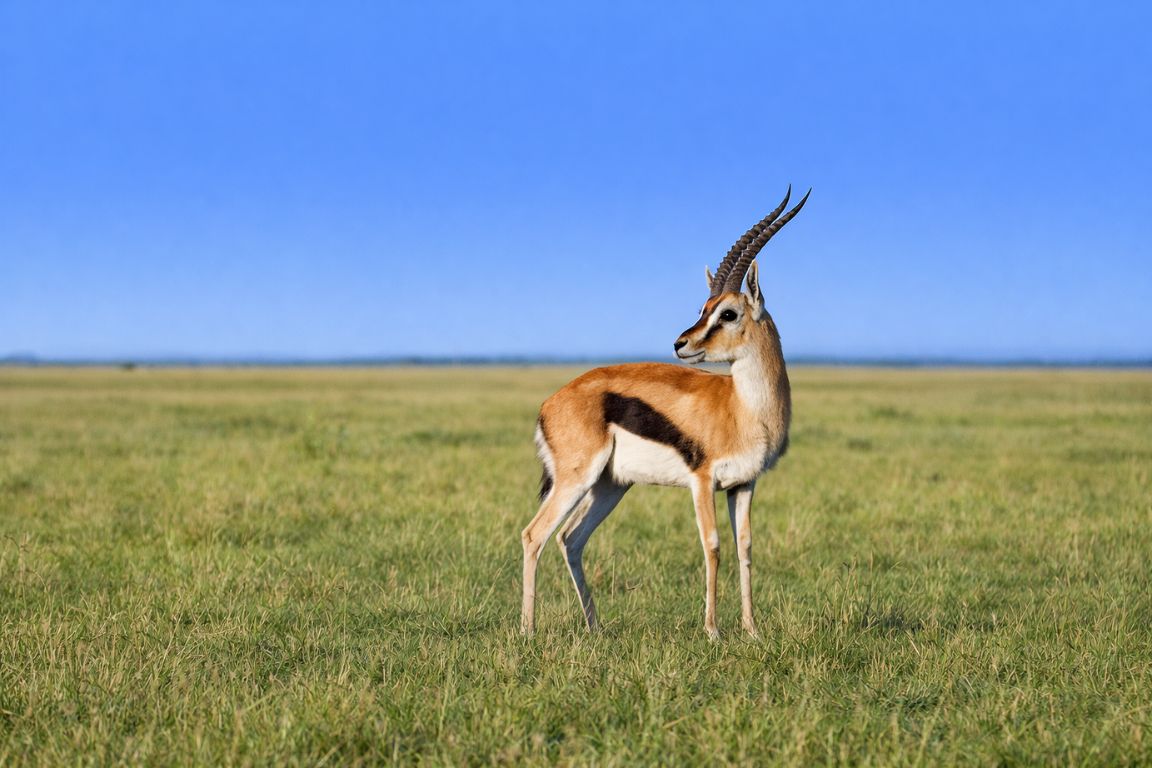
For the classic river crossing spectacle, July through October is your window. Peak action happens late July to September when massive herds gather at the Mara River. But if you want fewer safari vehicles and excellent predator activity without the crossing crowds, visit June or November. December to March offers lush green landscapes, newborn wildlife, and dramatic storm light at significantly lower costs.
The Great Migration brings over 1.5 million wildebeest, zebras, and gazelles into the Mara between July and October every year. They’re following the rains and fresh grass north from Tanzania’s Serengeti. The Mara River crossings usually start in earnest by late July, building through August and into September. This is what everyone pictures when they think “African safari.” Herds gathering on steep riverbanks, the energy building, then the sudden rush into crocodile-filled water.
It’s spectacular. It’s also crowded. During peak migration, you can have 20 or more vehicles around a single leopard sighting or lined up along the river waiting for a crossing. The reserve collects the highest fees during this period ($200 per person per day from July onward), and lodge rates often double compared to green season pricing.
But here’s what most guides won’t tell you upfront: the Mara delivers incredible wildlife viewing year-round. The resident lion prides, leopards, cheetahs, elephants, and buffalo don’t migrate. They’re here in January just as much as August. What changes is the density of prey animals and the price you pay.
June is underrated. The herds start arriving, but the crowds haven’t peaked yet. You get excellent predator activity as lions and hyenas track the early arrivals, without the wall-to-wall vehicles. November works the same way in reverse. The herds are moving back south, but you still catch stragglers, and the short rains bring vibrant green landscapes and dramatic skies.
The green season (November through May, excluding the July-October migration window) gives you something different. Fewer tourists, lodge rates sometimes half of peak season pricing, and newborn animals from January through March. Calving season means predators are active and hunting is easier to witness. The grass is taller, which makes spotting wildlife slightly harder, but the colors are richer and the light softer. Rain usually comes in short afternoon bursts, not all-day downpours.
I’ve guided travelers in every month. The ones who visit in February or April and see a cheetah hunt or a lion pride with cubs often tell me they’re glad they skipped the migration crowds. The ones who come in August for the river crossings and spend three hours watching vehicles jockey for position sometimes wish they’d picked differently. It depends what you value more: the spectacle everyone talks about, or space to experience it without 30 other Land Cruisers in your sightline.
Wondering when to go? Check out the best time to visit Maasai Mara safari tours – certain months give you the Great Migration while others offer better predator action.
How Long Should You Stay In Maasai Mara?
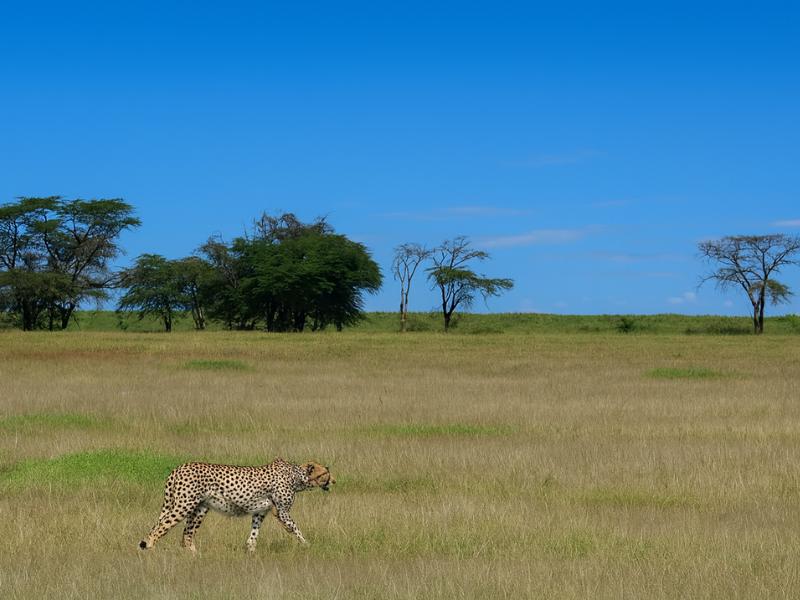
Three nights minimum. Four to five nights if you want to see animal behavior rather than just ticking species off a list. Anything shorter and you’re racing from sighting to sighting without time to absorb what you’re seeing. The travelers who get the most out of the Mara are the ones who slow down enough to watch a pride wake up at dusk or sit with a herd of elephants for an hour without needing to move on.
Two-night packages exist because they’re cheaper and people think they can “do” the Mara in a weekend. They can’t. Two nights means two full days of game drives, which sounds reasonable until you account for travel time, the 12-hour park ticket window, and the fact that wildlife doesn’t perform on schedule.
You might arrive in time for an afternoon drive on day one, spend two full days (day two and three) on game drives, then leave after a morning drive on day four. That’s closer to reality for a meaningful experience. Three nights gives you buffer. You’re not racing. If the weather turns or a leopard sighting falls through, you have time to try again.
Four to five nights is where things shift. You start recognizing the same lion pride in different locations. You notice behavior patterns. You relax enough to sit and watch rather than constantly asking your guide to find the next thing. The people who spend a week split between a conservancy and the main reserve often tell me those extra days are where the safari actually happened for them, not in the first 48 hours of adrenaline.
From our client data over the past three years, travelers who stayed three nights or less reported seeing an average of 4.2 of the Big Five. Those who stayed four to five nights averaged 4.8. The difference isn’t dramatic in numbers, but the experience gap is huge. Longer stays give you time for the unscripted moments: finding rhinos at dawn after an hour of patient tracking, watching a cheetah stalk prey for 20 minutes before the sprint, sitting with a herd at a watering hole as the light goes golden.
Trying to figure out your schedule? Check out how many days you need in Maasai Mara safari tours – most people either shortchange it or end up with too much downtime at the lodge.
If you’d rather hand the logistics to someone who’s done this 2,500 times, our team at Maasai Mara Safari Tours handles everything from park permits to private vehicle arrangements.
Where Should You Stay: Inside The Reserve Or Private Conservancies?
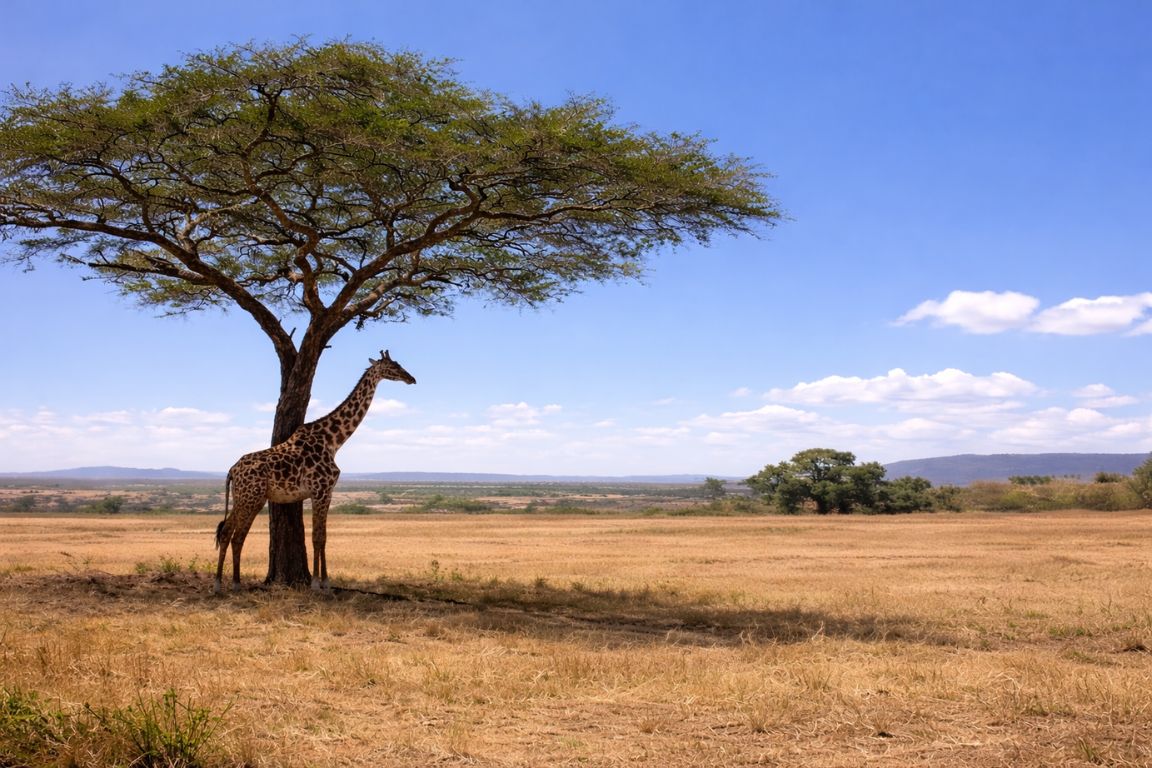 Private conservancies give you lower vehicle density (sometimes just two or three vehicles visible per game drive versus 20+), night drives, walking safaris, and off-road permissions that the main reserve prohibits. The main reserve puts you closer to the Mara River crossing points during migration season. Split your stay between both if your budget allows it. Conservancy first for intimacy, then the reserve for migration spectacle if timing aligns.
The Maasai Mara National Reserve is managed by Narok County and open to any tour operator with a vehicle. Private conservancies are community-owned lands leased to safari operators under strict vehicle limits and conservation agreements. This distinction matters more than most people realize when they’re booking.
Inside the main reserve during peak migration, you’ll see exceptional wildlife density. Lions, leopards, cheetahs, massive herds of wildebeest and zebra. You’ll also see 15 to 25 vehicles around a leopard in a tree or crowding the riverbank waiting for crossings. The reserve has rules against off-road driving, no night drives, and mandatory 6 AM to 6 PM operating hours.
Private conservancies like Mara North, Olare Motorogi, Naboisho, and Ol Kinyei operate under different rules. They limit the number of vehicles per square kilometer, allow night game drives (when predators are most active), permit off-road driving to get closer to wildlife, and offer walking safaris with armed guides. Conservancy fees run $60 to $130 per person per day on top of accommodation, but the experience is fundamentally different.
I’ve had clients stay at camps in Mara North Conservancy who didn’t see another vehicle for an entire morning drive. That doesn’t happen in the main reserve during high season. The trade-off is that conservancies don’t guarantee you’ll be at the Mara River when a crossing happens. You can drive into the main reserve from a conservancy (you’ll pay the reserve entry fee for that day), but it adds travel time.
| Main Reserve | Closer to Mara River crossings, high wildlife density during migration, more accommodation options across all budgets | Vehicle congestion at popular sightings, no night drives, no off-road driving, no walking safaris |
| Private Conservancies | Fewer vehicles (often 2-3 visible per drive), night drives allowed, walking safaris available, off-road driving permitted, exclusive feel | Higher daily conservancy fees ($60-$130/person), farther from main river crossing points, generally higher accommodation costs |
| Split Stay Strategy | Best of both worlds – intimate conservancy experience plus access to migration action | Requires moving camps mid-trip, higher total cost, needs 4-5 nights minimum |
The split stay approach works well if you have four or five nights. Start with two or three nights in a conservancy (Mara North or Olare Motorogi are both excellent), then move to a camp inside the main reserve near the Mara River for the final nights if you’re visiting during migration season. You get the intimate wildlife encounters without vehicle traffic, then position yourself for crossings when it matters most.
Outside migration season (November through June), staying exclusively in a conservancy often makes more sense. You’re not missing the crossings, and the conservancy benefits (night drives, walking safaris, exclusivity) become the main draw. Some of our most satisfied clients never set foot in the main reserve.
How Much Does A Maasai Mara Safari Cost?
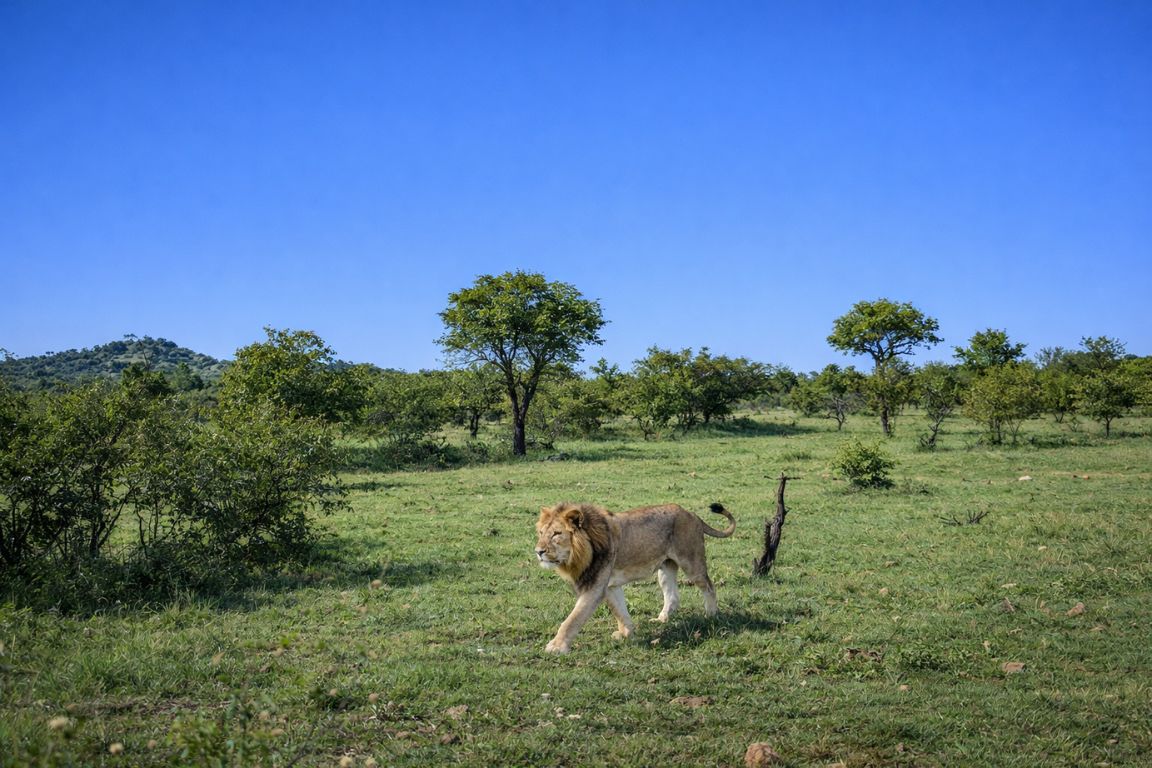 Budget $300 to $500 per person per day for a solid mid-range experience with comfortable accommodation, experienced guides, and Land Cruiser transport. Budget safaris start around $150 to $200 per day but often cut corners on guide quality and vehicle comfort. Luxury runs $600 to $1,500+ per day for private conservancy camps, gourmet dining, and exclusive experiences. Entry fees, conservancy charges, tips, and activity add-ons like balloon safaris ($450-$550) are usually extra.
Safari pricing in the Mara isn’t straightforward because different operators bundle costs differently. Some quote “all-inclusive” rates that cover park fees, meals, game drives, and tips. Others quote accommodation only and add everything else as line items. You need to know what you’re comparing.
The biggest cost variables are accommodation level, season, group size, and whether you fly or drive from Nairobi. Let’s break it down with real numbers from 2025.
| Budget | $80-$120 (basic tented camps, shared facilities) | $150-$250/day | Basic meals, shared game drives, minibus transport, group activities |
| Mid-Range | $150-$300 low season, $250-$400 peak season | $300-$600/day | En-suite tents/rooms, all meals, Land Cruiser, experienced guide, park fees often included |
| Luxury | $400-$1,000+ low season, $700-$2,500+ peak season | $600-$3,000+/day | Private conservancy camps, gourmet dining, private game drives, butler service, premium amenities |
Prices verified March 4, 2026 and reflect current Narok County fee structures and average market rates.
Park entry fees are non-negotiable: $100 per person per day from January through June, $200 per day from July through December for the main reserve. These fees are valid for 12 hours only (6 AM to 6 PM), which catches people off guard. Do not assume an overnight lodge stay makes the next day’s game drives fee-free; confirm the required tickets for each day. But if you’re staying outside the reserve and coming in for a full-day drive, that’s two 12-hour tickets if you cross the midnight mark. The gate staff will explain this when you arrive, but it’s better to know going in.
Conservancy fees add $60 to $130 per person per day depending on which conservancy and season. Mara North runs around $116 to $130. Naboisho and Ol Kinyei are closer to $60 to $80. These fees are separate from accommodation and go directly to community landowners and conservation programs.
Transport from Nairobi is either a 5 to 6 hour drive ($150 to $300 for a private vehicle, less if you join a group transfer) or a 45-minute flight ($180 to $250 one-way on scheduled bush planes, more for private charters). The flight is faster but has strict 15kg soft-bag luggage limits. The drive gives you flexibility with luggage and a chance to stop at the Great Rift Valley viewpoint, but it’s a long morning or afternoon committed to the road.
Activity add-ons aren’t included in most packages. Hot air balloon safaris run $450 to $550 per person for a dawn flight with champagne breakfast. Some guides inflate this to $600 or $700 and pocket the difference, so confirm pricing directly with the lodge or balloon company. Maasai village visits cost $20 to $30 per person. Walking safaris in conservancies are $40 to $60. Night game drives are usually included if you’re staying in a conservancy, but confirm this when booking.
Tips are expected and should be budgeted separately. Figure $15 to $20 per person per day for your guide/driver, and $10 to $15 per person per day for camp staff (usually placed in a communal tip box at checkout). If your guide goes above and beyond, tracking down a black rhino at dawn or positioning you perfectly for a hunt, tip accordingly.
| Item | Cost Per Person | Total (2 People) |
| Accommodation (4 nights @ $250/night mid-range lodge, peak season) | $1,000 | $2,000 |
| Park entry fees (4 days @ $200/day peak season) | $800 | $1,600 |
| Round-trip flights Nairobi-Mara | $400 | $800 |
| Vehicle & guide (included in most packages) | Included | Included |
| Tips (guide + camp staff, 5 days) | $125 | $250 |
| Balloon safari (optional) | $500 | $1,000 |
| Maasai village visit (optional) | $25 | $50 |
| TOTAL | $2,850 (without optionals) | $3,375 (with optionals) | $5,700 | $6,750 |
Prices verified March 4, 2026. Peak season rates shown (July-October). Low season costs run 30-50% lower.
Budget safaris exist, but understand what you’re trading off. Cheaper operators sometimes use minibuses instead of Land Cruisers (less ground clearance, harder to photograph from), hire less experienced guides, or book camps farther from prime wildlife areas. A $150 per day budget safari can still deliver good wildlife viewing, but guide quality makes an enormous difference between seeing animals and understanding their behavior.
We’ve got Maasai Mara safari costs explained in detail because safari pricing is deliberately confusing and knowing what’s included makes a huge difference.
What Should You Pack For A Maasai Mara Safari?
Neutral-colored layers (khaki, olive, tan) for variable temperatures, a warm fleece or jacket for early morning drives, sun protection (hat, sunglasses, SPF 50+), good binoculars, camera with telephoto lens, headlamp, and a small daypack. Skip the fancy clothes. Bring a power strip with USB ports because camps often have limited outlets. Don’t overpack because most camps offer laundry service. Motion sickness medication if you’re prone to it during bumpy drives.
Early mornings on the Mara feel cold, especially in open safari vehicles moving at 40 km/h. Temperatures at 6 AM can dip into the 50s°F (10-15°C), even during dry season. By 11 AM it’s 75-85°F (24-29°C) in the sun. You need layers you can shed as the day warms up.
Neutral colors aren’t just safari fashion. Bright whites, reds, or electric blues stand out to wildlife and can spook animals at close range. Dark colors attract tsetse flies. Stick with khaki, olive green, tan, light gray. Lightweight long-sleeve shirts and convertible pants work better than shorts for sun protection and tsetse fly defense (they bite through thin fabric).
Essential items travelers forget or underestimate:
Power management. Bring a small power strip or travel adapter with multiple USB ports. Tented camps often have limited outlets (sometimes just one or two per tent), and you’re charging phones, cameras, headlamps, and possibly tablets. A power strip lets you charge everything overnight instead of choosing.
Binoculars. Not optional. Even with a vehicle roof hatch, animals are often 50 to 100 meters away. Good binoculars (8×42 or 10×42) transform the experience. You’ll watch a lion pride’s facial expressions, see a leopard’s spotted coat pattern, follow a cheetah’s eyes tracking prey. Without them, you’re missing details.
Headlamp or small flashlight. Tented camps don’t have street lighting. Paths between your tent and the dining area are dark after sunset. You’ll need light to navigate at night, especially if you wake up at 5 AM for a game drive.
Motion sickness medication. Safari tracks are rough. Vehicles bounce over ruts, rocks, and uneven ground for hours. If you’re prone to car sickness, take medication before the drive. Ginger candies help. Sitting in the front passenger seat reduces motion impact.
Dust protection for camera gear. The Mara is dusty, especially during dry season. If you’re shooting with a DSLR or mirrorless camera, bring a lens cloth, air blower, and plastic bags to protect gear when not in use. Dust gets everywhere. Clean your equipment every evening.
What not to bring: tight jeans (uncomfortable in vehicles), white clothing (shows every speck of dust), excessive jewelry (unnecessary and out of place), too many outfit changes (camps offer laundry service, usually same-day or next-day turnaround), dress shoes (you’ll wear boots or sneakers the entire time).
Most camps provide bedding, towels, and basic toiletries (soap, shampoo). Some don’t provide shampoo or conditioner, so confirm when booking or bring travel sizes. Insect repellent with 50% DEET is essential. Malaria pills if your doctor recommends them (the Mara is a malaria zone). Sunscreen SPF 50+ because equatorial sun is intense even on overcast days.
Luggage matters if you’re flying. Bush planes enforce a strict 15kg (33 lbs) soft-bag limit per person, including carry-on. Hard-shell suitcases don’t fit in the small cargo holds. Use a duffel bag or soft backpack. If you’re driving from Nairobi, luggage limits don’t apply.
Should You Book A Guided Safari Or Go Independent?
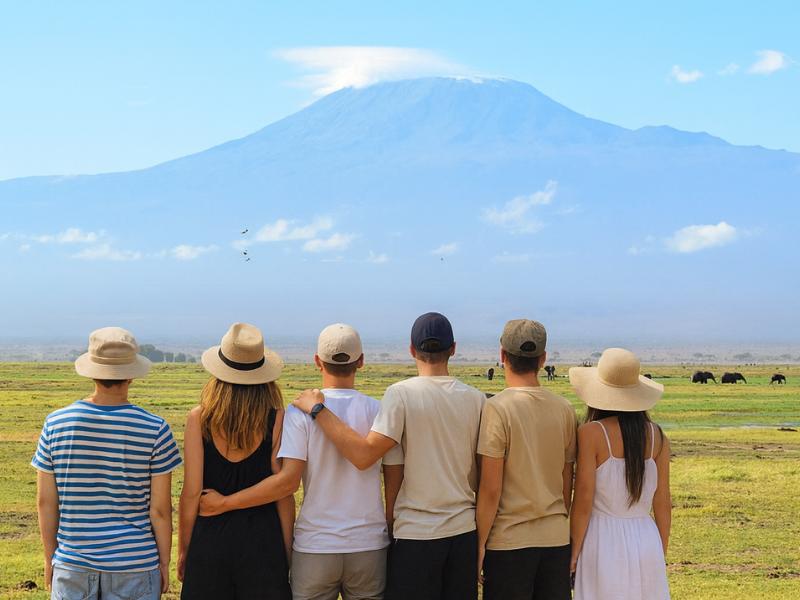
Book through a reputable tour operator unless you have extensive safari experience and are comfortable handling logistics, vehicle rental, park regulations, and accommodation bookings yourself. A good guide doesn’t just find animals. They read tracks, anticipate behavior, communicate with other guides via radio to locate wildlife, and explain what you’re seeing. Self-drive is possible but removes the expertise that transforms game viewing into understanding.
The Maasai Mara allows self-drive safaris. You can rent a 4×4 in Nairobi, drive to the reserve, book accommodation directly with camps, and navigate the park roads yourself. It’s cheaper than hiring a guide. It’s also significantly harder to get good wildlife sightings without local knowledge.
Safari guides communicate with each other constantly via radio. When one guide spots a leopard, cheetah, or rare sighting, they share coordinates. Within minutes, other guides know where to position their vehicles. As a self-driver, you don’t have access to that network. You’re driving blind, hoping to stumble onto wildlife in 1,510 square kilometers of open savannah.
Good guides also read animal behavior. They recognize when a lion pride is preparing to hunt based on posture and eye contact. They know where cheetahs rest during midday heat. They identify fresh elephant dung and estimate how recently the herd passed through. They understand which dirt tracks lead to active dens and watering holes. This knowledge accumulates over years of daily game drives. You can’t replicate it by reading a guidebook.
Guide quality varies dramatically. The best guides have 10+ years of experience, proper certifications from Kenya Professional Safari Guides Association (KPSGA), knowledge of individual animals and prides by name, and passion for conservation. Budget operators sometimes hire less experienced guides or assign one guide to multiple vehicles, which dilutes attention.
- From our 2,500+ travelers guided since 2012, clients who reported “exceptional” safari experiences had guides who:
- Communicated clearly about preferences at the start (what animals you most wanted to see, tolerance for early mornings, photography vs. general viewing priorities)
- Stayed patient during long tracking sessions rather than constantly moving to the next thing
- Explained behavior rather than just pointing out species (“That lioness is separating from the pride because she’s about to hunt” versus “There’s a lion”)
- Positioned vehicles thoughtfully for light and angles (important for photographers)
- Respected wildlife space and park rules (not driving off-road in the reserve, maintaining distance from cheetahs and rhinos)
When booking through a tour operator, ask specific questions about your guide assignment. How many years of experience? Are they KPSGA certified? Will the same guide stay with you the entire safari, or do guides rotate? Can you request a guide who specializes in photography if that’s your priority? Legitimate operators will answer these questions directly.
We’ve been coordinating these safaris for travelers since 2012. Let us take care of yours.
What Type Of Safari Should You Choose?
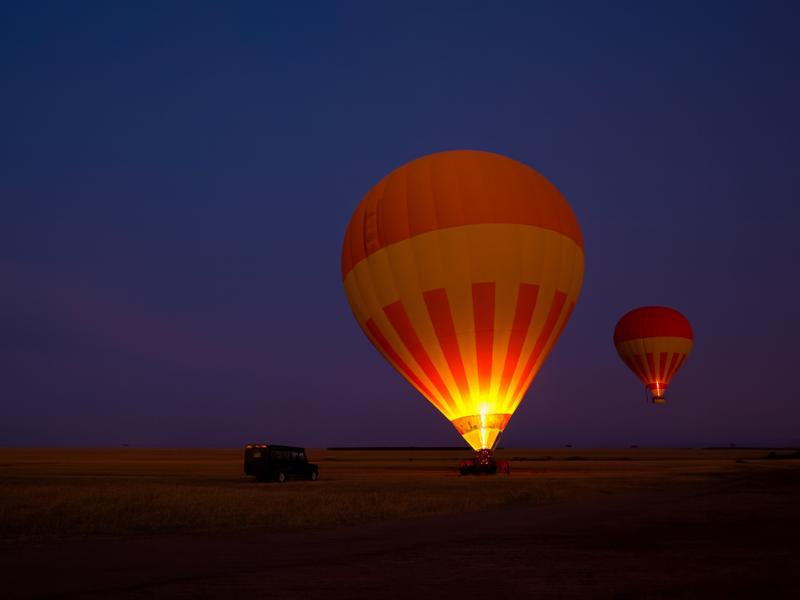
Standard game drives (twice daily, dawn and late afternoon) form the foundation of any Mara safari and offer the best overall wildlife viewing. Add a hot air balloon safari for aerial perspective during migration season ($450-$550). Walking safaris in conservancies let you experience the bush on foot with an armed guide, focusing on tracks, plants, and smaller details you miss from a vehicle. Night drives reveal nocturnal predators and are only available in private conservancies.
Game drives are the core safari activity. You’ll spend 3 to 4 hours on morning drives (departing around 6 AM, returning for breakfast by 10 AM) and 3 to 4 hours on afternoon drives (departing around 4 PM, returning after sunset around 7 PM). Midday from 11 AM to 3 PM is typically rest time at camp because animals are less active in the heat.
Some lodges offer full-day game drives with a packed lunch. These work well if you want to cover more territory or position yourself at the Mara River for crossings (which happen unpredictably and can require hours of waiting). Full-day drives give you flexibility but feel long. By hour six in a vehicle, even with exceptional sightings, you’re ready for a break.
Hot air balloon safaris launch at dawn (around 5:30 to 6:00 AM depending on season and location). You’ll drift over the plains for 60 to 90 minutes, watching the sunrise and viewing massive herds from above. The perspective is unlike anything you’ll see from the ground. Balloons land in the bush, and you’ll have a champagne breakfast setup in the middle of nowhere. It’s expensive ($450 to $550 per person) and worth doing once, especially during migration season when you can see the scale of the herds.
Curious about the balloon experience? Our guide on hot air balloon safari in Maasai Mara covers what you’ll see, how booking works, and when weather can cancel your flight.
Be aware that some guides and camps inflate balloon prices to $600 or $700 and keep the markup. Confirm pricing directly with the balloon operator (Governors’ Balloon Safaris, Skyship, or similar) or have your tour operator provide an itemized breakdown showing exactly what you’re paying.
Walking safaris are only permitted in private conservancies, not in the main reserve. You’ll walk for 1 to 3 hours with an armed ranger and a guide, focusing on tracking, identifying plants, reading dung patterns, and understanding the smaller elements of the ecosystem. You won’t get close to large predators on foot (that’s dangerous), but you’ll see the bush in a way vehicles don’t allow. The silence, the smell of sage and dry grass, the detail in an impala’s track telling you it passed through 20 minutes ago. Walking safaris aren’t about the Big Five. They’re about slowing down.
Night drives reveal the Mara after dark. Lions hunt more actively at night. Leopards move through territories. Hyenas scavenge. You’ll spot genets, civets, bush babies, and other nocturnal species that disappear during daylight. Night drives use spotlights to illuminate eyes reflecting in the darkness (predators’ eyes glow green or amber). This activity is only available in private conservancies because the main reserve prohibits vehicles after 6 PM.
| Morning/Afternoon Game Drives | Core wildlife viewing, Big Five sightings, photography | Included in most packages |
| Full-Day Game Drives | Covering more territory, Mara River positioning, extended sightings | Usually included, packed lunch provided |
| Hot Air Balloon Safari | Aerial perspective, migration viewing, special occasion experience | $450-$550 per person, book 2-3 months ahead for migration season |
| Walking Safari | Bush immersion, tracking skills, ecosystem detail, slower pace | $40-$60 per person, conservancies only |
| Night Game Drives | Nocturnal predators, different wildlife species, unique perspective | Included in conservancy stays, not available in main reserve |
| Maasai Village Visit | Cultural experience, traditional practices, community interaction | $20-$30 per person |
Cultural visits to Maasai villages are offered by most camps and lodges. These last 1 to 2 hours and include watching traditional dances, visiting homes (bomas), and learning about pastoral lifestyles. Quality varies. Some villages have become overly commercialized with aggressive souvenir selling. Others maintain authentic cultural exchange. Ask your lodge which village they work with and what the experience emphasizes. The fee ($20 to $30) typically goes to the community.
If you want to skip the research, here are the best Maasai Mara safari tours based on guide quality, conservancy access, and what you’ll actually experience on game drives.
What Should First-Time Safari Visitors Know Before Arriving?
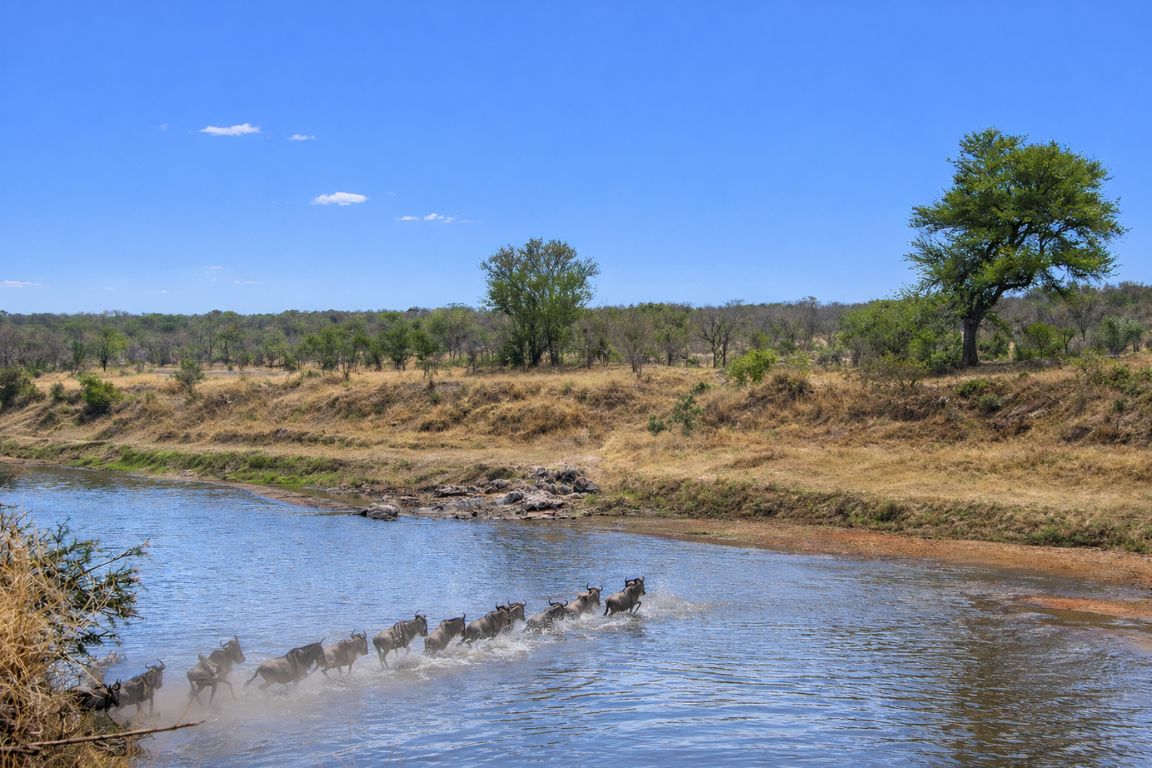 Speak up about your preferences immediately. Tell your guide what you want to see, your tolerance for early mornings, whether photography or general viewing matters more. Good guides adjust based on this. The 12-hour park ticket rule catches people off guard, so understand it before paying at the gate. Wildlife viewing is unpredictable. River crossings don’t happen on schedule. Lion hunts unfold over hours or get abandoned. Adjust expectations accordingly. Patience wins on safari more than luck.
The single biggest mistake first-time visitors make is not communicating with their guide at the start. Your guide can’t read your mind. If you desperately want to see rhinos, say so. If you’ll happily sit with a cheetah for two hours waiting for a hunt, tell them. If you hate waking up before 6 AM, that’s useful information. Guides can pair you with other travelers who share priorities and adjust the daily schedule accordingly.
The reverse is also true. If your guide suggests leaving camp at 5:45 AM without explanation, trust them. They’re tracking something specific (rhinos at a known location, a leopard den site, fresh lion tracks). Don’t argue. Get in the vehicle. The best sightings often come from these spontaneous decisions.
The 12-hour ticket rule causes confusion every day at park gates. Your entry ticket is valid for 12 hours from the time you enter, regardless of whether you exit and re-enter. Gates open at 6 AM and close at 6 PM. If you enter at 8 AM, your ticket expires at 8 PM (but gates close at 6 PM, so practically it expires at 6 PM). An overnight stay does not automatically make the next morning’s entry fee-free; confirm the applicable tickets for your full itinerary. But if you’re staying outside the reserve and coming in for consecutive days, you pay each day.
Budget travelers sometimes book camps outside the reserve thinking they’ll save money on accommodation and just pay entry fees for game drives. This works, but factor in that you’re paying $100 to $200 per person per day in entry fees on top of accommodation. The price gap between staying outside versus inside the reserve isn’t as large as it first appears.
Wildlife doesn’t perform on demand. River crossings happen when the herds are ready, which could be 10 AM or 4 PM or not at all that day. Lion hunts require positioning, patience, and often result in the lions abandoning the stalk and sleeping instead. Leopards spend 90% of their time in trees doing nothing visibly interesting. Rhinos are rare and take hours of tracking.
The travelers who love their safaris are the ones who adjust expectations. They’re thrilled to sit with elephants for 40 minutes watching trunk movements and social interactions. They don’t complain when a leopard sighting means sitting in a vehicle for an hour waiting for the leopard to wake up and maybe move. They understand that a cheetah hunt you witness is the culmination of 10 failed stalks other travelers never saw.
Respect vehicle rules. Don’t stand up in the vehicle unless your guide says it’s safe. Don’t shout or make sudden movements near animals. Don’t stick your hands or camera lenses outside the vehicle when predators are close. Guides know what’s safe and what spooks wildlife. Listen to them.
Monkeys and baboons will steal food from your tent if you leave it accessible. Lock all food items in the provided safe or storage locker. They’ve learned to unzip tents. Camps usually provide escorts after dark between your tent and the dining area because buffalo and elephants wander through at night. Use the escorts. Wildlife has right of way in the Mara. You’re a guest in their space.
Photography etiquette: If you’re shooting with a long telephoto lens, communicate with your guide about positioning. Other passengers in the vehicle also want to see and photograph. Don’t block sightlines or dominate the roof hatch. Good guides position vehicles for light and angles, but that works only if everyone in the vehicle cooperates. If photography is your primary goal, book a private vehicle or join a photo safari tour where everyone has similar priorities.
Common Questions We Hear From First-Time Visitors
Is it safe to travel to Maasai Mara? Yes. The reserve itself is safe for tourists with proper guides and by following park rules. Nairobi requires normal city precautions (don’t walk alone after dark, use reputable transport), but safari regions are secure. Terrorism risk in Kenya exists but is concentrated near the Somali border, hundreds of kilometers from the Mara.
Have safety concerns? I’ve broken down is Maasai Mara safari safe for tourists based on wildlife risks, health precautions, and what reputable operators do for security.
What are my chances of seeing all Big Five (lion, leopard, elephant, buffalo, rhino)? Lion, elephant, and buffalo sightings are almost guaranteed with competent guides. Leopards are common but often in trees and easy to miss without good spotting. Rhinos are rare. Black rhinos number around 30 to 40 in the greater Mara ecosystem. Seeing them requires luck, early morning tracking, and guides who know den sites. From our client data, 85% of travelers who stay four nights or longer see four of the Big Five. About 40% see all five.
Want to know what to look for? Our guide on the Big Five in Maasai Mara safari covers where each animal hangs out and when you’re most likely to spot them.
Can I use my phone in the Mara? Safaricom (Kenya’s main carrier) has coverage in most of the Mara, including many camps and lodges. Signal is spotty in remote conservancies. Many camps offer WiFi, though bandwidth is limited because it runs on satellite connections. Download offline maps and key documents before arriving.
What about malaria? The Maasai Mara is in a malaria zone. Consult your doctor about antimalarial medication before traveling. Mosquito activity is lower during dry season than rainy season, but risk exists year-round. Use insect repellent with 50% DEET, wear long sleeves in the evening, and sleep under provided mosquito nets. We’ve guided thousands of travelers through the Mara. Malaria cases among tourists are rare with proper precautions.
Do I need vaccinations? Yellow fever vaccination is required if you’re arriving from a yellow fever endemic country. Otherwise, it’s recommended but not mandatory. Check current Kenya entry requirements with your doctor or travel clinic. Routine vaccinations (tetanus, hepatitis A, typhoid) are advised. This isn’t medical advice. Consult a travel medicine specialist for your specific health situation.
| Challenge | Solution |
| Too many vehicles at sightings | Stay in a private conservancy where vehicle density is controlled, or visit during shoulder season (June or November) |
| Feeling rushed between sightings | Book 4-5 nights instead of 2-3, tell your guide you prefer slower pace and longer observation time |
| Not seeing target animals | Communicate priorities to guide on day one, stay flexible with timing (early morning drives critical), understand rare species require patience and luck |
| Motion sickness from bumpy roads | Take motion sickness medication 30 minutes before drives, sit in front passenger seat, bring ginger candies, stay hydrated |
| Dust and dirt everywhere | Expected during dry season, use lens cloths for camera gear, wet wipes for hands/face, embrace it as part of the experience |
| Budget tighter than expected | Travel during green season (November-March excluding December holidays), stay outside peak migration months, choose camps farther from Mara River but still in good wildlife zones |
| Guide not meeting expectations | Address directly but professionally with guide first, then camp management if unresolved, provide feedback via your tour operator after safari for future improvements |
What Our 2,500+ Travelers Told Us About Their Maasai Mara Experience
Since 2012, we’ve tracked satisfaction data and common patterns from the travelers we guide. This data reflects real experiences across budget, mid-range, and luxury safaris, all seasons, and varying trip lengths.
| Saw 4-5 of Big Five | 68% | 89% | Conservancy: 91% | Reserve: 85% |
| Witnessed predator hunt or kill | 31% | 54% | Similar across both |
| Saw Mara River crossing (migration season only) | 42% | 67% | Reserve proximity advantage: 71% |
| Rated experience “exceptional” | 56% | 81% | Conservancy: 87% | Reserve: 74% |
| Felt rushed or overwhelmed | 38% | 12% | Reserve higher during peak: 29% |
| Would return to Mara | 71% | 93% | Conservancy: 96% | Reserve: 88% |
| Top regret mentioned | “Not staying longer” (48% of all respondents) | “Not booking conservancy experience” (22%) | “Visiting during peak migration crowds” (14%) |
Data compiled from post-safari surveys and feedback forms, 2012-2025. Sample size: 2,534 travelers across 847 safari groups.
The patterns are clear. Longer stays dramatically improve satisfaction. Conservancies deliver more intimate experiences with less vehicle congestion. Travelers who visit outside peak migration months report higher value and enjoyment relative to cost. And nearly half of all visitors wish they’d planned more time in the Mara once they experienced it.
Questions before you commit? Zara and the team answer them daily. Start here.
Frequently Asked Questions
What is the 12-hour park ticket rule and how does it affect my safari?
Your entry ticket to the main Maasai Mara National Reserve is valid for 12 hours from entry time, not 24 hours. Gates operate 6 AM to 6 PM. An overnight stay does not automatically include the next morning’s fees; check the ticket rules for each day. If you stay outside and enter for consecutive days, you pay daily. This rule changed in 2023 and catches many visitors off guard at the gate.
Can I see the wildebeest migration outside of July-October?
The massive herds and Mara River crossings happen July through October. Outside those months, you won’t see migration spectacle. But resident wildlife (lions, leopards, elephants, cheetahs, buffalo, giraffes) remain year-round and are often easier to spot with less vegetation during dry months. Green season (November-March) offers lower costs, fewer tourists, and baby animals during calving months.
How far in advance should I book?
For migration season (July-October), book 12 to 18 months ahead for the best camps near Mara River crossing points. These fill up fast. For green season and shoulder months (November-June), 3 to 6 months ahead is usually sufficient. Last-minute bookings are possible but limit your accommodation choices.
Is it better to fly or drive from Nairobi to Maasai Mara?
Flying takes 45 minutes and maximizes safari time but costs $180-$250 one-way per person with strict 15kg soft-bag luggage limits. Driving takes 5-6 hours each way, costs less ($150-$300 for a private vehicle, less for group transfers), allows more luggage, and includes a stop at the Great Rift Valley viewpoint. Choose based on your time budget and comfort with long drives.
What’s the difference between staying in the main reserve versus a private conservancy?
Main reserve: closer to Mara River crossings during migration, higher wildlife density, more vehicle congestion (20+ vehicles common at leopard sightings), no night drives or walking safaris, lower daily fees ($100-$200 per person). Private conservancies: fewer vehicles (2-3 visible per drive), night game drives and walking safaris allowed, off-road driving permitted, more exclusive feel, higher fees ($60-$130 per day on top of reserve fees). Best option: split your stay between both.
How much should I tip my guide and camp staff?
Plan $15-$20 per person per day for your safari guide/driver, and $10-$15 per person per day for camp staff (placed in a communal tip box at checkout). If your guide delivers exceptional experiences (finding rare wildlife, perfect positioning for photography, going above and beyond), tip accordingly. Tips are a significant portion of income for guides and staff.
Will I definitely see lions and elephants?
Yes, with competent guides. Lions and elephants are abundant in the Mara and sightings are near-guaranteed across 3+ days. Leopards are common but require skilled spotting (often in trees). Buffalo are everywhere. Rhinos are rare (30-40 black rhinos in the ecosystem) and seeing them requires early morning tracking, patience, and luck. About 40% of our travelers who stay 4+ nights see all Big Five. 85% see four of five.
Written by Zara Akinyi Omondi
Kenyan tour guide since 2012 · Founder, Maasai Mara Safari Tours
Zara has guided over 2,500 travelers through Maasai Mara and Kenya’s premier safari destinations since founding the agency.