Best Maasai Mara Safari Tours
Planning a Maasai Mara safari? Reserve vs conservancy, private vs group, and trip length matter most - here’s how to choose right.
Booking Choice: Choose the vehicle and itinerary structure before comparing prices. The end tool starts with a verified private three-day lodge package and shows the real trade-offs against group routes. Explore Private Three-Day Mara Safari At Sopa Lodge
Last updated: March 11, 2026
Quick Facts: Maasai Mara Safari Tours
| Park entry fee (low season, Jan-Jun) | $100 per adult per day (non-resident) |
| Park entry fee (high season, Jul-Dec) | $200 per adult per day (non-resident) |
| Children under 8 | Free entry |
| Children aged 9-17 | $50 per day |
| Ticket validity | 12 hours (effective July 2023) |
| Budget tour (per person per day) | $160-$300 (group vehicle, budget camp) |
| Mid-range private tour (per person per day) | $300-$700 (private vehicle, tented camp) |
| Luxury / conservancy (per person per day) | $700-$1,500+ |
| Recommended minimum stay | 4 nights (3 nights absolute minimum) |
| Peak migration window | July to October |
| Self-driving | Not permitted – licensed guides and operators required since June 2024 |
Prices verified March 2026. Park fees set by Narok County Government; confirm current rates before booking.
What Makes A Maasai Mara Safari Tour Actually Worth The Money?
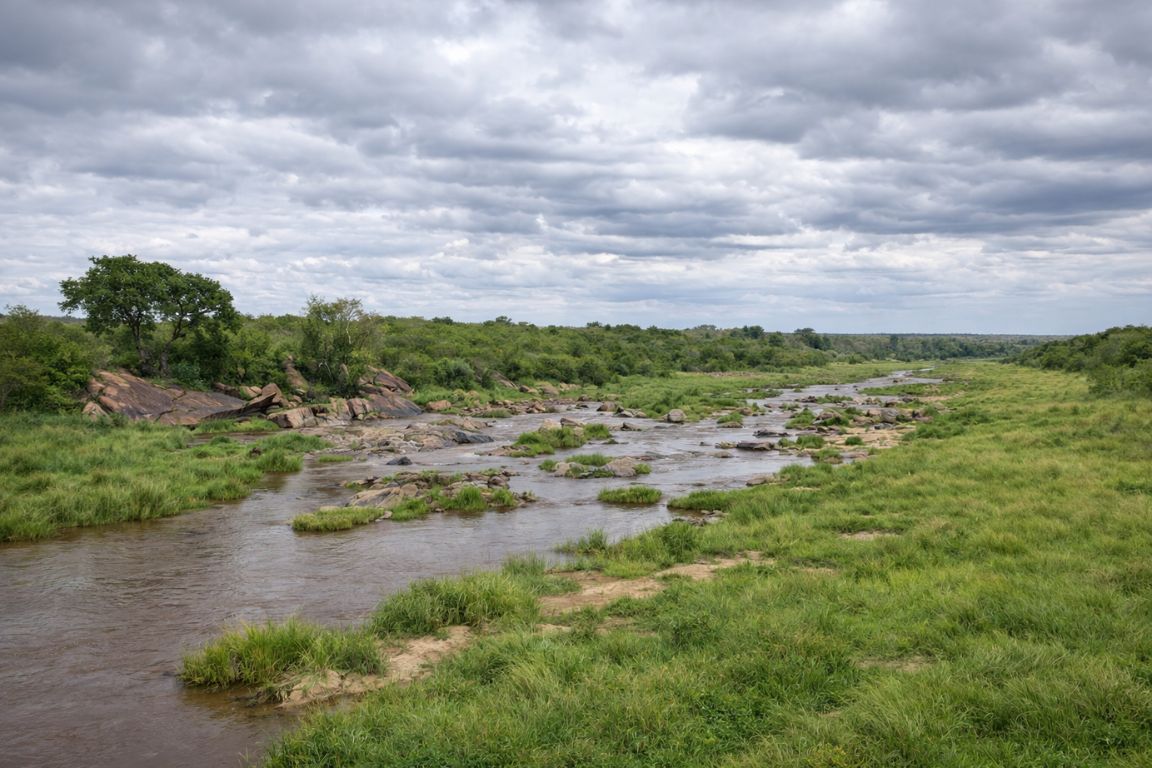 A Maasai Mara safari tour is worth it when the guide knows the reserve, the vehicle gives you space to stand and photograph, the operator handles park permits and logistics without hidden costs, and you have enough nights to get past the first-day adjustment and into real wildlife rhythm. Anything less than that and you’re paying for a tick on a list, not an experience.
People sometimes come back from the Mara underwhelmed. Not because the wildlife wasn’t there – it always is – but because something in the arrangement didn’t work. The guide was driving fast to hit sightings without explaining what they were watching. The vehicle had eight people in it and nobody could position well for photographs. The itinerary crammed three parks into four days and the Mara got one full morning. Those are operator and planning failures, not Mara failures.
The reserve itself is extraordinary by any measure. Over 1,500 square kilometers of open grassland, riverine forest, and acacia woodland, connected to Tanzania’s Serengeti in a single unfenced ecosystem. Lion prides with 20 or more members. Leopards in the fig trees along the Talek River. Elephant families moving through Paradise Plains at dusk. The wildlife density is genuinely exceptional, and the Mara is one of very few places in Africa where you can be reasonably confident of seeing predators on virtually every game drive if your guide knows what they’re doing.
What separates a good tour from a forgettable one is almost always the guide. A driver who grew up in the ecosystem, knows the current territories of individual lion prides, and can read animal behavior before anything happens – that person turns a game drive into something you talk about for years. A driver doing their tenth tour this month with a van full of strangers, hitting the obvious sightings and heading back on schedule, delivers something technically correct but experientially thin.
What Are The Different Types Of Safari Tours In Maasai Mara?
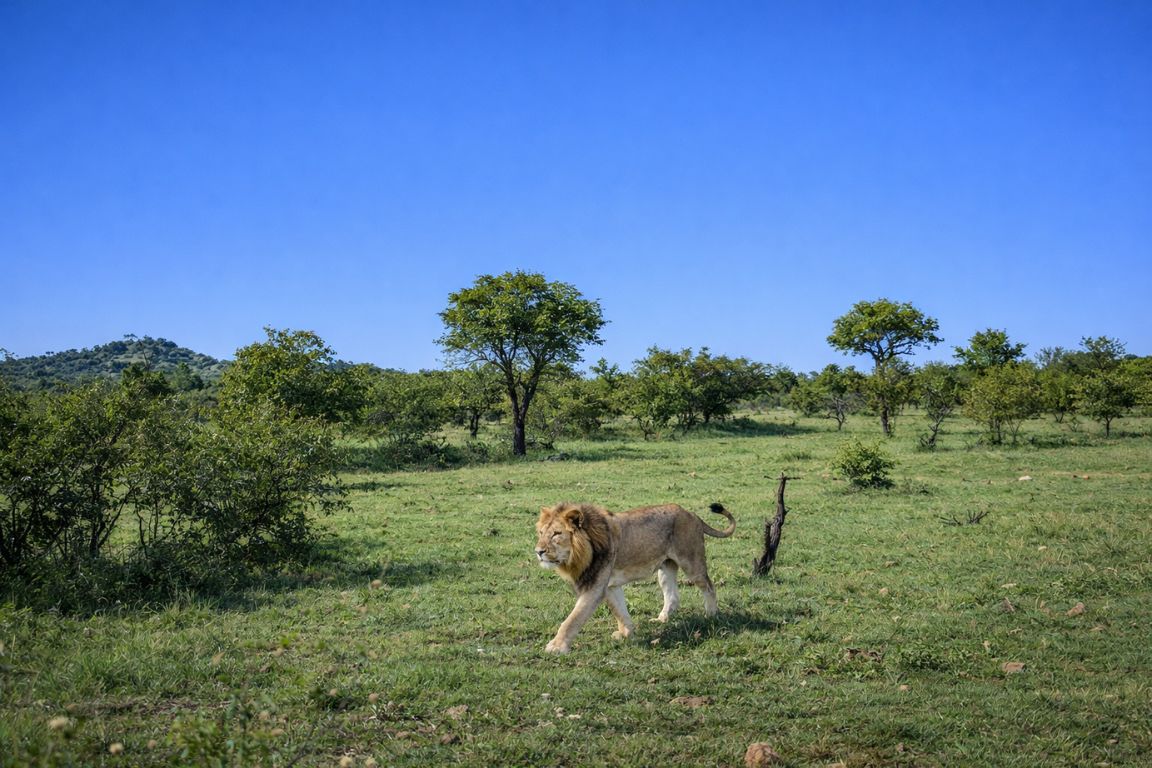 There are four main types: group budget safaris (shared vehicle, 6-8 people), private mid-range tours (your own vehicle and guide), luxury fly-in safaris (charter flight from Nairobi, premium camp), and conservancy-based safaris (private land bordering the reserve, with off-road driving and night drives permitted). Each type has a specific use case, and none is universally better than the others.
Group budget safaris work well for solo travelers and backpackers who are flexible on timing and comfortable sharing space with strangers. You’ll typically be in a Toyota minibus or Land Cruiser with 6-8 people, hitting the same sightings as everyone else, and staying in a budget tented camp near the reserve gates. The guide quality varies. The savings are real. The main trade-off is that you cannot stop when you want to or position for a better angle on an animal – the vehicle moves when the majority decides.
Private mid-range tours are the most popular choice for couples, small families, and anyone who has saved specifically for this trip. You have the vehicle and guide to yourselves, which means you stay at a sighting as long as you want, you can ask the guide to track a particular animal, and you can shape the day around what you’re actually seeing rather than a pre-set loop. This format is what most travelers mean when they say “I want a real safari.”
Luxury fly-in safaris skip the 5-6 hour road transfer from Nairobi entirely. A 45-minute charter flight out of Wilson Airport lands you at one of the Mara airstrips, where a vehicle and guide are already waiting. You’re on your first game drive within an hour of leaving Nairobi. The camps at this tier are genuinely impressive: open-sided mess tents on the riverbank, meals cooked fresh in the bush, guides with deep specialist knowledge. The price reflects all of this.
Conservancy-based safaris are a category of their own. The 14 or so private conservancies around the Mara’s edges (Mara North, Naboisho, Olare Motorogi, Ol Kinyei, and others) operate under different rules than the national reserve. Off-road driving is permitted, meaning the guide can leave the track and park 10 meters from a cheetah rather than watching from 100 meters away through a dust cloud of other vehicles. Night drives are allowed. Walking safaris happen here. Guest numbers per conservancy are strictly capped. And because only guests staying within the conservancy can enter it, you will not encounter the vehicle congestion that builds around popular sightings in the reserve during peak season.
We’ve broken down budget vs luxury safari at Maasai Mara so you can figure out which makes sense for your trip without overspending or shortchanging the experience.
| Group budget | Shared, 6-8 pax | $160-$300 | Solo travelers, tight budgets | No control over pace, positioning |
| Private mid-range | Private Land Cruiser | $300-$700 | Couples, families, photographers | Higher cost per person for solo travelers |
| Luxury fly-in | Private, often open-sided | $700-$1,500+ | Short on time, high-end experience | Price; still subject to reserve crowding |
| Conservancy-based | Private, off-road capable | $500-$1,500+ | Privacy, night drives, photography | No river crossings; book far ahead |
How Long Should Your Maasai Mara Safari Tour Be?
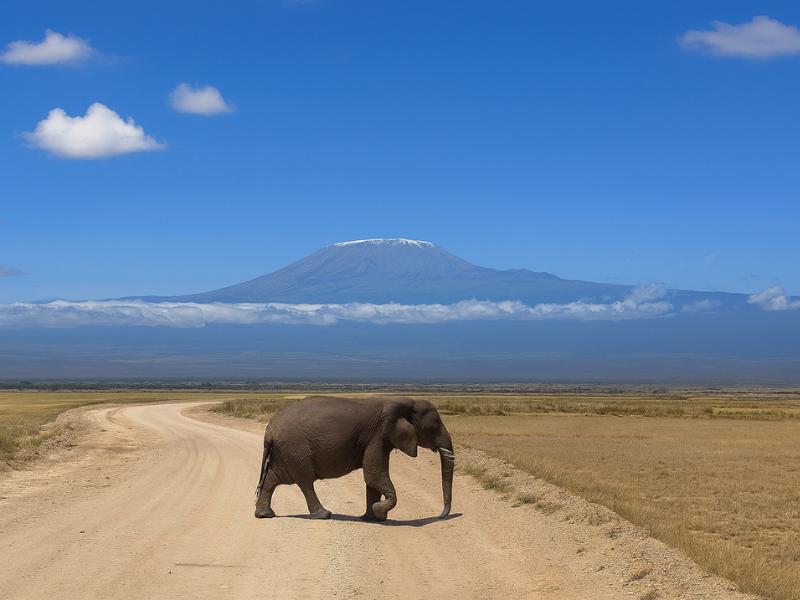
Four nights gives you three full days of game drives, which is enough to find rhythm, recover from the inevitable first-day disorientation, and actually track animals over multiple drives. Three nights is the absolute minimum for a meaningful visit. Anything shorter and you’re spending most of your time arriving, settling, and leaving. For the migration or a specific sighting like a leopard, plan for five nights or more.
This is where a lot of travelers underestimate. A typical Mara itinerary includes a long drive or flight from Nairobi on day one, arriving midday at the earliest. That afternoon drive is productive but you’re still adjusting. Day two is when the Mara actually starts to reveal itself: you start recognizing terrain, the guide is calibrated to what you want, the animals are in patterns rather than random surprises. Day three is often the best. By day four you have context for everything you’re seeing.
People who do three nights consistently say they wish they’d done four. People who do four almost never wish they’d left sooner. The extra night costs money, but by the time you’ve paid for flights from wherever you’re starting and the park fees alone ($100-$200 per day), the accommodation cost per additional night is often the smallest variable in the decision.
Planning your Kenya itinerary? This breakdown of how many days you need in Maasai Mara safari tours shows you what’s possible with 2, 3, or 4 days on game drives.
| 2 nights | 1-2 partial days | Adding to a Kenya multi-park itinerary | Too short for a first visit; works as a stop |
| 3 nights | 2 full days | Budget travelers, tight schedules | Minimum viable; most travelers want more |
| 4 nights | 3 full days | Most first-time visitors | Sweet spot: depth without overextending |
| 5-7 nights | 4-6 full days | Migration, photographers, return visitors | Best for migration river crossings; multiple zones |
| 7+ nights | 6+ full days | Wildlife photographers, specialists | The Mara rewards time; rarely feels too long |
What Is The Best Time Of Year To Book A Maasai Mara Safari Tour?
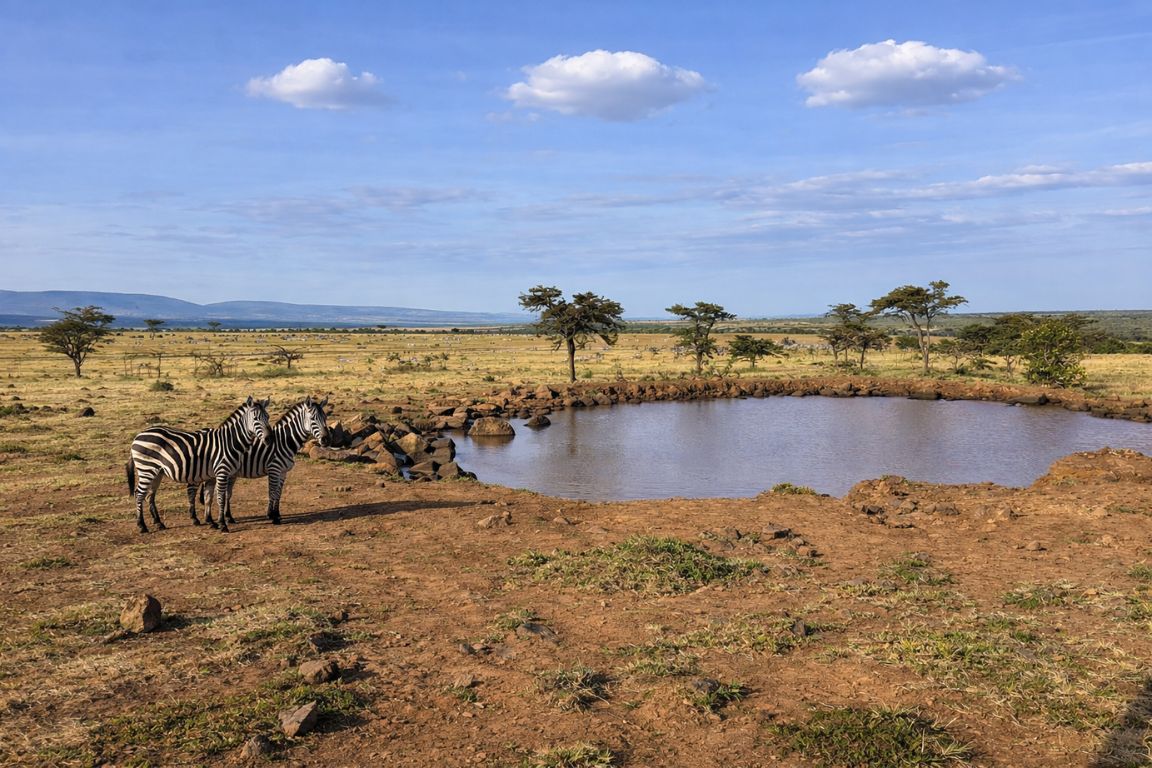 July through October is peak season and the migration window, with river crossings of wildebeest and zebra happening at their most dramatic. June and November offer excellent conditions with fewer vehicles. January and February bring the short dry period and newborn wildlife. April to May is low season: cheaper, greener, more atmospheric, and less visited. The Mara has something worth seeing in every month.
The honest caveat on peak season is that the crowds are real. In August at a busy river crossing point, you can have 30 to 50 vehicles lined up, engines running, waiting for the herd to commit. The crossing itself is extraordinary – nothing prepares you for the sound of 10,000 animals in the water at once. But the experience around it is more like a tourist traffic jam than a wilderness moment. Travelers who know this going in tend to manage it fine. Those expecting solitude in August get a rude shock.
If you’re flexible on dates, here’s the best time to visit Maasai Mara safari tours based on the migration calendar, weather conditions, and when wildlife concentrations peak.
The conservancies handle this problem to some extent. If you’re staying in Mara North or Naboisho, your daily game drive in the conservancy will have one or two other vehicles nearby at most. You then cross into the main reserve for migration viewing when you want to and return. This combination – conservancy base, reserve access – is our standard recommendation for travelers visiting in peak season who value both the migration spectacle and a quieter overall experience.
One underrated timing option: January and February. The short dry season brings clear skies, green plains from the short rains that just ended, and a calving season that draws predators into open areas. The Mara during this period is genuinely beautiful and largely uncrowded. Park fees are at their lower $100 rate. For travelers whose dates are flexible, this window is worth serious consideration.
Wondering what each month looks like? Check out our Maasai Mara safari tours by month guide – it breaks down migration patterns, rainfall, and game viewing month by month.
How Much Does A Maasai Mara Safari Tour Cost And What’s Actually Included?
A full-package Maasai Mara safari typically includes park fees, accommodation, all meals, game drives, and transfers from Nairobi. What it doesn’t always include: tips, balloon safaris, cultural village visits, and internal flights. Budget packages start around $300 per person per day for a group tour; private mid-range tours run $400-$700; luxury conservancy stays cost $700–$1,500+. Solo travelers pay significantly more per person than couples.
| Budget | $160-$300 | Shared vehicle, park fees, meals, game drives, Nairobi transfer | Basic tented camp near reserve gates |
| Mid-range private | $300-$700 | Private Land Cruiser, experienced guide, park fees, full board, transfers | Quality tented camp inside or near reserve |
| Upper mid-range | $500-$900 | Private vehicle, specialist guide, conservancy access, all activities | Conservancy camp with night drives and walks |
| Luxury fly-in | $700-$1,500+ | Charter flight, all meals, open vehicle, all activities, premium camp | Luxury conservancy lodge or premium reserve camp |
Prices verified March 2026. All tiers exclude international flights to Nairobi, balloon safari ($450-$600 extra), and tips ($10-$20/day guide, $5-$10/day camp staff).
Two things inflate costs in ways travelers don’t always anticipate. First, solo travelers pay a single supplement on most packages – you’re covering the same fixed costs as a couple but without splitting them. A private tour quoted at $350 per person for two people often runs $500-$550 for a single traveler. Second, the 2024 park fee increase to $200 per adult per day in high season changed the math considerably. A couple spending four nights in the reserve during August now pays $1,600 in park fees alone, before accommodation or transport.
If you want park permits, camp, and a vehicle arranged in one booking, start with the 2-Day/1-Night Private Maasai Mara from Nairobi in 4WD, then compare it with a longer private itinerary if you need more game-drive days.
Planning your safari budget? Here’s Maasai Mara safari costs explained so you know which expenses are worth it and which ones you can skip without ruining the experience.
Private Vs Group Safari Tours: Which One Is Right For You?
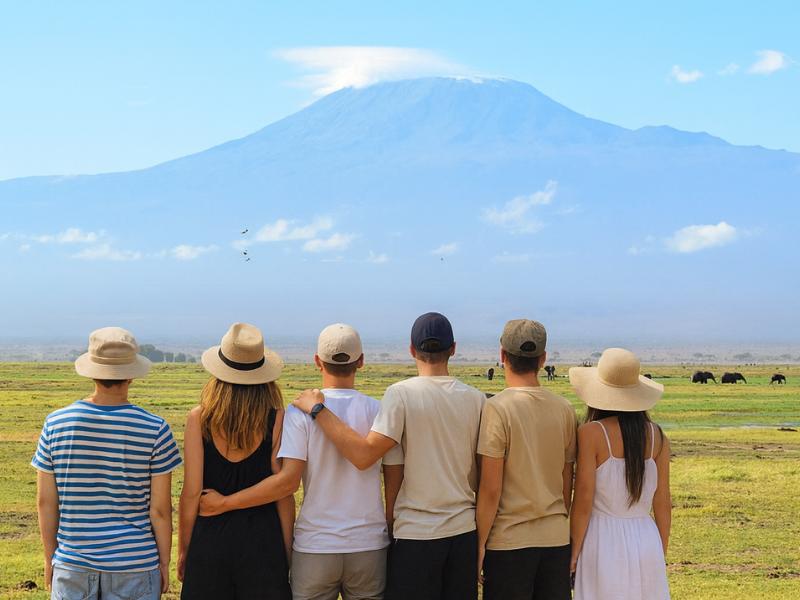
Private tours give you full control over timing, positioning, and pace at a higher per-person cost. Group tours are cheaper but require shared decision-making and often mean moving on before you’re ready. For most travelers visiting the Mara specifically for wildlife, a private vehicle is the single best upgrade you can make to your trip.
The practical differences come out in the field. With a private vehicle, if you find a leopard in a tree with a kill, you stay until the light is right for photographs, the animal moves, or you’re satisfied. In a shared vehicle with six other people, someone needs the toilet, someone else is bored, and the guide feels the pressure to keep moving. You leave before the shot happens.
Group safaris genuinely work for solo travelers who are comfortable socializing and don’t have strong photography ambitions. You meet people. The cost saving is significant. And in practice, a good guide in a shared vehicle is still covering the same ground and finding the same animals. The constraint is what happens once you find something worth watching.
One thing the forums consistently surface: families with young children almost always wish they’d gone private, regardless of cost. Not because children can’t handle the drives, but because a private guide can adapt the pacing, stop for the things that fascinate a seven-year-old, and explain what’s happening in a way that works for the whole family rather than the group average.
| Cost per person | Higher (sharing fixed vehicle cost between 2-4 people) | Lower (same costs split 6-8 ways) |
| Timing flexibility | Full – leave when you want, stay as long as you want | Fixed schedule driven by group consensus |
| Positioning at sightings | Guide maneuvers for the best angle for your group | Positioned for compromise view for all passengers |
| Photography | Excellent – guide adapts to your needs | Challenging – limited window before vehicle moves |
| Social experience | Your group only – suits couples, families, friends | Shared with strangers – suits solo travelers |
| Best for | Couples, families, photographers, first-timers | Solo travelers, budget-focused, flexible travelers |
What Should You Look For When Choosing A Maasai Mara Safari Operator?
Look for KATO (Kenya Association of Tour Operators) registration, a named guide with local Mara experience rather than a rotating pool, a vehicle with a pop-up roof designed for standing game viewing, transparent pricing that includes park fees, and a clear cancellation and refund policy. Operators who push you toward specific camps without asking your priorities first are often working on commission arrangements rather than your interests.
The guide question is the one most people underweight when comparing operator quotes. Two packages at similar prices can deliver completely different experiences depending on whether the guide grew up in or near the Mara, knows the current territories of the main lion prides and leopard individuals by name, and has built relationships with other guides in the field who radio in sightings. That network and local knowledge is genuinely what separates a spectacular game drive from an ordinary one. Nairobi-based driver-guides who rotate between parks every few weeks rarely have it. Resident guides who have been working the same ecosystem for years almost always do.
KATO registration is a practical baseline. It comes with a consumer protection clause, meaning that if an operator fails to deliver on the booking, there’s a formal mechanism for recourse. It’s not a guarantee of quality but it filters out the most unreliable operators.
Ask these questions before you book: Who specifically will be our guide? How long have they been working in the Mara? Is the vehicle a dedicated safari Land Cruiser with a pop-up roof? Are park fees fully included in the quote? What is your policy if a key wildlife sighting (like a migration crossing) doesn’t happen due to timing? What does your cancellation and refund process look like?
Want to get the planning right? This breakdown of how to plan a Maasai Mara safari tours covers all the details most people only figure out after they’ve already made expensive mistakes.
What Our Travelers Tell Us: Booking Patterns Among 2,500+ Maasai Mara Safari Clients
| Travelers who booked private vehicle and said it was worth the upgrade | 85-95% |
| Travelers who wished they had stayed longer | 60-75% of those who stayed 3 nights or fewer |
| Travelers who combined reserve and conservancy time in one trip | 35-50% |
| First-time safari travelers who rated their guide as the highlight of the trip | 75-85% |
| Travelers who said they would return to the Mara specifically | 80-90% |
We’ve been running safaris in the Mara since 2012. For a private vehicle and a named lodge stay, see the 3-Day Private Maasai Mara from Nairobi: Sopa Lodge Experience.
What Are The Most Common Mistakes Travelers Make When Booking A Safari Tour?
The most consistent mistakes are: booking too short a trip, going with the cheapest operator without asking who the guide is, not asking whether park fees are included in the quoted price, treating three parks in five days as a good idea, and assuming that peak migration season means guaranteed river crossings on every day. Each of these is fixable if you know to ask.
The hidden park fee issue comes up more than it should. Some operators quote an attractive daily rate that does not include the $100-$200 per person park fee, which gets added later. Always ask: does this quote include Maasai Mara National Reserve entry fees for every day of game driving? If the answer is ambiguous, treat the quote as incomplete.
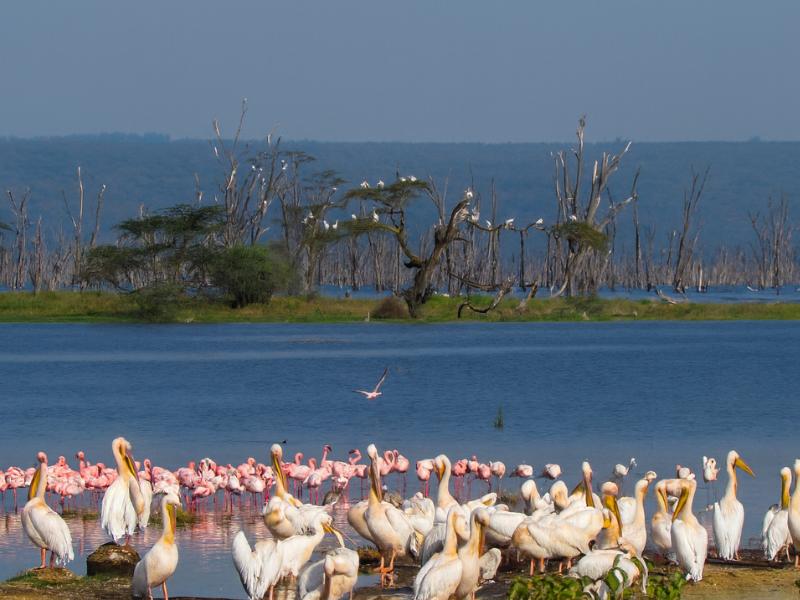
The multi-park trap: it feels efficient to add Lake Nakuru, Amboseli, and the Mara into a 6-day itinerary. In practice, you spend a significant portion of that time in a vehicle on Kenyan roads. You arrive tired, you game drive for a morning, you pack up and drive again. Each destination gets a surface-level visit. The Mara alone for five or six days produces a better experience than three parks in the same time, and the wildlife is diverse enough that you will not run out of things to see.
The river crossing expectation is worth addressing honestly. The Great Migration is one of the most spectacular wildlife events on Earth, but individual river crossings are not on a predictable schedule. A herd can pace the riverbank for four days and then cross at 6 AM before any vehicles are in position. Travelers who visit in August or September with four or five nights have good odds of witnessing at least one crossing. Travelers who come for two nights and expect to tick it off like a scheduled attraction sometimes leave frustrated. The Mara rewards patience in a way that can’t be packaged.
Need to understand the migration patterns? Our Great Migration in Maasai Mara safari guide maps out when the wildebeest arrive, how long they stay, and where the river crossings concentrate.
Finally, the guide question again. It comes up in almost every conversation about Mara safaris on travel forums, and rightly so. The Mara is large enough that a mediocre guide on a bad day can drive you through 200 square kilometers and show you zebras and wildebeest. A guide who knows the current movement of the Marsh Pride, who tracked the Talek leopard’s territory for three years, who can smell a lion kill before they see it – that guide is the difference between a good safari and a great one. Ask your operator to name the guide before you confirm.
Frequently Asked Questions
Is it safe to go on a safari in Maasai Mara?
Yes. The Maasai Mara is one of the safest safari destinations in Africa. Game drives take place in closed or open vehicles with experienced guides. The reserve itself is away from urban areas where any security concerns in Kenya are most concentrated. Reputable operators carry appropriate insurance and operate within licensed structures. Exercise the same common-sense caution you would in any international destination.
Do I need a visa to visit Kenya for a Maasai Mara safari?
Most international visitors require an Electronic Travel Authorisation (eTA), which replaced the previous visa system in January 2024. Applications are made online before travel. Confirm current requirements for your specific nationality through the official eCitizen portal before booking.
What is the difference between staying inside the reserve vs in a conservancy?
Inside the reserve: access to the full 1,510 sq km of the national reserve including river crossing sites, but game drives restricted to roads during daylight hours only, no off-road driving, no night drives. In a conservancy: off-road driving permitted, night drives and walking safaris available, strictly limited vehicle numbers per sighting, higher exclusivity. Conservancy guests can still access the main reserve by paying the additional park fee. The best of both comes from basing in a conservancy.
Can I do a Maasai Mara safari on a budget?
Yes. Group shared safaris with reputable operators run from $160–$300 per person per day and include park fees, accommodation, meals, and game drives. Quality varies – look for operators using Land Cruisers rather than minibuses, and ask specifically about the guide. Budget safaris during low season (April to June) offer the most value. Avoid anything that seems significantly cheaper than the market rate; the saving is usually coming from somewhere in the experience.
What should I pack for a Maasai Mara safari tour?
Neutral-toned clothing in layers (mornings are cold, midday is hot), closed shoes for any walking, a hat and sunscreen, a camera with zoom lens on a strap, a small binocular, and any personal medication. Baggage on charter flights is typically limited to 15 kg in a soft bag. Large hard-sided suitcases are impractical for bush camps and some charter routes. Full packing lists are provided with every booking through Maasai Mara Safari Tours.
What is the KATO and why does it matter for choosing an operator?
KATO is the Kenya Association of Tour Operators, the primary industry body for licensed safari companies in Kenya. KATO-registered operators have agreed to a code of conduct and carry a consumer protection clause, which means travelers have a formal route for recourse if an operator fails to deliver on the booking. It is not a quality rating system, but it screens out unregistered operators. Checking KATO registration is a basic due-diligence step when booking a safari in Kenya.
Planning a Maasai Mara safari and not sure where to start? Compare the Maasai Mara & Nakuru: 4-Day Group Safari Adventure if you want more than the 3-night minimum without planning the logistics yourself.
Written by Zara Akinyi Omondi
Kenyan tour guide since 2012 · Founder, Maasai Mara Safari Tours
Zara has guided over 2,500 travelers through Maasai Mara and Kenya’s premier safari destinations since founding the agency.