Great Migration In Maasai Mara Guide
The Great Migration hits Maasai Mara July-October with peak river crossings in Aug–Sep. Stay 5-7 days for the best chance to see it.
Booking Choice: Count actual Mara nights before comparing routes. The four-day lodge itinerary gives you three nights and two full days in the Mara without a second-park transfer. Explore 4 Days Masai Mara National Reserve Luxury Lodge Safari
Last updated: March 11, 2026
At A Glance: The four-day lodge safari provides three Mara nights. It is a focused short option, not the five-to-seven-night stay discussed here; crossings are never guaranteed. Explore 4 Days Masai Mara National Reserve Luxury Lodge Safari
Quick Summary The Great Migration brings over 1.5 million wildebeest into Kenya’s Maasai Mara between July and October each year, with peak river crossings in August and September. A minimum stay of 5-7 days gives you the best odds of witnessing a crossing. Park entry fees run USD $200 per adult per day during high season (July-December). The Mara delivers the most concentrated crossing action of anywhere in the ecosystem, but crowding at the river is real – staying in a private conservancy solves most of that problem.Quick Facts: Great Migration In Maasai Mara
| Migration window in the Mara | July to October |
| Peak river crossing period | Late July through September |
| Animals involved | 1.5+ million wildebeest, 400,000+ zebra, gazelles |
| Park entry fee (non-resident adult, high season) | USD $200 per 12-hour period – Verified March 2026 |
| Park entry fee (non-resident adult, low season Jan-Jun) | USD $100 per 12-hour period – Verified March 2026 |
| Children (9-17 years) | USD $50 per day year-round – Verified March 2026 |
| Recommended minimum stay | 5-7 days for best crossing odds |
| Nearest airport | Nairobi (Wilson Airport for charter flights to Mara airstrips) |
| Official recognition | World Book of Records: “World’s Greatest Annual Terrestrial Wildlife Migration” (2025) |
The first wildebeest hits the water before the rest of the herd has decided anything. One animal launches off the bank, brown water explodes, and suddenly ten thousand animals are in motion – a chaos of hooves, noise, and crocodiles cutting through the current. The ones that make it scramble up the far bank and stand there shaking. The ones that don’t leave behind a stillness that hits you somewhere you weren’t expecting. Nobody warns you about that part.
The Great Migration is the largest land-based animal movement on Earth, and its most dramatic chapter plays out right here in the Maasai Mara. This guide will tell you what you actually need to know before you go – not the glossy version, but the practical one.
What Exactly Is The Great Migration And Why Does It Happen?
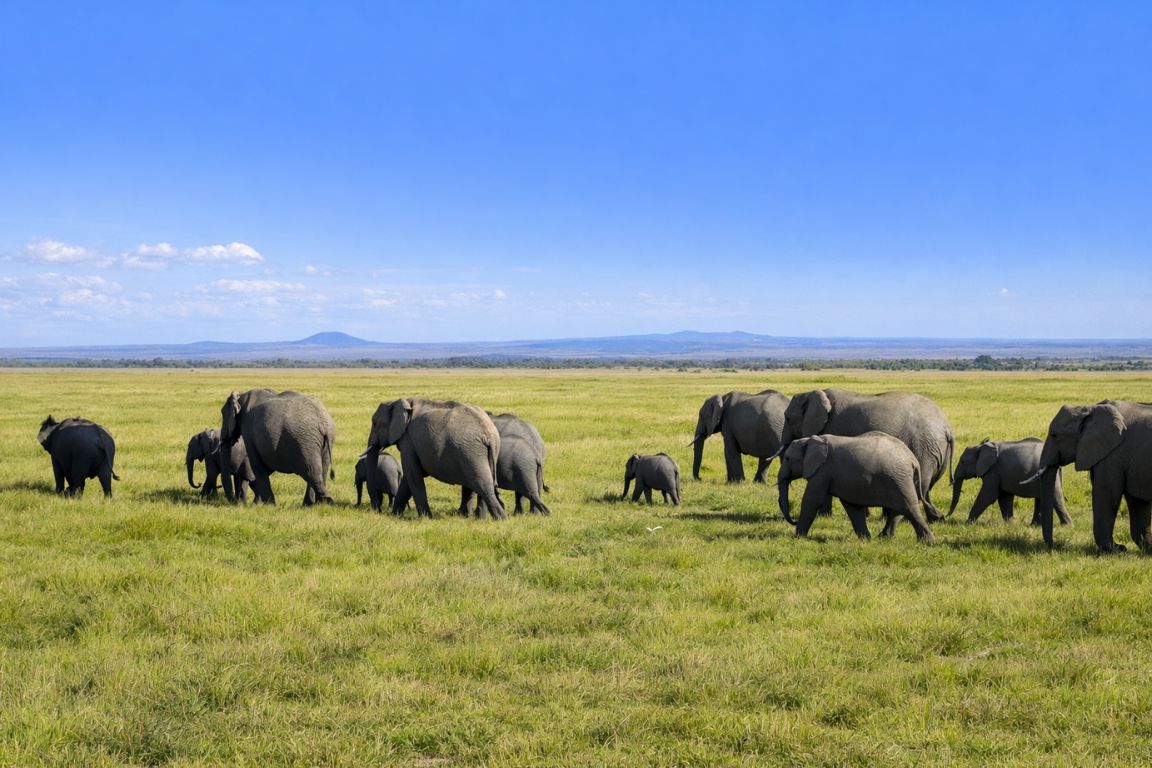 The Great Migration is a year-round circular journey made by over 1.5 million wildebeest, along with hundreds of thousands of zebra and gazelles, across the Serengeti-Mara ecosystem. They follow rainfall, not instinct alone – when the grass dries out in one place, they move toward where the rains are falling. The Maasai Mara is the northern endpoint of that journey, and the Mara River is the obstacle that turns it into a spectacle.
The route covers roughly 1,800 miles in a clockwise loop between Tanzania’s Serengeti and Kenya’s Maasai Mara. Calving happens in the southern Serengeti between January and March, when hundreds of thousands of wildebeest calves are born within weeks of each other. That synchronization is a survival strategy – predators can only eat so fast. By June the herds are pushing north through the western Serengeti, crossing the Grumeti River for the first time. Then they arrive at the Mara River from late July onward.
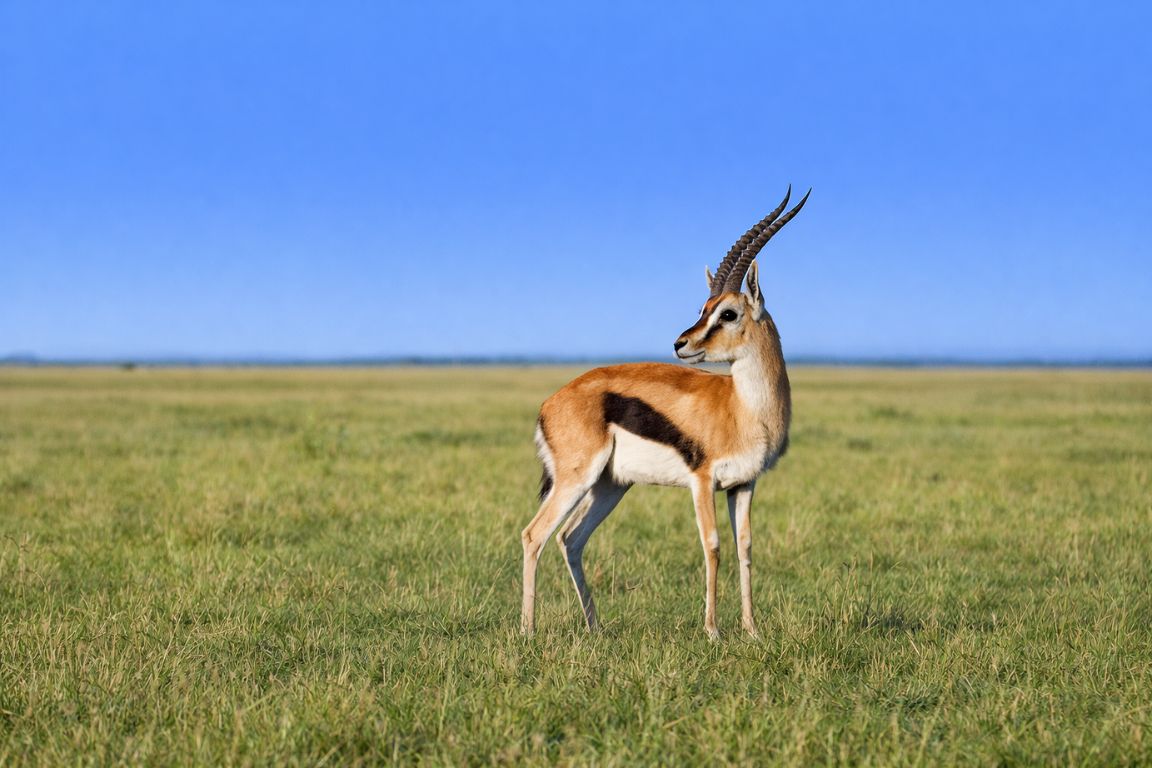
Three grazing species move together but don’t eat the same thing. Zebras lead because they eat the tall, coarse grasses. Wildebeest follow, feeding on the shorter shoots that emerge after zebras have moved through. Gazelles come last, nibbling the tender, low grasses the wildebeest leave behind. It’s a relay system that has evolved over at least 1.5 million years. In July 2025, the Maasai Mara was officially recorded in the World Book of Records (UK) as the site of the “World’s Greatest Annual Terrestrial Wildlife Migration” – a recognition that acknowledges what everyone who has stood at this river bank already knows.
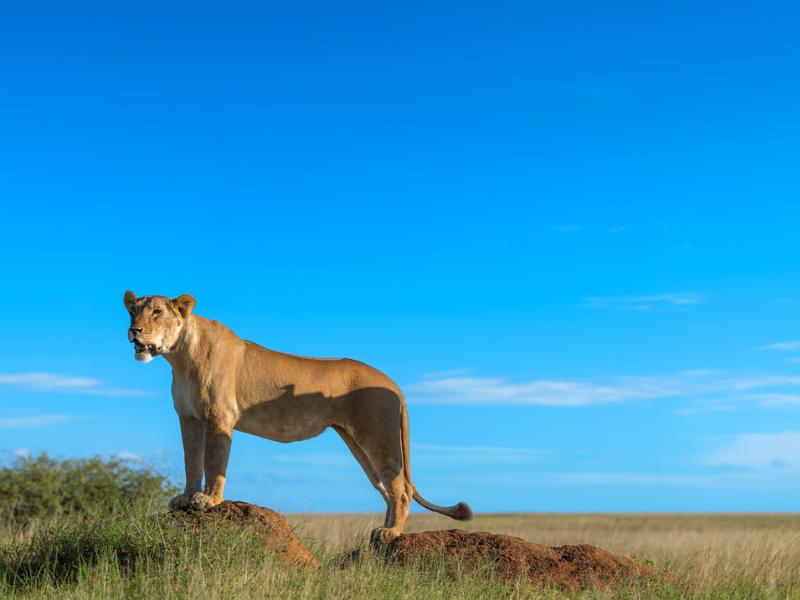
The Mara itself sustains one of the highest predator densities on the planet. An estimated 800-900 lions, around 60 leopards, over 40 cheetahs, and more than 3,000 Nile crocodiles in the river. The migration doesn’t just move through a wildlife area. It moves through a waiting room full of things that want to eat it.
When Is The Best Time To See The Great Migration In Maasai Mara?
 For river crossings, the window is July through October, with late July to September being the most reliable stretch. August delivers the most crossing activity on average. June is an underrated option – the early herds arrive with far fewer tourist vehicles, predator sightings are exceptional, and lodge rates haven’t hit peak prices yet. November sees the herds beginning their return south, which is quieter but still dramatic.
| June | Early herds arriving; initial crossings possible | Low-medium | Predator action, fewer vehicles, better rates |
| July | Mega-herds building; crossings beginning | Medium-high | First wave of crossings, full herds on the plains |
| August | Peak crossing season; massive herds at Mara River | Highest | Best odds of witnessing a major crossing |
| September | Crossings continue; herds spread across the Mara | High | Crossings plus excellent open-plains game viewing |
| October | Herds begin dispersing south; some crossings remain | Medium | Quieter experience, residual crossings, lower fees |
| November | Return southward movement; latecomers crossing back | Low | Return crossings, short rains, dramatic storm light |
One thing the month-by-month charts never say: the migration follows rainfall, and rainfall is becoming harder to predict. Climate patterns have shifted enough that some years see the herds arrive in the Mara three weeks earlier than expected, and other years they linger in the northern Serengeti longer than usual. The dates above are patterns, not schedules. Your guide’s radio network and real-time herd tracker apps matter more than any calendar.
If crowd levels worry you – and after the congestion reports from the 2025 season, they should – June or October are the months worth considering seriously. You trade some crossing frequency for something that actually feels like a wilderness experience instead of a traffic jam.
Planning around the right window makes a bigger difference than most travelers realize. Look at five-day small-group departures and line them up with the month you can actually be in the Mara.
Not all months are equal in the Mara. The best time to visit Maasai Mara safari tours changes dramatically based on migration movements, rainfall, and how many other safari vehicles you want to share with.
Where In The Mara Do The River Crossings Actually Happen?
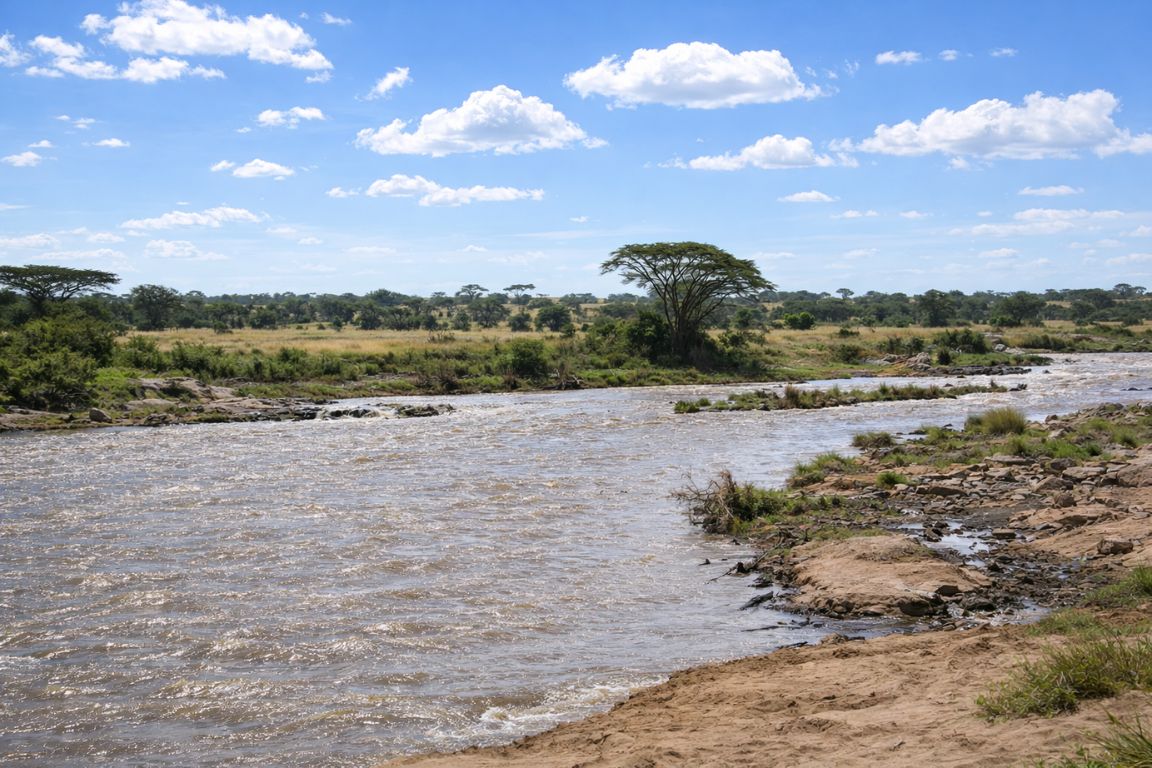 The Mara River has more than a dozen named crossing points used by the herds. The most active zone runs from the southern entry near Sand River Gate up through the Mara Triangle on the western side. Different points peak at different stages of the season, and the herds don’t use the same spots every year – they shift based on water levels, bank conditions, and grazing pressure on either side.
The crossings most travelers end up at are labeled by number: Crossings 4, 5, 7, and 10 are the ones that generate most of the famous footage. Crossing 4 is one of the first to activate when herds arrive from Tanzania. The Cul de Sac Crossing is notorious for the narrow channel that forces large numbers of animals to compress before launching in – the chaos factor there is high. Crossing 10, further north along the river, has gentler slopes which makes for longer, more sustained crossings rather than the explosive panic jumps you see at the steeper banks.
There’s also the BBC Crossing, named for the UK broadcaster that filmed it extensively. Animals funnel down to a heavily eroded entry point with a wider exit, and it tends to draw large vehicles because of that recognition. The Look-out Crossings are particularly dramatic – narrow channels up to six meters high, with enough space for vehicles to watch from above. These are the spots where the vertical drop into the water makes the footage look like the animals are falling rather than jumping.
The Mara Triangle, the western section of the reserve managed separately from the main reserve, consistently delivers more intimate viewing. It has fewer vehicles by design, the landscape is slightly different – more open and elevated – and access to the river is often easier without the traffic bottlenecks that build up on the eastern side near Talek. If witnessing a crossing without 40 other vehicles around you is a priority, the Triangle side is worth planning around.
One detail that matters more than most guides mention: camps located more than an hour from the river face a real problem. If a crossing begins and you’re too far away, you may arrive to find it already over, or already so crowded that positioning is impossible. Where you sleep is not just a comfort decision during migration season – it’s a tactical one.
How Long Should You Stay To Maximize Your Chances Of Seeing A Crossing?
Five to seven days is the practical minimum if witnessing a river crossing is your primary goal. This isn’t about padding the itinerary – it’s about probability. Crossings are entirely unpredictable. Some travelers see one within the first hour of arriving at the river. Others wait four full days and leave with nothing. Seven days puts the odds meaningfully in your favor, and it gives you enough time to also see what the Mara offers beyond the river itself.
The two-day migration safari is the most common regret we hear. People fly in, do one or two game drives at the river, miss a crossing because the herds decided to cross at dawn while they were still at camp, and fly out disappointed. The Mara doesn’t run on your schedule. It runs on rainfall and instinct and whatever that first brave wildebeest decides to do this morning.
Seven days gives you: multiple attempts at different crossing points, flexibility to wait out a morning when the herds are massing but not yet moving, the ability to skip the river on a day when the crowds are particularly heavy and focus on other parts of the ecosystem, and enough time to have the experience feel unhurried. The migration is not just a river crossing. The plains during peak season are covered with animals in every direction. Lions move differently when there’s this much prey around. The birding alone along the river edges is extraordinary. Staying long enough to notice all of it is part of what makes it worth the trip.
We’ve got a full analysis on how many days you need in Maasai Mara safari tours based on different safari goals and whether you’re there for the migration or year-round wildlife.
What Should You Realistically Expect On A River Crossing Game Drive?
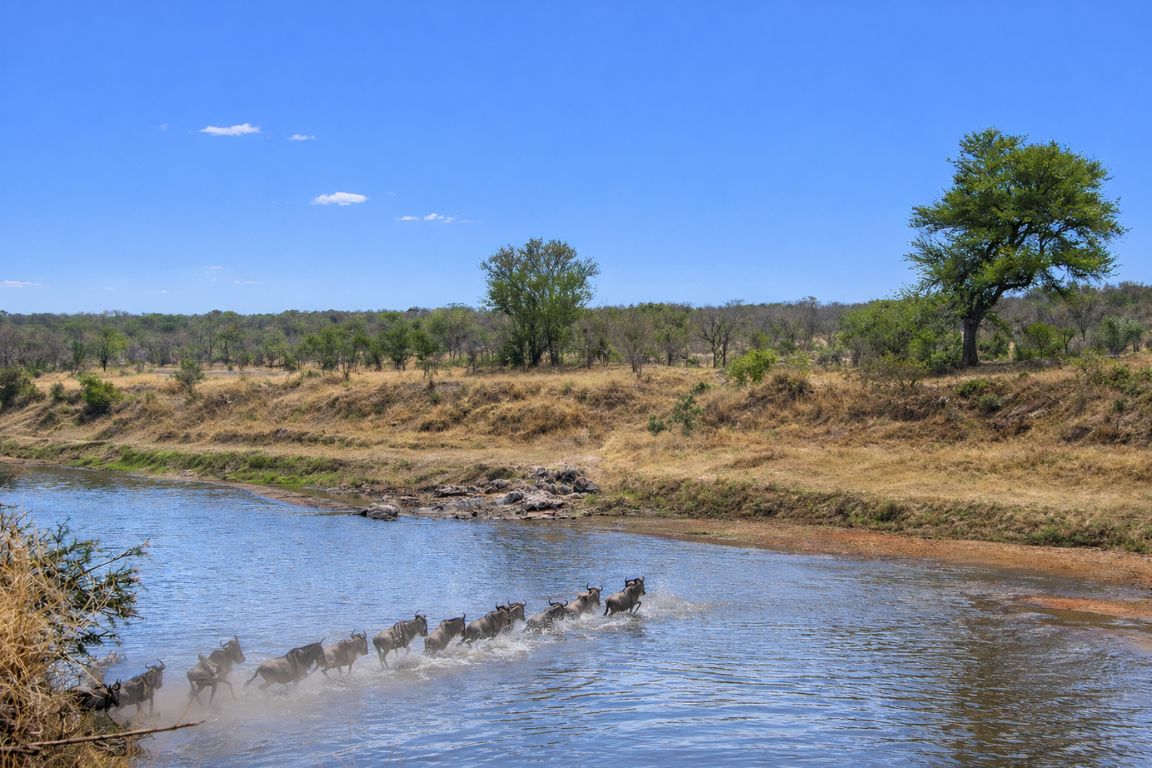 Expect to wait. That’s the honest answer. A crossing game drive typically means positioning your vehicle at a spot where herds are gathering on the bank – which can look imminent for hours before anything happens, or can explode within ten minutes of arrival. The experience is simultaneously the most dramatic thing most travelers have ever witnessed and the most logistically challenging to manage your expectations around.
Here’s what a typical day actually looks like. You leave camp before 6 AM because the morning light is best and the herds move more in the cooler hours. Your guide’s radio crackles with information from other guides about where animals are gathering. You drive – sometimes thirty minutes, sometimes ninety – to a position above the river where you can see both banks.
Then you wait.
The wildebeest don’t cross because you’re watching. They need a critical mass, the right bank geometry, and a single animal willing to go first. They’ll approach the edge, stare at the water, turn around, walk back fifty meters, turn around again. This hesitation loop can last hours. What you’re watching is tens of thousands of animals trying to vote on a collective decision with no mechanism for voting. Some mornings one brave animal steps off the bank and the rest follow in a wave within seconds. Other mornings the herd loses its nerve entirely and drifts away from the river.
When it happens, it’s unlike anything else. The sound arrives before the visuals catch up – hooves, splashing, the low grunt of thousands of animals under stress, then the crocodiles moving through the water with that awful smooth speed. Animals fall. Some drown. Others scramble up the far bank and just stand there looking stunned. The whole thing can last four minutes or forty-five. Either way, by the time it’s done, nobody in the vehicle is talking. You sit there for a few minutes in something close to silence.
One thing that disrupts crossings consistently: impatient drivers. When a herd is massing on the bank and a vehicle moves too close or starts its engine too early, the animals panic and retreat. We’ve seen crossings fall apart because of a single vehicle’s poor judgment. This is exactly why choosing an experienced, ethically-minded guide matters as much as timing. The guide who has been at this for fifteen years knows when to hold position and when to quietly reposition without disturbing the herd.
We’ve been coordinating migration safaris since 2012 and our guides have watched this behavior across hundreds of crossings. A 10-day Mara photographer safari is built around having enough mornings at the river.
How Does The Great Migration In Maasai Mara Compare To The Serengeti?
Both parks sit within the same ecosystem and experience the same migration – they’re separated by an international border, not by ecology. The core difference is this: the Mara delivers a more concentrated, accessible, higher-intensity experience during the July-October window. The Serengeti offers more time with the herds across more stages of the annual cycle. Neither is objectively better. They serve different travelers.
| Park size | 1,510 km² | 14,750 km² |
| Migration window | July-October (3-4 months) | Year-round, multiple stages |
| River crossings | Mara River (July-Oct northward; Oct-Nov southward return) | Grumeti River (June) + Mara River northern Serengeti side (Jul-Sep) |
| Wildlife density | Higher per km² due to compact size | Greater total numbers spread over more area |
| Crowd level during peak season | High in main reserve; lower in conservancies | Can be quieter in north; central areas more crowded |
| Night drives / walking safaris | Not permitted in main reserve; allowed in conservancies | Permitted in some areas |
| Entry fee (non-resident, peak) | USD $200 per 12 hours – Verified March 2026 | USD $70-$80 per day (KWS-managed areas) |
| Big cat density | Among highest in Africa – ideal for lion and cheetah sightings | Exceptional – especially Seronera and central plains |
| Logistics from Nairobi vs Arusha | 45-min charter flight from Nairobi | 1-hour flight from Kilimanjaro International via Arusha |
The honest take from our experience: if you have seven days and the Mara River crossing is the image in your head when you close your eyes, the Maasai Mara is the right choice. If you want to follow the full story – calving, the Grumeti crossing, the Mara crossing, the return south – and you have twelve to fourteen days, then a cross-border safari spanning both ecosystems rewards the investment significantly. Most travelers who do both say the combined experience is categorically different from either one alone.
One practical advantage the Mara has that rarely shows up in these comparisons: the reserve is compact enough that you can cover a lot of ground in a single game drive. In parts of the Serengeti, you can drive ninety minutes between sightings. The Mara’s smaller footprint means more of your time is spent watching and less time driving between things.
What Are The Biggest Mistakes Travelers Make When Planning A Migration Safari?
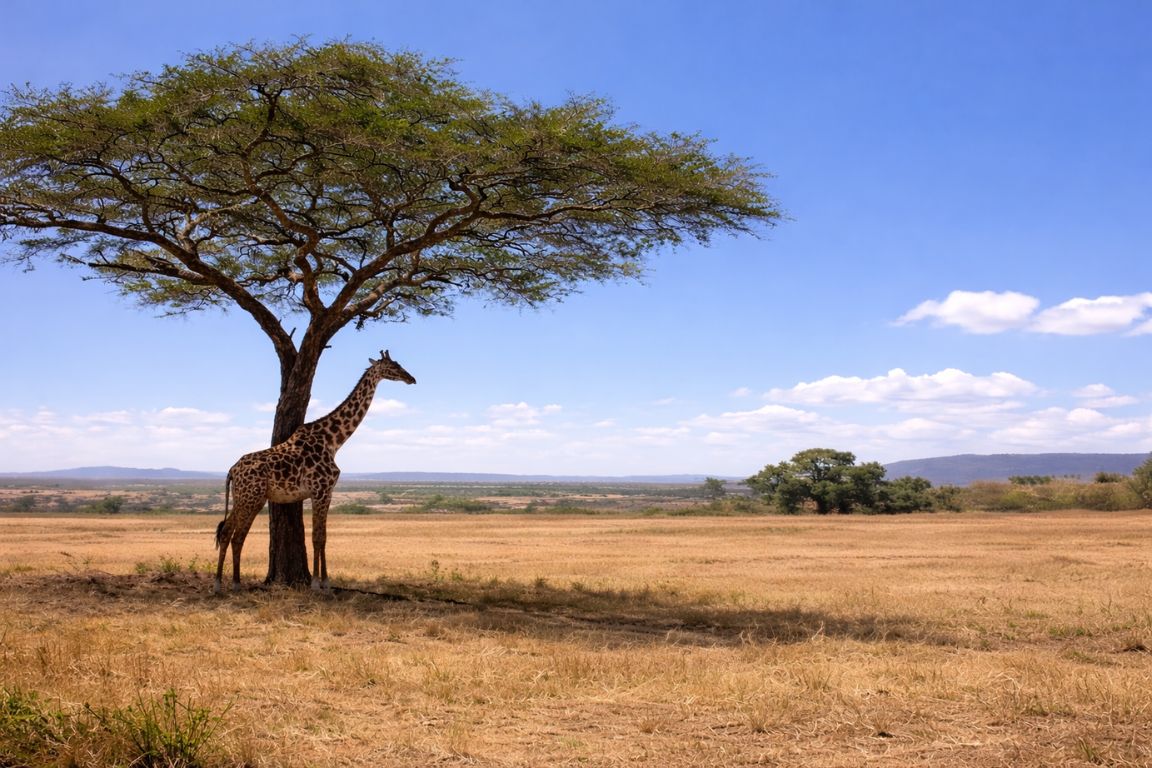 The most common failures come down to four things: booking too late, staying too few days, choosing the wrong camp location relative to the river, and treating the river crossing as the only reason to be here. Each of these is fixable at the planning stage, and each becomes expensive or impossible to fix once you’re on the ground.
Booking too late. Migration season accommodations in good camps along the Mara River fill up 8-12 months in advance. Not six weeks before your trip – a year. By the time most people start searching, the riverside camps that give you quick access to crossing points are gone. What’s left is either overpriced, poorly positioned, or both. If you’re thinking about July or August travel, start looking in October or November of the previous year.
Staying too few nights. Two or three nights is a common planning mistake. People think it’s enough to “check the box.” It’s not, and the travelers who leave after two days without seeing a crossing are almost universally disappointed – not because the Mara failed them, but because nobody was honest with them about how unpredictable the crossings are. Five nights is a reasonable floor. Seven is the number where most of our travelers feel they’ve had the full experience.
Staying in the wrong place. Some lodges and camps are an hour or more from the primary crossing zones. During migration season, an hour is the difference between arriving in position and arriving to an empty riverbank after the crossing already happened. The most dramatic crossing we’ve ever seen with a client group lasted eleven minutes. Camp location is not a luxury upgrade decision in August – it’s a strategic one.
Expecting it to look like the documentaries. Those BBC and National Geographic crossing sequences represent the best ten minutes from weeks or months of filming. The production teams sit at the river for days waiting for that shot. You get five to seven days. Understand that even a “failed” day at the river – where the herd masses, hesitates, and walks away – is still an extraordinary thing to witness. The Mara has lion kills, cheetah hunts, elephant families, enormous hippo pods, and some of the best birding on the continent happening around you. Travelers who arrive laser-focused on one crossing often miss the fact that they’re surrounded by something remarkable in every direction.
Skipping the conservancies. The main Maasai Mara National Reserve has rules that don’t apply in the private conservancies bordering it: no off-road driving, no night drives, no walking safaris. In 2025, crowding at the river crossing points inside the main reserve became genuinely problematic, with dozens of vehicles clustered at the same spots. The Mara North, Olare Motorogi, and Naboisho conservancies offer the same access to the migration with far fewer vehicles, the ability to go off-road, and activities the main reserve simply doesn’t allow. For a modern migration safari, the conservancy question deserves serious consideration.
Wondering how to pull it all together? Our guide on how to plan a Maasai Mara safari tours walks you through everything from Nairobi to your first game drive without any guesswork.
What We See From Our Travelers: Migration Safari Data
Across 2,500+ travelers guided through migration season since 2012, certain patterns show up consistently in what determines a successful trip versus a disappointing one. Here’s what our client data shows:
| Travelers who stayed 5+ nights and saw at least one river crossing | ~82% |
| Travelers who stayed 2-3 nights and saw at least one river crossing | ~38% |
| Most common month for sightings among our groups | August (crossings on 78% of days with groups at the river) |
| Travelers who rated the experience “life-changing” regardless of whether they saw a crossing | 91% |
| Most common regret reported post-trip | “I wish I’d stayed longer” |
| Travelers who combined conservancy + main reserve access | Consistently rate experience higher than main reserve only |
How Much Does A Great Migration Safari Cost And What’s Actually Worth The Price?
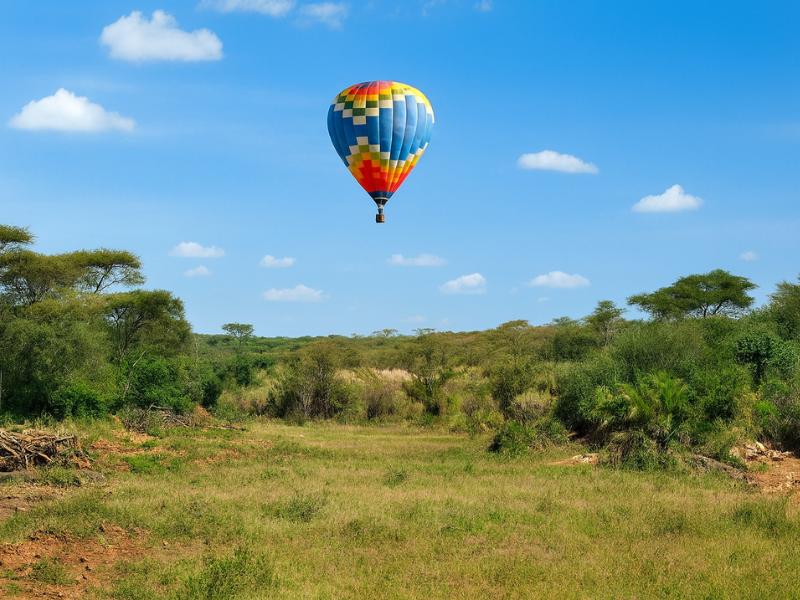
A migration safari budget has three main layers: park fees, accommodation, and transport to and within the Mara. Park entry runs USD $200 per adult per day during high season (July-December). Accommodation ranges from around $300 per person per night at solid mid-range tented camps to $800-$1,200+ at premium riverside lodges. Budget $3,500-$8,000 per person for a 7-night trip including flights from Nairobi, depending on accommodation tier. Verified March 2026.
| Park entry (non-resident adult, high season) | USD $200/day | USD $200/day | 12-hour ticket. Verified March 2026 |
| Conservancy fee (if applicable) | USD $60-$80/day | USD $100-$150/day | In addition to park entry. Verified March 2026 |
| Accommodation (per person, per night, all-inclusive) | $300-$500 | $600-$1,200+ | River proximity drives price significantly |
| Charter flight Nairobi (Wilson) to Mara airstrip | $200-$300 one-way | $300-$400 one-way | 45 min vs. 6-7 hour road transfer |
| Hot air balloon safari | USD $450-$550/person | USD $550-$650/person | Separate balloon landing fee of $80 applies in park. Verified March 2026 |
| Children 9-17 (park entry) | USD $50/day year-round | Children under 9: free entry. Verified March 2026 |
Where the money matters most: accommodation location and guide quality. We’ve watched travelers cut costs by booking a budget camp 90 minutes from the river and spend half their game drive time just getting into position. That math doesn’t work during peak season. The premium you pay to be riverside is paid back in multiple chances per day at the crossing points rather than one rushed attempt per morning.
The hot air balloon is worth serious consideration for one morning of your trip. Watching 200,000 wildebeest spread across the plains from 500 feet up, in the soft orange light right after dawn, is one of those images that doesn’t leave you. It’s not cheap. But it’s different from everything else the Mara offers and it completes the picture in a way nothing else does.
Book 8-12 months ahead for peak season. The best riverside camps at Mara North, Mara Triangle, and along the main river fill first. Leaving it until April or May for an August trip usually means choosing from whatever’s left.
Not sure about the budget? I’ve got Maasai Mara safari costs explained so you know exactly what you’re paying for and where operators hide their markups.
Frequently Asked Questions
Is a river crossing guaranteed during migration season?
No. Crossings are entirely unpredictable and depend on herd behavior, water levels, and conditions on both banks. Some travelers see a crossing within an hour of arriving at the river. Others wait four full days and leave without one. Staying 5-7 days substantially improves your odds.
Do I need to book a guided tour or can I self-drive in the Mara?
Self-driving is not permitted in the Maasai Mara National Reserve. All game drives must be conducted with a licensed guide in an appropriate safari vehicle. This applies to both the main reserve and most conservancies.
What’s the difference between the Mara Triangle and the main reserve?
The Mara Triangle is the western section of the ecosystem, managed separately by the Mara Conservancy. It has fewer vehicles, excellent river access, and some of the most reliable big cat sightings in the whole ecosystem. Entry fees are the same as the main reserve. If you’re choosing between camps on opposite sides of the river, the Triangle side generally offers a less crowded experience during peak season.
When does the southward return crossing happen?
The herds begin moving south again in October, typically completing their return crossing in the last two weeks of October through early November. These return crossings are quieter, less photographed, and significantly less crowded than the July-September peak.
Is it possible to see the migration from Tanzania instead of Kenya?
Yes. The northern Serengeti (Kogatende area) offers access to the same Mara River crossings from the Tanzanian side, typically in July through September. The Serengeti also has the calving season in January to March and the Grumeti River crossings in June – stages of the migration not visible from the Mara at all.
What should I wear and bring for a river crossing game drive?
Neutral or earth-toned clothing is standard for game drives. A wide-brimmed hat, sunscreen, and layers for the cold pre-dawn departures. For the river, binoculars make a significant difference – the crossings happen at distances where the naked eye misses detail. If you’re photographing, a 200mm lens minimum is worth the bag space.
Plan Your Migration Safari with Zara’s Team
Questions before you commit? A five-day small-group safari is a clear itinerary to measure against the 5–7 day stay this page recommends.
Written by Zara Akinyi Omondi
Kenyan tour guide since 2012 · Founder, Maasai Mara Safari Tours
Zara has guided over 2,500 travelers through Maasai Mara and Kenya’s premier safari destinations since founding the agency.