Best Time To Visit Maasai Mara
Best time for Maasai Mara? July-October brings river crossings but crowds. January-February offers calving and predators with lower fees. Here’s how to choose.
Booking Choice: Your month changes conditions more than the basic three-day route. Choose the season first, then use the booking module to check a verified itinerary for your dates. Explore Three-Day Shared Land Cruiser Safari
Last updated: March 11, 2026
| Peak Migration Window | Late July to September (river crossings peak August) |
| Best Value Season | January to February, May, November (low season pricing) |
| Avoid If Possible | April (peak rains, road closures, some camps closed) |
| Park Fees (Non-Resident) | $100/day (Jan-Jun), $200/day (Jul-Dec) – Prices verified March 2026 |
| Altitude Range | 1,500 to 1,900 meters (expect cool nights year-round) |
| Annual Rainfall | ~1,400mm (wettest: April, driest: July) |
Explore Three-Day Shared Land Cruiser Safari
When Is The Best Time To Visit Maasai Mara For The Great Migration?
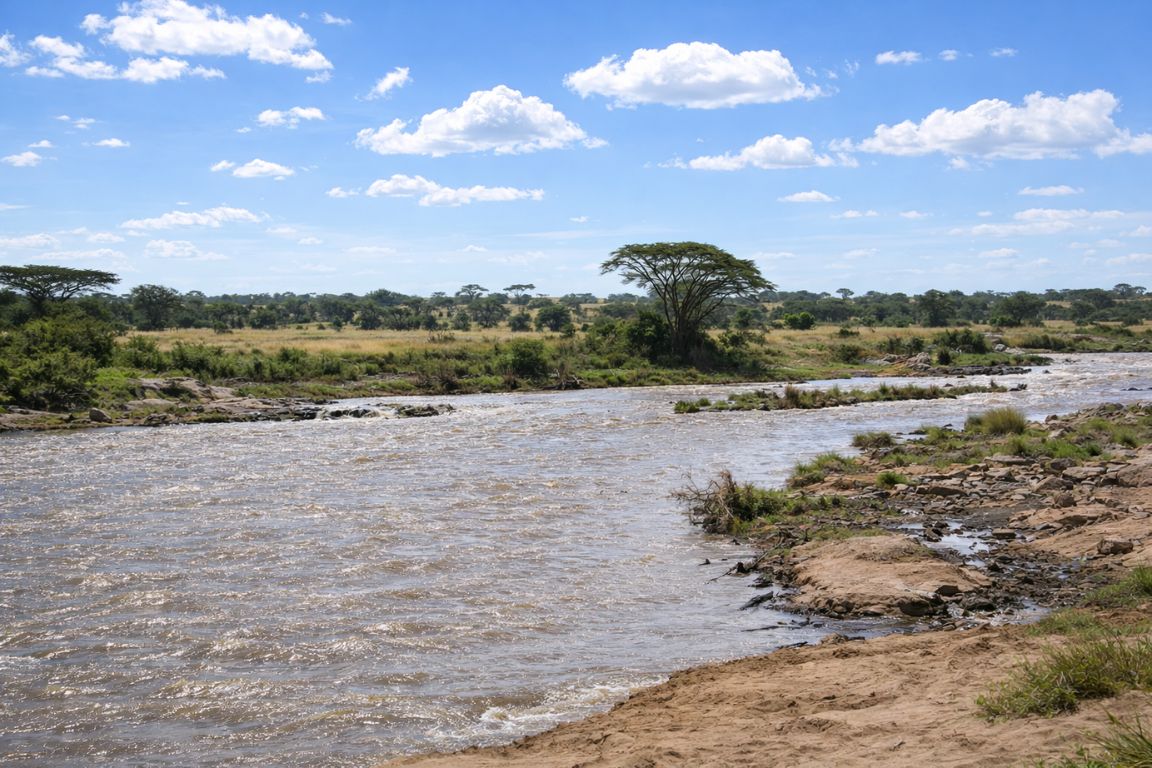
For the classic river crossing spectacle, July through October is your window. Peak action happens late July to September when massive herds gather at the Mara River. But if you want fewer safari vehicles and excellent predator activity without the crossing crowds, visit June or November. December to March offers lush green landscapes, newborn wildlife, and dramatic storm light.
The Mara River crossings are what the documentaries show you, the thousands of wildebeest plunging into brown water while crocodiles wait. That happens, but not on a schedule. The herds can stand on the riverbanks for hours, sometimes days, working up the nerve. You might sit in your vehicle from sunrise until noon and see nothing, then suddenly the entire plain erupts and 10,000 animals are in the water at once.
Late July is when the first major herds arrive from Tanzania’s Serengeti. By August, the concentration is at its heaviest. September sees continued crossings as animals move back and forth between the Mara and northern Serengeti, and by October they’re starting the slow drift back south. But here’s what the blogs don’t tell you: August also means 40 safari vehicles queued at Crossing Point 1, idling engines, dust everywhere, guides jockeying for position.
If you would rather not arrange a vehicle from Nairobi yourself, see the 2-day private Maasai Mara safari in a 4WD. A 3-day group safari from Nairobi covers game drives in the reserve without you arranging the vehicle.
June is underrated. The first scouts from the migration reach the Mara, but most safari operators haven’t switched to high season yet. You’ll pay $100 instead of $200 for park entry, accommodations are easier to book, and the resident wildlife is still concentrated around water sources. November works the same way in reverse. The migration is mostly gone, but big cats are still everywhere, and you’re paying low season rates again.
Want to time it perfectly? I’ve put together a complete Great Migration in Maasai Mara safari guide so you know exactly when the herds arrive and where the best river crossings happen.
What’s The Weather Like Month By Month In Maasai Mara?
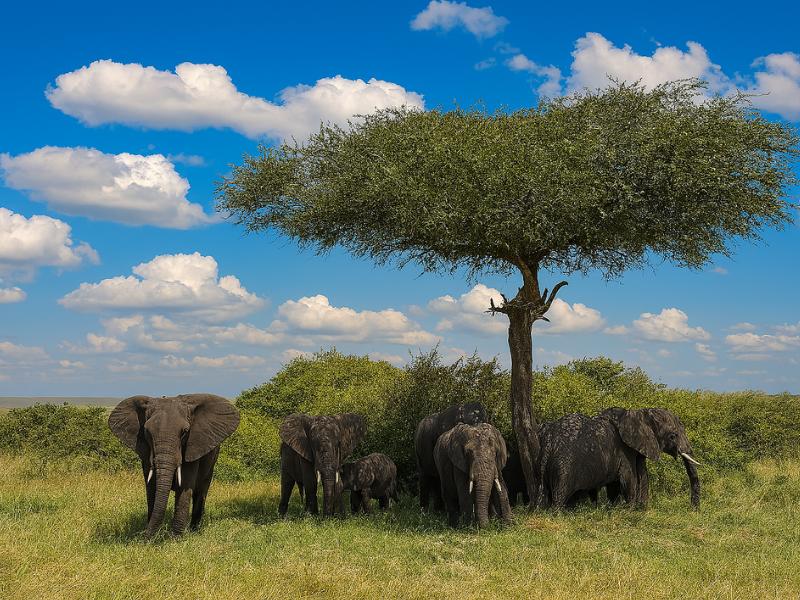
Maasai Mara sits at 1,500 to 1,900 meters altitude, so it’s cooler than you’d expect near the equator. Daytime temperatures hover around 25 to 28°C year round, but mornings drop to 10 to 14°C, especially June through August. April is the wettest month with heavy afternoon storms. July is the driest. Pack layers no matter when you visit.
The altitude is what catches people off guard. You’re expecting equatorial heat and instead you’re shivering on the 6 AM game drive, breath visible in the air, wishing you’d brought that second fleece. By 10 AM the sun is strong enough that you’re stripping down to a t-shirt. By 3 PM you’re looking for shade. Then the evening chill comes back and you’re layering up again for the sundowner.
Maasai Mara has two rainy seasons, but they’re not equal. The long rains run March to May, peaking in April with an average of 121mm spread across 22 rainy days. That’s not drizzle. That’s afternoon thunderstorms that turn tracks into rivers and close sections of the reserve. The short rains come November to December, lighter and less disruptive, often just an hour or two in the afternoon.
January: Calving Season Begins
January is warm and dry with daytime temperatures around 28°C and cool mornings at 14°C. Expect around 15 rainy days, but most are brief afternoon showers that don’t interfere with morning game drives. This is when herbivores start giving birth, thousands of wildebeest and gazelle calves appearing on the plains within a six-week window. The grass is still relatively short from the dry months, making it easier to spot wildlife.
Predators are active because vulnerable newborns mean easy hunting. We’ve watched cheetahs make multiple kills in a single morning during January. Lion prides position themselves near birthing areas. Migratory birds from Europe arrive in massive numbers, making this the best month for birdwatching. Park fees are $100, tourist numbers are low, and you’ll often have sightings to yourself.
February: Peak Calving and Predator Action
February continues the calving boom, with some reports of thousands of births per day at peak. Daytime temperatures climb to 29°C, mornings are around 13°C. Rainfall drops slightly compared to January, around 10 to 12 rainy days total. The grass stays short, visibility remains excellent, and the concentration of newborn prey drives intense predator behavior.
This is one of our favorite months. You get all the drama of life and death on the plains without the migration crowds. The light is exceptional for photography, with the rainy season providing dramatic cloud formations and that golden hour glow across green plains. February also tends to be slightly less crowded than January because it sits between Christmas holiday travelers and the spring break rush.
March: Long Rains Begin
March is transitional. Temperatures hover around 27°C during the day, 14°C at dawn. The long rains usually arrive around the third week of March, bringing 18 to 20 rainy days for the month. Early March can still be beautiful, with shorter grass and plenty of wildlife concentrated around permanent water sources. Late March is when things get wet.
The landscape starts greening up rapidly once the rains arrive. The grass grows noticeably taller each week. Wildlife begins to disperse because water is available everywhere, not just at rivers and watering holes. Road conditions start deteriorating. If you’re booking March, aim for the first two weeks. After that, you’re rolling the dice on when the heavy rains actually start, and climate patterns have become less predictable.
April: Wettest Month
April is tough. Temperatures drop slightly to 26°C during the day, but the defining feature is rain. An average of 121mm across 22 rainy days means regular afternoon storms, sometimes lasting hours. The black cotton soil turns into thick mud that even 4×4 vehicles struggle with. Tracks become impassable, some sections of the reserve close, and several lodges shut down for maintenance.
The grass is at maximum height in April, tall enough that you can lose sight of lions lying down 20 meters away. Small animals disappear entirely into the vegetation. Wildlife is dispersed across the entire ecosystem because food and water are abundant everywhere. That said, the Mara is spectacularly green, wildflowers bloom, and if you catch a break in the weather, the storm light is unmatched for photography. Just understand you’re trading predictability for solitude.
May: Rains Taper Off
May improves as the month progresses. Early May still sees regular rain, around 85mm for the month, but by late May conditions are drying out. Temperatures stay around 26°C during the day, 13°C at dawn. The grass is still tall from April’s growth, and the red oat grass in particular reaches heights that obscure smaller animals.
This is when we start seeing more adventurous photographers and return visitors who know the rains are ending. The landscape is lush, intensely green, and the plains are covered in seeding grasses that create a reddish hue across the savannah. Roads are improving but still muddy in places. Most lodges reopen by mid-May. Wildlife viewing is good but requires patience because animals are spread out and partially hidden in tall vegetation.
June: Dry Season Starts, First Migration Scouts
June marks the shift to dry season. Daytime temperatures drop to 25°C, mornings are cool at 12°C, and you’ll need warm layers for early game drives. Rainfall decreases to around 50mm for the month, mostly light showers. The grass starts drying out and shortening as water sources become scarcer. Wildlife begins concentrating around the Mara River and permanent watering holes.
This is when the first scouts from the Great Migration arrive from Tanzania. Not the massive herds yet, just advance groups testing the route. June is an underrated sweet spot because you get excellent wildlife viewing, improving conditions, fewer tourists than July onward, and you’re still paying the $100 park fee instead of $200. The predator-to-prey ratio is high, and sightings are strong.
July: Driest Month, Herds Arriving
July is the driest month of the year with only 11mm of rainfall spread across maybe 9 rainy days. Daytime temperatures stay around 25°C, but mornings are cold at 12°C, sometimes dropping below 10°C. This is when you absolutely need that warm jacket. The landscape is dry, dust becomes an issue, and the grass is short enough that visibility is maximum.
The migration herds start arriving in earnest. By mid to late July, you’ll see massive columns of wildebeest moving north toward the Mara River. The first dramatic river crossings often happen late July, though timing varies year to year depending on rainfall patterns in Tanzania. Park fees jump to $200 per day starting July 1st, and tourist numbers increase significantly. Book accommodations well in advance.
August: Peak Crossings, Busiest Month
August is when everything peaks. The bulk of the migration is in the Mara, river crossings happen frequently (though unpredictably), and tourist numbers are at their highest. Daytime temperatures warm slightly to 26°C, mornings stay cold at 12°C. Rainfall increases to around 35mm, occasionally disrupting a game drive but not significantly impacting road conditions.
This is the month everyone books for, and it delivers. On a good day, you’ll witness thousands of wildebeest plunging into the Mara River while crocodiles strike. Predators are everywhere, gorging on easy prey. The downside is congestion. Popular crossing points can see 40+ safari vehicles waiting for action. If you’re coming in August, stay in a private conservancy to escape the crowds, or accept that you’ll be sharing the spectacle.
September: Herds Spread Out, Continued Crossings
September maintains the migration presence but with slightly better crowd management as school holidays end in Europe. Temperatures rise to 27°C during the day, mornings at 12°C. Rainfall increases to around 45mm, occasionally bringing afternoon showers. The herds are spread across the Mara plains and continue crossing the river in both directions as they graze.
The advantage of September is that animals are more dispersed, so you’re not just queuing at crossing points. General game drives yield excellent sightings across different areas of the reserve. Predator activity remains high, vegetation is manageable, and while it’s still peak season pricing and crowds, it’s slightly less intense than August. Many of our repeat visitors prefer September to August for exactly this reason.
October: Return Migration Begins
October is transitional. Daytime temperatures climb to 27°C, and mornings warm up to 13°C. Rainfall increases to around 75mm as the short rains begin, usually arriving mid-month. The herds start their gradual migration back to Tanzania, crossing the Mara River southbound. These return crossings are less spectacular than the July-August northbound push but still impressive.
Tourist numbers drop compared to August and September, though you’re still paying high season rates through the month. Weather becomes more variable as the short rains approach. Wildlife viewing remains excellent because resident populations are augmented by migration stragglers. October is a solid choice if you want migration proximity without peak crowds, and you’re comfortable with occasional afternoon rain.
November: Short Rains, Green Season Returns
November brings the short rains, around 110mm across the month, but these are lighter and less disruptive than April’s long rains. Daytime temperatures are 27°C, mornings at 14°C. Rain typically arrives in the afternoon between 2 PM and 5 PM, clears within an hour or two, and leaves the landscape dramatically green.
The migration is gone, park fees drop back to $100, and tourist numbers plummet. This is one of the best value months. Predators are still everywhere, fat from three months of migration hunting and more visible because they’re relaxed. The grass starts growing again, birdwatching improves as residents begin breeding displays, and the plains transform from dusty brown to vibrant green. If you don’t need the migration and prefer solitude, November is exceptional.
December: Short Rains Continue, Festive Season
December sees the tail end of the short rains, around 85mm for the month. Temperatures stay around 27°C during the day, 14°C at dawn. The landscape is lush from November’s rain, wildlife is abundant, and conditions are generally good. The complication is the Christmas and New Year period, which sees a spike in domestic and international tourism.
If you’re visiting December, go early in the month (before the 20th) or after January 2nd to avoid the festive rush. During Christmas week, lodges fill up, prices spike to peak levels despite being low season otherwise, and popular areas see more vehicle traffic. Early December is quiet, affordable, and delivers excellent wildlife viewing with the added bonus of a green, photogenic landscape.
| January | 28°C | 14°C | ~60mm | Calving season begins, migratory birds arrive |
| February | 29°C | 13°C | ~55mm | Peak calving, predators hunting newborns |
| March | 27°C | 14°C | ~95mm | Long rains begin, landscape greening up |
| April | 26°C | 13°C | ~121mm | Wettest month, some camps closed, difficult roads |
| May | 26°C | 13°C | ~85mm | Rains taper off, grass at peak height |
| June | 25°C | 12°C | ~50mm | First migration scouts arrive, cooler nights |
| July | 25°C | 12°C | ~11mm | Driest month, herds gathering at river |
| August | 26°C | 12°C | ~35mm | Peak river crossings, busiest month |
| September | 27°C | 12°C | ~45mm | Herds spread across plains, continued crossings |
| October | 27°C | 13°C | ~75mm | Return crossings begin, short rains starting |
| November | 27°C | 14°C | ~110mm | Short rains, landscape lush again |
| December | 27°C | 14°C | ~85mm | Occasional afternoon showers, festive season |
July and August are when you need that warm jacket most. Early morning game drives start before sunrise, and the open-sided vehicles don’t hold heat. The wind cuts through a single fleece layer. We’ve seen travelers show up in shorts and tank tops in August, expecting Africa to be hot, then spend the first morning game drive wrapped in blankets the lodge provides.
Need month-specific details? I’ve put together a complete Maasai Mara safari tours by month guide so you know exactly what wildlife activity and weather to expect whenever you’re planning to go.
Should You Visit During Peak Season Or Low Season?
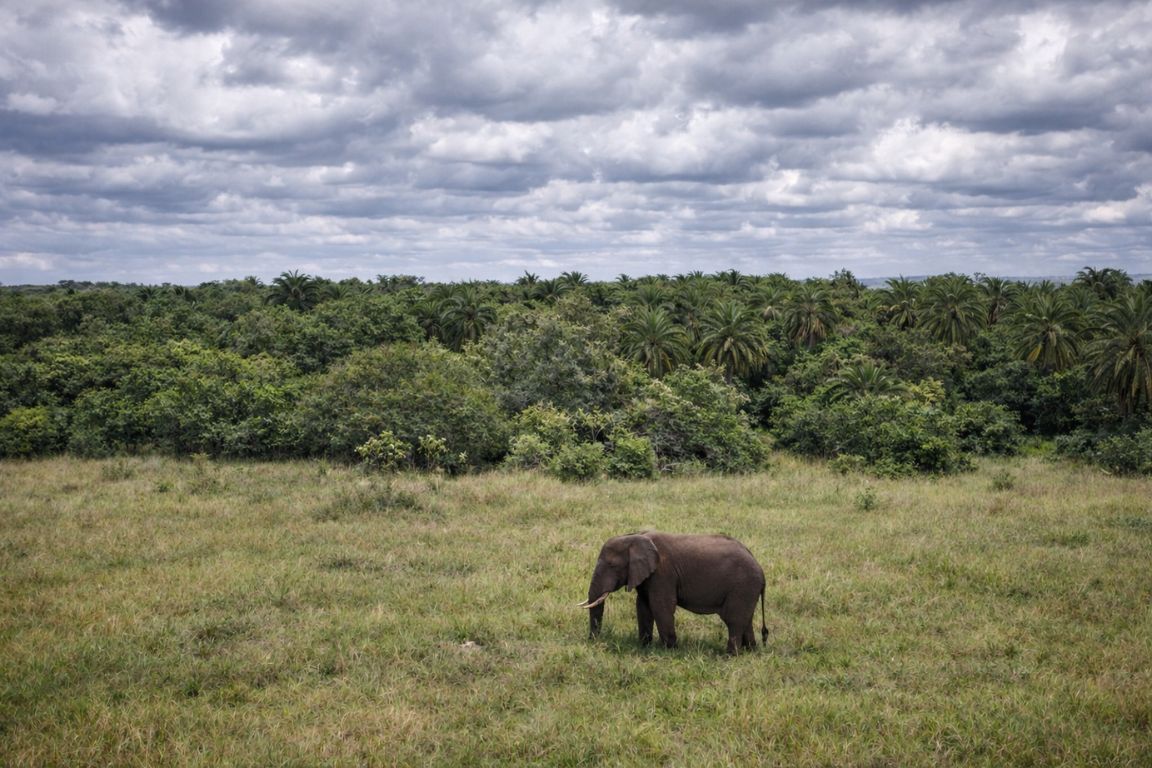 Peak season (July to October) delivers the migration and near-guaranteed Big Five sightings, but park fees double to $200 per day and popular areas can see 20+ vehicles at a single lion pride. Low season (November to May, excluding Easter) cuts costs in half, gives you empty plains to yourself, and still offers excellent resident wildlife including predators. The tradeoff is rain and taller grass.
The park fee structure changed in 2024 and it’s not subtle. January through June, you pay $100 per adult per day. July through December, it jumps to $200. That’s the official Narok County rate, not negotiable. For a couple on a 4-day safari, that’s an extra $800 just in park fees during high season. Add the accommodation markup (lodges charge 50 to 100% more July through October) and suddenly a trip that costs $3,500 in February is $6,000 in August.
But here’s the thing: you’re paying for density. Peak season concentrates both the wildlife and the tourists. At popular river crossing points like Crossing 1 and 2 in the main reserve, we’ve counted 40 vehicles waiting for action on busy August mornings. When a crossing happens, it’s spectacular, but you’re sharing it with 200 other people. Some of our travelers love that energy. Others find it breaks the spell.
The conservancies help. Olare Motorogi, Naboisho, Mara North, these private conservancies limit vehicle numbers and control density. You’ll still pay high season rates at the lodges inside them, but you won’t be in a traffic jam. During low season, the conservancies feel almost empty. You can track a leopard for an hour and never see another vehicle.
Low season wildlife isn’t a downgrade, it’s just different. January and February are calving season. Thousands of wildebeest, zebra, and gazelle give birth in a six-week window. The plains are dotted with wobbly-legged calves, which means every predator in the Mara is hunting. We’ve watched cheetahs make three kills in a single morning during February. The grass is shorter from the dry spell, visibility is excellent, and you’ll have most sightings to yourself.
The rains are the wildcard. March can be fine, April is usually tough, May is improving. November is unpredictable. You might get a week of sunshine with one afternoon storm, or you might hit a wet spell that makes some tracks impassable. If you’re flexible and don’t mind adjusting plans on the fly, low season delivers incredible value. If this is a once-in-a-lifetime trip and you need certainty, pay for peak season.
If you’re going specifically for the Big Five, here’s our breakdown of the Big Five in Maasai Mara safari so you set realistic expectations about each species.
Which Months Offer The Best Wildlife Viewing Outside Migration Season?
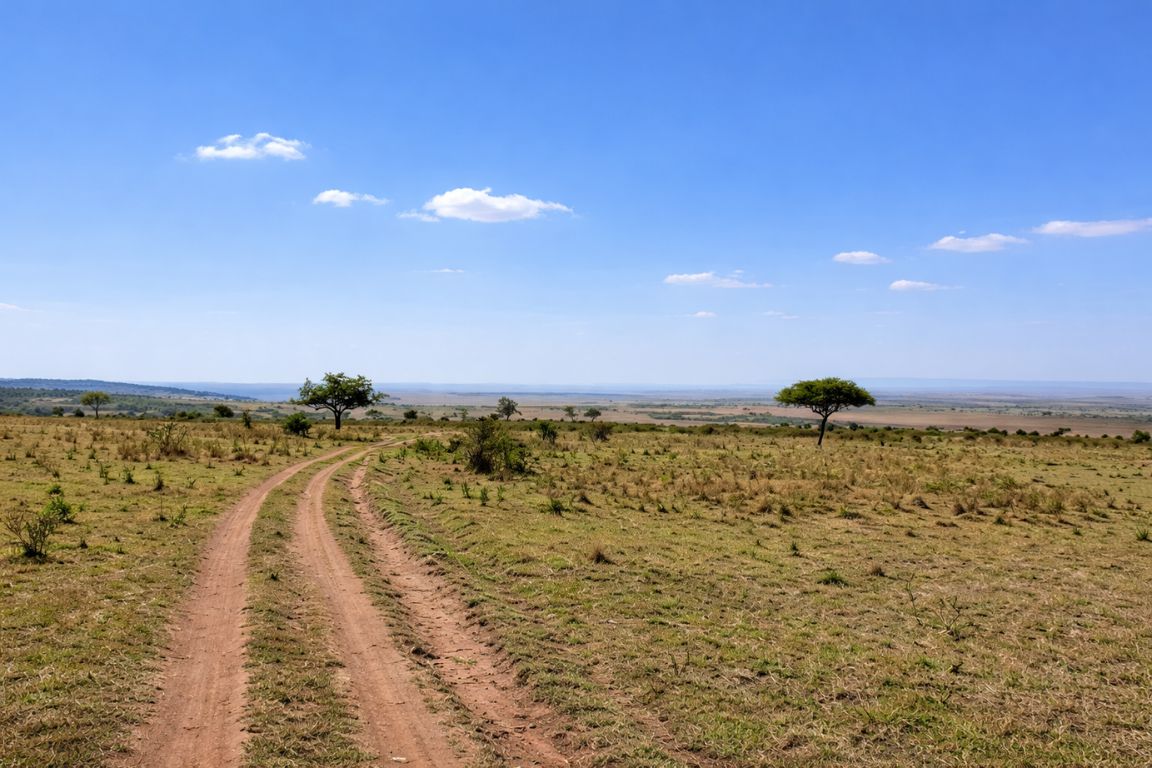 January through March and November through December give you strong resident populations of lions, leopards, elephants, buffalo, and cheetahs without migration crowds. January to February is calving season, attracting intense predator activity. The Mara’s resident wildlife density is high year round because of permanent water sources and protected conservancies.
The Mara Triangle and the conservancies support roughly 30% of Kenya’s lion population. They don’t leave when the migration does. Same with leopards, elephants, buffalo, the animals that make the Mara world-class don’t follow the wildebeest. The river sustains them year-round.
November is one of our favorite months for cats. The migration has left, tourist numbers drop by 70%, but the predators are still fat from three months of easy hunting. Lions are relaxed, visible, often sleeping in the open during midday. Leopards are bolder without the vehicle traffic. We’ve had guests spot five different leopards in a three-day November safari, all relaxed enough to stay visible for extended periods.
Birdwatching peaks November through March when European and North African migrants arrive. Over 500 species have been recorded in the Mara, and during the wet season the diversity explodes. If you’re into photography, the green season gives you dramatically different images than the classic dry savannah shots. Storm light, lush grass, animals against dark clouds, it’s visually richer even if it’s not what the documentaries show.
December gets busy around Christmas and New Year, so avoid that week if you want solitude. Early December and late December after the 28th are quieter. March is good until around the 20th when the heavy rains typically start.
How Do Seasonal Rains Affect Safari Conditions?
The long rains (March to May, peaking in April) can make roads slippery and some tracks impassable even in 4×4 vehicles. Grass grows tall enough to obscure smaller animals, and wildlife disperses from concentrated water points. The short rains (November to December) are lighter, usually just afternoon showers that clear within an hour or two, and rarely disrupt game drives.
April is the month we honestly tell people to avoid unless they have a specific reason. The rain isn’t the problem by itself, it’s the cumulative effect. Three weeks of daily storms turn the black cotton soil into something with the consistency of axle grease. Tracks that were fine in March become impassable ruts. Some lodges and camps close for maintenance, especially smaller properties that can’t justify staying open for low occupancy.
We’ve guided through April and seen incredible things. The plains turn electric green, flowers bloom everywhere, the air smells like wet earth instead of dust. But we’ve also spent entire mornings stuck because a track washed out overnight, or had to reroute around a section of the reserve that became a temporary swamp. If you’re okay with that uncertainty, April can work. If you need predictability, skip it.
May is transitional. Early May still gets rain but less intense, late May is usually drying out. The grass is at maximum height in May, the red oat grass in particular grows tall enough that you can lose sight of a lion 30 meters away if it’s lying down. Elephants, giraffes, anything tall, you’ll see them fine. Thomson’s gazelles, young wildebeest, smaller cats, they vanish into the grass.
The short rains in November are manageable. They usually start mid-month, arrive in the afternoon between 2 and 5 PM, dump for 45 minutes to two hours, then clear. Roads drain faster than in April because the soil hasn’t been saturated for weeks. Most game drives run morning and late afternoon anyway, so you’re often back at camp before the rain starts. We’ve had guests barely notice the short rains beyond some dramatic cloud formations.
What nobody mentions: rain brings out the frogs, which brings out the birds, which brings out the small cats hunting birds. After a good storm, the ecosystem wakes up in ways you don’t see during the dry months. If you’re a photographer, storm light is unmatched.
What Are The Cost Differences Between High And Low Season?
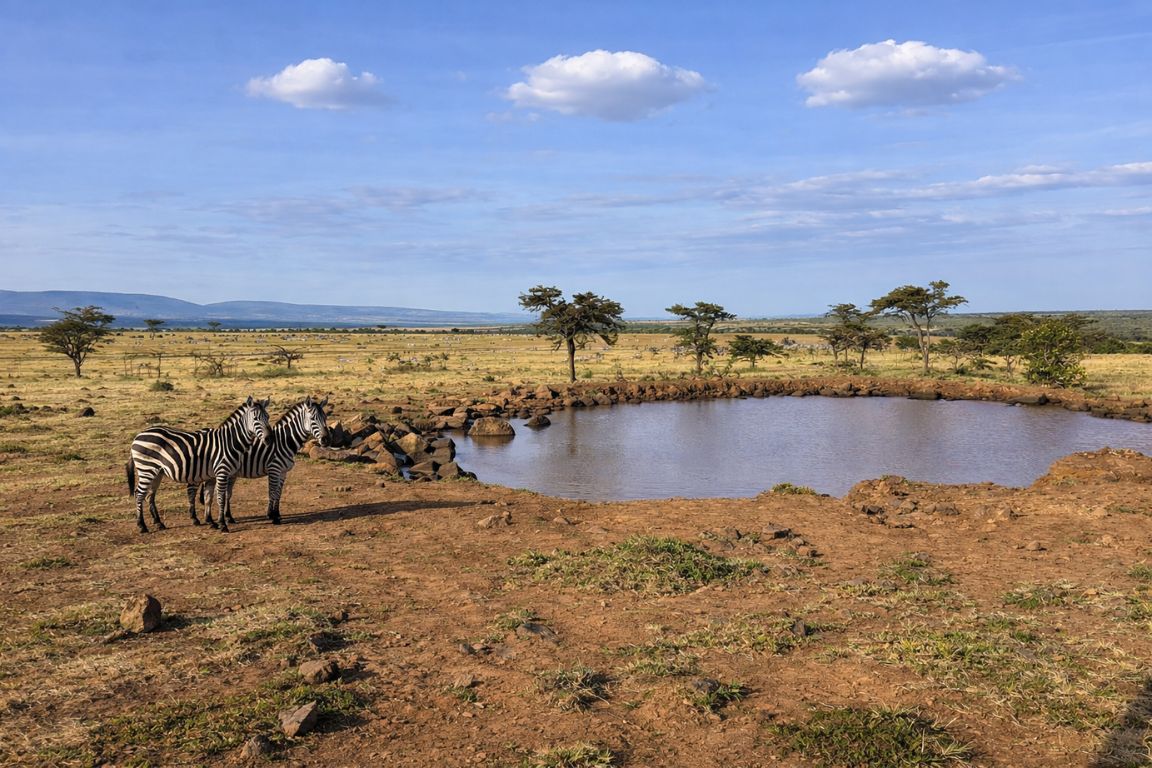 Park fees double from $100 to $200 per adult per day in high season (July to December). Lodge and camp rates typically increase 50 to 100% during the same period. A budget safari averaging $300 per person per day in February can jump to $500 to $600 in August. Private conservancy lodges charge premium rates year round but offer deeper low season discounts.
| Park Entry Fee (adult) | $100 per day | $200 per day |
| Park Entry Fee (child 9-17) | $50 per day | $50 per day |
| Vehicle Entry (safari 4×4) | ~KSh 1,000 per day | ~KSh 1,000 per day |
| Typical Lodge Rate | $250-400/night | $400-700/night |
| Conservancy Lodge Rate | $500-800/night | $800-1,200/night |
| Balloon Safari | $450-500/person | $450-500/person |
Prices verified March 2026. Rates are approximate and vary by property.
Those park fees hit differently when you’re planning a family trip. Two adults and two kids (ages 10 and 12) for four days in August: that’s $1,800 in park fees alone. Same family in March pays $900. The difference funds a hot air balloon safari or an extra night at camp.
Budget operators feel the squeeze hardest. They operate on thin margins and can’t absorb the fee increase, so they pass it directly to clients. Mid-range and luxury operators have more flexibility, often bundling costs so the sticker shock is less obvious, but you’re still paying.
Here’s where it gets interesting: conservancy fees are separate from reserve fees and they don’t double seasonally. Private conservancies like Olare Motorogi or Naboisho charge $80 to $120 per person per day year round. If you stay in a conservancy and only do occasional day trips into the main reserve, you reduce your exposure to the seasonal fee jump. Some of our most cost-conscious travelers in August stay in conservancy camps and limit reserve visits to one or two days specifically for river crossing attempts.
Shoulder months (June and November) sometimes see lodges offer early booking discounts or last-minute deals, especially if occupancy is soft. April and May get deep discounts, sometimes 40% off published rates, because lodges would rather have rooms occupied at a discount than sitting empty.
We’ve got Maasai Mara safari costs explained in detail because safari pricing is deliberately confusing and knowing what’s included makes a huge difference.
When Should You Avoid Visiting Maasai Mara?
April is the hardest month. Heavy daily rains, muddy roads, some camps closed, tall grass obscuring wildlife, and genuine risk of getting stuck or having to cancel game drives. Late March and early May can be fine depending on when the rains actually arrive and taper off. Easter week (whenever it falls) sees a spike in domestic tourism even during low season.
We don’t refuse to book April safaris, but we’re honest about what you’re signing up for. If rain makes you miserable, if you need every game drive to go as planned, if mud and detours will ruin your trip, choose a different month. If you’re flexible and understand you’re trading predictability for solitude and cost savings, April can deliver.
The other time to potentially avoid: Christmas week through New Year. Not because of weather or wildlife, but because lodges fill up with Kenyan families on holiday and European winter escapees. Prices spike, availability drops, and popular areas in the reserve see more vehicles than August. If you want the low season experience, visit December 1st through 20th or skip straight to early January.
Late March is a judgment call. The long rains usually start around the 20th but climate patterns are less predictable now than they were a decade ago. We’ve seen March stay dry into the final week, and we’ve seen heavy storms start March 15th. If you’re booking for late March, have a backup plan or accept some uncertainty.
How Far In Advance Should You Book For Each Season?
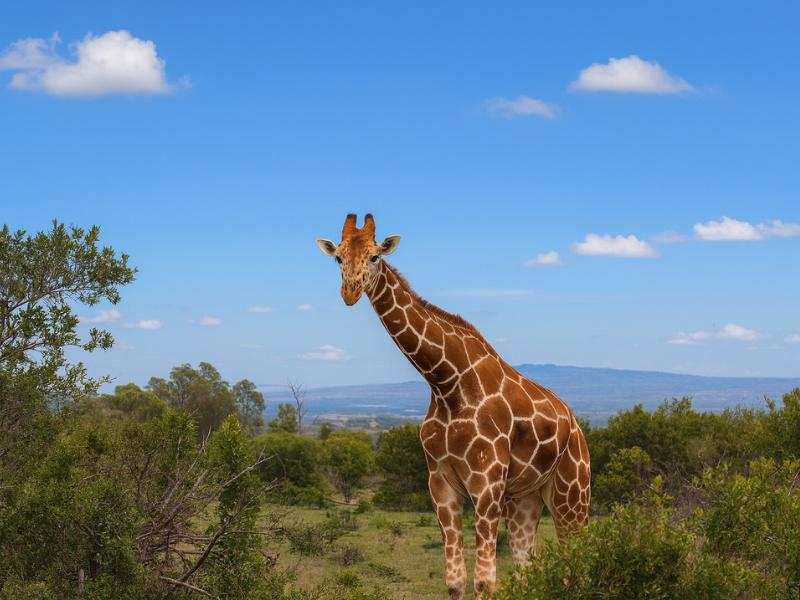
For high season travel (July to October), book 6 to 9 months ahead to secure preferred lodges and camps, especially inside conservancies with limited room inventory. Budget operators can sometimes accommodate shorter notice, but expect limited vehicle and guide availability. Low season bookings can often be made 2 to 3 months out, sometimes with last-minute deals for April and May.
August is the booking bottleneck. The best conservancy camps, the ones that limit vehicles and guarantee you won’t be in a convoy, fill up by February or March for the following August. If you’re set on Rekero or Angama or any of the small high-end properties during peak migration, you’re competing with people who book a full year ahead and return annually.
Questions before you commit? The 3-day Maasai Mara game drive safari page lists inclusions, duration and current dates.
June and November are easier. Three months ahead is usually sufficient, sometimes less. January and February get booked by Europeans escaping winter, so 3 to 4 months is smart. March, April, May, you can sometimes walk in with two weeks’ notice, but vehicle availability becomes the constraint, not rooms.
If you’re traveling over Christmas or New Year, treat it like August. Book early, expect premium pricing, accept that availability will be tight.
Not sure where to stay? I’ve compared the best safari camps in Maasai Mara safari tours so you know which ones deliver on location, guides, and overall experience.
What Do Our Travelers Actually Choose?
| January-February | 18% | Calving season, budget-conscious, European winter escape |
| March | 6% | Shoulder pricing, flexible schedule |
| April-May | 4% | Deep discounts, photographers, return visitors |
| June | 11% | Early migration, lower fees, fewer crowds |
| July-August | 38% | Peak river crossings, school holidays, first-time visitors |
| September-October | 16% | Late migration, good weather, slightly less crowded |
| November | 5% | Value pricing, predator watching, short rains acceptable |
| December | 2% | Christmas holiday, avoiding northern winter |
Data based on 412 travelers we guided in 2025 across all booking channels.
That July-August number tells you everything. Nearly 40% of our travelers accept the higher costs and crowds because they want the migration guarantee. But notice that 44% of our bookings fall outside migration season entirely. Those travelers are repeat visitors who’ve already seen the crossings, photographers chasing different light, budget travelers maximizing value, or people who just prefer emptier landscapes.
The 4% who choose April and May? Mostly photographers and returnees who know exactly what they’re getting. They want the green, they want the solitude, and they’re comfortable with uncertainty. First-time visitors almost never choose April.
What Trips People Up When Choosing Travel Dates
The biggest mistake we see is booking August because “that’s when you’re supposed to go” without understanding the tradeoffs. August delivers, but if your budget is tight or you hate crowds, it might not be the right August for you.
Second mistake: underestimating the cold. People pack for equatorial Africa and freeze on morning game drives. The Mara’s altitude means 10°C mornings are normal June through August. Bring warm layers, not just one fleece.
Third: assuming April will be fine because “how bad can rain be?” Bad enough that you spend a morning trapped at a lodge because the access road washed out. Bad enough that tall grass means you drive past three lions without seeing them. If you book April, do it with your eyes open.
Fourth: not factoring in the park fee structure when budgeting. That $100 difference per person per day adds up faster than people expect, especially for families. A four-person household on a four-day safari pays $1,600 more in high season just for entry. That’s not a rounding error.
Fifth: booking last minute for high season and ending up in subpar camps because the good ones are full. The best conservancy properties book 6-plus months out. If you’re planning August and it’s already June, your options narrow considerably.
If you would rather not assemble the pieces yourself, start with a 3-day Maasai Mara game drive safari that already bundles transfers and lodge nights. We’ll tell you honestly which months work for your priorities.
Frequently Asked Questions
Can you see wildlife year-round in Maasai Mara?
Yes. The Mara has strong resident populations of lions, leopards, elephants, buffalo, cheetahs, hyenas, and plains game year-round. The migration is seasonal (July to October), but wildlife viewing is excellent every month. January through March offers calving season and intense predator action. November through December delivers green landscapes and migratory birds.
Is November a good time to visit despite being rainy season?
November is underrated. The short rains are lighter than April’s long rains, usually just afternoon showers. Wildlife is still abundant, park fees drop back to $100, and tourist numbers are low. It’s particularly good for predator watching and bird photography. Just pack a rain jacket.
How much does a Maasai Mara safari cost on average?
Budget safaris run $250 to $400 per person per day in low season, $400 to $600 in high season. Mid-range safaris average $500 to $800 low season, $700 to $1,200 high season. Luxury conservancy experiences start around $800 and can exceed $2,000 per person per day. Park fees, accommodation, meals, and game drives are typically included. Balloon safaris and tips are extra.
What’s the difference between the reserve and the conservancies?
Maasai Mara National Reserve is government-managed, allows unlimited vehicles, and charges the seasonal park fees ($100 or $200). Private conservancies like Olare Motorogi, Naboisho, and Mara North are community-owned, limit vehicle numbers per sighting (usually 5 maximum), charge separate conservancy fees ($80-120 per day year-round), and offer activities like walking safaris and night drives not allowed in the reserve.
Do I need malaria medication for Maasai Mara?
Yes. Maasai Mara is in a malaria zone year-round. Consult a travel medicine specialist about prophylaxis. Mosquito activity is higher during rainy seasons (March to May, November to December) but present year-round. Bring insect repellent regardless of when you visit.
How long should I spend in Maasai Mara?
Minimum three nights, ideally four to five. This allows 8 to 10 game drives, enough time to cover different areas of the reserve or conservancy and increase your chances of diverse sightings. Two nights feels rushed. More than six nights works if you’re combining multiple conservancies or doing intensive photography work.
A practical next step is to check dates on the 3-day Maasai Mara game drive safari from Nairobi. We’ll match your travel dates to your priorities, book before the best camps fill up, and position you for the experiences you actually want, not the ones the guidebooks say you should want.
Written by Zara Akinyi Omondi
Kenyan tour guide since 2012 · Founder, Maasai Mara Safari Tours
Zara has guided over 2,500 travelers through Maasai Mara and Kenya’s premier safari destinations since founding the agency.