Maasai Mara By Month Guide
Best time for Maasai Mara? July-Oct for migration, Jan-Feb for predator action, and Sept-Oct for crossings with fewer crowds.
Booking Choice: Choose the month for the experience you want, then compare a real departure rather than treating a season as a guarantee. Explore Private Three-Day Mara Safari At Sopa Lodge
Last updated: March 11, 2026
The migration window (July to October) is exceptional but crowded and expensive. January and February give you calving season, dramatic predator activity, and low-season prices. April and May are the only months where access genuinely becomes difficult. September and October are the secret: migration crossings still happening, crowds already thinning, and first-choice camps suddenly available again. The Mara has no bad month, only tradeoffs.
Explore Private Three-Day Mara Safari At Sopa Lodge
Maasai Mara Quick Reference: Month-by-Month At A Glance
Before the detail: here is the full calendar in one place. Season labels matter less than specifics, so this table gives you the four variables that actually affect your trip.
| January | Dry / transition | Calving, predators, resident Big Five | Low | Budget-friendly | Good |
| February | Dry / transition | Peak calving, big cat activity | Low | Budget-friendly | Good |
| March | Long rains beginning | Newborns, green photography, birds | Very low | Low | Mostly good, some mud |
| April | Long rains peak | Green season, resident game only | Minimal | Lowest of year | Challenging, some routes closed |
| May | Long rains easing | Green season, lush landscape | Minimal | Lowest of year | Improving through month |
| June | Dry season begins | First migration herds arriving | Low-moderate | Mid-range | Good |
| July | Peak dry season | Migration crossings begin, Big Five | High | Peak pricing | Excellent |
| August | Peak dry season | Crossings at maximum frequency | Highest of year | Peak pricing | Excellent |
| September | Peak dry season | Crossings continuing, crowds easing | Moderate-high | Peak pricing | Excellent |
| October | Dry / short rains approaching | Migration lingering, thinning crowds | Moderate | Mid-range | Very good |
| November | Short rains | Birds, calving begins, green landscapes | Low | Low | Good (afternoon showers only) |
| December | Short rains, festive period | Green season wildlife, resident Big Five | Low (except holidays) | Low-mid (festive spike) | Good |
Which Month Is Actually Best For Your Specific Goals?
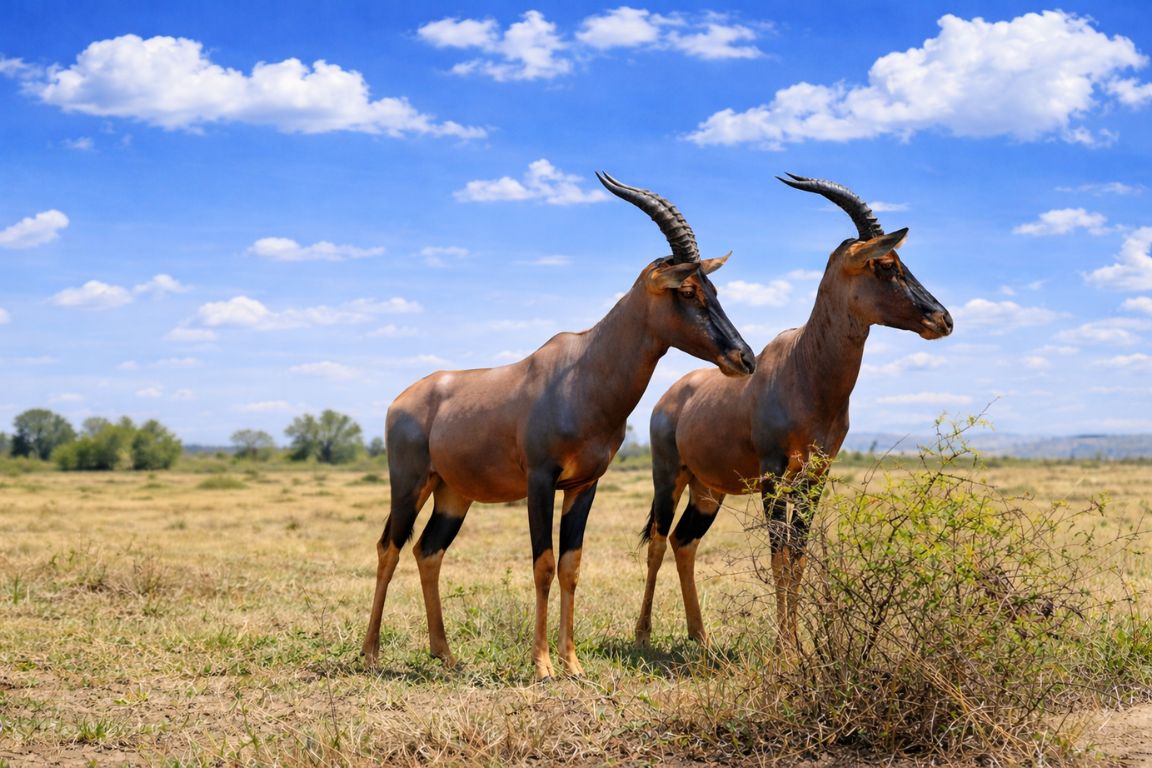 There is no single best month, but there is a best month for you. Migration chasers need July to October, with August delivering the most river crossings. Budget-conscious travelers and photographers who prefer empty plains should target January, February, or November. Families with school schedules often land in peak season and still have extraordinary trips. The only months worth genuine caution are April and May, when road conditions and lodge closures limit access.
The question most travelers actually need answered is not “when is the Mara best” but “what do I want most, and what am I willing to trade for it.” Those are different questions.
If witnessing river crossings is your primary reason for going, July to September is the answer and there is no meaningful substitute. But if you want extraordinary big cat encounters, dramatic skies, and camps almost entirely to yourself, January and February deliver that in a way peak season simply cannot. The herds will not be crossing, but the resident lion population is dense, calving season is in full swing, and you will often spend an entire game drive without seeing another vehicle.
September and October are the months we consistently recommend to experienced safari travelers who ask us what we would pick for ourselves. The migration is still present. The crossings still happen. And the crowds that made July and August feel chaotic have mostly gone home.
Planning ahead? Our guide to the best time to visit Maasai Mara safari tours breaks down migration season versus green season and what you’ll actually see each month.
What Are January And February Actually Like On Safari?
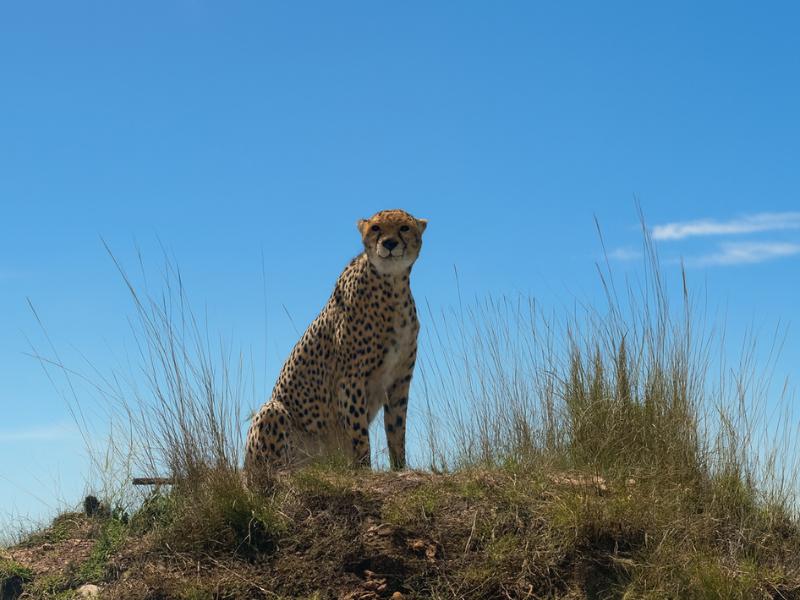
January and February sit in a dry window between the short rains and the long rains. Daytime temperatures reach 28 to 29°C, mornings are cool and clear, and the resident wildlife is some of the most active you will see all year. Calving season draws predators into a constant cycle of hunting, and the grass is short enough to watch it all unfold. Park fees are USD 100 per day and camp rates are at their lowest annual levels.
January
We call January “lion season” inside the team. The big cats are at their most visible, drawn in by wildebeest and zebra calves hitting the ground at a fast rate. On a typical morning drive you might see two separate hunts before the sun is fully up. The landscape is lush and green from the recent short rains, which makes for dramatic photography. Brief afternoon showers are possible but rarely affect the morning or late afternoon drives. Daytime highs around 28°C, with cool mornings that require a warm layer for the early start.
The park entry fee is USD 100 per adult per day, and first-choice camps that book 12 to 18 months ahead during migration season often have openings with 3 to 4 months’ notice. Migratory birds from Europe and northern Africa are present and overlapping with breeding resident species, making January one of the strongest birdwatching months of the year.
February
February is arguably the most underrated month in the calendar. Calving is at its absolute peak, cheetahs and leopards are working overtime on vulnerable prey, and the Mara is almost empty of other vehicles. Rainfall drops to 10 to 12 days on average and almost always arrives in the afternoon, leaving mornings clear. Mid-range camp rates can be 30 to 40% below their August equivalents.
The grass has begun to shorten in patches by mid-February, improving visibility for predator sightings. Daytime temperatures reach 29°C. February is also when some of the most striking predator-prey sequences of the year happen on the open plains, and without the August crowds, you get them almost entirely to yourself.
Should You Visit During The Long Rains (March And April)?
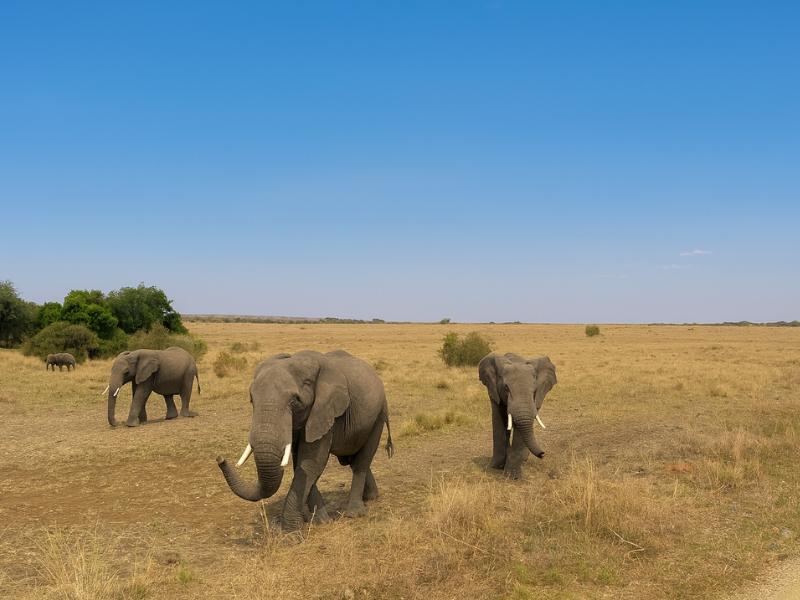
March is workable; April is genuinely difficult. March brings increasing afternoon rain, very few tourists, and a landscape dramatically green and alive with newborns. Game viewing is actually good and rates are low. April is the wettest month of the year, with some tracks becoming impassable and several camps closing entirely. The travelers who thrive in this period are photographers who want dramatic skies and empty plains, not first-timers chasing the Big Five.
March
The rains are building but not yet dominant in March. Morning drives are usually clear. The plains are lush, hippos are calving, predators are active, and migratory birds are still present before departing for their northern breeding grounds. You will see almost nobody else. The emotional experience of watching a lion family in early morning fog with no other vehicles in sight is something money cannot buy in August.
March is when some of the most striking images we have seen come back from clients: storm light over open plains, rainbows over elephant herds, the deep greens of a landscape at its most saturated. Rainfall averages around 18 to 20 rainy days but showers are usually afternoon events. Daytime highs around 27°C. Road conditions are mostly good with occasional mud in lower sectors.
April
April is honest about what it is. Average rainfall hits around 121 mm over roughly 22 rainy days, making it the wettest month of the year. Roads inside the reserve can become muddy and in some sections impassable without a serious 4×4. Some lodges close entirely in April, not because the wildlife disappears but because operating costs exceed revenue at the visitor numbers they see.
If you understand what you are getting, the value is real. Park fees are USD 100 per day, accommodation rates are at their lowest of the year, and the resident Big Five is still present and active. If you are expecting dry plains and migration crowds, you will be disappointed. April suits a specific kind of traveler: one who wants the Mara almost entirely to themselves and does not mind planning around the conditions.
Wondering what you’ll actually see? Check out our guide on the Big Five in Maasai Mara safari – some are practically guaranteed while others remain elusive.
What Makes May And June Worth Considering?
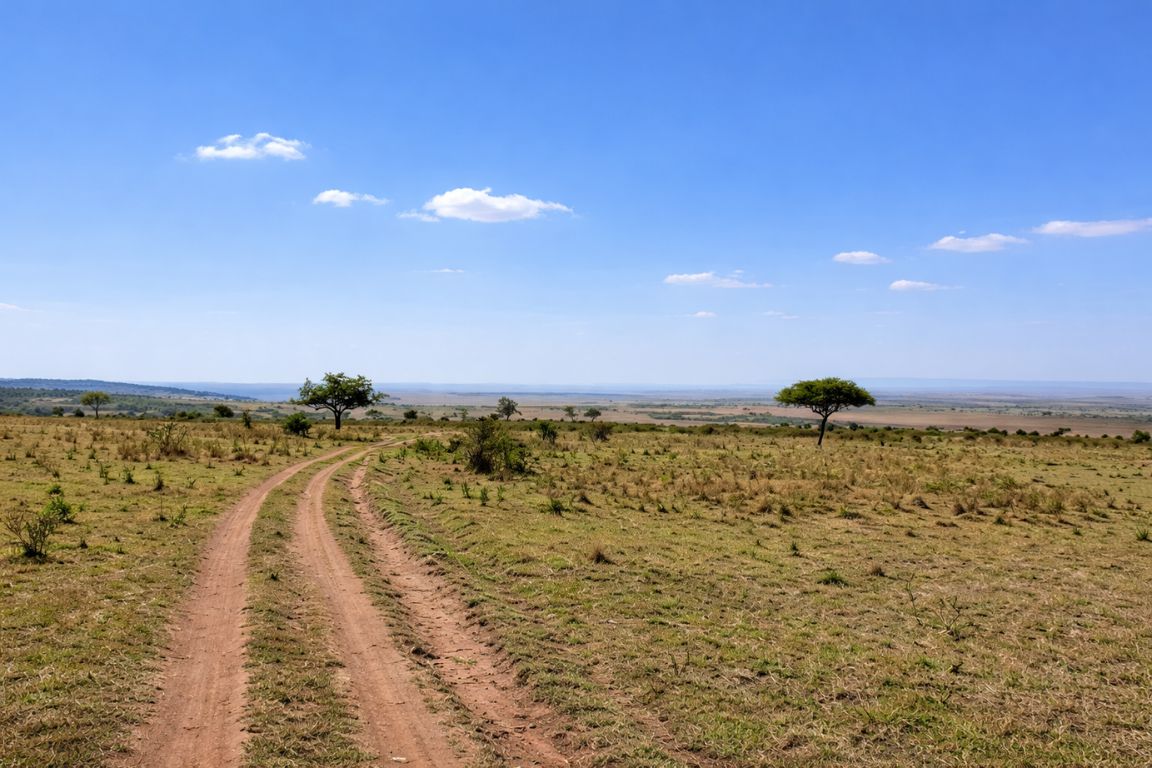 May is the tail end of the long rains, with conditions improving week by week. June marks the start of the dry season, the return of good roads, and the first advance herds of wildebeest beginning to move toward the Mara from Tanzania. June is genuinely underrated: the landscape is still green from the rains, the migration is building, and the crowds and prices of peak season have not yet arrived.
May
The first two weeks of May can still be slow and muddy, particularly in the eastern sectors near Talek. By late May, conditions are improving noticeably and the landscape is beautiful. The cheapest rates of the year are still in effect, and some travelers with flexible schedules deliberately target late May arrivals to catch the green landscape just before it dries out. Wildlife is active and abundant. Daytime temperatures around 25°C with cool nights.
June
June is one of those months we find ourselves recommending more and more to travelers who have flexibility. The dry season has technically begun. Road conditions are good. The first large wildebeest herds are starting their push north from the Serengeti, and some years early June arrivals are already grazing in the Mara Triangle. The grass is still green from the rains, which creates a visual combination you do not get in August, when everything has been grazed short and the landscape has gone golden and dry.
The park entry fee is still USD 100 per adult per day through the end of June. On July 1, it doubles to USD 200. That single calendar date makes late June a genuine sweet spot: dry season conditions, reasonable prices, building migration activity, and camps that are not yet competing for availability. Temperatures average around 24°C during the day with notably cool mornings and evenings.
If you need to book a June departure, this 3-day Maasai Mara game drive from Nairobi lists current dates, lodge options, and what is included.
Is Peak Season (July And August) Worth The Cost And Crowds?
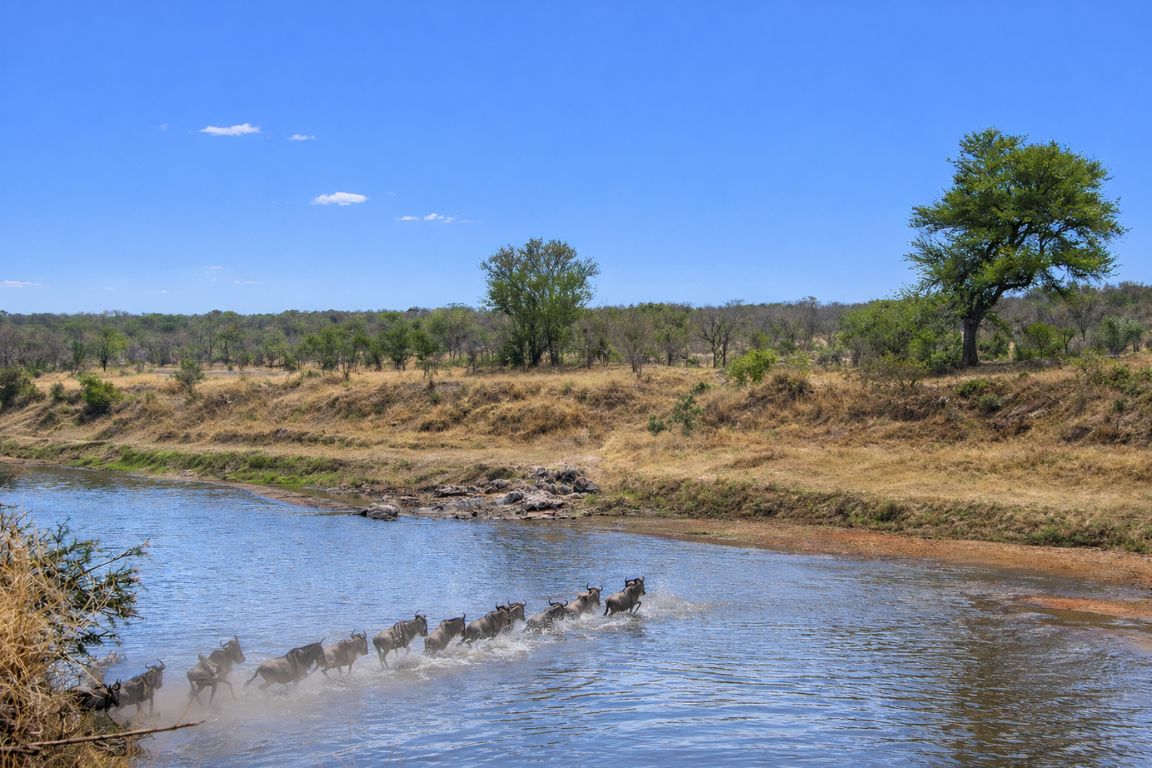
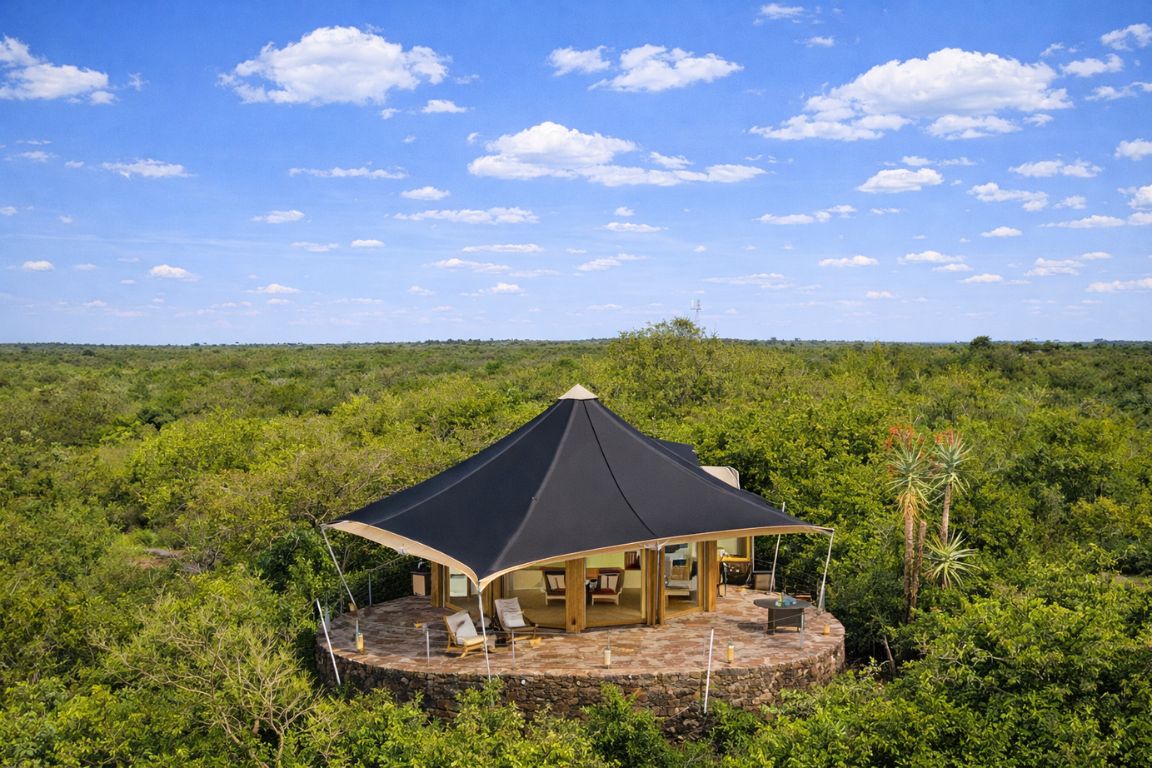 Yes, for first-time visitors and for anyone whose primary goal is witnessing river crossings. July and August are the most crowded months in the Mara, with the busiest viewing spots sometimes lined with 20 or more vehicles, but the spectacle is genuinely unlike anything else in wildlife. The crossings are not predictable and cannot be guaranteed, but the probability is high and the migration herds are present across the plains. Accommodation costs 30 to 50% more than low season, and park fees double to USD 200 per day.
July
July is the driest month of the year and marks the official start of peak season. The first migration herds have crossed from Tanzania and the plains are beginning to fill. River crossings can happen as early as late June and become more frequent through July, though August typically sees the highest concentration of crossing events. Daytime temperatures hover around 24°C with cool nights that sometimes drop below 10°C, so warm layers for early drives are not optional.
The top Mara River camps (Governors’, Little Governors’, Rekero, and others in the Musiara sector) book out 12 to 18 months ahead for July. Park fees are USD 200 per adult per day from July 1. If you are arriving in July expecting to book a prime riverside camp with a few weeks’ notice, that window has closed.
We’ve done the legwork comparing the best safari camps in Maasai Mara safari tours so you don’t book somewhere with terrible game viewing just because the photos look nice.
August
August is peak within peak. This is the month with the highest concentration of crossings, the highest visitor numbers, and the highest prices. It is also when the Mara delivers its most iconic moments: tens of thousands of wildebeest pouring into crocodile-infested water in a churning, desperate mass, and then it is over. No photograph captures the sound and the scale. That moment is what August charges a premium for, and for most people it is worth it exactly once.
What August cannot deliver is the Mara without other vehicles. Popular sighting spots can have 15 to 25 vehicles clustered around a crossing point or a pride of lions. If that bothers you, booking a conservancy camp adds USD 80 to 120 per person per day but drops vehicle limits to 2 to 4 per sighting, which is a fundamentally different experience.
Why Do Experienced Safari Travelers Prefer September And October?
September and October are the sweet spot most guidebooks underserve. The migration is still in the Mara through most of October. River crossings continue, though with less frequency than August. The crowds have thinned significantly as European summer holidays end. First-choice camps have openings that were impossible in August. Prices begin to soften in October. And the predators, well fed from months of migration prey, are visibly at their most relaxed and active.
September
When we ask repeat clients when they plan to return, September comes up more than any other month. The migration has not left. Crossings are still happening. The herds are grazing across the plains and beginning the slow turn south. Predators are at peak condition after months of easy hunting. Lions are not just present; they are everywhere, bold, and unhurried. The crocodiles in the Mara River, full and slow after months of crossing season, are still watching the banks.
Daytime temperatures around 24 to 26°C with excellent dry conditions. Vehicle traffic at sighting points has noticeably eased compared to August. First-choice camps that were sold out in July and August are starting to have availability. Booking lead time drops to 4 to 6 months for most top camps.
October
October is slightly different in character. The short rains can begin arriving as early as mid-October, softening the dust and adding freshness to the landscape. The last migrating herds are pushing south toward Tanzania. There is a window in October, usually the first three weeks, where the migration is still present, the weather is warm, and tourism numbers have dropped to manageable levels. Prices begin to reflect this: accommodation rates soften compared to July and August highs, and park fees remain at USD 200 per day but camps are easier to book.
If you want the migration without the full peak-season experience, October may be the single best month of the year.
Need to keep safari costs down? Our guide on budget camps in Maasai Mara safari tours shows you where you can save without ruining the game viewing experience.
What Should You Expect From November And December?
 November brings the short rains, which are far less disruptive than the long rains of April. Showers typically arrive in the afternoon, leaving mornings and evenings clear for game drives. The Mara turns green quickly, migratory birds arrive in large numbers, and the first wave of calving season begins. December is similar, with rates rising for the festive period around Christmas and New Year. Outside those holiday weeks, November and December are quiet, affordable, and genuinely beautiful months to visit.
November
The short rains are not the long rains. April dumps persistent rain for weeks and closes tracks. November delivers afternoon showers, most of which clear within an hour. A morning drive in November is usually dry, clear, and cool. The landscape greens up fast, and the combination of dramatic clouds and lush plains produces images that travelers rarely expect from this time of year.
Birdwatching in November is as strong as it gets. Migratory species from Europe and northern Africa have arrived and overlap with resident species beginning their breeding season. The Mara supports over 500 bird species, and November is when that number is at its fullest expression. Wildebeest calves begin appearing toward the end of the month, drawing big cats back into active hunting mode. November remains in the July–December park-fee season; lower camp rates do not mean lower statutory park fees.
December
December rates are low outside the Christmas and New Year spike (roughly December 20 to January 3). The festive weeks are popular with families, and rates at better camps reflect that demand. Outside the holiday window, you are looking at low-season pricing, strong resident wildlife, the calving cycle building, and the Mara largely to yourself. Daytime temperatures around 28°C with the pleasant humidity the short rains bring.
The short rains ease through December and the landscape holds its green color into the new year. It is a comfortable, quiet month to travel, and the combination of lower prices and good game viewing makes it one of the most underappreciated windows on the calendar.
Questions before you commit to a November or December date? Compare this 3-day group safari from Nairobi against your window.
Cost And Booking Guide By Season
The price difference between a July peak-season safari and a February off-peak safari at the same camp is not cosmetic. The variables below affect total trip cost by a factor of two or more. Plan with real numbers.
Planning your safari budget? Here’s Maasai Mara safari costs explained so you know which expenses are worth it and which ones you can skip without ruining the experience.
| Jan-Feb | USD 100 | USD 200-350/night | USD 400-700/night | 2-4 months | Big cats, calving, value |
| Mar | USD 100 | USD 150-280/night | USD 350-600/night | 1-3 months | Green photography, solitude |
| Apr-May | USD 100 | USD 100-200/night | USD 300-500/night (fewer open) | Flexible (verify camp is open) | Lowest prices, specialist travelers |
| Jun | USD 100 (doubles Jul 1) | USD 250-400/night | USD 500-800/night | 2-4 months | Best value, migration building |
| Jul-Aug | USD 200 | USD 350-500/night | USD 700-1,500+/night | 12-18 months (river camps) | River crossings, first timers |
| Sep-Oct | USD 200 (Oct softening) | USD 300-450/night | USD 600-1,200/night | 4-6 months | Migration present, fewer crowds |
| Nov-Dec | USD 200 | USD 200-350/night | USD 400-700/night (festive higher) | 2-4 months (festive: 6+) | Birds, green season, calving, value |
What Our Travelers Actually Report About Timing
We track feedback from every group we guide. The patterns below are drawn from our client cohorts over multiple seasons. They tell a different story than the standard “best time to visit” advice.
| Rated wildlife viewing as “exceeded expectations” | 84% | 71% | 89% | 91% | 79% |
| Surprised by crowd levels (more or fewer than expected) | 67% (fewer than expected) | 55% (fewer) | 72% (more than expected) | 58% (fewer than expected) | 61% (fewer) |
| Would return in same month or recommend it to others | 88% | 63% | 82% | 94% | 85% |
| Said they wished they had more time (would extend trip) | 41% | 38% | 62% | 57% | 43% |
| Mentioned the guide’s knowledge as the trip highlight | 77% | 80% | 55% | 73% | 76% |
The standout number from our own data: September and October travelers are the most likely to want to return in the same window. The guide quality finding is also telling. During peak season, the spectacle drives satisfaction. Outside peak season, the quality of interpretation and local knowledge becomes the defining variable. This is why who guides you matters as much as when you go.
The Timing Mistakes We See Most Often
After guiding over 2,500 travelers, the same avoidable mistakes come up across nearly every season.
Booking the wrong month for the wrong reason is the most common one. Travelers who visit in April because flights are cheap and then discover road closures and lodge shutdowns are not having a poor experience because the Mara failed them. They are having a poor experience because the tradeoffs of April were not explained before they booked. April is genuinely difficult. Know that going in, or choose a different month.
Underestimating the crowd impact in August is the second major error. Many travelers have their heart set on river crossings, book a camp inside the national reserve for August, and are surprised to find 20 vehicles at every sighting. The crossing itself is still extraordinary. The fix is simple: book a conservancy camp for August, accept the higher daily fee, and watch the same migration with four vehicles instead of twenty.
The third mistake is waiting too long to book peak season camps. The camps with the best Mara River access book out more than a year ahead for July and August. If you are planning a migration trip and your first inquiry is in April or May for the following July, many first-choice camps are already gone. Start earlier than feels necessary, or target September instead.
If you would rather start from a set itinerary than assemble camps and permits yourself, this 3-day Maasai Mara game drive safari includes transfers, lodge or camp nights, meals, and park fees.
Frequently Asked Questions
What is the best month to visit Maasai Mara?
It depends on your primary goal. For river crossings and the Great Migration spectacle, August is peak action. For the best balance of wildlife, fewer crowds, and still-present migration, September and early October are ideal. For low prices, excellent predator activity, and empty camps, January and February are the most underrated months of the year.
When should I avoid visiting Maasai Mara?
April is the hardest month to recommend without caveats. It is the peak of the long rains, some roads become impassable, and several camps close entirely. May is improving but still carries limitations. If your priority is reliable access and strong game viewing, avoid April and early May unless you are traveling specifically for green season photography and have verified your camp is open.
How far in advance do I need to book?
For July and August, 12 to 18 months ahead is not excessive for the best camps near the Mara River. For September and October, 4 to 6 months is usually sufficient. For January, February, November, and December (outside the festive window), 2 to 3 months ahead is typically enough. April and May rarely sell out.
Are park fees different by season?
Yes. Non-resident adults pay USD 100 per person per day from January through June, and USD 200 per person per day from July through December. The fee doubles on July 1. Children aged 9 to 17 pay USD 50 year-round; those under 8 enter free. Prices verified March 2026.
Can you see the Big Five year-round in Maasai Mara?
Yes. The resident lion, leopard, elephant, buffalo, and rhino populations are present throughout the year. The migration adds wildebeest and zebra in enormous numbers from July to October, but the core Big Five wildlife is not seasonal. January and February are particularly strong for big cat visibility due to calving season prey dynamics.
Is the migration guaranteed in July?
No wildlife event in the Mara is guaranteed, and the migration is driven by rainfall patterns that shift year to year. Most years see meaningful herds entering the Mara in July, with peak crossing activity in August. Some years see early arrivals in June; some years the main herds arrive later. For the best probability of crossings, August through mid-September is the most reliable window. Nothing is certain, but August offers the highest odds.
Written by Zara Akinyi Omondi
Kenyan tour guide since 2012 · Founder, Maasai Mara Safari Tours
Zara has guided over 2,500 travelers through Maasai Mara and Kenya’s premier safari destinations since founding the agency.