Budget Camps In Maasai Mara
Budget Maasai Mara camps cost $50-$150/night - but park fees, vehicles, and location near the gates shape the real safari cost.
Booking Choice: Compare the whole safari, not only the tent rate: shared transport, camp nights and guided drives can be booked together. Explore Three-Day Shared Land Cruiser Safari
Last updated: March 11, 2026
Quick Answer
At A Glance: A shared three-day Land Cruiser safari is a useful starting point for a budget camp trip; park fees remain extra. Explore Three-Day Shared Land Cruiser Safari
Budget camps in the Maasai Mara run USD $50-$150 per person per night on a full-board basis. Almost all are located just outside the reserve boundary, near the Oloolaimutia or Talek gates – which means park fees are separate, and you will spend 15 to 30 minutes driving to the gate before every game drive. The real cost of a budget safari is not the accommodation. It is the park fees, the vehicle, and what you give up by sleeping 5 km from the action instead of in it.
Quick Facts: Budget Camps In Maasai Mara
| Budget camp price range | USD $50-$150 per person per night, full board (accommodation + meals) |
| What “full board” includes | Accommodation, breakfast, lunch, and dinner. Game drives, park fees, and vehicle are almost always extra. |
| Location | Nearly all budget camps are outside the reserve boundary, 1-5 km from the nearest gate |
| Park fees (non-resident adult) | $100/day Jan-Jun; $200/day Jul-Dec. Always separate from camp rate. |
| Game drive vehicle | Shared vehicles: $40-$80 per person per drive. Private 4×4: $200-$350/day total (split among group) |
| Budget camp gates (main clusters) | Oloolaimutia Gate (most options); Talek Gate (second cluster); Sekenani Gate (fewer, slightly more spread out) |
| True all-in cost (budget safari, 3 nights low season) | $700-$1,100 per person, including camp, park fees, shared vehicle, and meals |
| True all-in cost (budget safari, 3 nights peak season) | $950-$1,400 per person, same basis |
| Best value months | Jan-Jun (low season: park fees $100/day, camps at lower rates, fewer vehicles) |
Prices verified March 2026. Park fees subject to change – confirm with Narok County Government before booking.
What Does “Budget” Actually Mean In The Mara, And What Do You Give Up?
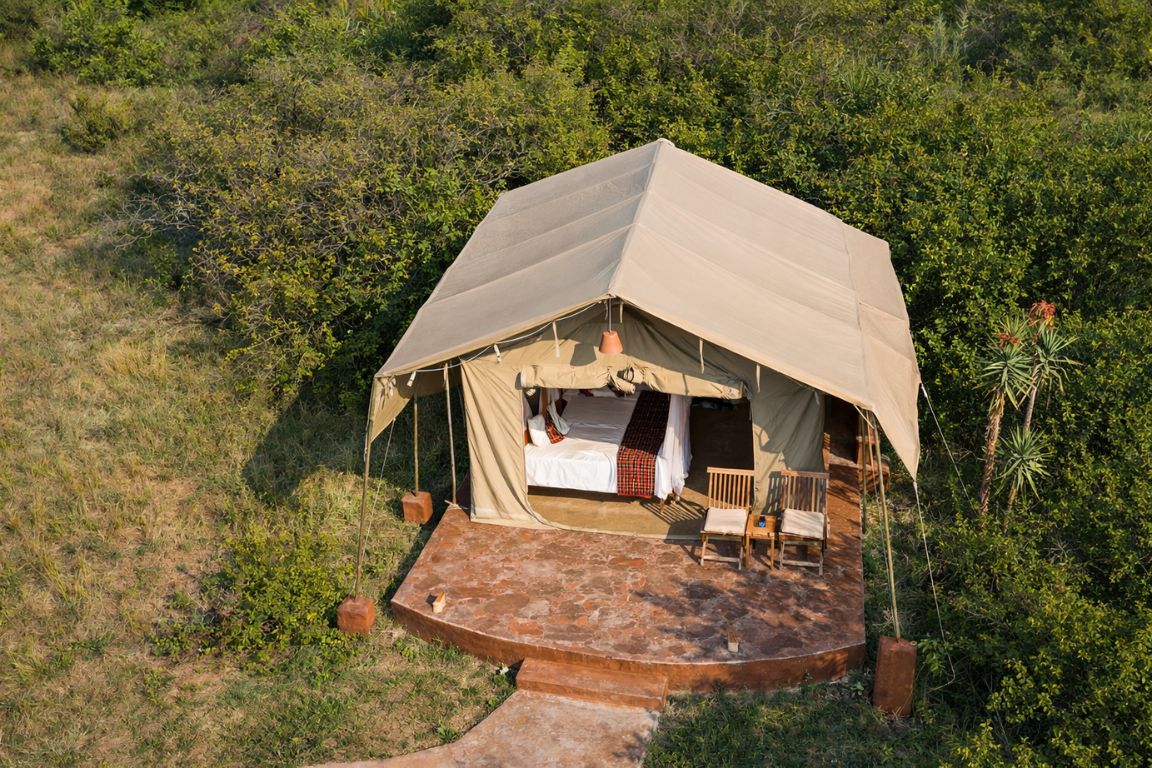 A budget camp in the Maasai Mara means a tented accommodation outside the reserve, full board, in the range of $50-$150 per person per night. You get a canvas tent with a bed, en-suite or shared bathroom, three meals, and a campfire at night. You do not get location inside the wildlife corridor, a camp-assigned guide who knows the resident animals, or the silence of sleeping where the lions are. None of that is a dealbreaker but it is worth being clear about what the price difference actually buys.
The phrase “budget safari” gets used to describe two very different things. One is a well-planned trip that keeps costs down through gate proximity, shared vehicles, and low-season timing, while still getting good wildlife time. The other is a poorly assembled itinerary that looks cheap on the surface and turns out to cost nearly as much once you add park fees, a separate vehicle, and meals not included in the rate. The gap between those two outcomes is mostly information.
What budget camps reliably deliver: a clean, functional base close to the reserve, full-board meals that are simple but consistent, and access to game drives organized through the camp or a local operator. Most have hot showers, flush toilets, mosquito nets, and some form of solar charging. A few have swimming pools. Almost none have minibars, spa facilities, or the kind of camp-wide radio network that links resident guides to each other across the ecosystem in real time.
What you genuinely give up: the guide quality gap is the biggest one. Budget camp guides are usually competent and sometimes excellent, but they are not the deep-resident specialists that top-tier camps employ on multi-year contracts. A luxury camp guide spends three years learning exactly where the resident leopard rests on hot afternoons, which kopje the cheetah coalition uses, which drainage the lions use after a kill. That knowledge is not available on a $60-per-night rate.
The other thing you give up is time. Every morning drive from a budget camp starts with 15 to 30 minutes of transit from camp to gate. That is time not spent in the reserve. Over a 3-day trip with six drives, that adds up to 3 hours of park time lost. In low season it matters less. In peak season, those early minutes in the reserve before other vehicles arrive are often the best of the day.
If you’re torn between price tiers, here’s our honest comparison of budget vs luxury safari at Maasai Mara based on what each delivers for game viewing and overall experience.
Where Are Budget Camps Located, And Why That Matters More Than Price
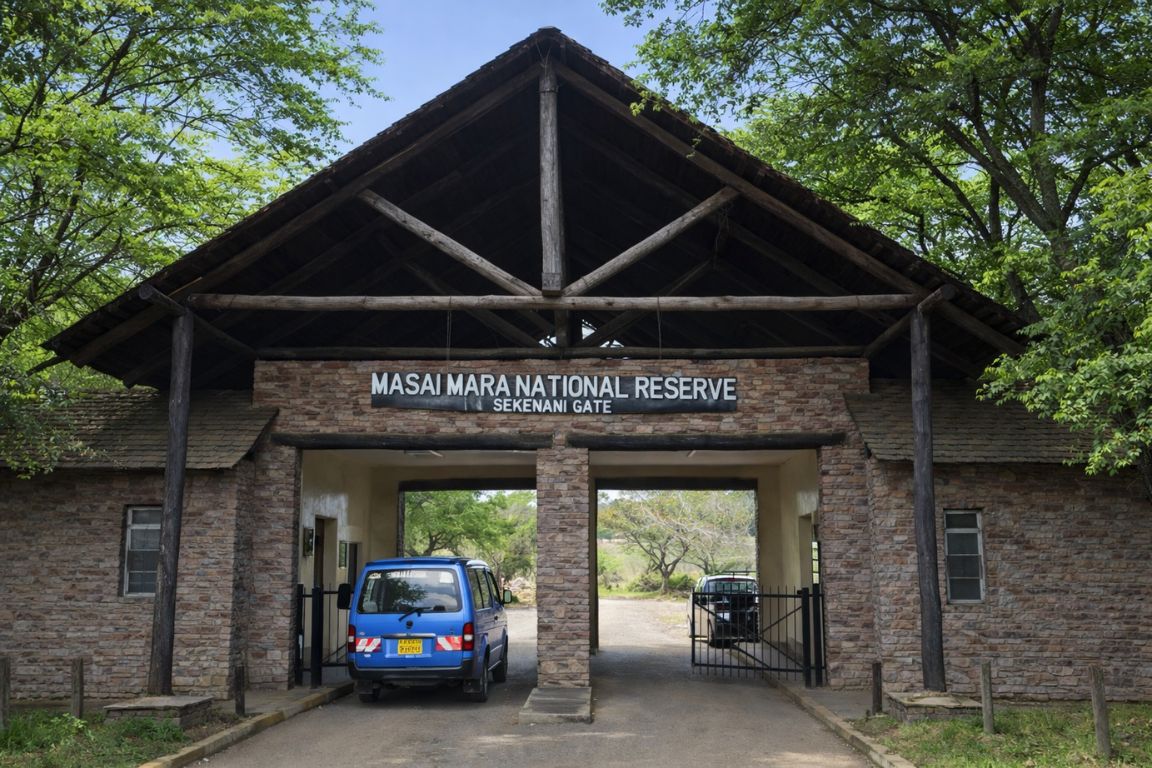 Budget camps cluster around three gates: Oloolaimutia (the largest cluster, southeastern entry), Talek (northeastern entry, closer to the river corridor), and Sekenani (southern entry, favored by self-drivers). Gate proximity is the single most important factor when comparing budget camps. A camp 1 km from the gate and a camp 8 km from the gate might charge the same rate, but the camp farther out costs you 30 extra minutes in transit every drive, and that adds up.
The Oloolaimutia cluster is the best-served for budget travelers. Camps like Lenchada Tourist Camp, Miti Mingi Eco Camp, Enchoro Wildlife Camp, and Fisi Camp are all within 2.5 km of the gate. From Oloolaimutia, you enter the central reserve – good for predators, good plains coverage, solid wildlife density year-round. The downside: it is the main access point for budget group tours, so the gate area gets busy on weekend mornings.
The Talek cluster sits closer to the river, which matters most from July to October when the wildebeest are moving. Camps near Talek Gate are better positioned for anyone prioritizing the river crossing spectacle. Outside migration season, the advantage narrows. Greenwood Safari Camp and Kambu Mara Camp are the most consistent budget options in this zone.
Sekenani Gate sees fewer budget camps but is worth knowing. It accesses the southeastern sections of the reserve and is slightly less congested than Oloolaimutia. Camps are more spread out here, which means some are genuinely close to the gate and some are not. Read the fine print before booking.
One thing budget travel content almost never addresses: camps that advertise themselves as “near the Maasai Mara” can be anywhere from 1 km to 70 km from the nearest gate. At 70 km on Mara roads, that is a 2-hour drive each way before your game drive begins. A camp 70 km from the gate is not a Maasai Mara camp in any practical sense. Always confirm the actual road distance to the gate – not the aerial distance, not a vague “nearby” description – before you book.
The Best Budget Camps In Maasai Mara: What Each One Actually Delivers
The camps below consistently earn honest positive reviews across multiple seasons, for the right traveler profile. None of them are luxury. All of them are close to a gate, clean, and well-run enough to form a reliable base. The right choice depends on which gate suits your itinerary, your group size, and how much you care about Wi-Fi versus wilderness atmosphere.
| Lenchada Tourist Camp | Oloolaimutia | ~2.5 km | $80-$120 | Couples and solo travelers; strong reputation, en-suite tents, campfire evenings, Maasai village access |
| Miti Mingi Eco Camp | Oloolaimutia | ~500 m | $40-$80 | Groups and backpackers willing to share facilities; closest to gate in the budget tier; no frills |
| Enchoro Wildlife Camp | Oloolaimutia | ~400 m | $80-$130 | Travelers wanting en-suite tents at the gate entrance; recently refurbished; large camp with 27 tents |
| Fisi Camp | Oloolaimutia | ~5-min walk | $90-$140 | Consistent top reviews in the budget tier; excellent views of the plains; often praised for staff warmth |
| Kambu Mara Camp | Sekenani | ~14 min drive | $70-$120 | Independent travelers; Starlink Wi-Fi; self-catering option; owner-operated; giraffes and zebras on site |
| Greenwood Safari Camp | Talek | Close to gate | $60-$100 | Migration-season visitors; river-corridor access; swimming pool; scenic views; facilities basic but functional |
| Rhino Tourist Camp | Oloolaimutia | ~1 km | $50-$90 | Budget-first travelers and backpackers; one of the original budget camps in the area; solid basics |
All rates per person per night, full board, low season. Peak season rates typically 30-60% higher. Prices verified March 2026 – confirm directly with each camp before booking.
A few honest notes on this list. Miti Mingi is the closest to the gate and the cheapest, but shared bathrooms are real – not a marketing softening of something almost private. If you need your own bathroom at 5:30 AM, Miti Mingi is not the right choice. Kambu Mara Camp is slightly farther from the gate but has built a strong reputation under owner-managed care; it is also one of the few budget camps with Starlink, which matters to some travelers and not at all to others. Fisi Camp is consistently the most praised in this tier for overall quality, and it tends to book up faster than its neighbors.
I’ve tested and compared the best safari camps in Maasai Mara safari tours to help you find one that matches your budget and puts you in the right spot for wildlife.
What Is Included In A Budget Camp, And What Costs Extra
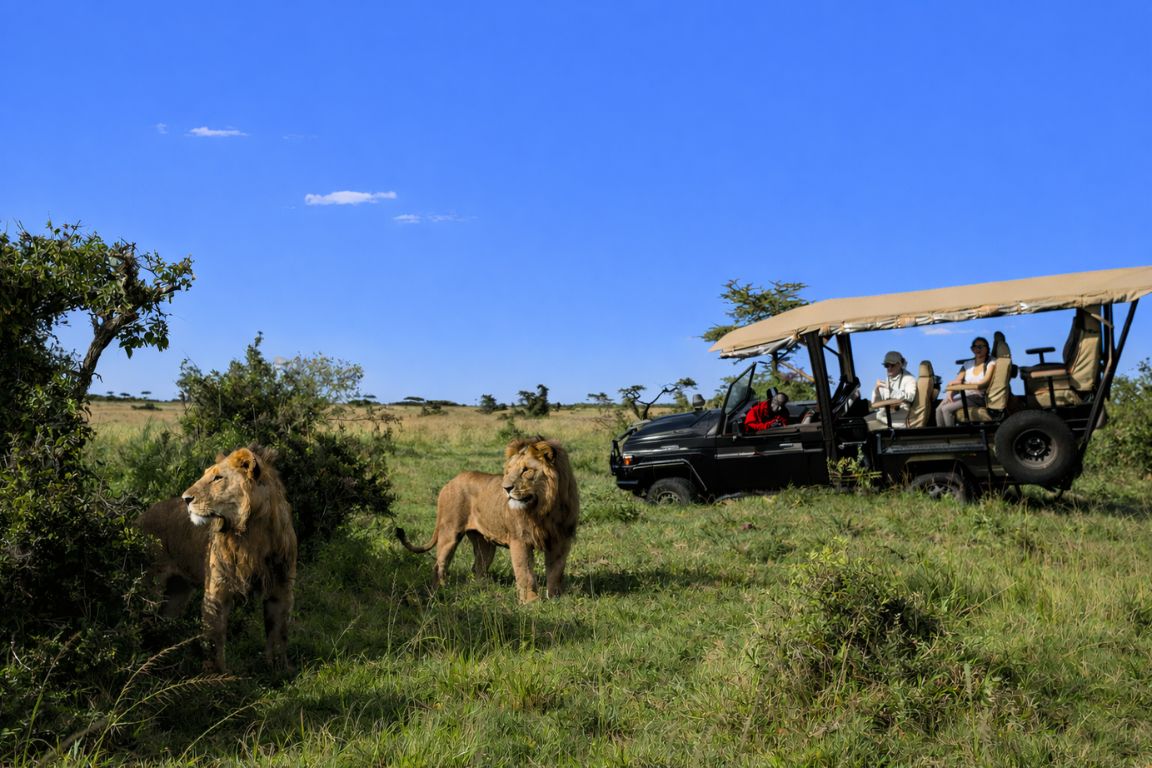 Full board at a budget camp means three meals per day and your tent. That is it. Park fees are separate. The game drive vehicle is separate. Drinks beyond water or basic tea are almost always extra, and the markup on alcohol at remote camps is significant. Know this before you compare two “packages” and think one is cheaper – the gap is usually in what each one excludes.
The standard inclusions across budget camps in this range:
Included: Accommodation in a permanent safari tent with a bed, mosquito net, and basic furniture. En-suite bathroom at most (shared at the cheapest end). Breakfast, lunch, and dinner prepared on site. Evening campfire in most cases. Maasai security at night. Basic Wi-Fi at some (Kambu Mara has Starlink; most others have patchy signal or none at all).
Almost always extra: Park fees (currently $100-$200 per adult per day depending on season). Morning and afternoon game drives (either via the camp’s own vehicles or a separate operator). Drinking water beyond what is served at meals, at some camps. Alcoholic and soft drinks. Hot air balloon ($450-$600 per person). Maasai village visit ($20-$50). Tips for guide and camp staff ($10-$25 per person per day combined is appropriate).
The vehicle question deserves its own paragraph. Budget camps are not permitted to run game drives inside the reserve in private vehicles owned and driven by unlicensed operators. Since June 2024, self-driving inside the Mara has been banned entirely. Your camp will either have a licensed vehicle and guide, arrange one through a partner operator, or help you join a shared vehicle. Shared vehicles seat 6 to 7 travelers and charge $40-$80 per person per game drive. A private 4×4 for your group runs $200-$350 per day total. Split among four travelers, a private vehicle costs $50-$90 per person per day – not dramatically more than shared, and significantly better in terms of flexibility and guide attention.
Not sure whether to book camp-arranged game drives or go through a separate operator? Our team at Maasai Mara Safari Tours puts together budget-conscious packages that include the vehicle and guide upfront – no pricing surprises on arrival.
How Much Does A Budget Maasai Mara Safari Really Cost?
A realistic 3-night budget safari in the Mara, solo traveler, low season (January through June): $700-$1,000 all-in. Peak season (July through December): $950-$1,400. The camp rate is rarely the biggest line item. Park fees are. A solo traveler in July paying $200 per day in park fees for three days spends $600 on park access alone before accommodation, food, or vehicle is considered.
| Budget camp (per person, 3 nights full board) | $150-$360 | $210-$450 | Varies by camp and tent type |
| Park fees (per person, 3 days) | $300 | $600 | $100/day low, $200/day peak (2025 non-resident adult rate) |
| Shared game drive vehicle (6 drives over 3 days) | $240-$480 | $240-$480 | $40-$80 per person per drive; 2 drives/day |
| Road transfer Nairobi round trip (shared) | $60-$120 | $60-$120 | Group minivan; private transfer costs more |
| Tips (guide + camp staff, 3 days) | $30-$75 | $30-$75 | $10-$25/day total is standard and expected |
| Drinks (alcoholic/soft, 3 days) | $0-$60 | $0-$60 | Buy in Nairobi before departing to cut this significantly |
| Total realistic range (solo, 3 nights) | $780-$1,095 | $1,140-$1,785 | Excludes balloon, village visit, and personal spending |
All prices in USD. Prices verified March 2026. Package rates from tour operators may bundle these items at a slight discount – confirm inclusions line by line.
The single most effective lever for reducing total cost is season. Traveling in March, April, or May (long rains) cuts park fees in half and drops camp rates 30 to 50 percent. Wildlife quality is still very good, the landscape is green and dramatic, and there is almost no vehicle congestion at sightings. The rain falls in short afternoon bursts, not all-day downpours. For budget travelers who are flexible on dates, the green season delivers the best cost-to-experience ratio in the Mara calendar year.
The second lever is group size. Park fees are per person and non-negotiable. But a private vehicle split four ways costs $50-$90 per person per day – roughly what a shared vehicle costs, with full control of the drive. Solo travelers and couples pay more per person for everything. If you can travel with a group of four, the per-person economics improve across every line item.
We’ve got Maasai Mara safari costs explained in detail because safari pricing is deliberately confusing and knowing what’s included makes a huge difference.
Budget Camp Vs. Mid-Range: When Is It Worth Paying More?
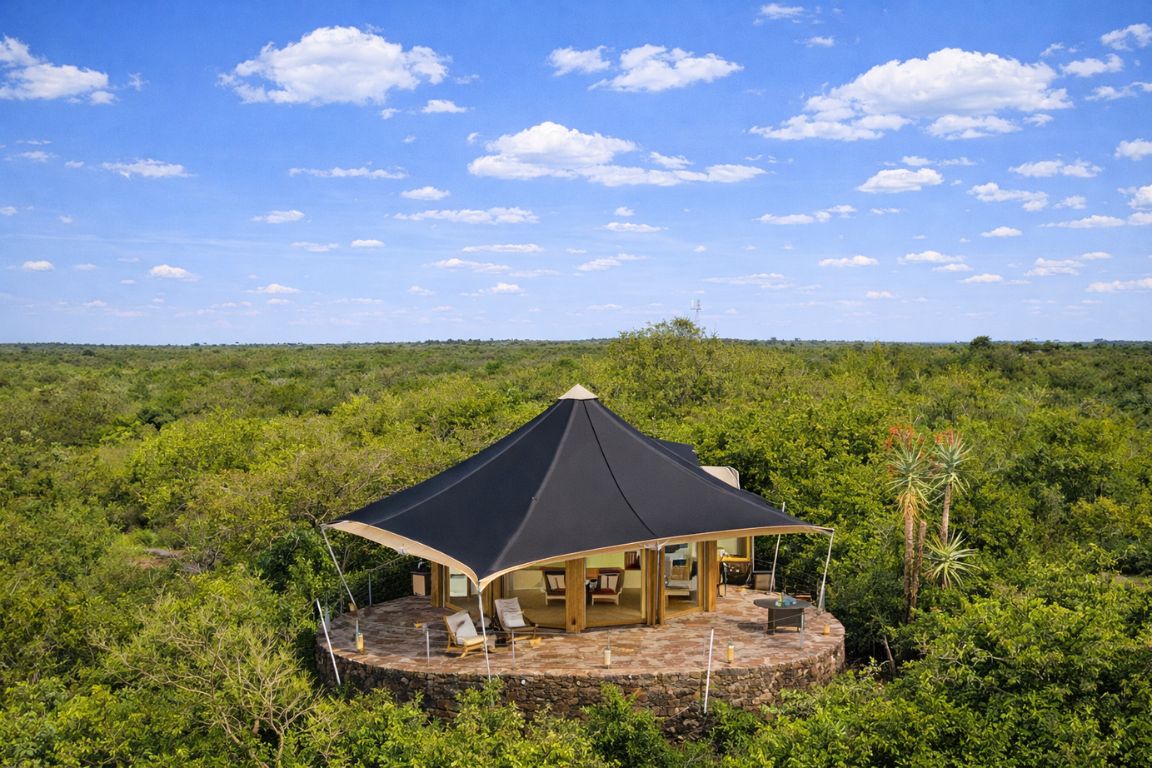 The upgrade from budget to mid-range (roughly $150-$350 per person per night) buys you three things: location, guide quality, and time. Mid-range camps inside or much closer to the reserve boundary do not waste morning minutes on gate transit. Their guides tend to have better reserve knowledge and more reliable vehicle-to-vehicle communication. And you start and end your drives from inside the ecosystem, not the fence line. Whether those things justify double or triple the accommodation cost depends entirely on your priorities.
| Location | Outside reserve, 1-5 km from gate | Inside reserve or conservancy border | Meaningful gap. 15-30 min transit per drive adds up. |
| Guide quality | Variable; licensed but not deep-resident specialists | More consistent; better radio networks and resident animal knowledge | Gap matters most for predator sightings; less for general wildlife |
| Accommodation comfort | Clean, basic; en-suite at most; limited charging | More space, better beds, reliable power, better food variety | Low priority for most safari travelers who spend little time in the tent |
| Wildlife atmosphere at camp | Near reserve but not in it; some wildlife near camp | Animals move through camp; night sounds from inside the ecosystem | Big difference for experienced safari travelers; less noticed on a first trip |
| Activities available | Game drives, village visit; no night drives or bush walks inside reserve | Same, plus night drives and bush walks if in conservancy | Night drives and walking safaris require conservancy – budget camp cannot offer them |
| Park fees | Same (always separate) | Often included in package rate | When mid-range packages include park fees, the true price gap narrows significantly |
Here is the honest read from years of guiding both ends of this market: for a first Maasai Mara trip, the wildlife is so abundant that the guide quality gap matters less than people think. A budget traveler who gets organized, arrives at the gate early, and stays out for full drives will see lions, elephants, giraffe, buffalo, and very likely cheetah. The reserve is generously stocked.
Where the gap bites is on a second or third visit, when you know what you are looking for and want the kind of specialist guide who can find the specific resident leopard in a specific fig tree. That experience does not come at a budget camp rate. But for someone seeing the Mara for the first time, the budget option is not a compromise in any meaningful sense of the word.
Weighing budget camp vs mid-range for your specific trip? We’ve been running both ends of this market since 2012. Talk to Zara and the team – we’ll tell you honestly which setup fits what you’re trying to do.
How To Book A Budget Camp Without Getting Burned
The two most common budget safari mistakes are booking through an aggregator that shows a low camp rate without disclosing that park fees and vehicle are separate, and booking a camp that claims proximity to the reserve but sits 30+ km from the gate. Both are avoidable with two questions: what does the rate include, and what is the road distance to the nearest gate?
Booking pitfalls that come up repeatedly in traveler forums:
The exclusions trap. A package advertised at $300 per person for 3 nights looks like a deal until you realize it excludes park fees ($300-$600 more per person), the game drive vehicle ($120-$480 more per person), and sometimes even meals. Always ask for a line-item breakdown, not just a total package price. If a tour operator cannot or will not give you one, that is itself a signal.
The distance misrepresentation. “Minutes from the Mara” can mean many things. Confirm the kilometer distance from camp to the park gate, by road, not as the crow flies. Anything over 10 km means 20 to 30 minutes minimum each way in a 4×4, on roads that are not smooth. That is a meaningful cost in time over a 3-day trip.
The low-season aggregator rate. Some booking platforms display low-season rates as the default even when you enter peak-season dates. A camp listed at $60 per person in January might charge $120 in August. Always confirm the rate for your specific travel dates directly with the camp before committing.
The vehicle source question. Ask your camp directly: do you have your own licensed game drive vehicle, or will you arrange one through a third party? A camp that has its own vehicle and guide can control the quality of that guide. A camp that contracts out to whoever is available on the morning of your drive cannot. The quality variance at the contracted end of this spectrum is wide.
Booking directly vs. through a package operator. Direct booking with the camp gives you a known rate and a direct line for questions. Package operators who specialize in budget safaris sometimes add value through vehicle and park fee bundling, genuine group discounts, and experience navigating gate logistics. Both work – the key is understanding exactly what you are buying in each case before money changes hands.
We’ve done the legwork comparing the best Maasai Mara safari tours so you don’t have to sort through dozens of operators with identical-sounding packages.
What We See From Budget Travelers We Work With
From the budget and mid-range travelers we’ve guided and coordinated through Maasai Mara Safari Tours, a few patterns come up consistently. These numbers reflect our 2024 client group.
| Budget travelers who underestimated total cost (park fees + vehicle) | 65-80% | The accommodation rate is the smallest part of the total cost – but it is the most visible number in search results |
| Budget travelers who chose low season (Jan-Jun) after understanding the fee structure | 70-85% | Season timing is the highest-value budget lever; most travelers make this adjustment once they understand it |
| Budget travelers who rated their wildlife experience as “exceeded expectations” | 70-85% | The reserve’s wildlife density makes up for most of what budget camps cannot deliver in guide specialization |
| Budget travelers who upgraded to private vehicle after being advised on per-person costs | 50-70% | Groups of 4+ find private vehicle cost per person comparable to shared, with significantly better experience |
| Budget travelers who wished they had booked 4 nights instead of 3 | 60-75% | The night’s accommodation cost is the smallest increment – park fees and vehicle per extra day are fixed regardless of camp tier |
| Budget travelers who would book the same camp again | 75-90% | Camp satisfaction at budget tier is high when expectations are set correctly before arrival |
Tips From Budget Travelers Who’ve Done The Mara Right
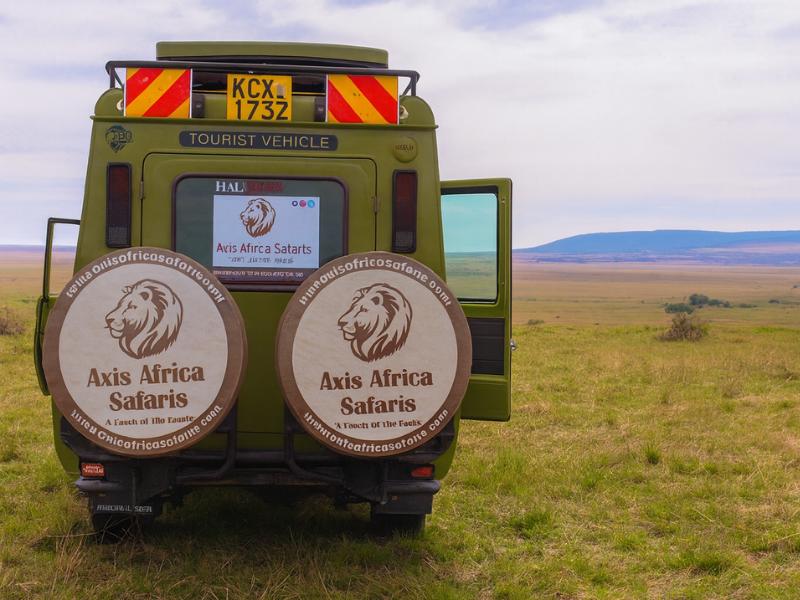
The budget travelers who have the best Mara experiences share a few behaviors: they spend their savings on extra park time rather than nicer tents, they book as far in advance as possible for peak season, they buy drinks and snacks in Nairobi before they leave, and they treat the guide well – financially and personally. The guide is the experience, at every budget level.
The practical tips that actually move outcomes:
Buy your drinks in Nairobi. A beer at a remote budget camp costs two to four times what it costs at a supermarket in the city. A 6-pack bought at a Nairobi Carrefour before the drive south costs $6. The same quantity at camp costs $20 to $30. This is not a trivial saving over a 3-night stay. Most drivers will stop at a mall or supermarket on the way out of the city – just ask.
Prioritize gate proximity over tent quality. Given a choice between a slightly nicer tent 8 km from the gate and a basic tent 1 km from the gate, take the closer camp. You will not notice the tent quality on Day 2. You will notice, every single morning, whether you are spending 20 minutes bouncing toward the gate before your drive begins.
Do the full-day drive on at least one day. Budget camp packages sometimes offer half-day drives to keep costs down. A full day with a packed lunch from camp means 6 to 8 hours inside the reserve instead of two separate 3-hour sessions with a midday camp return. The midday transit back adds about 40 to 60 minutes of dead time. Over a 3-day trip, the full-day drive format gives you noticeably more reserve time for the same park fee spend.
Tip your guide properly. At budget camps, the guide is often contracted and has no employment security beyond the reviews and word of mouth that bring them back. $10 per person per drive is appropriate. A guide who knows a tip is coming performs differently than one who assumes a foreign visitor does not know the custom. This is not cynicism – it is how incentive systems work everywhere.
Book peak season as far in advance as possible. Budget camps in the Mara do not have unlimited capacity, and the best ones – Fisi, Lenchada, Kambu – fill up in July and August months ahead. A camp that is fully booked is not a camp you can book at the last minute hoping for a discount. In low season, last-minute works fine. In peak season, it does not.
If you want the full picture before choosing dates, here’s our Maasai Mara safari tours by month guide showing you what changes throughout the year in the reserve.
Ready to put together a budget safari that works end to end? Zara and the team at Maasai Mara Safari Tours have been building these itineraries since 2012. We include the park fees, vehicle, and camp in one clear number – no surprises on arrival.
Budget Camps FAQ
What is the cheapest way to do a Maasai Mara safari?
The cheapest viable safari combines a budget camp near Oloolaimutia or Talek Gate, a low-season visit (January through June, when park fees are $100 per adult per day rather than $200), a shared game drive vehicle with other travelers, and transport by shared road transfer from Nairobi rather than a charter flight. All in, a solo traveler can do 3 nights for $700-$950 in low season. Traveling in a group of four brings the per-person cost down further by splitting the vehicle cost.
Are budget camps inside or outside the Maasai Mara?
Almost all budget camps are outside the reserve boundary. They cluster near the main entry gates – primarily Oloolaimutia, Talek, and Sekenani. This is how they keep accommodation costs down: land inside the reserve is restricted, and operating costs inside the park are higher. The practical consequence is that every game drive starts with a 15 to 30-minute transit from camp to the gate before actual reserve time begins.
Do budget camps include park fees?
Rarely. Most budget camp rates cover accommodation and meals only. Park fees ($100-$200 per adult per day for non-residents in 2025) are paid separately, either at the gate or pre-paid through your tour operator. Always confirm what is included in any quoted price – the accommodation rate is often only one-third of the total daily cost of a budget safari.
Is a shared game drive vehicle good enough for a budget safari?
For a first Maasai Mara trip, yes. Shared vehicles seat 6 to 7 travelers and follow the same routes as private vehicles. The wildlife density in the reserve means a shared vehicle will still reach excellent sightings. The difference with a private vehicle is flexibility – you can stay longer at a sighting, leave earlier, or choose where the drive goes based on your group’s interests. For groups of four or more, a private 4×4 often works out to similar cost per person as a shared vehicle, which makes the upgrade worth considering.
What is the best budget camp in Maasai Mara?
There is no single best for every traveler, but Fisi Camp consistently earns the strongest reviews for overall quality in the budget tier – good staff, good views, close to Oloolaimutia Gate. Lenchada Tourist Camp is the most established name and has a reliable track record for couples and solo travelers. Kambu Mara Camp stands out for independent travelers who want Starlink Wi-Fi and self-catering flexibility. The best camp for you depends on which gate is most convenient for your itinerary and whether you prioritize gate proximity, facilities, or atmosphere.
What is the difference between a budget camp and a budget lodge in the Mara?
The terms are used loosely in the Mara. A tented camp means permanent canvas tents on raised platforms with beds inside and usually an en-suite bathroom. A lodge means more permanent structures, sometimes with brick or timber walls. At the budget end of the market, the distinction matters less than the specific property’s gate distance, cleanliness, and meal quality. Both can deliver a good base for a game drive safari.
Written by Zara Akinyi Omondi
Kenyan tour guide since 2012 · Founder, Maasai Mara Safari Tours
Zara has guided over 2,500 travelers through Maasai Mara and Kenya’s premier safari destinations since founding the agency.