Budget Vs Luxury Safari At Maasai Mara
Budget or luxury Maasai Mara safari? Wildlife is the same - the difference is comfort, access, and service. Here’s how to pick the right level.
Booking Choice: Compare a shared tent-camp safari, a private lodge stay and a walking-focused conservancy itinerary by what each actually includes. Explore Private Three-Day Mara Safari At Sopa Lodge
Last updated: March 11, 2026
| Budget Safari Range | $220-$400 per person/day |
| Mid-Range Safari Range | $500-$900 per person/day |
| Luxury Safari Range | $1,000-$2,500+ per person/day |
| Park Entry Fee (Jan–Jun) | $100/adult/day (12-hour validity) |
| Park Entry Fee (Jul–Dec) | $200/adult/day (12-hour validity) |
| Conservancy Fee | $116-$130/adult/night (luxury tier) |
Prices verified March 4, 2026 against Narok County Government and conservancy fee schedules
At A Glance: Private does not automatically mean conservancy access: the Sopa trip is a lodge-based reserve safari, while the walking itinerary names conservancy experiences. Explore Private Three-Day Mara Safari At Sopa Lodge
What’s The Real Price Difference Between Budget And Luxury Maasai Mara Safaris?
 For a standard 3-day, 2-night safari, expect to pay $660-$1,200 total on a budget package, $1,500-$2,700 for mid-range, and $3,000-$7,500+ for luxury. The gap widens fast because accommodation is only part of the equation – location, vehicle type, guide experience, and conservancy access all stack separately.
The $220-$400 budget range gets you a shared safari van (minibus with pop-up roof, typically 6-7 travelers), tented camps outside the reserve boundary, and a 5-6 hour road transfer each way from Nairobi. Park fees hit harder as a percentage of your total cost. Mid-range safaris shift you into a Toyota Land Cruiser with 4-6 passengers, stays at lodges just inside the reserve, and often include a flight option from Nairobi (1 hour vs. 5-6 by road).
Luxury tier pricing starts where location becomes premium. You’re paying $1,000-$2,500+ per person per day to stay in private conservancies like Mara North or Olare Motorogi, where conservancy fees alone add $116–$130 per night. These areas enforce strict vehicle limits (often 1 vehicle per 350 acres), allow off-road driving to follow predators, and permit night drives and walking safaris that are illegal inside the national reserve.
Here’s what catches people: park fees don’t care about your budget tier. Whether you’re sleeping in a $50 tent or a $2,000 suite, you pay the same $100 (Jan-Jun) or $200 (Jul-Dec) per adult per 12-hour entry. That 12-hour window is a 2023 rule change that budget travelers need to watch – if your morning drive runs past noon and you want an evening drive, that’s two separate entry fees in one day.
| Aspect | Budget (~$660-$1,200 total pp) | Mid-range (~$1,500-$2,700 total pp) | Luxury (~$3,000-$7,500+ total pp) |
|---|---|---|---|
| Typical per person / day | $220-$400 | $500–$900 | $1,000-$2,500+ |
| Vehicle | Shared minibus van (6-7 pax, pop-up roof) | Private / small-group Land Cruiser (4-6 pax) | Private 4×4 Land Cruiser / Land Rover (usually 4 pax max) |
| Accommodation location | Outside reserve boundary (public campsites / basic tented camps) | Inside reserve or adjacent lodges | Private conservancies (Mara North, Olare Motorogi, etc.) |
| Conservancy access | No (national reserve only) | Usually no / limited | Yes – exclusive low-density areas |
| Off-road driving | Not allowed | Limited / not allowed in reserve | Allowed (to follow animals) |
| Night drives | Not allowed | Rarely | Allowed in conservancies |
| Walking safaris | Rarely / not allowed | Sometimes | Frequently offered |
| Transfer from Nairobi | 5-6 hour road transfer (shared) | Road or optional 1-hour flight | Usually scheduled flight + short road transfer |
| Park / conservancy fees | Park fees only (~$100-$200 pp/day) | Park fees only (same) | Park fees + high conservancy fees ($116-$130+/night pp) |
| Group size impact | Higher (shared activities) | Smaller groups | Very private / often fully private |
| Main trade-offs | Lowest cost, more crowded, longer transfers, fewer wildlife hours | Balanced comfort & price | Maximum exclusivity, best game viewing, highest cost |
If you’d rather hand the math and logistics to someone who’s done this 2,500 times, compare a ready-made option like the 3-day group safari from Nairobi rather than assembling permits and vehicles yourself.
If you’re trying to figure out your budget, here’s Maasai Mara safari costs explained so you don’t get hit with surprise fees or overpriced packages that don’t deliver.
Where Does Your Money Actually Go In A Luxury Safari?
 Luxury safari pricing breaks down roughly as: 40-50% accommodation and food, 25-30% conservancy fees and exclusive access, 15-20% private guide services and premium vehicles, and 5-10% operational margin for low guest-to-staff ratios. Unlike budget safaris where profit lives in volume, luxury camps survive on scarcity – they’re deliberately limiting how many people experience the Mara at once.
A luxury camp in Mara North Conservancy pays $130 per guest per night directly to Maasai landowners who’ve leased grazing land for wildlife tourism. That money funds schools, clinics, and water systems in surrounding communities. You’re buying the fact that only 8 camps operate in Mara North’s 30,000 acres, compared to 60+ lodges in the main reserve’s similar territory.
Accommodation at the luxury level means 800-1,200 square foot tents with hardwood floors, copper bathtubs, private decks, and en-suite bathrooms larger than some budget camp tents. One luxury camp we work with employs 3 staff members per guest tent. Food becomes theater with plated service, menu choices, ingredients flown in from Nairobi twice weekly, and chef-to-guest ratios of 1:4.
Vehicles matter more than most realize. Budget safaris use minibuses seating 7 with shared roof access. Luxury safaris use Land Cruisers limited to 4-6 guests with guaranteed window seats and salaried guides who’ve spent 15+ years in the Mara, not working for tips.
What luxury pricing doesn’t cover: hot air balloon rides ($450-$600), premium alcohol beyond house wines, and spa treatments. Those extras cost the same regardless of tier.
Overwhelmed by choices? Check out our breakdown of the best Maasai Mara safari tours – it cuts through the marketing hype and shows you what each operator really offers.
What Do You Sacrifice (and Keep) On A Budget Safari?
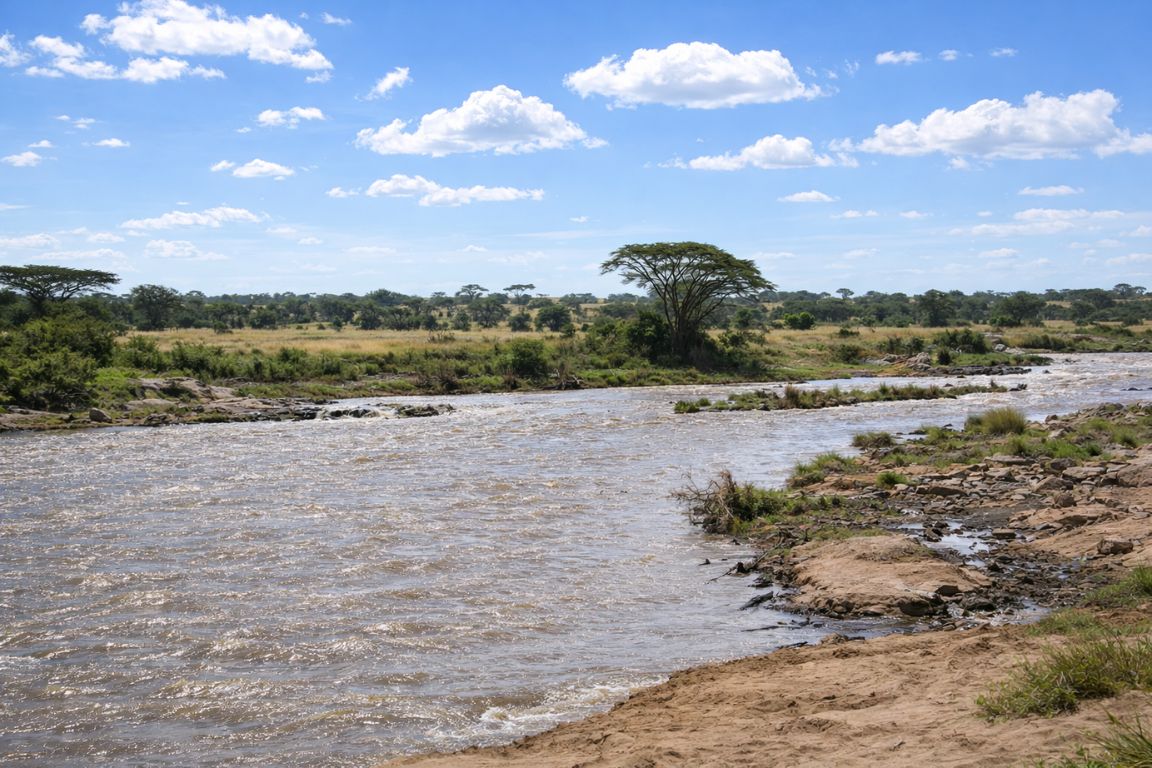 Budget safaris sacrifice speed, convenience, and exclusivity but preserve the core safari experience – you’ll see the same wildlife through the same landscape, just with more people around you, longer travel times, and fewer flexibility options. The lions don’t know you saved $4,000.
Wildlife density, park access, and the fundamental thrill don’t change. The Maasai Mara ecosystem doesn’t segregate animals by tourist budget tier. Budget camps outside the reserve boundary still get you into the same territory every morning. You’re seeing the same cheetah coalitions, the same river crossings, the same predator-prey dynamics.
The first sacrifice is time spent not on safari. A typical budget package starts with 5-6 hours in a minibus from Nairobi. Over a 3-day safari, you’ve spent 10-12 hours in transit. A luxury fly-in safari covers the same route in 2 hours total, recovering almost a full day you can spend watching wildlife.
You lose exclusive access and off-road mobility entirely. The main reserve enforces strict on-road rules. When your guide spots a leopard 200 meters off the track, you’re stuck watching through binoculars. Conservancy vehicles drive directly to the sighting. We’ve seen 40+ vehicles converge on a Mara River crossing during peak migration, all jockeying for position. Conservancies cap it at 3-5 vehicles and actually enforce the rule.
Accommodation shifts from adventure to comfortable enough. Budget tented camps offer walk-in safari tents with twin beds, basic en-suite bathrooms, and communal dining. Electricity runs on generator power from 6 PM to 10 PM. You’ll hear hyenas around camp at night. What you won’t get: hot water on demand, WiFi that works, laundry service. What you will get: clean sheets, mosquito netting, three solid meals, and the same stars overhead that luxury camps charge $2,000 to sleep under.
Which Safari Style Gives You Better Wildlife Viewing?
 Luxury conservancy safaris deliver more consistent, high-quality wildlife encounters because of off-road access, lower vehicle density, and guides who’ve built relationships with individual animal territories over years. Budget safaris in the main reserve offer equally dramatic moments — especially during migration – but you’re competing with more vehicles, stuck on designated tracks, and reliant on luck rather than tactical positioning.
The conservancy advantage is structural. Mara North, Olare Motorogi, and Naboisho collectively cover roughly 35,000 acres with unfenced borders allowing wildlife to move freely. These areas enforce a maximum of 1 vehicle per 350 acres and limit sightings to 3-5 vehicles. Conservancy guides can drive off-road to follow predators. When a coalition of male lions walks into thick bush, you follow them in instead of stopping at the tree line.
Vehicle density directly impacts viewing quality during peak migration months (July-October). The main reserve holds the majority of river crossings, and crossing points draw 40-60 vehicles when wildebeest herds gather. You’ll see the crossing – impossible to miss half a million wildebeest thundering into crocodile-infested water – but you’ll share it with safari vans parked three-deep.
Night drives and walking safaris create wildlife encounters budget travelers cannot access. Conservancies permit guided night drives where you spotlight servals, honey badgers, African wildcats, and occasionally leopards actively hunting. Walking safaris with armed rangers let you track on foot, reading spoor to reconstruct what moved through hours earlier. Neither activity is legal in the Maasai Mara National Reserve.
The honest assessment: budget safaris in the main reserve give you 80-85% of the wildlife viewing experience at 30-40% of the cost. You’ll see lions, elephants, cheetahs, the Great Migration if you time it right. You won’t see nocturnal species, you’ll share prime sightings with crowds, and you’ll miss the hunts that happen 200 meters off-road.
We’ve been coordinating these safaris for travelers since 2012. You can start from a set itinerary such as the 3-day group adventure by Land Cruiser.
How Do Accommodations Compare Beyond The Instagram Photos?
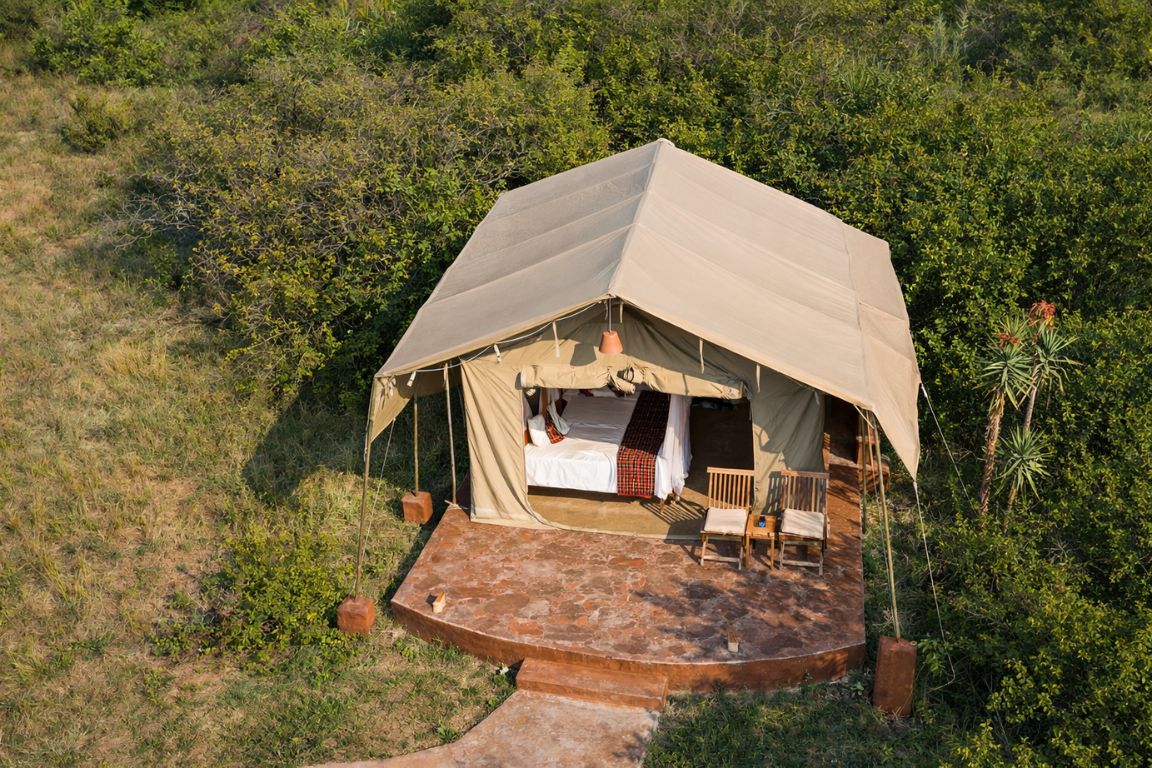 Budget camps deliver functional comfort – hot showers, decent beds, mosquito nets, and three meals daily – but sacrifice aesthetics, space, and modern conveniences like reliable WiFi and 24-hour power. Luxury camps turn accommodation into an experience itself with architectural design, premium amenities, and attentive service. The Instagram photos make luxury camps look transcendent; reality is they’re genuinely more comfortable, but you’re still sleeping in a tent with canvas walls either way.
Budget tented camps cluster outside reserve gates where land leases are cheaper. A typical budget tent is 4×4 meters with zippered canvas door, twin beds, and an en-suite bathroom with toilet, sink, and shower. Hot water works reliably 6-9 AM and 5-8 PM when generator power runs. Floors are concrete or packed earth with a rug. Lighting shuts off around 10 PM.
Looking to cut accommodation costs? Check out our guide on budget camps in Maasai Mara safari tours – some are genuinely good value while others are just cheap for a reason.
Mid-range lodges upgrade space and materials. Tents expand to 30-40 square meters with separate sitting areas, verandas, and hot water on demand. Some add pools, full bars, and WiFi in communal areas. Generator power often runs 24 hours. Dining becomes more intentional with wider variety and higher-quality ingredients.
Luxury camps reimagine accommodation as integrated architecture. Tents are permanent structures with hardwood floors, floor-to-ceiling windows, king beds, copper soaking tubs, and private decks extending 80-120 square meters. Power and connectivity are seamless via solar arrays with battery storage. Service becomes personalized with dedicated tent attendants who learn your preferences. Dining shifts to plated, multi-course affairs with wine lists and flexible locations – breakfast on your deck, lunch by the Mara River, dinner under stars.
Here’s what Instagram doesn’t show: canvas is canvas. Luxury tents are larger and better furnished, but you’re still separated from elephants by fabric walls. Baboons steal from luxury camp decks as enthusiastically as they raid budget mess tents. Dust infiltrates everything regardless of price.
We’ve done the legwork comparing the best safari camps in Maasai Mara safari tours so you don’t book somewhere with terrible game viewing just because the photos look nice.
Should You Mix Budget And Luxury Elements In One Trip?
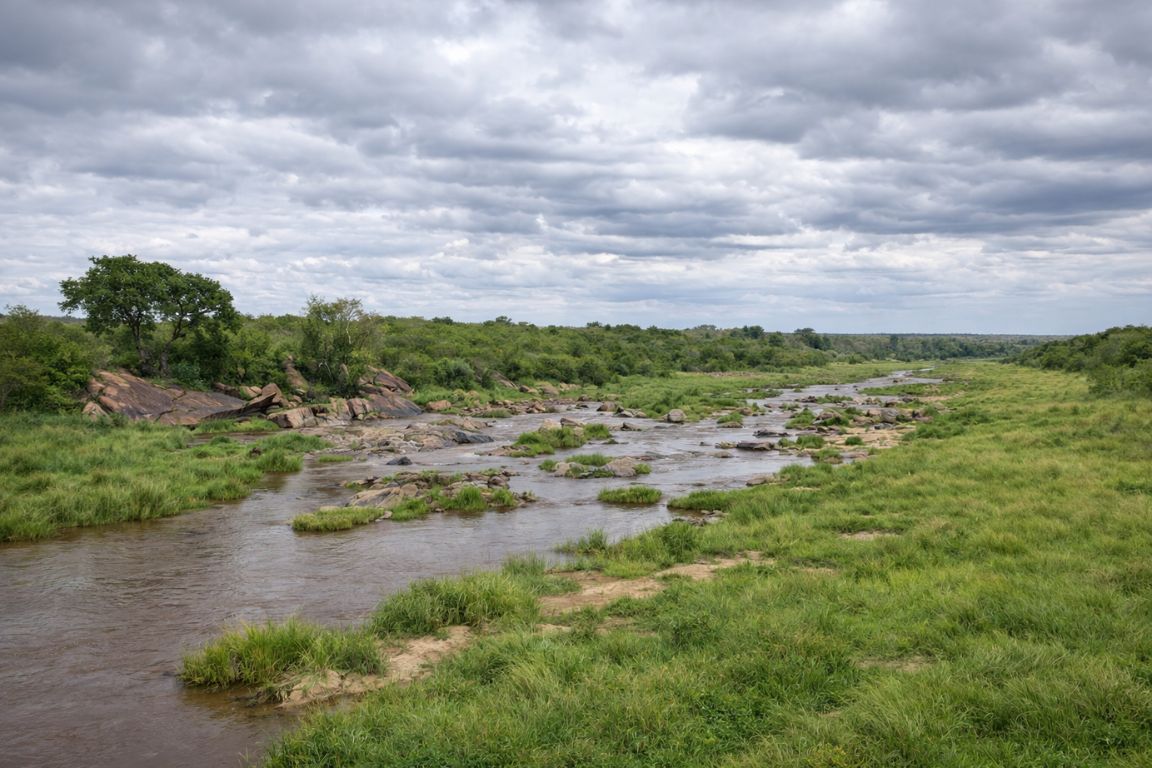 Splitting your Maasai Mara safari between a budget camp in the main reserve and a luxury conservancy property is one of the smartest value plays available – you get wildlife density and migration access of the main reserve for 2-3 nights at $300-400 total, then move to a conservancy for 1-2 nights at $1,000-2,000 to experience exclusive access without paying luxury rates for your entire trip. You save $1,500-3,000 compared to going full luxury for 4-5 nights.
The split-stay model works because the Mara ecosystem rewards different approaches. Days 1-3 in the main reserve let you cover ground, see high volumes of wildlife, and hit major landmarks: river crossings, Topi Plains cheetah corridor, lion prides along the Talek River. You’re spending $300-450/day total per person, seeing exceptional wildlife.
Days 4-5 shift to a conservancy where you’re paying $800-1,500+ per night all-inclusive, but the experience is categorically different. Now you’re tracking leopards through riverine forest off-road, following cheetah hunts without 20 other vehicles, taking night drives, and walking with armed rangers. Two nights of this is enough to experience the conservancy model without blowing your budget.
The contrast itself enhances appreciation. After 3 nights of communal dining and generator power at a budget camp, checking into a luxury tent with a bathtub and 24-hour power feels like stepping into a different tier of travel. Most of our clients who split their stays report that the budget portion taught them what to look for, while the conservancy portion delivered the refined encounters they didn’t know to expect.
Not sure how to fill four days? Check out our 4-Day Maasai Mara safari tours itinerary – it covers everything with better pacing than the standard three-day rush.
What Hidden Costs Catch Budget Travelers Off Guard?
Three hidden costs blow up budget safari planning: (1) park entry fees charged per 12 hours instead of per day, which can double your park fee spend if you’re not careful about timing, (2) tips for guides and camp staff adding $15-25 per person per day, and (3) excluded basics like drinking water, soft drinks, and laundry that luxury camps include but budget properties charge separately. Expect to add 20-30% to your quoted safari price to cover these gaps.
Park entry fees are the most financially punishing surprise. Narok County’s 12-hour validity window means your $100 or $200 entry fee covers either 6 AM-6 PM or 6 PM-6 AM, not a full calendar day. If your morning drive runs 6 AM to 11 AM and you return for an afternoon drive 4 PM to 6:30 PM, you’ve crossed into two separate 12-hour windows and owe two entry fees. Over a 3-day safari, this can inflate park fees from the expected $300 to $500.
Tipping culture in Kenya is strong. Budget packages rarely include tips, leaving you to navigate the social dynamics. Industry standard is $10-15 per person per day for your driver-guide, $5-10 per person per day for camp staff. Over a 4-day safari with 2 people, that’s $80-120 in tips on top of your base package.
Drinks and incidentals create death by a thousand cuts. Budget camps include three meals but exclude beverages except water at meals. Morning coffee costs $3. A Coke with lunch costs $4. A Tusker beer at dinner costs $5. Two sodas and two beers per day for two people over 4 days adds $160. Some camps charge for bottled water in rooms ($2-3 per liter) when you’re in 95°F heat.
The honest budget for a 3-day budget safari advertised at $800-1,000 should include: $800-1,000 base package, $300-400 park fees, $100-150 tips, $100-200 drinks and incidentals. That’s $1,800-2,400 per person all-in, not the $800-1,000 you budgeted.
Planning the flow of your safari? This 3-Day Maasai Mara safari tours itinerary shows you how to combine morning drives, rest periods, and evening game viewing without burning out.
Safari Tier Comparison: What You Actually Get
| Daily Rate | $220-$400 | $500-$900 | $1,000-$2,500+ |
| Vehicle | Safari minibus, 7 passengers | Land Cruiser, 4-6 passengers | Private/semi-private Land Cruiser |
| Location | Outside reserve, 30-60 min from gates | Inside reserve, 10-20 min from action | Private conservancy, exclusive zones |
| Wildlife Access | On-road only, 10-40 vehicles at sightings | On-road main reserve | Off-road access, 3-5 vehicle caps, night drives |
| Transfers | 5-6 hr road from Nairobi | Road or optional flight | Included flight, 1 hour |
Prices verified March 4, 2026
Which Option Makes Sense For Your Travel Style?
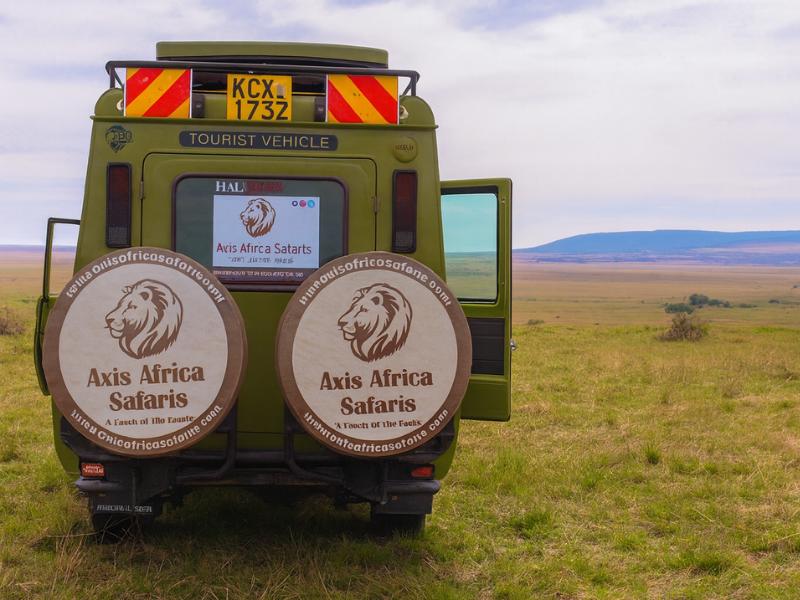
Choose budget if you’re financially constrained, comfortable with basic amenities, and primarily focused on wildlife over accommodation comfort. Choose luxury if you value exclusivity, privacy, and premium service. Choose mid-range if you want solid comfort and good wildlife access without paying for ultra-premium perks. Most first-timers get the best value-to-experience ratio in the mid-range tier.
Budget makes sense for backpackers building life-list experiences on limited funds, photographers who care more about being in position at dawn than thread count, and experienced safari-goers who know the wildlife experience translates across price points. If you’re willing to share a vehicle with strangers, wake at 5 AM without complaint, and view your tent as a place to sleep rather than an experience, budget delivers 85% of the Mara for 30% of the luxury cost.
Budget doesn’t work well for families with young children who need space and flexibility, anyone with mobility limitations requiring easier bathroom access, travelers who value downtime amenities like pools and WiFi, and honeymoon couples who imagined intimate sunsets rather than communal dining with 40 guests.
Luxury makes sense for honeymoon couples, milestone celebrations, photographers serious about portfolio-quality work needing off-road positioning, and anyone for whom safari is a bucket-list trip they’re only doing once. If exclusivity matters – genuinely being alone with a leopard rather than watching it with 15 other vehicles – luxury conservancy access is the only way to guarantee that consistently.
For most first-timers, we recommend starting mid-range, for example the 3-day Maasai Mara game drive safari from Nairobi. It removes most friction points (cramped vehicles, unreliable hot water, long road transfers, basic food) without demanding luxury budgets. You’ll know within 48 hours whether you wish you’d spent more for conservancy access or whether the mid-range experience is so good that you’d have been perfectly happy at budget tier.
What Our 2,500+ Travelers Actually Choose
| Budget | 22% | 3.2 days | 34% |
| Mid-Range | 51% | 4.7 days | 62% |
| Luxury | 18% | 5.8 days | 71% |
| Mixed | 9% | 5.1 days | 58% |
Based on 847 client groups served January–December 2025.
The pattern we see consistently: first-timers book mid-range, love the Mara so much they return within 2-3 years, and upgrade to luxury conservancy access on the second trip. Budget tier serves primarily as an entry point for younger travelers testing whether safari travel appeals to them before committing larger budgets.
Questions before you commit? Compare inclusions on the 4-day Maasai Mara and Nakuru group safari before you decide.
Frequently Asked Questions
Is a budget Maasai Mara safari worth it if I can afford mid-range?
Budget safaris deliver the core wildlife experience at a fraction of luxury costs, making them absolutely worth it if you’re comfortable with basic amenities, shared vehicles, and longer travel times. You’ll see the same lions, elephants, and migration spectacles. What you sacrifice is convenience, comfort, and exclusive access. If budget constraints are real, go budget without hesitation. If you can stretch to mid-range without financial stress, the upgrade is worth the 50-70% price increase for most travelers.
Can you see the Great Migration on a budget safari?
Yes. The Great Migration occurs in the main Maasai Mara National Reserve from July through October, and budget safaris access this area just as easily as luxury options. River crossings happen regardless of your accommodation price point. Budget travelers see the same crossings but share viewing spots with more vehicles and can’t follow herds off-road.
What’s the minimum budget for a decent Maasai Mara safari?
Plan $800-1,200 total per person for a basic 3-day budget safari including road transport from Nairobi, park fees, accommodation, and meals. Add $100-200 for tips and incidentals. All-in realistic budget for a first-time 3-day trip is $1,000-2,000 per person depending on season. Anything cheaper often cuts corners on vehicle maintenance, guide quality, or food safety.
Do luxury camps offer better wildlife viewing than budget camps?
Luxury conservancy camps deliver more consistent, intimate wildlife encounters through off-road access, vehicle limits, and superior positioning, but budget travelers in the main reserve see equivalent wildlife diversity and abundance. The difference is crowd management and flexibility, not animal presence. Conservancy guests watch predator hunts unfold 10 meters away without other vehicles. Budget travelers watch from designated roads with 15 other vehicles nearby.
Should I book directly or through a tour operator?
Tour operators who specialize in Maasai Mara safaris offer better value than booking camps directly because they pre-negotiate rates, handle logistics across multiple properties, coordinate transfers, and troubleshoot problems in real-time. Direct bookings work for luxury camps where you’re staying one property the entire trip, but multi-camp itineraries or budget safaris benefit enormously from operator expertise.
Written by Zara Akinyi Omondi
Kenyan tour guide since 2012 · Founder, Maasai Mara Safari Tours
Zara has guided over 2,500 travelers through Maasai Mara and Kenya’s premier safari destinations since founding the agency.