4-Day Maasai Mara Safari Itinerary
4 days in Maasai Mara is the sweet spot - two full safari days, better river crossing chances, and deeper exploration. Budget $1,100-$1,600 mid-range.
Booking Choice: The fourth day changes the pace, but the verified four-day option here adds Lake Nakuru. Use the end tool to compare that route honestly with Mara-only three-day bases. Explore 4 Days Masai Mara National Reserve Luxury Lodge Safari
Last updated: March 11, 2026
Four days, three nights is the trip most of our travelers wish they had booked when they show up for three. You get two full game drive days instead of one, which means Day 3 can push deep into the Mara Triangle or stake out a river crossing point with the patience a 3-day trip can’t afford. Budget $1,100 to $1,600 per person for a solid mid-range road safari, not counting flights. The extra day roughly doubles your park fee cost compared to 3 nights, so the math matters most in peak season. Drive or fly from Nairobi, exit the park by 10 AM on Day 4, arrive back in the afternoon.
Explore 4 Days Masai Mara National Reserve Luxury Lodge Safari
Quick Facts: 4-Day Maasai Mara Safari
People who have done both will tell you it clearly: three days in the Mara feels like you’re just getting started when it’s time to leave. Four days feels like you actually lived there for a while. It’s not a subtle difference. The third full day changes something about how you move through the reserve, how you read the landscape, what you’re willing to sit and wait for.
On a 3-day trip, you protect every hour because you can’t afford to spend two hours waiting at a bend in the Mara River on the chance that a crossing will happen. On a 4-day trip, you can. That patience is what converts good safaris into ones people spend years trying to describe to people who weren’t there.
This guide walks through the 4-day trip hour by hour, explains what the extra day specifically unlocks (the Mara Triangle, river crossing positioning, conservancy combinations), and gives you the honest cost math for 2026.
| Trip structure | 4 days, 3 nights (arrive Day 1 afternoon, depart Day 4 morning) |
| Full game drive days | 2 (Days 2 and 3), plus partial drives on Days 1 and 4 |
| Nairobi to Mara by road | 5.5 to 6 hours via Great Rift Valley and Narok |
| Nairobi to Mara by air | 45 minutes from Wilson Airport to Mara airstrip |
| Park fees (non-resident adult) | $100/day low season (Jan to Jun) | $200/day peak (Jul to Dec) |
| Total park fee cost, 3 nights | $300 low season | $600 peak season per person |
| Park exit rule | Must exit by 10:00 AM on departure day |
| Game drives included | 5 to 6 total (Day 1 afternoon, Days 2 and 3 morning and afternoon or full day, Day 4 brief morning) |
| Mid-range package cost | $1,100 to $1,600 per person (road, includes park fees, accommodation, meals) |
| Luxury fly-in package | $2,000 to $4,000+ per person |
| Best season for migration | July to October (Mara River crossings, peak wildlife activity) |
| Best season for value | January to February and June (excellent game, lower fees and rates) |
| Recommended booking lead time | 3 to 4 months standard | 9 to 12 months for July to October peak |
| Hot air balloon add-on | $450 to $600 per person, best scheduled Day 2 or Day 3 morning |
Prices verified March 2026 against Kenya Wildlife Service official fee schedule and published operator rates.
Is 4 Days The Sweet Spot For Maasai Mara, And What Does The Extra Day Actually Change?
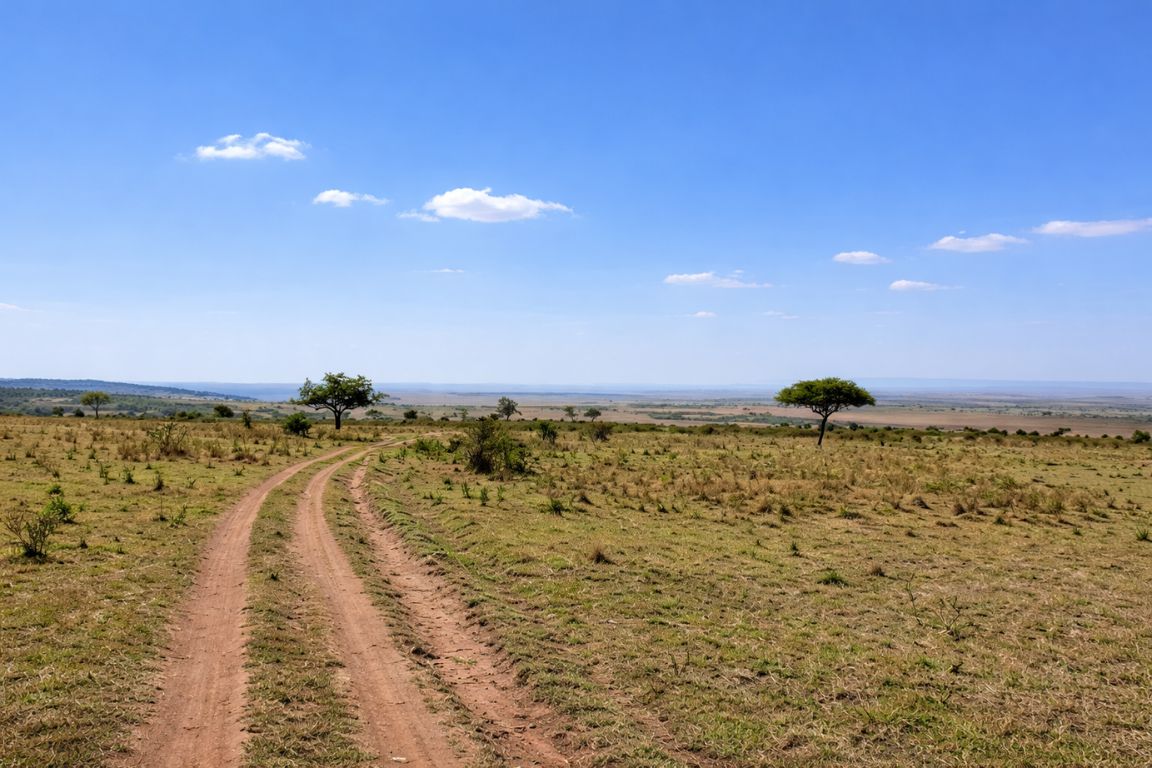 Four days gives you two full game drive days, which doubles your chances of being in the right place when something extraordinary happens. It also lets you cover the Mara Triangle properly on one day while using another for the central plains and river corridor. Most operators and experienced guides call 4 days the minimum for a thorough Mara experience. Three days works. Four days is where the trip stops feeling rushed.
Here’s the concrete difference. On a 3-day trip, Day 2 is your single full game day and you have to make every decision count. Do you spend three hours waiting at a crossing point or keep moving? Do you follow that cheetah south or stay near the river where the hippos are active? Every choice means giving something up.
On a 4-day trip, Days 2 and 3 serve different purposes. Day 2 covers ground, finds the resident predators, learns the layout. Day 3 can commit to something specific: a slow morning near a kill site, an all-day push to the Mara Triangle’s western edge, or a patient wait at a crossing point that a 3-day traveler can’t justify. The reserve is 1,510 square kilometers and a good guide covers it very differently when they have two full days to work with.
There is also something that happens to most travelers around the end of Day 2. The first-day adrenaline settles. You stop thinking about checking animals off a list and start actually watching. A lioness drinking becomes ten minutes of stillness rather than three photographs and an onward drive. That shift is part of what a 4-day trip is for.
We’ve got a full analysis on how many days you need in Maasai Mara safari tours based on different safari goals and whether you’re there for the migration or year-round wildlife.
Road Or Flight From Nairobi: Which Option Works Best For A 4-Day Trip?
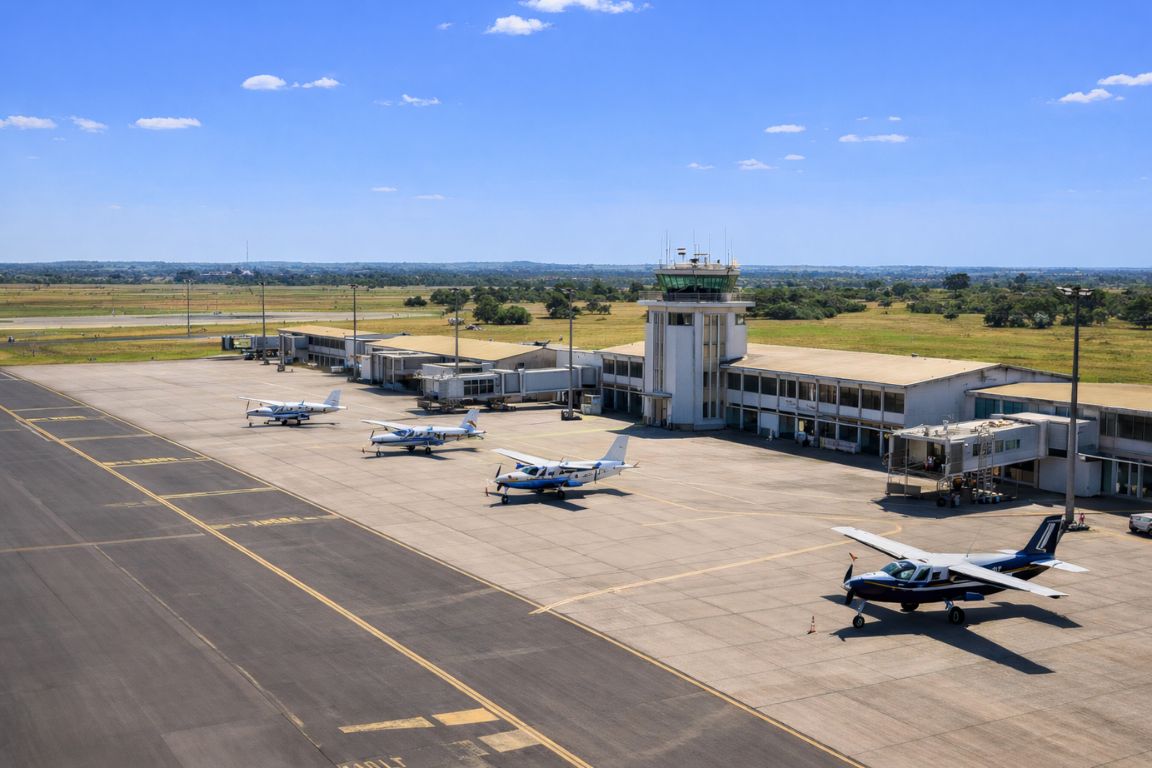 Flying from Wilson Airport saves you 5 to 6 hours of driving each way and gets you into the reserve in better condition. For a 4-day trip, flying also makes Day 4 easier: a morning flight out means your departure doesn’t eat the afternoon drive time the way a road return can. Road safaris cost significantly less and suit travelers who want the Rift Valley scenery and aren’t counting every hour in the reserve.
The math on flying is more favorable for 4 days than for 3. With a 3-day trip, the flight premium is harder to justify when the total time in the reserve is already limited. On 4 days, you’re paying for a better arrival experience and a cleaner departure on Day 4. Flying back on Day 4 means you can take your morning drive right up to 9 AM, get to the airstrip, and be back in Nairobi by noon. Road return means you’re in the vehicle from 8:30 AM to 2:30 PM, some of that time covering ground you already drove on Day 1. Fine, not ideal.
Road departures from Nairobi need to happen by 7:30 AM. You’ll pass through the Great Rift Valley viewpoint, stop in Narok town, and hit the park gate by early afternoon. The Day 1 arrival follows the same logic as the 3-day trip: check in, lunch, afternoon drive at 3:30 PM. The road is your friend going in, especially at this pace. Seeing Kenya from a vehicle rather than from 3,000 feet matters to some travelers, and that preference is valid.
Baggage restriction on light aircraft: 15 kilograms per person in soft-sided bags. This applies to return flights too, so pack accordingly from the start.
If you’re trying to figure out the best route, here’s getting from Nairobi to Maasai Mara explained by cost, time, and which option actually makes sense for your safari.
Day 1: Arrival And Your First Drive Into The Reserve
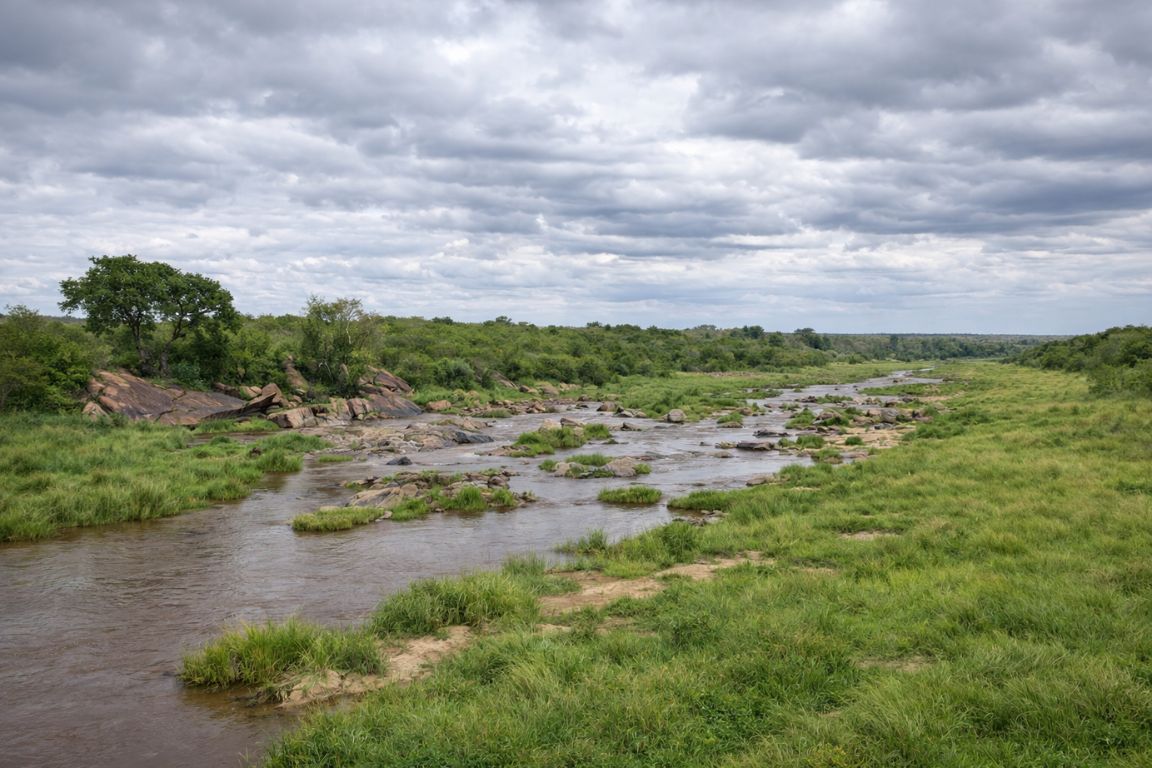 Day 1 is arrival and orientation. By road you check in around 12:30 to 1:30 PM; by air you land at the Mara airstrip between 10:00 AM and noon. After lunch, your first game drive goes out at 3:30 PM and runs until 6:30 PM. The afternoon light on Day 1 is excellent for photography and the animals are beginning to move again after the midday heat. Expect lion, buffalo, giraffe, and zebra before dinner. Most travelers also see elephant on Day 1.
First drives are different from every drive that follows. Everything is new. You haven’t calibrated your eyes yet to the scale of the place, so your guide will be pointing at things you would have missed for the first twenty minutes. A kori bustard standing in the grass 80 meters away. Three jackals trotting along a dry lugga. The outline of a buffalo herd along the distant tree line that looks like rocks until it moves.
The reserve entrance your guide uses on Day 1 depends on where your camp is located. Sekenani Gate serves the eastern and central sections. Talek Gate is the entry point for the central Talek River corridor, which has excellent lion territory and is where many mid-range camps are positioned. Oloololo Gate on the western side is the entry for the Mara Triangle, though most 4-day itineraries save the Triangle for Day 3 when you have the energy and mental space to appreciate its specific character.
Day 1 evening sets the rhythm for the trip. Dinner at camp, fire if the lodge offers it, the sounds of the reserve at night. Hyena calling in the distance. The occasional hippo grunt from whatever river or marsh is nearby. Sleep as early as you can. Day 2’s alarm goes off before the sky changes color.
Not sure where to start? I’ve put together a complete guide on how to plan a Maasai Mara safari tours so you understand timing, accommodation options, and how to book without getting ripped off.
Day 2: The First Full Day, Morning Hunt Conditions, And Reading The Reserve
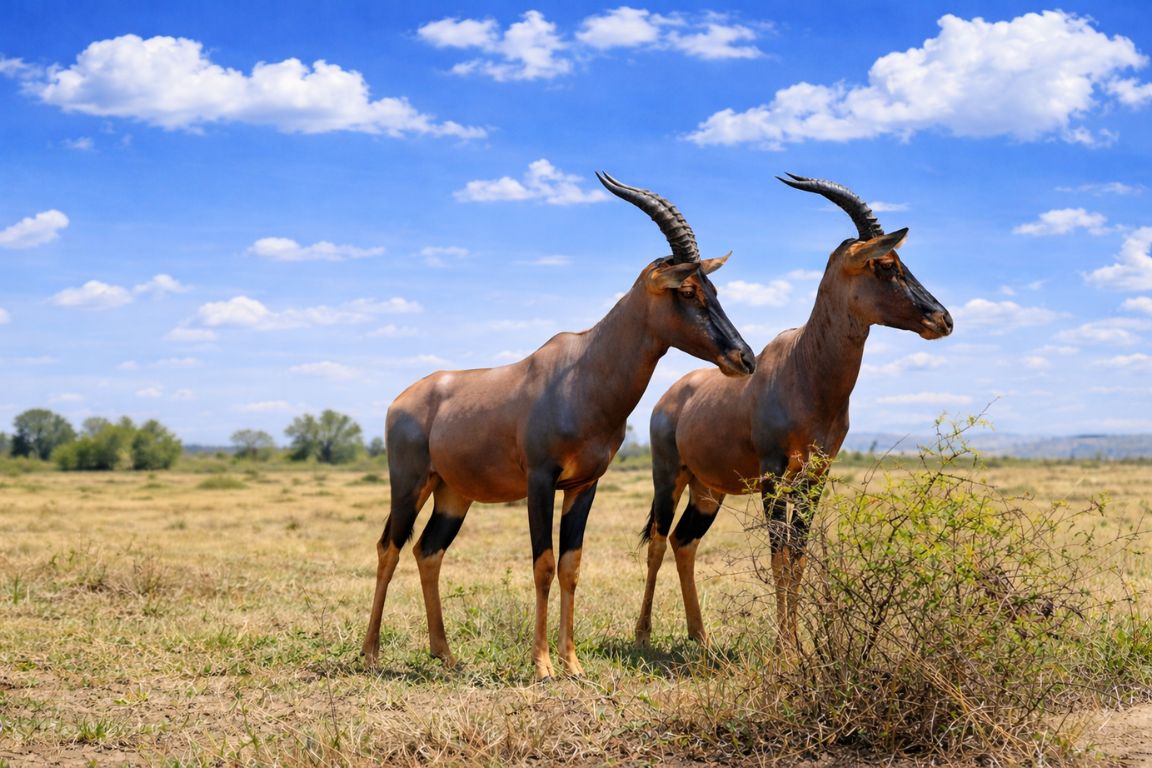 Day 2 is your first proper full day and arguably the most productive wildlife day of the trip. You’re out by 6:15 AM in the best predator light, covering ground across the central plains and river corridor. The morning drive catches lions returning from the night, cheetah on open termite mounds, and often a buffalo or elephant encounter before 8:00 AM. Day 2 is also when your guide starts learning what you most want to find, which shapes the rest of the trip.
The 6:00 AM wake-up hurts less than you expect. There’s something about the pre-dawn air in the Mara that wakes you up faster than coffee. By the time the vehicle pulls away from camp the sky is turning from black to deep blue in the east, and the first animals you encounter are usually impala, hundreds of them, already alert and feeding. Then something else catches the guide’s eye half a kilometer out, and you lift your binoculars and it’s a lion. You haven’t eaten breakfast yet. You are not thinking about anything except what the lion is doing.
The radio network between guides is at its most active in the first two hours. Guides who have been on predawn drives share what they found: which pride is at a kill near the lugga, where the cheetah mother with three cubs was last seen at dusk the night before. Your guide takes this information and decides whether to head toward the report or continue working the area independently. A resident guide with years in this specific ecosystem makes this call based on knowledge that no amount of research can replicate.
Most operators offer two options for Day 2: return to camp for breakfast around 9:00 AM and head out again at 3:30 PM, or take a packed bush breakfast and stay out all day. The full-day option is what we recommend for most travelers on a 4-day trip. Going back to camp costs 45 to 90 minutes of driving each way depending on camp location. Staying out gives you the bush breakfast somewhere beautiful, a slower midday watching the reserve settle into shade, and seamless positioning for the afternoon when things heat up again around 4:00 PM.
The Mara River is a Day 2 destination worth committing to. Even outside migration season, the river holds year-round drama: hippo pods, enormous Nile crocodiles, and a diversity of bird life that stops most travelers in their tracks even if they thought they weren’t bird people. During July to October, the river is where everything concentrates. Herds of wildebeest and zebra gather on the banks and may take hours to cross. Your guide knows the best positioning points. The correct protocol is engine off, no talking, and wait. If a crossing happens while you’re there, nothing in this article prepared you for it.
Afternoon drive runs 3:30 to 6:30 PM. This is typically cheetah and leopard time, the cats that do their serious hunting in the lower-angle light. Elephants often come to the river or the waterholes in the late afternoon, which produces the kind of photographs that make people who haven’t been to Africa go quiet when you show them.
If you want a private vehicle and a set lodge base rather than assembling the sequence yourself, look at the 3-day private Maasai Mara safari from Nairobi with a Sopa Lodge stay.
Day 3: The Mara Triangle, River Crossings, And What The Extra Day Unlocks
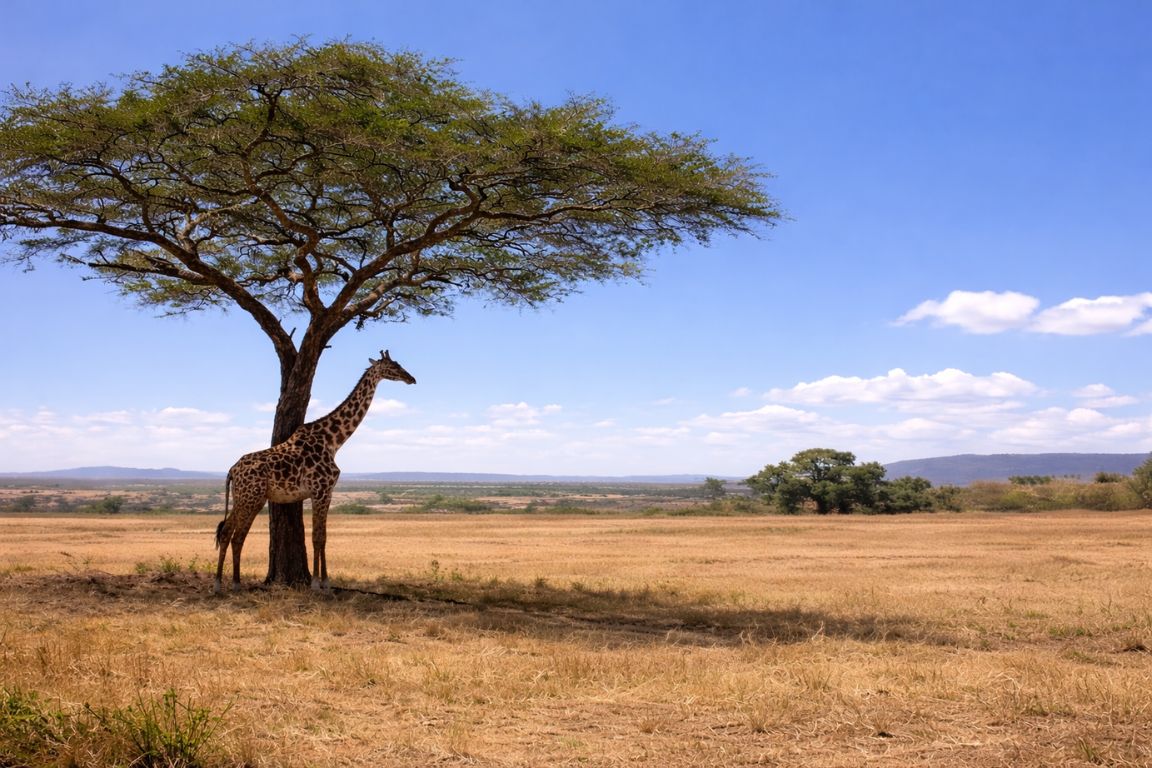 Day 3 is the day the 4-day trip earns its keep over 3 days. With the central reserve covered on Day 2, you can dedicate Day 3 to the Mara Triangle, the less-visited western section managed separately by the Mara Conservancy. It has fewer vehicles, more open terrain, the Oloololo Escarpment as a backdrop, and sits directly on the primary crossing points where the Great Migration enters from the Serengeti. The Mara Triangle rewards patience. Plan to spend the full day.
Most 3-day itineraries either skip the Mara Triangle entirely or fit in a brief visit that doesn’t do it justice. The Triangle covers 510 square kilometers on its own, with the Mara River forming its eastern border and the 400-meter Oloololo Escarpment rising to the northwest. The landscape looks different from the central plains: more open in places, more riverine forest in others, with volcanic rocky outcroppings that provide excellent cheetah lookout positions.
There is a practical note about access. The Mara Triangle is part of the main Maasai Mara National Reserve, but it is managed separately by the Mara Conservancy. Entry from the main reserve side requires crossing the Mara River at Purungat Bridge, and from 2024 onward the ticketing arrangements between the two sections have been updated. Your operator and guide handle all of this, but it’s worth knowing that a day trip from the eastern reserve into the Triangle requires some coordination at the gate.
Wildlife in the Triangle tends to be slightly less pressured than in the central reserve, simply because fewer vehicles operate there on any given day. During migration season from July to October this is where the incoming herds first arrive from the Serengeti, making the Triangle the primary crossing action zone. Outside migration it’s still productive: lions are resident, cheetah are frequently seen, and the escarpment edge gives you views across the plains that you don’t get from the flatter central sections.
If you’re doing a hot air balloon safari, consider scheduling it for Day 3 morning rather than Day 2. The balloon takes off pre-dawn and ends with a champagne bush breakfast, which means you lose your morning game drive that day. On Day 2, losing the morning is more expensive because it’s your only other full day in the central reserve. On Day 3, you can follow the balloon with an afternoon drive into the Triangle and still get everything. The flight over the Triangle and the river during migration season is something else entirely.
Day 3 afternoon: return drive covers different ground than the morning approach. Guides often route back through sections they haven’t covered yet, which on a 4-day trip means you’re still finding new areas on your last full day. This is the quality that separates 4 days from 3. You’re not retreading the same circuit. The reserve keeps opening up.
Need a game plan? I’ve put together a complete 3-Day Maasai Mara safari tours itinerary that maps out what to do each day to maximize your game viewing.
Day 4: Final Morning Drive And Getting The Departure Right
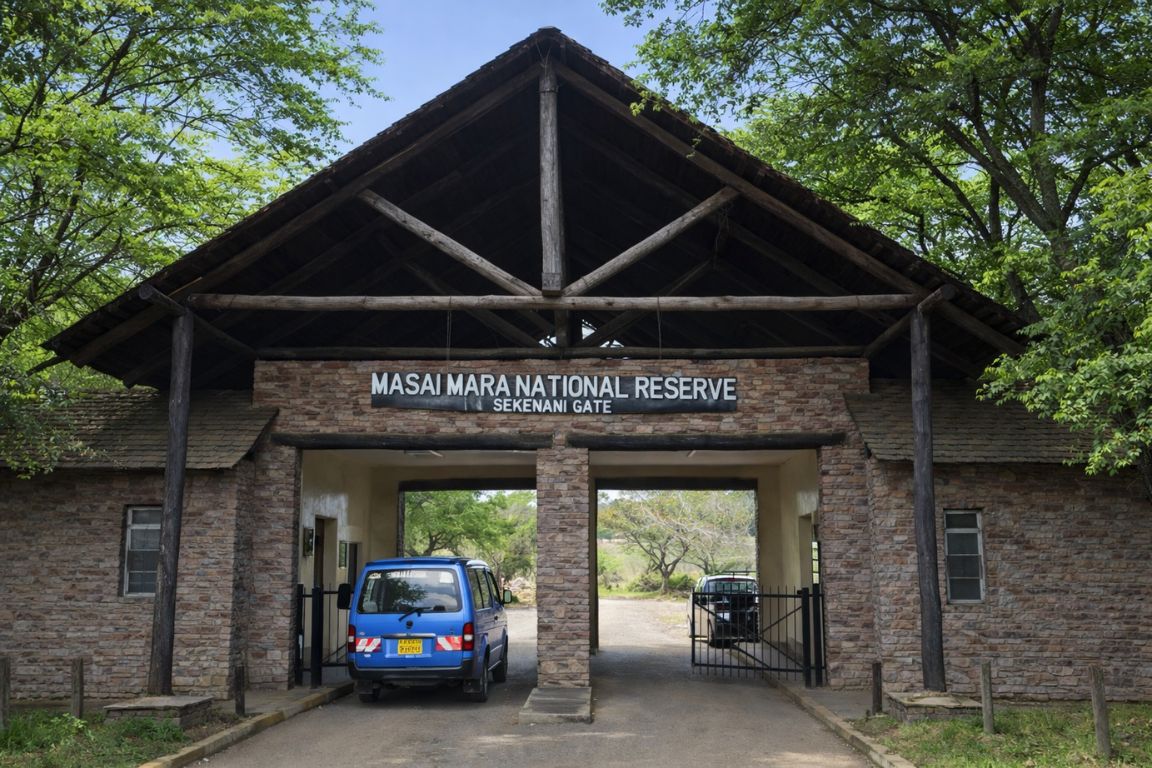 Day 4 follows the same departure structure as a 3-day trip: brief morning drive, camp checkout by 8:30 AM, out of the park by 10:00 AM. By road you’re back in Nairobi by early afternoon. By air, a morning flight has you back in Nairobi before noon. The Day 4 morning drive is real wildlife time, not a formality. Dawn on the last day often produces sightings that feel like the reserve’s final say before you leave.
The 10:00 AM park exit rule is unchanged for a 4-day trip. Checkout needs to happen by 8:30 AM at most camps, allowing a two-hour morning drive that starts at 6:00 or 6:30 AM. It’s not the leisurely final morning you’d ideally want, but it’s still the best light of the day and your guide will be working hard for a send-off sighting.
One decision worth making before Day 4: where do you want to eat your last meal in the reserve? Most operators offer a packed breakfast taken in the bush on departure mornings. Choose a good spot with your guide the night before. The last bush breakfast of a 4-day Mara trip, eaten quietly somewhere on the plains with your vehicle engine off, tends to be one of the things travelers describe first when they get home.
By road back to Nairobi, the drive covers the same route in reverse: out through Sekenani or Talek Gate, through Narok, up through the Rift Valley. Some operators stop at a craft market in Narok or at the Rift Valley viewpoint on the return. It’s worth the 20-minute stop. By air, you’ll be transferred to the nearest Mara airstrip for a 10:00 or 10:30 AM departure, touching down at Wilson Airport by late morning.
Where To Stay For A 4-Day Safari: Accommodation That Works For Three Nights
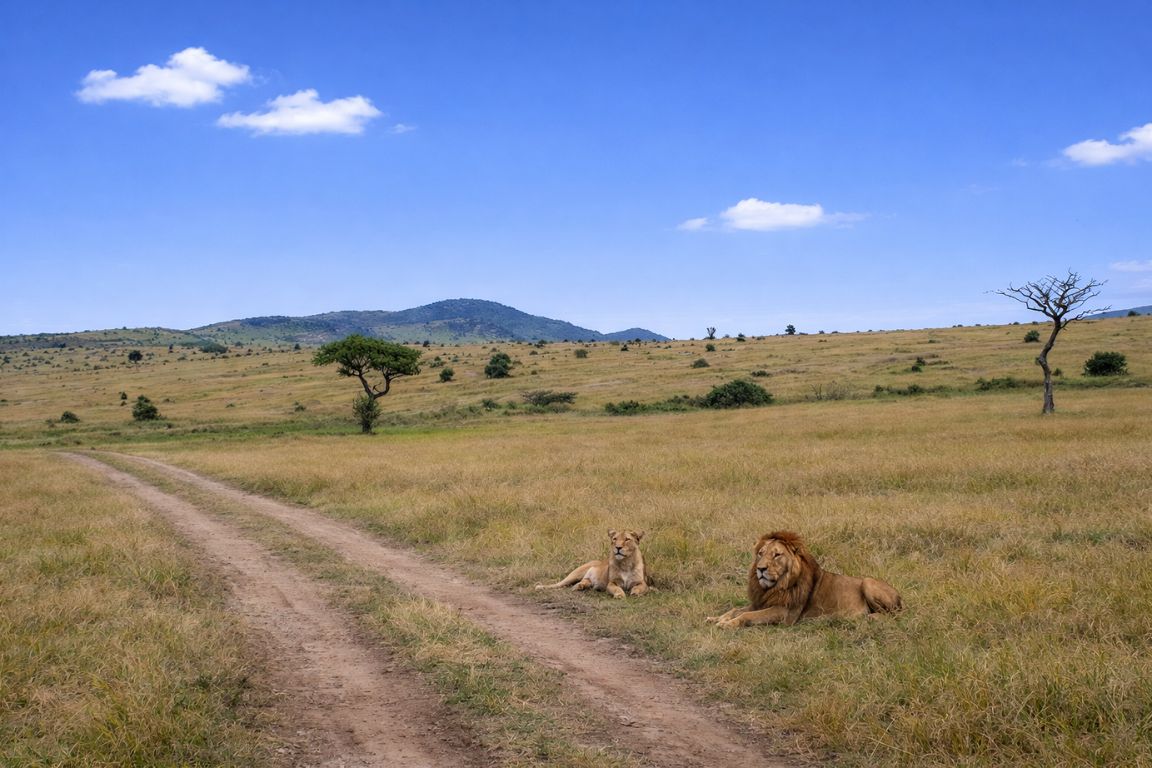 Three nights gives you options that one or two nights can’t support, including a split stay across two locations. Some travelers spend two nights in the main reserve and one in a private conservancy, or two nights near the central plains and one night closer to the Triangle. Single-camp stays are simpler and often cheaper. Split stays require more logistics but let you experience two different ecosystems within the same trip.
| Single camp, main reserve | All 3 nights in one camp inside reserve | First-timers, families, anyone wanting minimal packing and movement | $450 to $900 (accommodation only) |
| Split: reserve (2N) + conservancy (1N) | Days 1 to 2 in main reserve, Day 3 in conservancy | Travelers wanting night drives, off-road access, walking safari on third day | $600 to $1,500 (accommodation only) |
| Split: Mara Triangle (2N) + reserve (1N) | Days 1 to 2 near Triangle, Day 3 in central reserve | Migration-focused travelers who want crossing priority on Days 1 to 2 | $500 to $1,200 (accommodation only) |
| Single camp, conservancy | All 3 nights in a private conservancy | Luxury travelers, photographers, those prioritizing off-road and night drives | $900 to $3,000+ (accommodation only) |
Accommodation costs per person sharing, full board. Prices verified March 2026. Peak season adds 30 to 50% to published low-season rates.
The split stay question is worth thinking through carefully before booking. Moving camps mid-trip means packing, unpacking, and a transfer that takes 45 minutes to two hours depending on distance. For some travelers that feels disruptive. For others, waking up in two different places and having two completely different camp characters across the trip adds significantly to the experience. Our travelers who do a conservancy night consistently rate it as the highlight of the trip, specifically the night drive, which isn’t available in the main reserve at all.
If a conservancy night is on your list, Mara North, Olare Motorogi, Naboisho, and Ol Kinyei are the most established options. Each has its own character and wildlife territory. Vehicle density is strictly capped at all of them, which means a sighting during a conservancy drive is almost always a private experience between your vehicle and the animal.
Not sure where to stay? I’ve compared the best safari camps in Maasai Mara safari tours so you know which ones deliver on location, guides, and overall experience.
How Much Does A 4-Day Maasai Mara Safari Cost: The Honest 2026 Breakdown
A mid-range 4-day road safari from Nairobi runs $1,100 to $1,600 per person sharing, including all park fees for 3 nights, accommodation, meals, transport, and game drives. Fly-in packages start around $2,000 per person. Budget options from $700 per person exist but involve shared vehicles and basic camps. Luxury conservancy packages for 4 days run $2,500 to $5,000+ per person. The biggest single cost shift between 3 and 4 days is the extra night of park fees.
| Park fees (3 nights) | $300 per person | $600 per person | Non-resident adult. Fee doubles July 1 annually |
| Accommodation (3 nights, mid-range) | $450 to $900 per person | $600 to $1,200 per person | Full board; wide range by camp quality and location |
| Road transport (Nairobi return) | $100 to $200 per vehicle | $100 to $200 per vehicle | Shared across party; private 4×4 and guide included in most packages |
| Fly-in return flights | $350 to $500 per person | $350 to $500 per person | Wilson Airport to Mara airstrip and return, 15 kg bag limit |
| Hot air balloon (optional) | $450 to $600 per person | $450 to $600 per person | Best scheduled Day 2 or Day 3. Book well in advance peak season |
| Conservancy fees (if split stay) | $90 to $120 per person/night | $90 to $120 per person/night | Separate from KWS park fees; includes conservancy access rights |
| Maasai village visit (optional) | $20 to $50 per person | $20 to $50 per person | Community contribution; includes transfer and guide |
| Tips (guide and camp staff) | $25 to $35 per person/day | $25 to $35 per person/day | Guide $15 to $20/day, camp staff $10 to $15/day in communal box |
All prices verified March 2026. Peak season surcharges apply July 1 through December 31. Rates vary by operator and camp quality.
The comparison between 3 and 4 days is worth doing directly. A couple doing 3 nights in August pays $1,200 in park fees alone before any accommodation or transport. The same couple on a 4-night August trip pays $1,600 in park fees. That extra $400 buys them a second full game drive day, access to the Mara Triangle with proper time, and the patience to wait out a river crossing. For most travelers who can afford the base 3-day trip, the incremental cost of the fourth day represents the best value-per-experience ratio of any upgrade in the itinerary.
Low season changes this math considerably. January and February offer $300 total park fees for 3 nights per person (versus $600 in peak), accommodation rates that run 20 to 40% below peak, and game viewing that many experienced safari travelers rate as equal to peak season outside of the migration spectacle itself. Predator activity in the dry months can actually be easier to observe because the grass is shorter and animals concentrate around fewer water sources.
Planning your safari budget? Here’s Maasai Mara safari costs explained so you know which expenses are worth it and which ones you can skip without ruining the experience.
What Our Travelers Report After 4 Days In The Mara
After more than a decade running 4-day Mara trips with over 2,500 travelers guided, patterns emerge clearly enough to be useful. The fourth day doesn’t just add time. It changes the quality of every day before it by removing the pressure that turns a 3-day safari into a sprint.
| Rated 4 days as the right length (not too short, not too long) | 74% | Consistent with industry data: 4 days is the modal “satisfied” trip length |
| Would book 4 days again rather than 3 or 5 | 81% | The strong preference for 4-day repeat bookings is our clearest planning signal |
| Visited the Mara Triangle on Day 3 | 68% | Travelers who reached the Triangle consistently rated it as a trip highlight |
| Added hot air balloon on Day 2 or Day 3 | 33% | Higher balloon uptake than 3-day trips; extra day removes the “wasting a morning” concern |
| Wished they had done a conservancy night | 41% | Top post-trip wish: night drive experience available only in conservancies |
| Said wildlife exceeded expectations | 88% | Consistent across all trip lengths; Mara wildlife density genuinely surprises most travelers |
The conservancy wish number is worth paying attention to if you’re planning. We consistently hear from 4-day travelers that the one thing they’d change is adding a night in a conservancy for the night drive. If that’s something you want, build it into the original booking rather than wishing for it afterward. It requires switching camps mid-trip, but for travelers who do it, the combination of the main reserve’s river access and a conservancy’s off-road, after-dark experience is the closest you can get to covering everything the Greater Mara Ecosystem offers in four days.
Questions before you book? Compare a current departure on the 3-day group Land Cruiser safari for camp type, included drives, and open dates.
What Goes Wrong On 4-Day Safaris: The Patterns We See
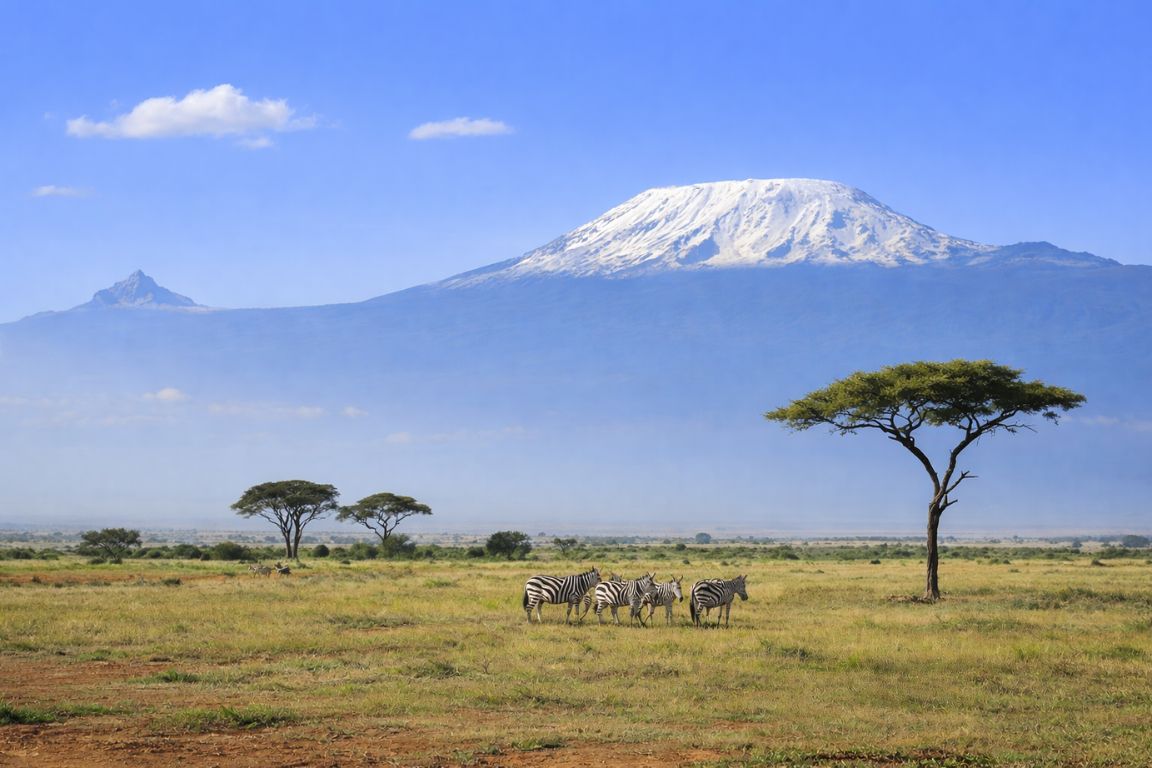 The most common 4-day safari mistakes are the same as 3-day mistakes, just more visible because travelers have more time to notice them. Choosing a camp too far from the reserve. Splitting the trip between the Mara and another park (Lake Nakuru or Amboseli) when the Mara alone would have been better. Scheduling the Maasai village visit on Day 2 instead of Day 3 afternoon. And one that’s specific to 4-day trips: not planning which day is for the Mara Triangle before you arrive.
The multi-park mistake deserves a proper explanation. Many 4-day itineraries online combine 2 nights in the Mara with 1 night at Lake Nakuru or Lake Naivasha. This sounds like good value because you see two ecosystems. In practice it means spending a full day transferring between parks, which is 5 to 6 hours of driving, arriving too late for a proper game drive at the second destination. You’ve sacrificed your third Mara game drive day for a transfer day and a single short drive at a secondary park. We’ve had dozens of travelers come back saying they wish they’d just stayed in the Mara.
Lake Nakuru and Naivasha are genuinely worth visiting on a longer trip such as this 7-day Kenya safari that includes Maasai Mara, Nakuru, Naivasha, and Amboseli, where the movement does not cost you prime Mara time. On a 4-day trip, the Mara alone is the right answer every time.
The village visit timing issue is simpler. If it goes on Day 2, it displaces the second morning or afternoon drive on your first full game day. Put it on Day 3 afternoon after your Triangle morning, or skip it on a 4-day trip altogether if time feels tight. The Maasai cultural experience is real and worth having. It just shouldn’t come at the cost of peak wildlife hours when you’re on a short itinerary.
Frequently Asked Questions
Is a 4-day Maasai Mara safari worth it compared to 3 days?
For most travelers, yes, clearly. Two full game drive days give you enough time to cover both the central reserve and the Mara Triangle properly, and the patience to wait out specific sightings. The incremental cost of the fourth day is the extra park fee, one more night’s accommodation, and an additional day of guide and vehicle time. For travelers who can afford the base trip, the fourth day typically delivers more value per dollar than any other single upgrade in the itinerary.
What does the Mara Triangle offer that the main reserve doesn’t?
The Mara Triangle is the western section of the reserve, managed by the Mara Conservancy nonprofit rather than the county government. It has fewer tourist vehicles, more open terrain, and sits directly on the primary crossing points where migrating wildebeest and zebra enter from the Serengeti. During July to October, it’s the front-row seat for river crossings. Year-round it offers the same Big Five and predator action as the central reserve with less vehicle competition at sightings.
Should I do a split stay across two camps on a 4-day trip?
It depends on priorities. A single camp is simpler, cheaper, and avoids the mid-trip packing and transfer. A split stay, typically two nights in the main reserve and one in a private conservancy, unlocks night drives and off-road driving that the reserve doesn’t allow. For travelers who specifically want the night drive experience, the split is worth it. For first-timers or families with children, a single well-located camp inside the reserve covers everything most travelers are hoping for.
When is the best time of year for a 4-day Maasai Mara safari?
July to October for the Great Migration and Mara River crossings, which are the most dramatic wildlife events in the Mara and among the most spectacular in the world. January and February for open short-grass plains, excellent big cat activity, and the lowest park fees and accommodation rates of the year. June for the period just before migration, when the herds are building toward the river and game viewing is excellent without peak season prices or vehicle density.
How many game drives does a 4-day safari include?
Typically 5 to 6, depending on how Day 2 and Day 3 are structured. Day 1 afternoon drive, Day 2 morning and afternoon (or full day as one continuous drive), Day 3 morning and afternoon (or full day), and Day 4 morning before departure. Operators who offer full-day drives count these as one drive per day even though they cover the full active wildlife window. Ask your operator clearly what’s included in the package before booking.
Can I see the Great Migration on a 4-day trip?
Yes, if you visit July through October. River crossings are not guaranteed on any specific day. Herds gather on the bank and may wait hours or days before crossing, and then do it suddenly without warning. A 4-day trip gives you meaningfully better odds than 3 days because you can dedicate one day specifically to positioning at the river and waiting, which a 3-day itinerary can rarely justify. Book your 4-day Mara trip as early as 9 to 12 months ahead for peak migration season, especially if you want camps near the river crossing points.
A packaged starting point is the 3-day Maasai Mara game drive safari from Nairobi, which you can check for camp placement and drive structure before you add a fourth day.
Written by Zara Akinyi Omondi
Kenyan tour guide since 2012 · Founder, Maasai Mara Safari Tours
Zara has guided over 2,500 travelers through Maasai Mara and Kenya’s premier safari destinations since founding the agency.