Getting From Nairobi To Maasai Mara
Getting to Maasai Mara: drive 5-6 hours from Nairobi or fly in 45 minutes. Each has trade-offs - here’s the smartest way to combine both.
Booking Choice: A safari package can cover the journey and the stay together; compare road travel with a verified return-flight itinerary before fixing your Nairobi nights. Explore Private Three-Day Mara Safari At Sopa Lodge
Last updated: March 11, 2026
How Do You Get From Nairobi To Maasai Mara?
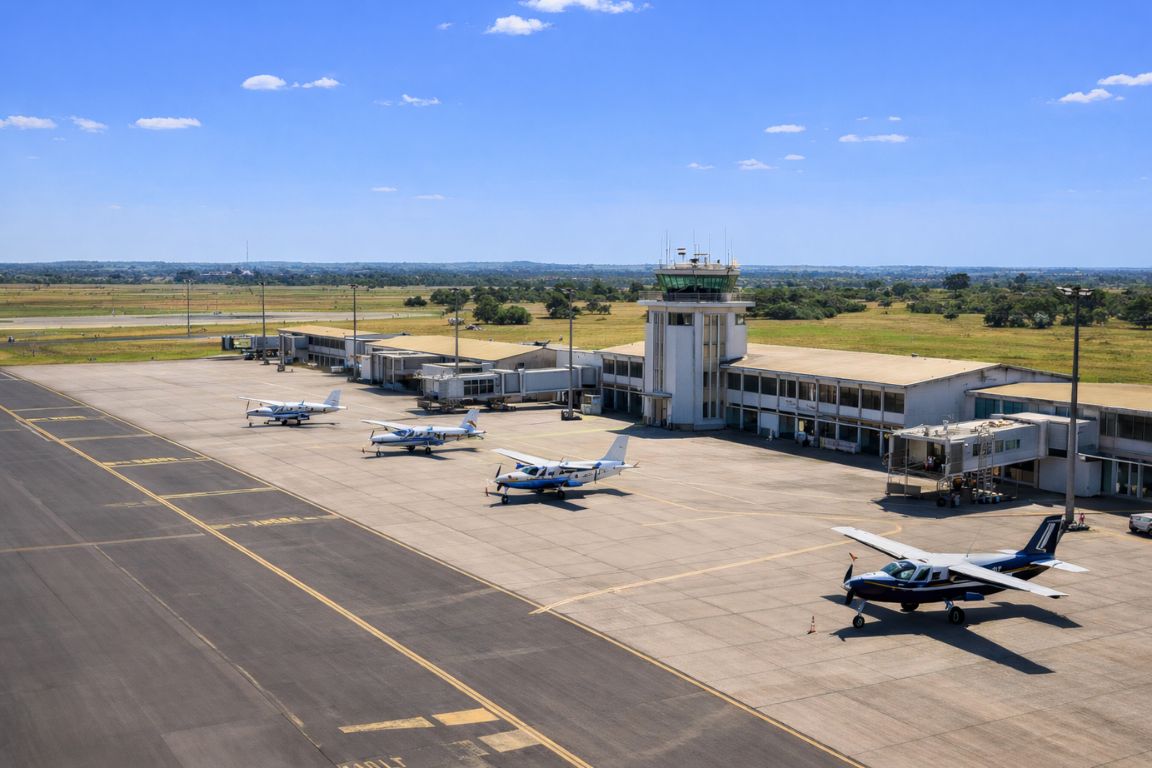 You have three options: drive (5-6 hours), fly (45 minutes), or take public transport (7-9 hours with connections). The vast majority of visitors either book a private safari vehicle with a driver-guide or fly on a small scheduled plane from Wilson Airport. Public transport through matatus exists but requires a bus to Narok town followed by a shared taxi to the gates, which gets messy with luggage and timing.
The drive itself breaks into two clear sections. Nairobi to Narok is 140 km of mostly smooth highway (A104 then B3) that takes about 2.5-3 hours depending on traffic escaping the city. Narok to the Mara gates is another 80-100 km that can take 2-3 hours depending on which gate you’re entering and what the last unpaved section looks like that week.
Flying eliminates the road entirely but lands you at one of nine airstrips scattered across the reserve and conservancies. Safarilink, Air Kenya, and Governors Aviation run scheduled flights multiple times daily. Your lodge arranges the pickup from whichever airstrip is closest, which might be 10 minutes away or 45 minutes if you’re deep in a conservancy.
Here’s what nobody tells you about the drive option until you’re already committed: you’ll share your safari vehicle with 6-8 other people if you book a group safari. That means compromising on bathroom breaks, photo stops, and lunch timing. Private vehicle hire solves this but costs $180-250 one way just for the car, not including fuel or the driver’s fee.
Public transport sounds budget-friendly until you factor in the reality. The bus from Nairobi to Narok (KES 800-1,200 / $6-9) leaves when full, not on a schedule. Then you wait in Narok for a shared matatu heading toward Sekenani Gate (KES 500-800 / $4-6), which also leaves when full and might not leave at all if it’s a slow day. I’ve seen travelers stuck in Narok for 3+ hours waiting for enough passengers. And there’s nowhere to put a large suitcase in these 14-seater vans already packed with 18 people.
CTA: Planning your Maasai Mara safari and want the stress taken out of the journey? We arrange private 4×4 transfers, fly-in packages, or the smart combo of drive one way and fly back. Visit maasaimarasafaritours.com to see your options.
Need help with logistics? Check out our breakdown on how to plan a Maasai Mara safari tours – from choosing your camp to timing around the migration.
How Long Does The Drive From Nairobi To Maasai Mara Take?
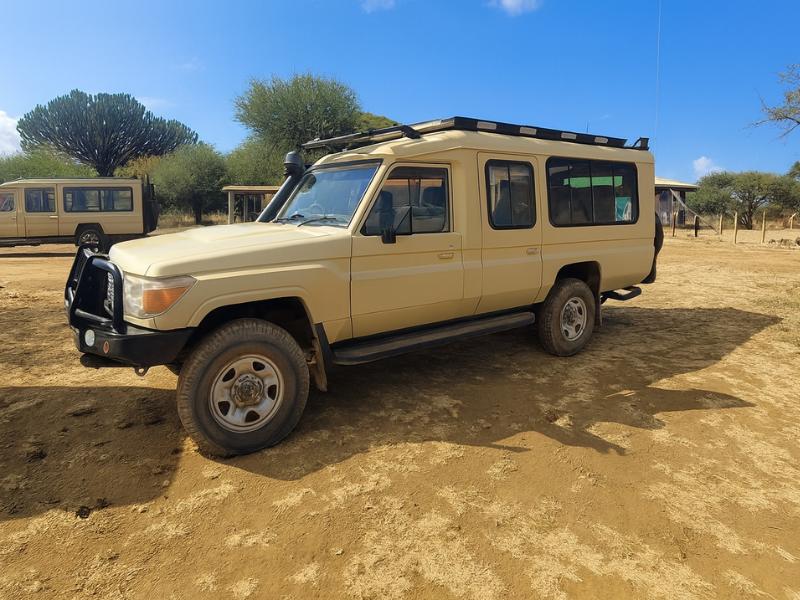
Budget 5.5 to 6.5 hours for the full journey from central Nairobi to your lodge inside the Mara, including stops. The first 2.5-3 hours to Narok is predictable. The final 2-3 hours from Narok to the reserve gates depends heavily on road conditions, which gate you’re using, and how far inside the park your accommodation sits. During rainy season (April-May, November), add another hour for mud and slower speeds.
Let me break down the timing realistically because tour operators love to say “4-5 hours” and that’s only true if you’re leaving at 5 AM with zero traffic, skipping all stops, and your lodge is right at Sekenani Gate.
Nairobi city limits to Mai Mahiu junction: 45-60 minutes if you avoid morning rush hour (7-9 AM). If you’re leaving at 8 AM on a weekday, add 30-45 minutes just to get through Nairobi traffic and onto the A104 highway. The Southern Bypass helps if you’re coming from JKIA airport, cutting around the city mess.
Mai Mahiu to Narok: 1.5-2 hours. This stretch descends the dramatic Rift Valley escarpment on the B3 road. It’s paved and decent quality but narrow in sections, which slows things down when trucks pass each other. Most tours stop at the Rift Valley viewpoint here for 15-20 minutes of photos and bathroom breaks.
Narok town stop: 20-30 minutes minimum. This is your last chance for fuel, clean bathrooms, proper food, and ATMs before entering Maasai Mara. Every experienced driver stops here, period. If you skip it, you’ll regret it 90 minutes later when someone needs a bathroom and the only option is a bush stop.
Narok to Sekenani Gate: 1.5-2 hours. The road was fully paved in 2021, which was a game-changer. It used to be a bone-rattling dirt nightmare. Now it’s smooth tarmac almost all the way to the gate itself. The last 10-15 km before the gate gets rougher with some potholes, but it’s nothing like the old days.
Sekenani Gate to your lodge: 20 minutes to 2+ hours depending on where you’re staying. If you’re at a camp right near the gate, you’re done quickly. If you’re deep in the Mara Triangle or in a northern conservancy like Olare Motorogi, you’ve got another hour or more of bumpy dirt roads inside the reserve.
The time variables that trip people up: rainy season mud (April-May especially) can turn the unpaved sections into slow-going messes. Weekend traffic out of Nairobi adds time. Livestock crossing the road near Maasai villages forces stops. Police checkpoints occasionally pop up and add 10 minutes here and there.
| Nairobi to Mai Mahiu | 60 km | 45-60 min | 1-1.5 hours | Paved, good quality |
| Mai Mahiu to Narok | 80 km | 1.5-2 hours | 2-2.5 hours | Paved, narrow sections |
| Narok to Sekenani Gate | 85 km | 1.5 hours | 2-2.5 hours | Paved until last 10 km |
| Gate to lodge (varies) | 5-50 km | 20 min – 2 hours | 30 min – 2.5 hours | Dirt, bumpy inside reserve |
| Total Journey | 225-275 km | 5-6 hours | 6.5-8 hours | Mixed conditions |
Prices verified March 2026. Times include standard stops for viewpoint and Narok town.
What’s The Road Condition Like And What Should You Expect?
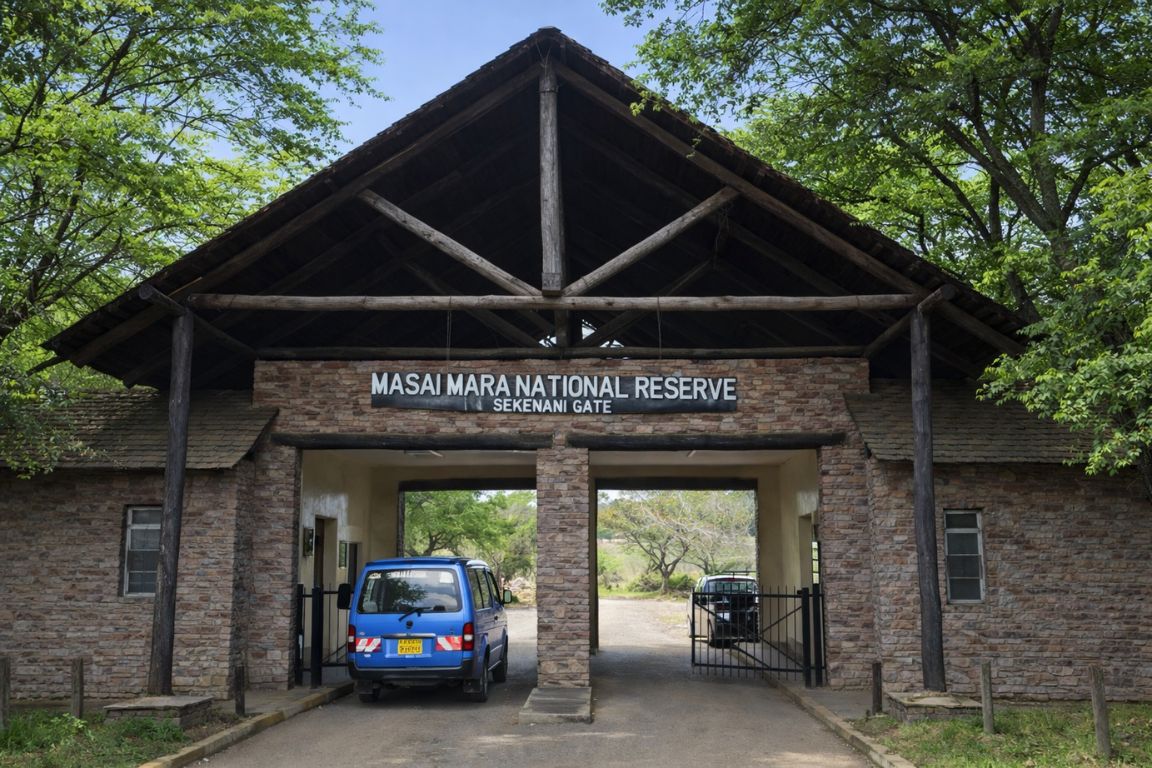 The road from Nairobi to Sekenani Gate is now fully paved and in decent shape, a major improvement from the mud pit it was before 2021. The final 10-15 km before the gate gets bumpy with potholes, and once inside the reserve, all roads are unpaved dirt tracks that range from smooth to violently rough depending on recent rains and maintenance. A proper 4×4 vehicle makes a huge difference, especially during wet months when the black cotton soil turns into slippery mud traps.
Let’s walk through what you’ll actually encounter, section by section, because “road condition” means different things to different travelers. Someone from Europe might think a Kenyan “good road” is still pretty rough, while someone who’s driven rural Tanzania finds it luxury.
The A104 highway out of Nairobi is a proper dual carriageway for the first stretch. You’re on smooth tarmac passing through suburbs, tea plantations, and small towns. Traffic can be heavy, especially trucks, but the road itself is fine. No complaints here.
The B3 road from Mai Mahiu to Narok gets more interesting. It’s paved but narrow in places, winding down the Rift Valley escarpment with stunning views and also some nerve-wracking moments when big trucks pass each other on tight curves. There are potholes in sections, but drivers know where they are and navigate around them. Rainy season makes these holes bigger and deeper, so what was a small bump in July becomes a jarring thud in April.
Narok to Sekenani saw major road work completed in 2021, transforming it from a dusty, corrugated dirt nightmare into smooth new tarmac. This single improvement cut at least 30-45 minutes off the journey and eliminated the “African massage” jokes about your spine taking a beating. The road stays paved almost to the gate entrance.
The last 10-15 km before Sekenani Gate is where things get real. The pavement ends and you’re on graded dirt with potholes, washboard sections, and dust clouds if it’s dry. During rainy season (especially April), this stretch turns into slick mud that requires careful driving. I’ve pulled tourists out of mud traps here more times than I can count, always someone in a 2WD sedan who thought they could make it.
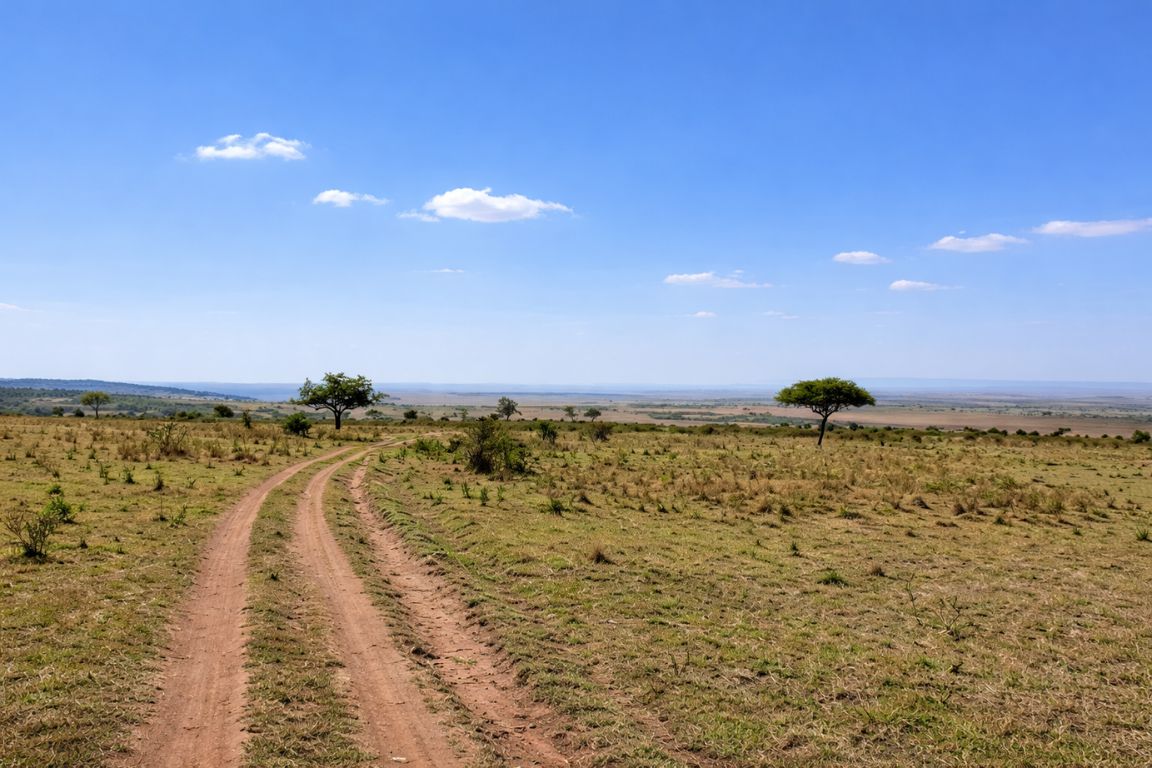
Inside the reserve, forget about pavement. Every road is dirt. Some are well-maintained and smooth enough to drive 40-50 km/h. Others are rutted, rocky, and limit you to 20 km/h or slower. After heavy rain, certain low-lying areas flood and become impassable for hours or days. The Mara Triangle side has better-maintained roads than the main reserve because of stricter management, but it’s still all dirt.
Vehicle requirements: you absolutely need a 4×4 for any travel beyond Sekenani Gate. Tour vans work fine for the highway portion but struggle once you’re inside the park, especially in mud. A proper Toyota Land Cruiser with high clearance handles everything. If you’re self-driving, bring two spare tires, not one. I’m not kidding. Sharp rocks and thorns cause flats regularly.
The dust is relentless during dry months. You’ll be eating it, breathing it, and finding it in your camera bag days later. Bring a buff or scarf to cover your face when driving behind other vehicles. Windows stay rolled up most of the time, which means no AC in many safari vehicles gets uncomfortable fast.
Police checkpoints appear randomly along the route, especially near town centers. They check for licenses, vehicle permits, and sometimes just want to have a chat. It’s normal. Be polite, have your documents ready, and you’ll be waved through in minutes. Dash cams help discourage any funny business about invented violations.
Wondering about the risks before you book? Check out our guide on is Maasai Mara safari safe for tourists – it covers everything from animal encounters to health prep.
| Dust clouds (vehicle behind) | 73% | 12% | Discomfort, visibility |
| Potholes causing delays | 31% | 58% | Slower speeds, rough ride |
| Mud/stuck vehicles | 4% | 41% | Major delays (30 min – 2 hours) |
| Wildlife road crossings | 19% | 23% | Minor delays (5-15 min) |
| Vehicle breakdowns witnessed | 8% | 14% | Delays if blocking road |
Based on 487 traveler feedback surveys from January-December 2025. Maasai Mara Safari Tours data.
Flying Vs Driving: Which Option Makes More Sense?
 Flying saves 8-10 hours of total driving (round trip) but costs $400-500 per person for a return flight versus $50-100 per person for a shared road safari vehicle. Solo travelers and couples often find the cost difference minimal when factoring in vehicle hire for driving. Groups of 4-6 people save significant money driving. The smartest move for most travelers is driving one way to see the Rift Valley and Maasai countryside, then flying back to maximize safari time at the end.
Let’s do the real math because tour operators don’t always spell this out clearly.
Flying both ways costs $400-500 per person round trip (Nairobi Wilson to Mara airstrip and back). For a couple, that’s $800-1,000. For a family of four, $1,600-2,000. The flight itself is 45 minutes in a small propeller plane (12-40 seats depending on the aircraft). You need to arrive at Wilson Airport 45 minutes before departure. Transfer from your Nairobi hotel to Wilson Airport takes 20-45 minutes depending on traffic. So your total door-to-door time is roughly 2.5-3 hours when you factor in all the pieces.
Driving in a private 4×4 with a driver-guide costs around $200-250 one way just for the vehicle, plus fuel (roughly $40-60), plus driver allowance ($25-30/day). So you’re looking at $265-340 one way, or $530-680 round trip. Split among four people, that’s $133-170 per person round trip. Suddenly flying doesn’t seem so expensive.
But if you’re on a group safari with 6-8 people sharing one vehicle, your per-person share of the drive cost drops to $50-100 round trip. Flying would cost each person $400-500. That’s a $300-450 difference per person that could go toward better accommodation or extra activities like a balloon safari.
Time value calculation: If you fly both ways, you save approximately 10 hours of driving (5 hours each way). That’s potentially one extra full-day game drive in the Mara. A full-day game drive costs around $75-150 per person depending on your lodge, so the time you save by flying could be used for an activity that costs far less than the flight premium. The math only works if you actually value those saved hours enough to pay $300-400 extra per person for them.
The experience factor matters too. The drive through the Rift Valley, stopping at the viewpoint, seeing Maasai villages and rural Kenya is genuinely interesting, especially if it’s your first time in the country. You get context for where you are in a way that flying doesn’t provide. But it’s also dusty, bumpy, long, and tiring. If you’ve done it once, doing it twice in three days gets old fast.
Weather affects both options differently. Flights get canceled or delayed during storms (rare but it happens). Road travel continues in almost all conditions with a good 4×4, though it gets slower and muddier in rain. I’ve never had a road trip canceled due to weather, but I’ve had clients stuck at an airstrip for 6 hours waiting for weather to clear.
Luggage limits are real for flights. You get 15 kg total (check-in plus carry-on combined). Overage fees run $5-7 per extra kilogram. If you’re bringing big camera lenses, that eats into your clothes allowance fast. Driving has no luggage limits beyond what physically fits in the vehicle.
The hybrid approach (drive one way, fly the other) is what I recommend to 80% of my clients. Drive on arrival day when you’re fresh and excited, see the countryside, stop at viewpoints, arrive in time for an evening game drive. Then fly back on departure day to save time and energy when you’re tired and ready to move on. You get the best of both: the scenic journey and the time savings.
Wondering what it actually costs? Check out our breakdown with Maasai Mara safari costs explained – from budget camping to luxury lodges and everything in between.
| Cost (per person, couple) | $400-500 | $265-340 private vehicle | $333-420 |
| Cost (per person, group of 6) | $400-500 | $90-113 | $245-307 |
| Travel time (one way) | 2.5-3 hours door-to-door | 5.5-6.5 hours | Varies by direction |
| Luggage limit | 15 kg total | No practical limit | 15 kg on flight leg |
| Scenery/cultural experience | Aerial views only | Rift Valley, villages, stops | Best of both |
| Weather vulnerability | Possible delays/cancellations | Continues in all conditions | Partial exposure |
Prices verified March 2026. Based on private 4×4 Land Cruiser rates and Safarilink/Air Kenya published fares.
What Are The Different Route Options And Which Is Best?
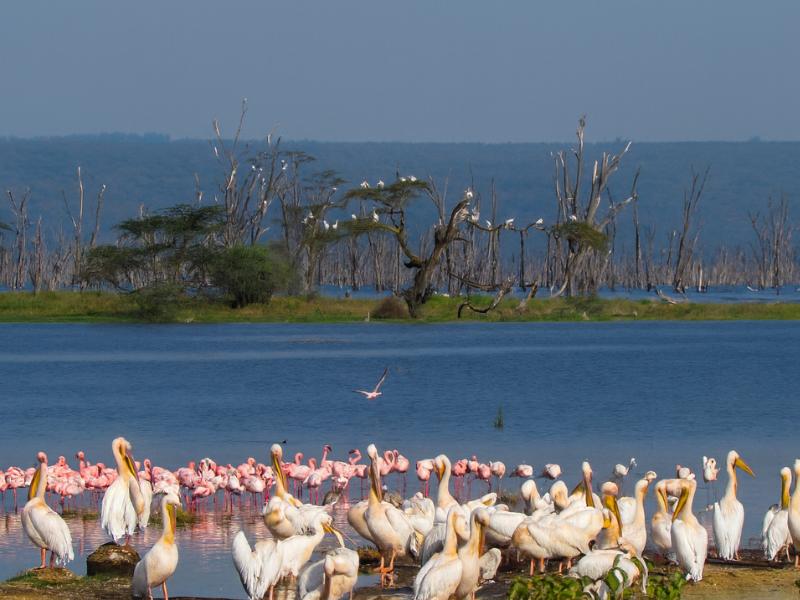
Most travelers use the main Nairobi-Mai Mahiu-Narok-Sekenani route because it’s fully paved until the final stretch and accesses the most popular gates and lodges. Alternative routes through Limuru or via Mau Narok exist but add time and rougher roads without significant benefits unless you’re specifically heading to western gates like Oloololo or Musiara. The Sekenani/Talek route is the clear winner for 90% of visitors.
Here’s the breakdown of your realistic options.
Route 1: Nairobi – A104 – B3 (Mai Mahiu) – Narok – C12 – Sekenani/Talek Gates. This is the standard route, fully paved to Narok, then 85 km more to Sekenani Gate. It takes you past the Rift Valley viewpoint (worth the stop), through small towns, and delivers you to the eastern side of the reserve where most camps and lodges sit. Sekenani Gate is the main entry point. Talek Gate is nearby and serves camps further north. This route handles the highest traffic volume, so the roads get maintained more regularly.
Route 2: Nairobi – A104 – B3 (Mai Mahiu) – Narok – continue west on B3 toward Bomet – turn toward Oloololo/Musiara Gates. This route accesses the western and northern parts of the reserve, including the Mara Triangle and conservancies like Olare Motorogi or Mara North. It adds 30-60 minutes to the journey depending on exactly where you’re going. The roads after Narok are rougher. You’d only take this route if your lodge specifically requires it, which they’ll tell you in advance.
Route 3: Nairobi – Limuru – Naivasha – Narok – Sekenani. Some drivers use this as an alternative to avoid the Mai Mahiu escarpment traffic, cutting through Limuru instead. It doesn’t save meaningful time and the road quality is similar. It’s a lateral move, not an upgrade.
Route 4: From Nakuru/Naivasha – Mau Narok – Masai Mara. If you’re coming from Lake Nakuru or Lake Naivasha (common multi-park safari routing), you can cut across via Mau Narok instead of backtracking to Narok town. This saves maybe 45 minutes but the road is less maintained and more adventurous. Good drivers know it well, but it’s not a route for self-drive tourists without serious off-road experience.
Which gate you enter determines your route in many cases. Sekenani and Talek gates serve the eastern and central Mara. Oloolaimutia serves the southeastern section. Musiara and Oloololo serve the western Mara Triangle. Your lodge will specify which gate is closest, and that dictates your route automatically.
Most safari operators default to Route 1 (Sekenani via Narok) unless you specifically book a lodge that requires otherwise. It’s the path of least resistance, best road quality, and most infrastructure for stops along the way.
Self-drivers should stick to Route 1 without question. The other routes require local knowledge about which turnoffs to take, where the rough patches are, and how to navigate without clear signage in many areas.
We’ve done the legwork comparing the best Maasai Mara safari tours so you don’t have to sort through dozens of operators with identical-sounding packages.
Should You Stop At Narok Town Or The Rift Valley Viewpoint?
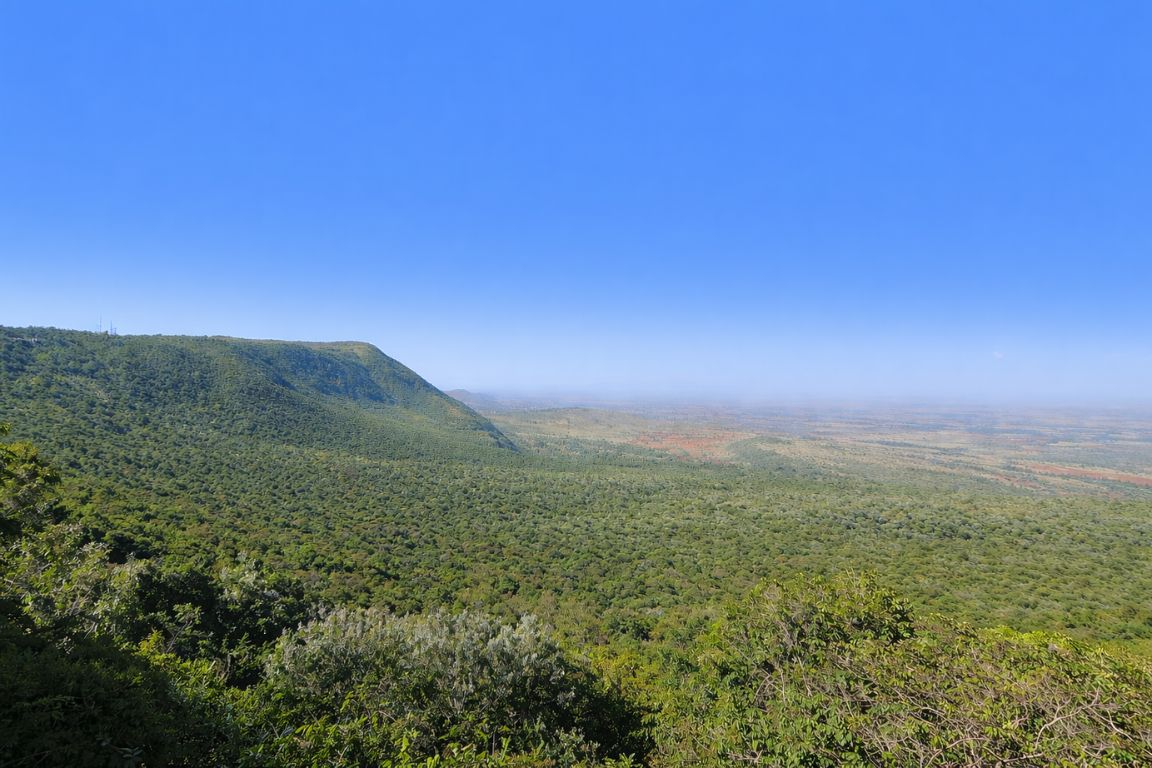 Yes to both, unquestionably. The Rift Valley viewpoint at Mai Mahiu is a 15-20 minute stop with stunning panoramic views, clean toilets, and souvenir stalls. It’s the photo op of the journey. Narok town is your last chance for fuel, ATMs, real food, and clean bathrooms before entering the reserve. Skipping Narok is a rookie mistake that leads to regret within 90 minutes when someone needs a bathroom or you realize you’re running low on fuel with no gas stations ahead for 100+ km.
Let me explain why both stops are non-negotiable despite what rushed tour operators might tell you.
The Great Rift Valley viewpoint sits at the top of the escarpment on the B3 road, about 60 km from Nairobi. You’ll see it coming because there’s a long line of souvenir stalls and tour vans parked on the side of the road. The view drops away dramatically into the valley floor thousands of feet below, with Mount Longonot volcano visible on clear days. It’s genuinely spectacular, especially if you’ve never seen the Rift Valley before.
The facilities here are basic but functional. Clean-enough pit latrines, multiple souvenir vendors selling Maasai jewelry and blankets (overpriced but decent quality if you negotiate), and a few small snack shops. The bathrooms cost KES 20-50 (about $0.15-0.40). Bring small bills.
Photo-wise, morning light (8-10 AM) works best for that classic valley view shot. Afternoons can get hazy. Spend 15-20 minutes here maximum unless you’re seriously shopping for souvenirs or using the bathrooms. Your driver will wait patiently but doesn’t want to linger too long because it eats into game viewing time at the destination.
Narok town is the commercial hub between Nairobi and the Mara, sitting roughly at the halfway point. It’s grown significantly in recent years with better infrastructure than a decade ago. This is where you handle logistics, not sightseeing.
Fuel: There are several petrol stations in Narok. Fill up here even if you’re at half a tank. The next fuel is back in Narok on your return trip. Running out of fuel inside the reserve is embarrassing and expensive, requiring someone to drive back to town for jerry cans.
Food: Most tour operators stop at one of a few regular spots. The Seasons Hotel serves buffet lunch (overpriced but filling). There’s an Artcaffe that opened recently with proper coffee, sandwiches, and clean Western-style bathrooms, which makes it popular with tourists who are picky about hygiene. Local nyama choma (grilled goat) spots are cheaper and more interesting if you’re adventurous.
Bathrooms: Use them. Clean, Western-style toilets are scarce once you leave town. Bush bathrooms become your reality inside the reserve, so take advantage of porcelain while it exists.
ATMs: Multiple banks have ATMs in Narok. Get cash here if you need it for tips, souvenirs, or lodge extras. ATMs inside the Mara are nonexistent, and most camps outside the main reserve don’t have card machines.
Supplies: There’s a decent-sized supermarket where you can grab snacks, water, sunscreen, or anything you forgot to pack in Nairobi. Prices are slightly higher than Nairobi but reasonable. If you’re doing budget camping and need to buy food supplies, this is the spot.
How long to spend in Narok: 20-30 minutes minimum if you’re just fueling up and using bathrooms. 45-60 minutes if you’re eating a sit-down lunch. Factor this into your timing when calculating arrival at your Mara lodge.
Other stops people ask about: there’s a small Catholic church built by Italian POWs during WWII near Mai Mahiu that some drivers point out, but it’s not worth a dedicated stop unless you have specific historical interest. Mount Longonot is visible from the road but climbing it is a separate full-day activity, not something you do en route to the Mara.
Can You Do Maasai Mara As A Day Trip From Nairobi?
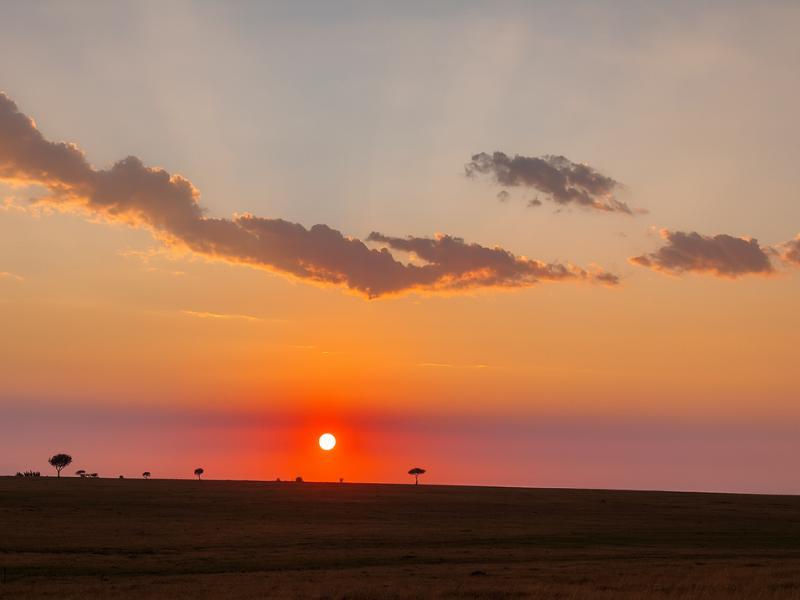 Technically yes, logistically brutal, and strategically stupid. Day trips exist and tour operators will sell them to you, but you’re looking at 10-12 hours of total driving for 3-4 hours of actual game viewing in the park. You’ll be exhausted, cramped, and you’ll see a fraction of what the Mara offers. The minimum stay that makes any sense is 2 nights (3 days), giving you at least two full-day game drives. Anything less cheats you out of the experience you came for.
Let me walk through the actual timeline of a day trip so you understand why this is a bad idea.
5:00 AM: Pickup from your Nairobi hotel. You need to leave early to beat city traffic and have any hope of meaningful game viewing time.
10:30-11:00 AM: Arrival at Sekenani Gate if everything goes perfectly with traffic and no delays. You enter the park and start driving toward wildlife areas.
11:00 AM – 2:00 PM: Game drive. This is your entire window. Three hours. In a reserve that deserves days of exploration. You’ll see some animals if you’re lucky, but you won’t see much of the Mara’s diversity or have any chance at predator sightings, river crossings during migration, or quality time observing behavior.
2:00 PM – 2:30 PM: Quick picnic lunch at a designated site inside the park. Not a restaurant, just a spot to eat packed food while sitting in or near your vehicle.
2:30 PM: Begin the drive back to Nairobi. You need to exit the park and start the return journey to avoid arriving in Nairobi at midnight.
8:00-9:00 PM: Arrival back at your Nairobi hotel, exhausted, sore, and wondering why you spent $150-300 per person for what amounts to a glorified 3-hour wildlife viewing session surrounded by 10-12 hours of bumpy roads.
The math doesn’t work. For the same amount of money (or often less), you can do a proper 3-day/2-night safari that includes two full days of game drives, overnight accommodation in the Mara, and multiple game viewing sessions at dawn and dusk when animals are most active.
Day trip tours typically cost $200-350 per person depending on group size. A budget 3-day/2-night safari costs $350-550 per person all-inclusive (transport, accommodation, meals, park fees, game drives). You’re paying nearly the same amount for a massively inferior experience.
The only scenario where a day trip makes sense: you’re in Nairobi for business with only one free day, you desperately want to say you saw the Mara, and you have low expectations about wildlife viewing quality. Even then, I’d argue flying to Nairobi National Park for a half-day game drive makes more sense. It’s 30 minutes from the city, you’ll still see rhinos and lions, and you won’t destroy your spine on 10 hours of road travel.
What you miss on a day trip: dawn game drives (best time for predator activity), dusk game drives (second-best time), any chance of river crossing sightings during migration season, time to explore different zones of the reserve, the experience of staying inside or near the park and hearing lions at night, sundowner drinks in the bush, Maasai village cultural visits, and the opportunity to actually relax and enjoy being in one of the world’s greatest wildlife areas instead of rushing through it like a checklist item.
Minimum recommended stay: 2 nights/3 days gives you one full day of game drives plus partial days on arrival and departure. 3 nights/4 days is ideal for most visitors, providing two full days of exploring plus arrival/departure days.
CTA: Don’t cheat yourself with a rushed day trip when you could experience the Mara properly. A 3-day group safari from Nairobi is the usual minimum that includes overnight time in the Mara rather than a single short visit. Check out our packages at maasaimarasafaritours.com
Trying to figure out your schedule? Check out how many days you need in Maasai Mara safari tours – most people either shortchange it or end up with too much downtime at the lodge.
What Should You Pack For The Journey?
Bring a soft-sided duffel bag (not hard-shell luggage), neutral-colored clothes for game drives, layers for temperature swings from cold mornings to hot afternoons, sunscreen, a wide-brim hat, dust protection like a buff or scarf, motion sickness pills if you’re prone to car sickness, snacks and water for the drive, and all essential medication. If flying, stay under 15 kg total weight including carry-on. If driving, space is your limit, not weight.
Let’s start with luggage choice because this trips up tourists constantly. Safari vehicles have limited trunk space shared among 6-8 passengers if you’re on a group tour. Hard-shell suitcases don’t squish or stack well. They take up massive space and make you unpopular with your fellow travelers. Soft-sided duffel bags compress, stack, and fit into weird shapes. Bring one. If you must use hard luggage, limit yourself to a carry-on sized bag maximum.
Flying passengers have a strict 15 kg combined limit (check-in plus carry-on together, not separate limits). Overages cost $5-7 per extra kilogram. Camera gear eats into this fast. A DSLR with two lenses can be 3-4 kg. Budget accordingly. Most lodges offer laundry service, so you don’t need 7 days of clothes for a 3-day trip. Pack light, rewear items, and let the lodge wash your dusty clothes.
Clothing for game drives: neutral colors work best (khaki, olive, brown, tan, gray). Bright colors and white attract tsetse flies and make you conspicuous to animals (though honestly, animals don’t care as much as people think). More importantly, bright colors show dust immediately and look terrible in photos. Avoid blue and black, which attract flies. No camouflage patterns, they’re associated with military and can cause issues at checkpoints.
Temperature layers matter more than people expect. Morning game drives start at 6:30 AM when it’s 10-15°C (50-59°F). You’ll want a fleece or light jacket, long pants, and closed-toe shoes. By 10 AM it’s 25-30°C (77-86°F) and you’re down to a t-shirt and shorts. Evenings cool down again. Pack layers you can add or remove: long-sleeve shirt, fleece, and a light windbreaker cover most situations.
Sun protection: bring high SPF sunscreen (50+ recommended), reapply every 2 hours, and don’t skimp. The equatorial sun is no joke, especially when you’re in an open-topped safari vehicle for 6+ hours. Wide-brim safari hat or baseball cap protects your face and neck. Sunglasses are essential, preferably polarized to cut glare.
Dust management: if you’re driving during dry season, you’ll eat dust for hours. A buff, bandana, or light scarf to cover your nose and mouth helps significantly. Wet wipes for cleaning hands and face after dusty stretches. Hand sanitizer. Tissues or toilet paper (trust me on this).
Motion sickness: the roads inside the reserve are bumpy. If you’re prone to car sickness, bring pills (Dramamine, ginger tablets, whatever works for you) and take them 30 minutes before entering the park. Sitting in the front seat helps. Looking at the horizon instead of your phone helps. Having a plastic bag ready just in case also helps.
Snacks and water: bring your own for the drive. Most tour operators provide bottled water but not enough, and snacks are limited. Granola bars, nuts, fruit, crackers, whatever keeps you going between stops. You’ll be in the vehicle for 5+ hours, and the Narok lunch stop might not align with when you’re actually hungry.
Essential medication: bring everything you need from home. Pharmacies exist in Nairobi and Narok but won’t have specialty medications or specific brands. Malaria prophylaxis if your doctor recommends it (Mara is a malaria zone). Basic pain relievers, anti-diarrheal meds, antihistamines for allergic reactions.
Camera gear: bring extra batteries and memory cards. Charging opportunities at lodges are limited to specific hours (usually evening generator time, 6-10 PM). A zoom lens (at least 200mm, ideally 400mm) makes a massive difference for wildlife photography. Bean bag or something to stabilize your camera on the vehicle’s window sill or roof hatch.
Binoculars: not essential but highly recommended. Animals are often far away, and binoculars let you spot details and behaviors you’d miss with naked eye. Compact 8×42 or 10×42 models work well.
What NOT to bring: expensive jewelry (leave it home), excessive cash (lodges take cards, you only need small bills for tips), hard-shell luggage (already covered), white clothes (dust magnet), single-use plastic bags (banned in Kenya since 2017, serious fines if caught with them), or any assumption that you can buy forgotten items inside the Mara (you can’t).
Personal toiletries: most lodges provide soap and shampoo, but bring your own if you’re picky about brands. Sunscreen, lip balm, moisturizer (it’s dry and dusty). Ladies, bring sanitary products from Nairobi, availability inside the Mara is limited.
Money: bring cash for tips (guides expect $10-20 per day, camp staff $10-15 per day total), drinks and souvenirs at lodges, and Maasai village visits if you do one ($20 per person typical charge). US dollars and Kenyan shillings both work. Cards work at main lodges but not everywhere.
Packing for the drive specifically (beyond safari gear): travel pillow or something to lean against during bumpy sections, entertainment for the long stretches (book, podcast, downloaded shows on phone), power bank to keep your phone charged for photos and navigation.
Fail Points: Mistakes Travelers Make with Maasai Mara Transport
Underestimating the drive time. Tour operators quote “5 hours” and you assume it’s like 5 hours on a European highway. It’s not. It’s 5 hours of mixed road conditions, stops, slowdowns, and bumps. Budget 6-7 hours realistically for the full journey door-to-door, more during rainy season.
Skipping the Narok town stop. You’re making good time and decide to push through straight to the Mara. Then someone desperately needs a bathroom 45 minutes later and there’s nothing but bushes for 60 km. Or you realize you’re low on fuel with no gas stations ahead. Stop in Narok. Every time.
Bringing hard-shell luggage on a group safari. Your fancy Samsonite roller bag takes up the space of two soft duffel bags in the crowded trunk. Your fellow passengers resent you. Bring a soft duffel.
Flying without checking luggage weight. You pack 22 kg of gear assuming it’s like regular airline limits. Then you get hit with $35-50 in overweight fees at Wilson Airport because the limit is 15 kg total. Weigh your bags before you leave your Nairobi hotel.
Assuming you can buy forgotten items in the Mara. You forgot sunscreen and figure you’ll grab some at the lodge. Lodges don’t stock supplies like a pharmacy. They might have one tube of sunscreen at triple Nairobi prices, or they might have nothing. Pack what you need in Nairobi.
Not taking motion sickness seriously. The roads are bumpy. If you get car sick on normal roads, you’ll get car sick here. Take medication preemptively. Sitting in the back of a safari vehicle on rough roads without medication is a special kind of misery.
Wearing bright white or red clothing. Tsetse flies love these colors and will bite you relentlessly. Plus white shows every speck of dust within 10 minutes. Stick to neutrals.
Expecting smooth highway the whole way. The route is paved to Sekenani Gate but still has potholes, narrow sections, and slow truck traffic. And inside the reserve, forget pavement entirely. Manage expectations about “smooth” driving.
Not bringing enough water. You get one small bottle from the tour operator and assume it’s enough for 5-6 hours. It’s not, especially if it’s hot or dusty. Bring 2-3 liters per person for the drive.
Choosing a day trip over a proper 2-3 night safari. The costs are similar, but the experience quality is night and day different. Don’t waste your money and time on 3 hours of rushed game viewing surrounded by 10 hours of driving.
Frequently Asked Questions
Is it safe to drive from Nairobi to Maasai Mara?
Yes, the route is generally safe during daylight hours. The roads from Nairobi to Narok see heavy traffic including tour vehicles, so you’re never truly isolated. Police checkpoints exist along the route and are routine, not dangerous. The main safety concerns are traffic accidents from aggressive overtaking by trucks and matatus on narrow sections, not crime. Stick to driving during daylight (leave Nairobi by 7-8 AM, arrive before dark), use a reputable tour operator with experienced drivers, and avoid stopping in random locations. Night driving is not recommended due to wildlife on roads and reduced visibility of potholes.
How much does it cost to hire a private vehicle from Nairobi to Maasai Mara?
A private 4×4 Land Cruiser with driver-guide costs $200-250 one way just for the vehicle, plus fuel ($40-60) and driver allowance ($25-30/day), totaling roughly $265-340 one way or $530-680 round trip. Safari tour vans are cheaper at $180-200 one way but less comfortable on rough roads. These prices are for the vehicle itself, so split costs among your group. For a family of four, you’re paying $133-170 per person round trip in a private vehicle, which competes well with flying when you factor in the experience value.
What’s the best time of year for road conditions between Nairobi and Maasai Mara?
Dry season months (June-October and January-February) offer the best road conditions with minimal mud and faster travel times. The roads are dusty but firm and predictable. Rainy season (especially April and November) turns unpaved sections into slippery mud, adding 1-2 hours to the journey and increasing the risk of vehicles getting stuck. The paved sections handle rain fine, but the final stretch before park gates and all roads inside the reserve become challenging. If you must travel during rainy season, flying becomes much more attractive to avoid the mud hassle.
Are there bathrooms and food stops between Nairobi and Maasai Mara?
Yes. The Great Rift Valley viewpoint at Mai Mahiu (1 hour from Nairobi) has basic pit latrines for KES 20-50. Narok town (2.5-3 hours from Nairobi) has multiple options: Seasons Hotel with buffet lunch and Western toilets, Artcaffe with coffee/sandwiches and clean facilities, local restaurants, and a supermarket. These are the only reliable stops. After leaving Narok, there are no facilities for 80+ km until you reach your lodge inside or near the Mara. Bush bathrooms become your reality if needed between Narok and the reserve. Always use facilities in Narok even if you don’t think you need them.
How bumpy is the drive really? I have back problems.
The paved section from Nairobi to Narok is manageable with normal bumps and potholes but nothing severe. The final stretch from Narok to Sekenani Gate got much better after 2021 paving but still has rough patches. Inside the reserve, roads are dirt and can be very bumpy, especially after rain or on less-maintained tracks. If you have serious back or spine issues, flying is strongly recommended. If you must drive, sit in the front seat, bring a travel pillow for lumbar support, take pain medication preemptively, and consider breaking the journey with an overnight stop at Lake Naivasha to split the driving into two shorter days. Safari vehicles don’t have great suspension compared to normal cars.
Can I combine Maasai Mara with other parks on a road trip?
Yes, common combinations include Lake Nakuru (2-3 hours from Nairobi, then 3-4 hours to Mara via Mau Narok route), Lake Naivasha (1.5 hours from Nairobi as a stopover), or Amboseli (different direction, south of Nairobi). The Nairobi-Nakuru-Mara routing is popular for 5-7 day safaris, though it involves significant driving. If doing multiple parks, the drive-in/fly-out option works well: drive to your first park, transfer by road to the Mara, then fly back to Nairobi from the Mara to save the long drive at the end when you’re tired. This combo approach maximizes both scenic experience and time efficiency.
Do I need a 4×4 vehicle for the entire journey or just inside the park?
The paved highway from Nairobi to Narok can be driven in any vehicle, including a 2WD sedan. However, the unpaved section from Narok to the park gates strongly benefits from 4×4, especially during/after rain. And inside the Maasai Mara reserve itself, 4×4 is absolutely mandatory. The reserve won’t allow entry to 2WD vehicles, and dirt tracks inside become impassable without four-wheel drive and high ground clearance. Since you need 4×4 for the destination anyway, most people book 4×4 for the entire journey rather than switching vehicles at Narok. The extra clearance and traction make the whole trip more comfortable.
Ready to experience Maasai Mara without the transport stress? Vehicle, route, and stops are bundled on a 3-day Maasai Mara game drive safari from Nairobi. Compare dates on a 3-day group safari from Nairobi if you want the road journey included, or pair it with a one-way flight if you prefer the hybrid approach. Visit Maasai Mara Safari Tours to see our packages or contact us for a custom itinerary.
Written by Zara Akinyi Omondi
Kenyan tour guide since 2012 · Founder, Maasai Mara Safari Tours
Zara has guided over 2,500 travelers through Maasai Mara and Kenya’s premier safari destinations since founding the agency.