Maasai Mara Safari Costs Explained
Maasai Mara safari cost? Budget from $250/day, mid-range $400-700, luxury $800+. A 4-night trip typically lands $2,000-3,500 all-in.
Booking Choice: Compare the complete price for your party and dates, with excluded fees and extras added on both sides. Explore Three-Day Shared Land Cruiser Safari
Last updated: March 11, 2026
| Per Person Per Day (Total) | $250-400 | $400-700 | $800-2,500 |
| Park Fees (Low Season) | $100/day (Jan-Jun) | ||
| Park Fees (High Season) | $200/day (Jul-Dec) | ||
| Accommodation Per Night | $45-150 | $150-400 | $400-1,200+ |
| Flights (Round Trip) | $300-500 per person |
Prices verified March 2026. High season pricing applies July through December.
Explore Three-Day Shared Land Cruiser Safari
How Much Does A Maasai Mara Safari Actually Cost?
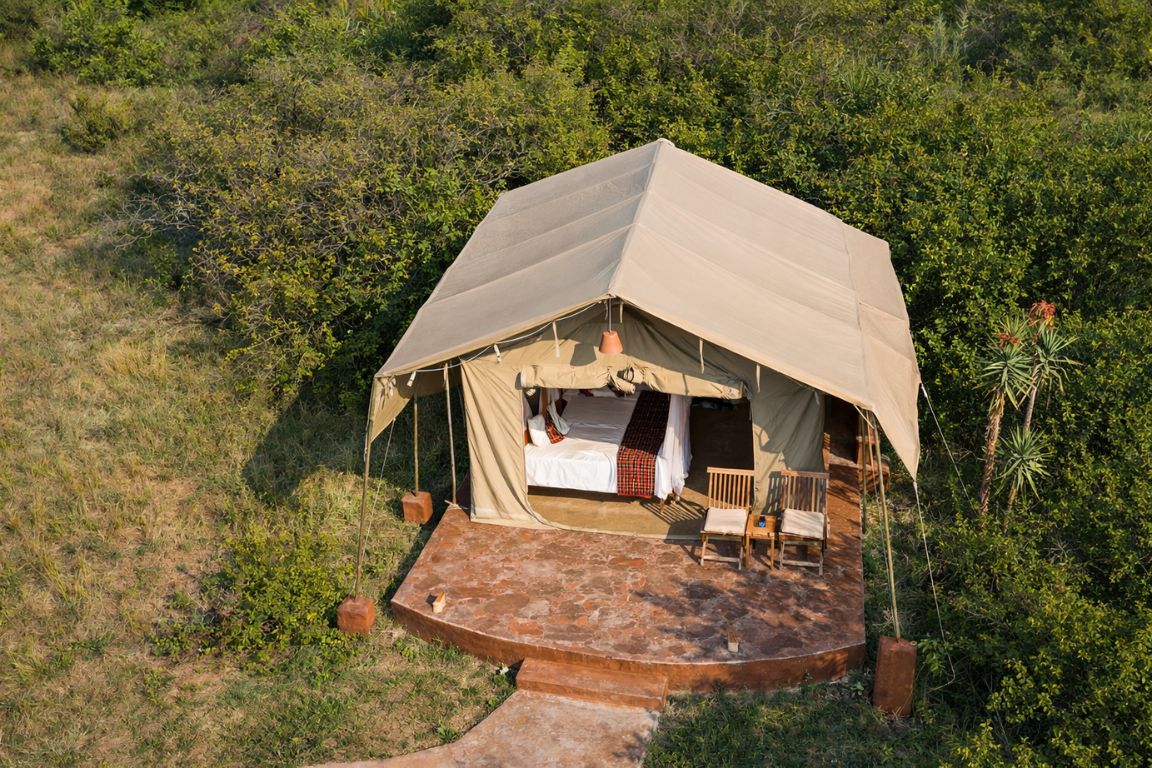 A 4 night Maasai Mara safari costs $1,000 to $1,600 for budget camping, $1,600 to $2,800 for mid-range lodges, and $3,200 to $10,000 for luxury conservancy camps, all per person. These figures include accommodation, meals, game drives, and park fees. Exclude flights, tips, and activities like balloon safaris which add another $500 to $1,000. The park fee structure (doubling from $100 to $200 in high season) makes July through October dramatically more expensive than other months.
The sticker shock hits when you see that park fee number. $200 per person per day is not a typo, that’s the official rate from Narok County for non-resident adults visiting July through December. For a family of four on a 4 night safari, park fees alone total $3,200 in high season versus $1,600 in low season. That single line item often exceeds the accommodation cost.
Here’s what a realistic 4 night mid-range safari actually costs for one person in August 2026. Park fees $800 (4 days at $200), accommodation $1,200 (4 nights at $300 average), meals included in accommodation, private Land Cruiser share $400 (split among 4 people, $1,600 vehicle total), guide fees included with vehicle, flights Nairobi to Mara $450 round trip, tips $100 (guide and camp staff), balloon safari $500, total $3,450 per person. That’s before you buy a single souvenir or bottle of wine.
Budget that same trip for March instead of August and watch the numbers drop. Park fees $400 (4 days at $100), accommodation $800 (40% low season discount), vehicle and guide same $400, flights same $450, tips $100, balloon $500, total $2,650 per person. You save $800 just by shifting months, and the wildlife viewing is still excellent.
The industry quotes prices per person per day, which sounds reasonable until you multiply it out. A safari advertised at $350 per person per day means $1,400 for 4 nights, but that rarely includes park fees, flights, tips, or activities. Read the fine print. What’s included versus what costs extra makes or breaks your budget.
Our team at Maasai Mara Safari Tours gives you transparent all-in pricing upfront. No surprises, no hidden fees, no discovering at checkout that park fees weren’t included.
We’ve mapped out how to plan a Maasai Mara safari tours based on what actually matters – when to go, where to stay, and which conservancies offer the best game viewing.
What’s Included In Safari Package Prices Vs What Costs Extra?
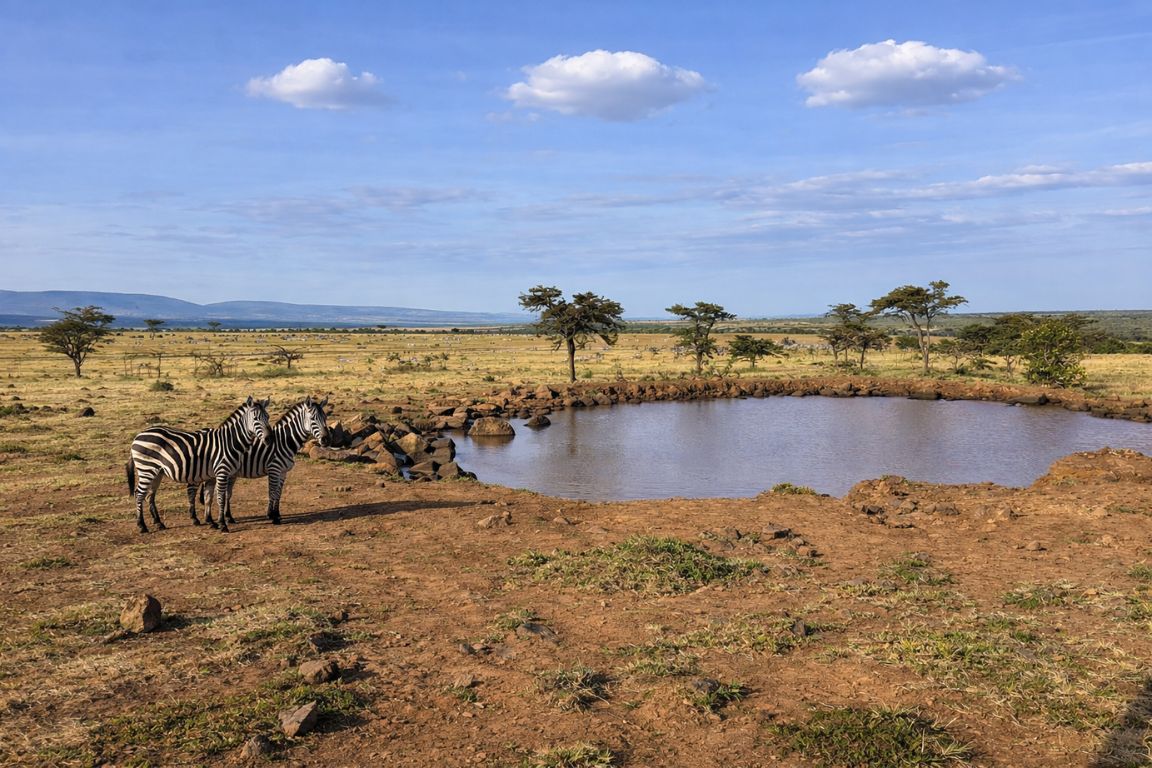 Standard safari packages typically include accommodation, meals (usually full board meaning breakfast, lunch, dinner), game drives with vehicle and guide, and sometimes park fees. They almost never include flights, alcohol, tips, laundry, balloon safaris, village visits, or conservancy fees if you’re staying in private conservancies. Always ask specifically what park fees covers before booking.
The confusion around park fees causes more frustration than anything else. Some operators quote prices inclusive of park fees, others don’t. A $400 per day package that includes park fees is actually cheaper than a $350 package that doesn’t, because you’re adding $100 to $200 per day on top of that quoted rate.
| Accommodation | ✓ Always | Included | |
| Meals (Full Board) | ✓ Most packages | Included | |
| Game Drives | ✓ Always | Included | |
| Vehicle & Guide | ✓ Always | Included | |
| Park Fees | Sometimes | Often extra | $100-200/day per person |
| Flights Nairobi-Mara | ✓ Almost always | $300-500 round trip | |
| Alcohol & Soft Drinks | Rarely | ✓ Usually | $5-15 per drink |
| Hot Air Balloon Safari | ✓ Always | $450-550 per person | |
| Maasai Village Visit | ✓ Always | $20-50 per person | |
| Tips (Guide & Staff) | ✓ Always | $15-25 per day total | |
| Conservancy Fees | Sometimes in nightly rate | Sometimes separate | $100-150/day if separate |
| Laundry Services | ✓ Usually | $5-15 per item |
Full board means three meals a day plus tea and coffee. Some luxury camps include house wines, beers, and soft drinks, but most charge for alcohol separately. Budget camps charge for everything liquid except water. Mid-range camps usually include soft drinks but not alcohol. Ask before you book so you’re not shocked by a $200 bar bill at checkout.
Conservancy fees are the newest confusion point. If you stay at a camp inside a private conservancy like Olare Motorogi, Naboisho, or Mara North, you pay both reserve park fees ($100 or $200) for any time spent in the main reserve plus conservancy fees ($100 to $150 per day) for access to the conservancy. Some camps roll conservancy fees into the nightly accommodation rate, others charge them separately. Either way, you’re paying them.
The ticket validity trap catches people constantly. Park fees are valid for 12 hours, not 24. If you enter at 7 AM and leave by 7 PM, that’s one day. Stay past 7 PM or enter before 7 AM the next morning? That’s two days of fees. On a 3 night safari, you need park fees for 3 days if you’re doing morning and afternoon drives, not 4 days unless you’re doing an extra morning drive on departure day.
How Do Budget, Mid-Range, And Luxury Safaris Compare?
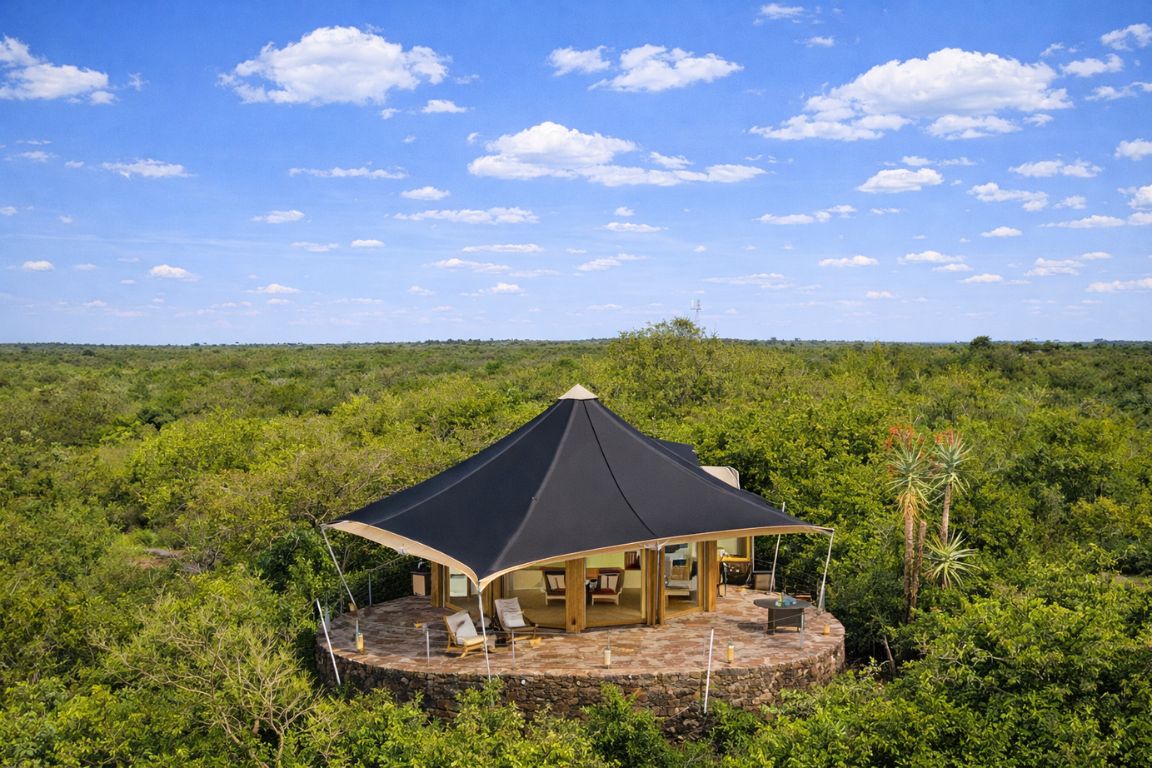 Budget safaris use camping or basic tented camps, shared safari vans (often 7 people), and group departures with mixed travelers. Mid-range upgrades to decent lodges, private Land Cruisers (your group only), and better food quality. Luxury delivers conservancy camps, exclusive vehicles, gourmet meals, premium alcohol included, and activities like walking safaris and night drives. The wildlife viewing is identical, the comfort level is not.
Let me be direct about budget safaris. The cheapest operators cut corners dangerously. Overloaded vehicles with 9 people crammed in a van meant for 7, inexperienced guides who can’t find animals or explain behavior, camps with torn tents and questionable food safety. We’ve seen it. The budget safari that costs $180 per person per day is cheap for a reason.
A legitimate budget safari runs $250 to $400 per person per day and delivers decent value. You’re camping in sturdy tents with proper beds and mosquito nets, not sleeping bags on the ground. Meals are simple but safe, usually buffet style at budget lodges near the reserve. Your safari van has a pop-up roof for game viewing and seats maximum 7 people with window access for everyone. The guide knows animals and speaks decent English.
Mid-range is the sweet spot for most travelers. You stay in permanent tented camps or lodges with private bathrooms, hot showers, electricity, and comfortable beds. Meals upgrade to three course dinners with choice of entree. Your private Land Cruiser seats maximum 6 but you’re only sharing with your own group, so if you’re a couple, it’s just the two of you plus your guide. Game drives follow your schedule, not a group itinerary.
Luxury is a different category entirely. Camps in conservancies like Rekero, Angama Mara, or Cottar’s deliver suite-level accommodations with king beds, outdoor showers, private decks, butler service. Meals are gourmet, often with wine pairings. Your vehicle is exclusive to you with a dedicated guide and tracker. You can do night drives, walking safaris, bush breakfasts, sundowners at custom locations. The conservancy settings guarantee you’ll never see 20 other vehicles at a sighting.
Ultra-luxury hits $1,500 to $2,500 per person per night at properties like &Beyond Bateleur or Mahali Mzuri. That’s $6,000 to $10,000 per person for a 4 night safari before flights. You’re paying for exclusivity, architectural design, celebrity chef meals, private airstrips, helicopter transfers. The wildlife doesn’t care about your thread count, but the experience is objectively different.
We’ve broken down budget vs luxury safari at Maasai Mara so you can figure out which makes sense for your trip without overspending or shortchanging the experience.
What Are The Hidden Costs Nobody Mentions?
Community fees ($50 to $80 per person per night at some reserve camps), the 12 hour ticket validity requiring extra park fee days, vehicle entry fees ($5 to $10 per day), mandatory travel insurance some operators require, Kenya electronic travel authorisation (eTA), where required, airport departure taxes, and the fact that “land only” prices exclude the $300 to $500 flights everyone needs. Budget an extra 20 to 30% beyond quoted package prices for these gaps.
The community fee appeared in 2023 and blindsided travelers. Certain camps inside the main reserve, particularly around Governors Camp area, started charging $50 to $80 per person per night as a community levy separate from park fees. It’s legitimate, goes to Maasai landowners, but operators don’t always disclose it upfront. That’s $200 to $320 extra on a 4 night safari that you didn’t budget for.
Travel insurance is technically optional but operators are increasingly requiring proof of coverage before they’ll confirm bookings. Comprehensive coverage including medical evacuation runs $50 to $150 for a week-long trip depending on your age and coverage limits. Safari-specific policies that cover trip cancellation if the migration doesn’t show up cost more.
Kenya uses an electronic travel authorisation (eTA) system. Check current exemptions, processing requirements and the fee shown by the official service for your passport before budgeting. Some camps also charge mandatory conservation fees ($10 to $30 per person) separate from park fees, funding anti-poaching or community projects.
Vehicle entry fees apply to the vehicle itself, separate from personal park fees. A safari Land Cruiser pays KSh 300 to 1,000 ($2 to $8) per day depending on park and vehicle size. Operators usually include this but budget operators sometimes don’t, leaving you to pay it at the gate.
Gratuity guidelines suggest $15 to $20 per person per day for your guide, $10 to $15 per person per day for camp staff (goes in a communal tip box). On a 4 night safari for two people, that’s $200 to $280 total in tips. Not hidden exactly, but rarely included in package prices.
Is Flying To Maasai Mara Worth The Extra Money?
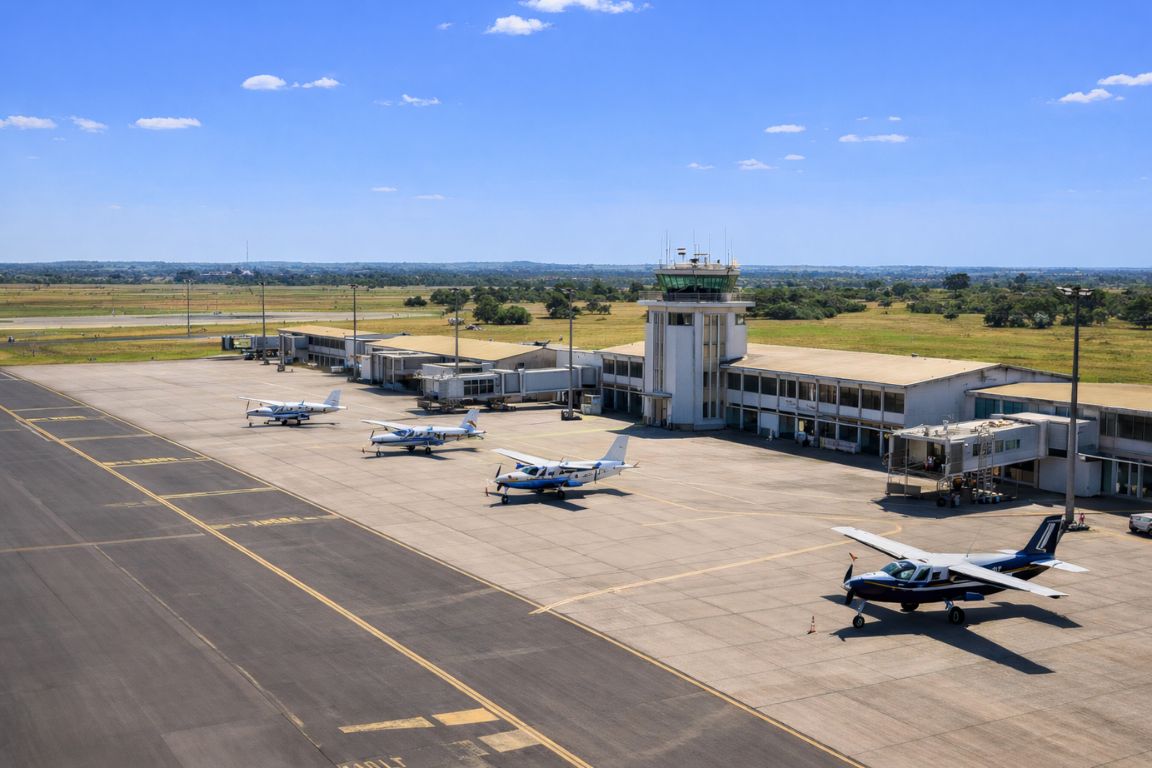 Yes, for trips under 5 nights. Flights cost $300 to $500 per person round trip but save 10 to 12 hours of rough road driving. On a 3 night safari, flying reclaims nearly a full day of game viewing time. On a 6+ night safari, the cost difference matters more and driving becomes economical, especially for groups where vehicle costs split multiple ways.
The drive from Nairobi takes 5 to 6 hours if roads are good, 7 to 8 hours if construction or rain turns sections to mud. It’s scenic for the first 3 hours through the Rift Valley, then punishing the last 2 hours on corrugated dirt roads that rattle every bone in your body. You leave Nairobi at 7 AM and arrive at camp around 2 PM, exhausted, dusty, ready for a shower more than a game drive.
Flying from Wilson Airport to one of the Mara’s airstrips (Kichwa Tembo, Musiara, Ol Kiombo, Keekorok) takes 45 minutes. You board at 10 AM, land at 10:45 AM, transfer to camp by 11:30 AM, quick lunch, afternoon game drive at 3:30 PM. You’ve saved 5 hours and your back doesn’t hurt.
The cost math for couples: road transfer by private vehicle runs $400 to $600 total round trip for the vehicle. Split between two people, that’s $200 to $300 each. Flights are $300 to $500 each. You’re paying $200 extra per person to fly, which translates to $400 for a couple. For that $400, you reclaim 10 hours of your vacation and arrive fresh.
The math shifts for groups. Four people in a Land Cruiser pay $100 to $150 each for road transfers. Flying is still $300 to $500 per person. The couple pays $200 extra to fly, the group of four pays $600 to $1,400 extra. At 5 to 6 nights, most groups drive because the time loss is proportionally smaller and the savings matter.
We’ve been coordinating these logistics since 2012. Let us take care of yours. We’ll tell you honestly whether flying or driving makes sense for your specific itinerary and group size.
Need help with the travel portion? Our guide on getting from Nairobi to Maasai Mara walks you through flights, road transfers, and what each one actually costs.
How Much Should You Budget For Tips And Extras?
Plan $100 to $150 per person total for a 4 night safari covering guide tips, camp staff tips, and small purchases. Add $500 if you want a balloon safari, $30 to $50 for a village visit, $100 to $200 for drinks if your camp doesn’t include alcohol. Bringing $300 to $400 in small US bills ($1, $5, $10, $20) covers most contingencies.
Guide tipping runs $15 to $20 per person per day, paid at the end of your safari. For a couple on a 4 night safari with a private guide, that’s $120 to $160 total. Hand it directly to your guide in cash, US dollars or Kenya shillings both work. Exceptional guides who find you incredible sightings and teach you about animal behavior deserve the higher end.
Camp staff tips go in a communal box at reception, usually near checkout. The suggested amount is $10 to $15 per person per day, split among the entire camp staff from housekeeping to kitchen to management. Some luxury camps provide envelopes and guidelines, others leave it to your discretion. For that same couple on 4 nights, budget $80 to $120 for camp staff tips.
| Safari Guide Tip | $15-20 per person per day | Paid at end, directly to guide, cash |
| Camp Staff Tip | $10-15 per person per day | Communal box at reception |
| Hot Air Balloon Safari | $450-550 per person | Includes champagne breakfast, book ahead |
| Maasai Village Visit | $20-50 per person | Fee supports community projects |
| Alcoholic Drinks | $5-15 per drink | Beer $5-8, wine $8-12, spirits $10-15 |
| Soft Drinks/Bottled Water | $2-5 per bottle | Often included at mid-range and up |
| Laundry Service | $5-15 per item | Luxury camps often include limited laundry |
| Souvenirs & Crafts | $5-100+ per item | Maasai beadwork, carvings, textiles |
| Night Game Drive | $50-80 per person | Conservancies only, not main reserve |
| Guided Walking Safari | $40-60 per person | Conservancies only, with armed ranger |
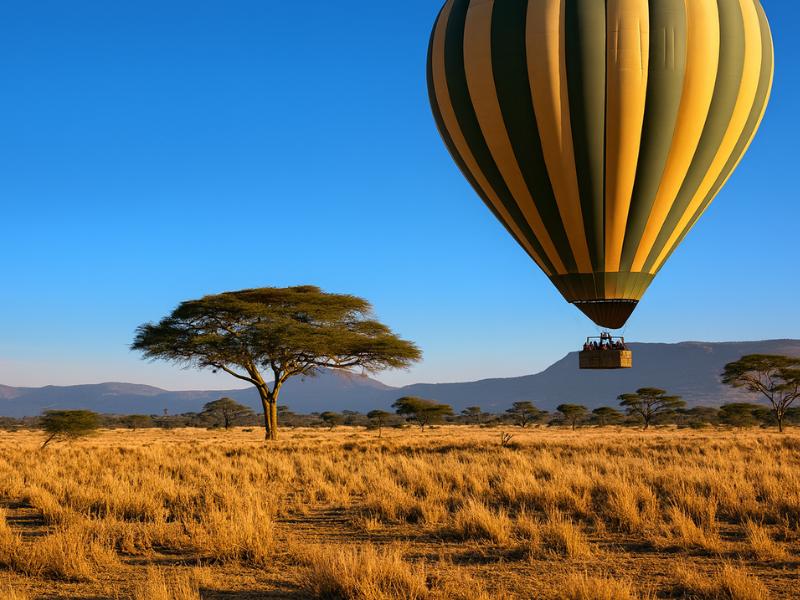
Balloon safaris are worth it if you can afford them. The $500 price includes the hour-long sunrise flight and a champagne breakfast in the bush afterward. You see the plains from above, photograph animals from unique angles, and experience something most safari goers skip. Book it for your second or third morning, not your first, so you’ve already had ground-level sightings and can appreciate the aerial perspective.
Alcohol adds up fast if you drink regularly. A beer costs $5 to $8, a glass of wine $8 to $12, a cocktail or spirit $10 to $15. Two drinks per day for two people over 4 nights is $160 to $240. Some luxury camps include house drinks which saves you hundreds, others charge for everything.
When Can You Find The Best Deals And Discounts?
Camp rates may be lower in April, May and November, but compare live quotes rather than assuming a fixed discount. The lower park-fee season is January through June; November remains in the July–December fee season. March and early June are shoulder periods with 20 to 30% discounts. December outside Christmas week and January through February see moderate discounts of 10 to 20%. Book 3+ months ahead for better rates regardless of season.
April is when camps get desperate. It’s peak long rains, some properties close entirely for maintenance, the ones that stay open slash rates to fill rooms. A mid-range lodge charging $350 per night in August drops to $180 in April. Luxury camps offering $800 nights fall to $450. Park fees halve. You’re looking at 40 to 50% total savings.
The tradeoff is rain and mud. Roads deteriorate, some tracks become impassable, grass grows tall enough to obscure smaller animals. But the Mara is spectacular in green season if you’re flexible about occasional wet game drives and understand you’re gambling on weather.
November is easier to justify. The short rains are lighter, usually just afternoon showers. Resident wildlife remains, but November park fees stay in the July–December fee season. Camp pricing is separate and needs a dated quote. Same camp at $350 in August might be $220 in November, a legitimate 35% savings with minimal weather risk.
Many camps run stay 3 pay 2 or stay 4 pay 3 promotions during low season. Governors camps, Karen Blixen, Cottar’s, and others offer free night deals. If you’re flexible on dates and camps, these promotions stack serious value. A $1,200 four night stay becomes $900, plus you’re already saving $400 on park fees.
Early booking discounts apply year-round. Book 6+ months ahead and many operators offer 10 to 15% off, sometimes 20%. That stacks with low season rates. A $3,000 safari booked 6 months early in low season with a 15% early booking discount and a stay 4 pay 3 promotion drops to around $1,800.
Last-minute deals exist but they’re risky. Some camps with unsold inventory offer 20 to 30% discounts 2 to 4 weeks before arrival, but you’re choosing from what’s left, not what you want. During peak migration season, nothing goes unsold. During low season, you might score a deal if you’re extremely flexible.
If you’re flexible on dates, here’s the best time to visit Maasai Mara safari tours based on the migration calendar, weather conditions, and when wildlife concentrations peak.
How Can You Cut Costs Without Ruining The Experience?
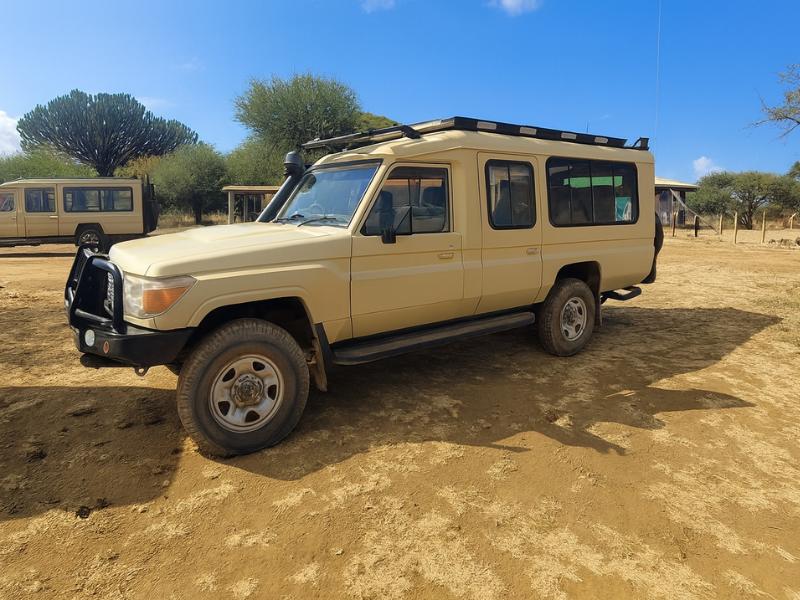
Travel during January–June for the lower park-fee season and compare current accommodation quotes, drive instead of fly (save $300-500 per person), share a vehicle with another couple if you’re comfortable (save $200-400 per person), stay 3 nights instead of 4 (saves one full day of all costs), skip the balloon safari (save $500), and stay in the main reserve instead of conservancies (save $100-150/day in conservancy fees). The wildlife viewing is 90% as good for 60% of the cost.
March, April and May fall within the lower January–June park-fee season. November may offer different camp prices, but it remains in the higher July–December park-fee season. Yes, you risk rain in April and May, but March and November are perfectly viable with minimal weather downside. That park fee cut from $200 to $100 saves a couple $400 on a 4 night trip, a family of four saves $800. Add the accommodation discounts and you’re looking at $1,000 to $1,500 total savings on a typical mid-range safari.
Joining a small group safari cuts costs dramatically if you’re a couple or solo traveler. You share a Land Cruiser with 2 to 4 other travelers (6 people maximum), split guide and vehicle fees, and often stay at the same accommodations as private safaris. Group departures run $300 to $500 per person per day all-in versus $500 to $800 for private equivalent. The downside is fixed itinerary and you’re stuck with whoever else booked.
Staying just outside the reserve saves money two ways. First, accommodations outside the reserve are cheaper than inside, sometimes 20 to 30%. Second, you avoid the community fee some inside-reserve camps charge. The tradeoff is 15 to 30 minutes extra drive time to reach game viewing areas, which barely matters.
Mixing budget and mid-range accommodations works if you’re doing a longer trip. Spend 2 nights at a budget camp, 2 nights at mid-range. You save $100 to $200 per night on the budget portion, still get some comfort at mid-range, and average out to affordable. Just make sure your budget option is legitimate, not a cost-cutting disaster.
Skip activities you don’t actually care about. If you’re not a hot air balloon person, that’s $500 saved. If Maasai culture doesn’t interest you, skip the village visit and save $30 to $50. Drink less or bring a duty-free bottle from the airport if your camp allows it (many do). These small cuts add up to $600 to $800 in savings.
Questions before you commit? Let us help you optimize. We’ll show you where cuts hurt versus where they barely matter, and we’ll find the combination that maximizes value for your specific budget.
What Do Our Travelers Actually Spend?
| Budget (Camping/Basic) | 12% | $1,100-1,600 | Backpackers, students, budget-conscious couples, group travelers |
| Mid-Range (Lodge/Camp) | 56% | $2,000-3,500 | First-time safari goers, families, couples on milestone trips |
| Luxury (Conservancy) | 27% | $4,500-8,000 | Honeymooners, photographers, repeat visitors, high-net-worth travelers |
| Ultra-Luxury | 5% | $10,000+ | Ultra-high-net-worth, celebrities, special occasions, multi-generational families |
Data based on 483 safari bookings we coordinated in 2025. Costs include accommodation, park fees, meals, game drives, and flights where applicable. Exclude international airfare.
That mid-range concentration at 56% tells you where the value lives. Most travelers conclude that budget is too rough and luxury is overkill, landing in the middle where you get private vehicles, decent camps, and full flexibility without paying for butler service and champagne on tap.
The luxury category at 27% skews toward honeymoons and milestone birthdays, people for whom this is genuinely once in a lifetime and they’re willing to pay for the best. The ultra-luxury 5% is almost entirely repeat visitors who’ve already done mid-range safaris and want to upgrade, or ultra-high-net-worth travelers for whom $10,000 per person is incidental.
Budget at only 12% reflects reality: truly budget-conscious travelers often skip Maasai Mara entirely for cheaper Kenyan parks, or they visit during April-May when mid-range prices drop to budget levels. The ones who do book budget Mara safaris are usually younger travelers or large groups splitting costs.
If you’re working with limited funds, here are the budget camps in Maasai Mara safari tours that don’t sacrifice location or guide quality just to hit a lower price.
What Trips People Up When Budgeting Safari Costs
The biggest mistake is not asking what “land only” means. Operators quote “land only” prices that exclude flights, figuring everyone knows flights are separate. But travelers see $1,800 and think that’s the total, then discover they need another $500 for flights. Always ask: does this price include flights from Nairobi? If not, add $300 to $500 per person.
Second mistake: booking the cheapest operator and getting exactly what you paid for. That $180 per person per day budget safari uses a beat-up minibus with 9 people crammed in, an inexperienced guide who can barely speak English, and a camp with questionable food safety. You save $600 on a 4 night safari and regret every minute. Budget has a floor around $250 per day, anything below that is cutting dangerous corners.
Third: not budgeting for tips. You arrive at the end of your safari, the guide has been incredible for 4 days, the camp staff treated you like family, and suddenly you’re scrambling for cash because you didn’t bring tip money. Plan $100 to $150 per person minimum, bring it in small bills, budget it upfront.
Fourth: ignoring the seasonal park fee structure. Booking August without realizing park fees double saves you nothing because you’re paying an extra $400 to $800 for your family. If your dates are flexible, June is in the lower park-fee season; November remains in the same July–December fee season as August.
Fifth: assuming package prices include balloon safaris or village visits. They don’t. Those are always extra unless explicitly stated otherwise. If you want a balloon safari, add $500. If you want a village visit, add $30 to $50. Small items but they add up.
Sixth: not reading the alcohol policy. Some camps include drinks, most don’t. If you’re a couple who enjoys sundowners and wine with dinner, you’re easily spending $150 to $250 on drinks over 4 nights. Either confirm it’s included or budget for it separately.
If you’d rather hand the budgeting to someone who’s coordinated 2,500 safaris and knows exactly what things actually cost, we’ve been doing this since 2012. We’ll build you an honest budget with zero surprise fees.
Frequently Asked Questions
Is Maasai Mara safari expensive?
Yes, compared to many safari destinations. Park fees of $100 to $200 per person per day are among Africa’s highest. A typical 4 night mid-range safari costs $2,000 to $3,500 per person all-in. Budget safaris start around $1,000, luxury reaches $5,000 to $10,000. The wildlife density and migration spectacle justify the cost for most visitors.
Why are Maasai Mara park fees so high?
Narok County sets fees to fund conservation, anti-poaching, infrastructure, and community development. The fees doubled in 2024 from previous rates, making Maasai Mara one of the most expensive parks in Africa. The high fees also manage tourist numbers during peak migration season. Revenue supports the Maasai community and wildlife protection programs.
What’s the cheapest month to visit Maasai Mara?
April and May offer the lowest prices due to long rains. Park fees drop to $100 per day (versus $200 July-December), and accommodation costs fall 30 to 50%. November is the better value pick if you want to avoid heavy rains while still getting low season pricing. March and June are shoulder months with moderate discounts.
Do I need travel insurance for a Maasai Mara safari?
Not legally required, but strongly recommended. Many operators now require proof of coverage before confirming bookings. Comprehensive policies including medical evacuation cost $50 to $150 for a week-long trip. Safari-specific coverage can include trip cancellation if the migration doesn’t occur or if travel disruptions affect your dates.
Can I visit Maasai Mara on a tight budget?
Yes, but with limitations. Budget camping safaris start around $250 per person per day including park fees. Travel during low season (April-May or November), join group departures, drive instead of fly, stay 3 nights instead of 4, and skip expensive activities. Expect basic accommodation and shared vehicles but the wildlife viewing is identical to luxury safaris.
What currency should I bring for tips and extras?
US dollars in small bills ($1, $5, $10, $20) are widely accepted and preferred for tips. Kenya shillings work too but dollars are easier for most travelers. Bring $300 to $400 in cash for a typical 4 night safari to cover guide tips, camp staff tips, souvenirs, and any last-minute expenses. Credit cards work at most camps but not everywhere.
We’ve been coordinating safaris for travelers since 2012. Let us take care of yours. We’ll build you a transparent budget with every cost explained, no hidden fees, no surprises at checkout, just honest pricing and incredible wildlife.
Written by Zara Akinyi Omondi
Kenyan tour guide since 2012 · Founder, Maasai Mara Safari Tours
Zara has guided over 2,500 travelers through Maasai Mara and Kenya’s premier safari destinations since founding the agency.