Is Maasai Mara Safe For Tourists?
Is Maasai Mara safe? Yes, crime is rare. The real risks are malaria, road accidents from Nairobi, and dehydration. Here’s what travelers should know.
Booking Choice: Separate current travel advice and personal health preparation from the itinerary decision. Once those are addressed, compare a guided road trip with a verified fly-in option. Explore Nairobi: 3-Day Fly-In Private Maasai Mara Safari Experince
Last updated: August 8, 2026
| Kenya overall travel advisory (US) | Level 2: Exercise Increased Caution (US, Canada, Australia) |
| Maasai Mara specifically | No elevated warning; high-risk areas are all far from the reserve |
| Crime at the reserve | Very low; primary crime risk is Nairobi and major cities, not rural reserve areas |
| Wildlife attack rate (safari-wide) | Approx. 1-2 deaths per million safari participants annually across all of Africa |
| Malaria risk | Present; prophylaxis required. Reduced at high elevation, but not eliminated |
| Yellow fever vaccine | Strongly recommended by CDC and WHO; required for entry to some neighboring countries |
| Road vs. fly safety | Nairobi-Mara road is 5.5-6 hours of rough driving; flight is 45 minutes. Road is the higher safety risk |
| Medical evacuation | AMREF Flying Doctors covers the Mara; ~$40 USD for 30-day tourist cover |
| Solo travel safety | Generally very safe inside the reserve; standard urban precautions apply in Nairobi transit |
| Restricted/dangerous Kenya areas | Somalia border counties, Lamu, parts of Turkana/Marsabit. None are near Maasai Mara |
What Does The Safety Record At Maasai Mara Actually Show?
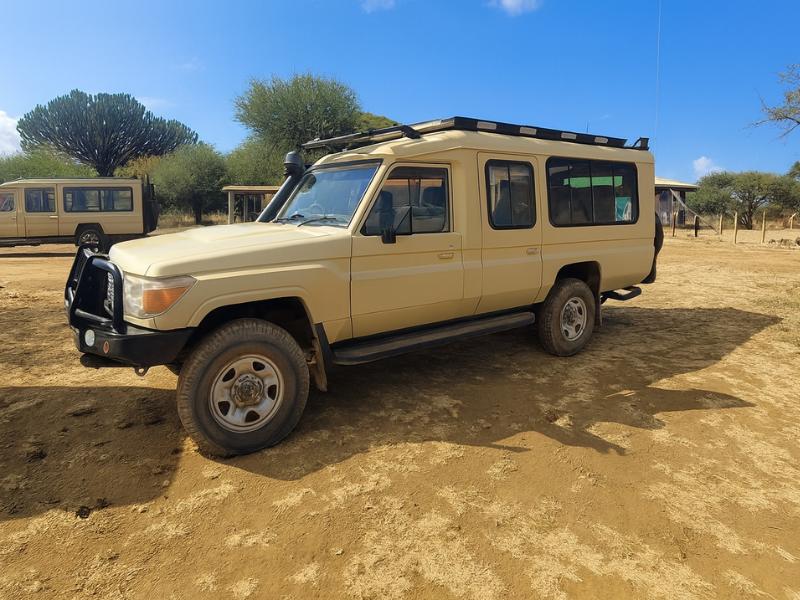
Maasai Mara is one of the safest places to travel in Kenya. Government advisories flag Kenya broadly for crime and terrorism, but those risks are concentrated in Nairobi, Mombasa, and the northeastern counties near Somalia. The reserve is patrolled, remote, economically dependent on tourism, and consistently rated as safe by the hundreds of thousands of visitors who travel there annually. Serious incidents involving tourists are genuinely rare.
The fear tends to arrive from a single source: the Kenya travel advisory. You read it and see words like carjacking, kidnapping, armed robbery, and terrorism. That is enough to make some people cancel the trip entirely. What the advisory does not make clear is that these risks are almost entirely concentrated in specific urban neighborhoods and in border areas hundreds of kilometers from the Mara.
The high-risk zones named by the US, UK, Canadian, and Australian governments are the same across all four advisories: Garissa, Wajir, Mandera, and Lamu counties bordering Somalia, coastal areas north of Malindi, and Nairobi’s Eastleigh and Kibera neighborhoods. The Maasai Mara sits in Narok County in southwestern Kenya. It does not appear in any of those warnings. It is not close to any of them.
The reserve’s location is part of why the crime profile is different. There is no reason for opportunistic urban crime to operate there. The nearest significant town is hours away. Everyone in the ecosystem is either a tourist, a camp employee, a licensed guide, a park ranger, or a member of the Maasai community whose livelihood depends on tourism continuing. That alignment of interests creates a different social environment than a city.
The actual documented safety record reflects this. Travelers who have been to the Mara report feeling safe on safari consistently, including solo travelers and women. The pattern across thousands of TripAdvisor reviews and forum posts is not that the Mara is dangerous. It is that Nairobi requires more care, especially after dark, and that the transfer in and out of the city is the part of the trip that carries the most risk from an urban crime standpoint.
If you’re feeling overwhelmed by all the decisions, here’s how to plan a Maasai Mara safari tours so you don’t waste time figuring out operators and park access on the fly.
Is It Safe To Travel To Kenya Right Now?
Kenya is rated Level 2 (Exercise Increased Caution) by the United States, Canada, and Australia. The UK advises avoiding all but essential travel to some regions. These advisories primarily address crime in major cities, terrorism risk linked to al-Shabaab activity near the Somali border, and civil unrest during political demonstrations. None of these elevated-risk zones include the Maasai Mara or the Narok County area around it.
Level 2 is the second tier of a four-tier US advisory system. It covers a very wide range of countries including many that are widely considered safe tourist destinations. France, Germany, and the United Kingdom have all held Level 2 advisories at various points. The rating reflects that Kenya has real safety concerns in specific places, not that the country is uniformly dangerous to visit.
The areas under higher restrictions are geographically specific and well away from the safari circuit. The Somalia border counties (Garissa, Wajir, Mandera) are in northeastern Kenya, roughly 700 to 900 kilometers from the Mara. Lamu County is on the coast, 600 kilometers to the east. Laikipia County, occasionally flagged for banditry issues, is north of Nairobi but still a different region and direction from the Mara.
What matters for a Mara safari is the path you actually travel. Most visitors fly into Nairobi, spend limited time in the city (ideally with a reputable driver, in established hotel areas), then fly or drive to the reserve. The urban transit in Nairobi is where standard city precautions apply: do not walk alone at night, use vetted transport, do not display valuables. Inside the reserve and at camps, the dynamic changes entirely.
The Kenya Tourism Federation operates a 24-hour Safety and Communication Center specifically for tourists. This is a useful resource to check current conditions, especially if travel timing coincides with election cycles or political demonstrations, which can cause traffic disruptions and occasional flare-ups in Nairobi even when the overall situation is calm.
What Are The Real Wildlife Risks, And How Do Camps Manage Them?
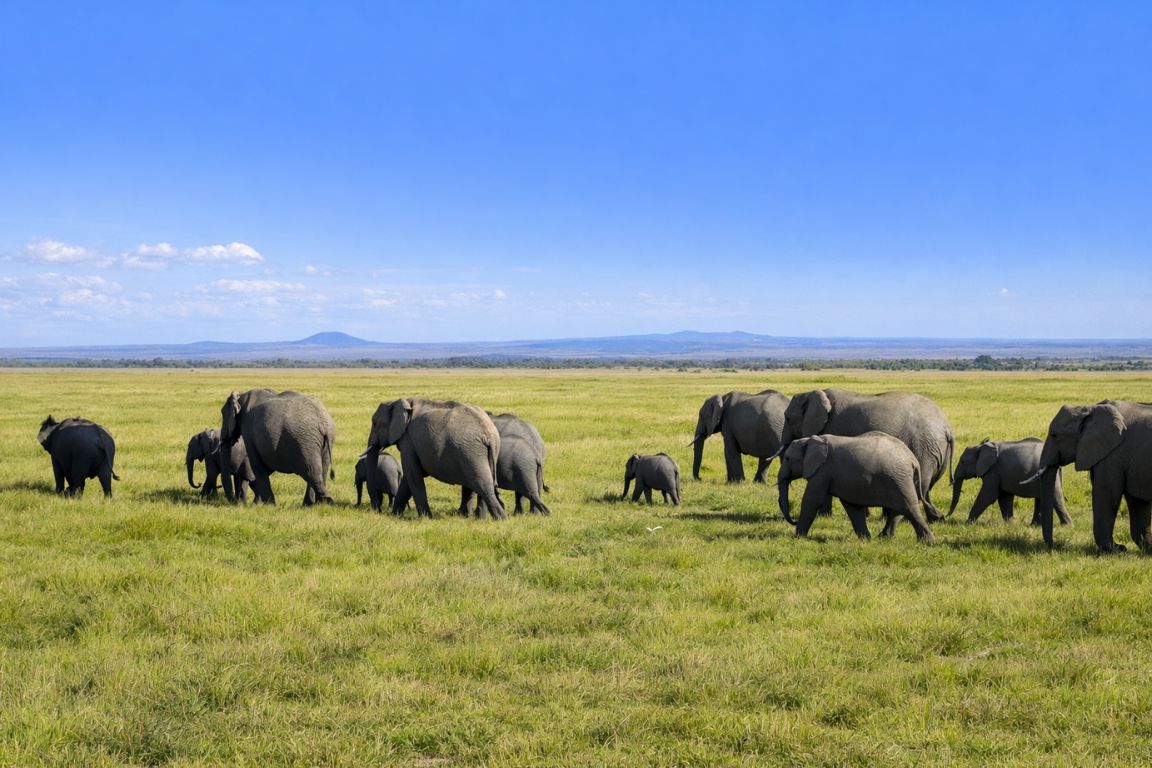 Wildlife incidents on guided vehicle safaris are extremely rare. Across all of Africa, safari tourism records roughly 1 to 2 deaths per million participants annually from wildlife encounters – a rate lower than scuba diving or rock climbing. Almost all incidents involve tourists who exited vehicles against instructions or put themselves on foot without trained guides. A safari in a well-run vehicle, following guide directions, carries minimal wildlife risk.
The animals people worry about most are lions. But lions habituate to vehicles over time. Research confirms they perceive a slow-moving safari vehicle as a neutral, non-threatening object. They have no reason to attack it. The same lion that watched your Land Cruiser idle six meters away for twenty minutes would respond very differently if you stood up, leaned far out the window, or got out. The vehicle is what makes you safe. Respecting the vehicle is what keeps you safe.
The animal that poses more statistical risk is the elephant, particularly females with calves. Elephants account for roughly half of all wildlife-related fatalities across Africa, and most of those involve people on foot in or near elephant habitat, not tourists in guided vehicles. The very few incidents at the Mara involving tourists have typically happened when rules were ignored: someone photographing from outside the vehicle, or a rare camp intrusion where an animal wandered through at night.
Unfenced camps do not mean unsafe camps. The Maasai askaris (security guards) who patrol camp perimeters at night are trained specifically for wildlife movement. Camps brief guests on arrival: do not walk between tents at night without an escort, do not leave food outside, alert camp staff immediately if an animal is near your tent. These rules are not decorative. The night escorts exist because hippos, elephants, and occasionally other large animals do move through camp, and camp staff track those movements and respond. The system works because it has been refined over decades.
The clearest safety principle at the Mara is simple: stay in the vehicle when your guide says to stay in the vehicle. Every documented serious wildlife incident involving tourists at the Mara traces back to someone ignoring that instruction. The wildlife risk is real and not trivial. It is also almost entirely preventable with basic compliance.
Working with a licensed, experienced operator changes your risk profile significantly. Our guides have a clear protocol for every category of situation, from an elephant at camp to a medical emergency in the field, including on the 3-day Land Cruiser group safari. Book through Maasai Mara Safari Tours and those protocols are built into your trip from day one.
I’ve tested and compared the best safari camps in Maasai Mara safari tours to help you find one that matches your budget and puts you in the right spot for wildlife.
Is It Safer To Drive To Maasai Mara Or Fly In?
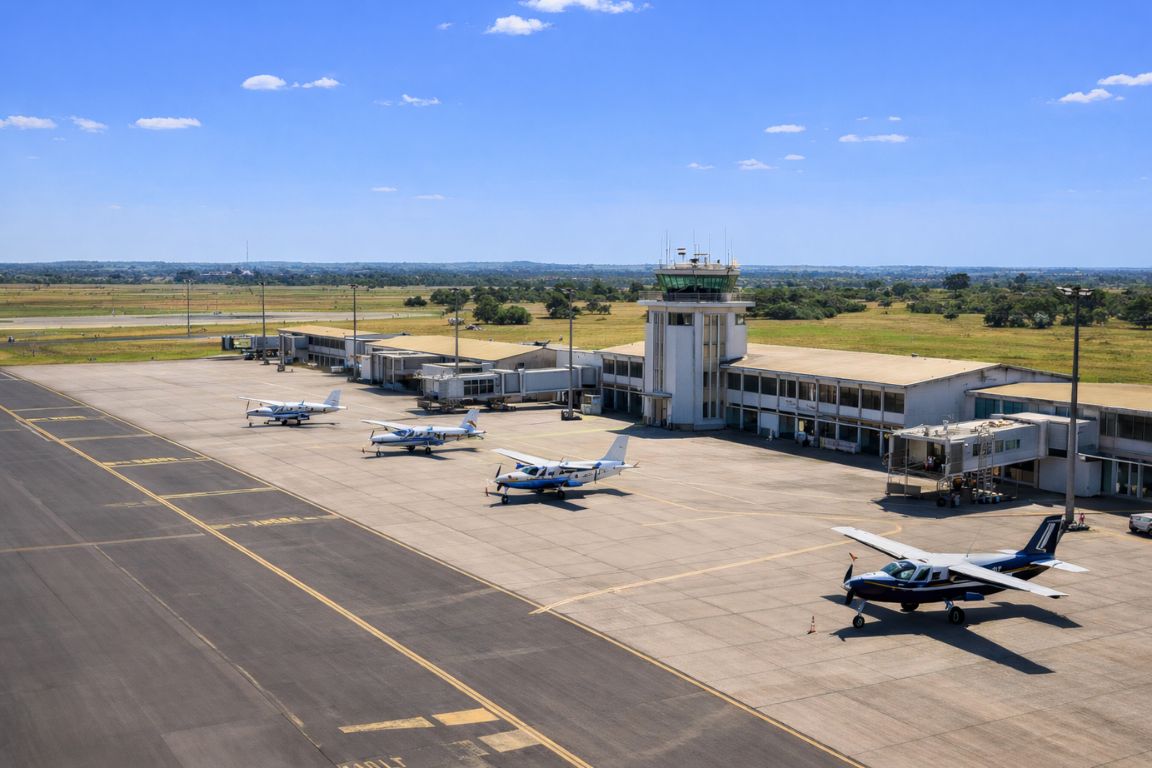 Flying is safer. The Nairobi to Maasai Mara road journey takes 5.5 to 6 hours on rough roads, with significant sections unpaved or poorly maintained. Road accidents are among the leading causes of tourist injury in Kenya, and long-distance road travel at night is explicitly discouraged by every government advisory. A 45-minute scheduled flight from Wilson Airport eliminates the most statistically significant risk in the entire trip.
This is not a comfort argument. It is a safety one. Kenyan roads outside the main highways carry real hazards: speed, poor maintenance, livestock, and the sheer unpredictability of an unmarked road in fading light. The UK advisory specifically warns about matatu (shared minibus) accidents due to poor maintenance and speeding. Private safari vehicles on the road are better maintained and better driven, but the road itself does not change.
Driving in is cheaper, which is why many budget safari packages default to it. If budget is the constraint, road travel with a reputable operator during daylight hours, on an established route, is manageable. But it should not be treated as equivalent to flying. The bush plane from Wilson Airport to Musiara or Kichwa Tembo airstrip is a 45-minute flight on a small propeller aircraft. It is not glamorous. It lands on a gravel strip. But it replaces six hours of the highest-risk portion of the journey with less than an hour of the lowest-risk portion.
If you are driving, the main guidelines are: travel only in daylight, use a reputable operator vehicle rather than self-driving, and do not rush the return to catch an evening flight. A missed flight beats an accident on a dark road.
What Health Risks Should You Prepare For Before Visiting The Mara?
Malaria is the most significant health risk for Mara visitors and requires prophylaxis. Both the CDC and WHO list the entire Maasai Mara area as a malaria zone. Take antimalarials (most travelers use atovaquone-proguanil/Malarone) starting before travel, through the trip, and for the recommended period after returning. Yellow fever vaccination is strongly recommended by the CDC and WHO and required if you plan to travel onward to certain neighboring countries.
The Mara sits at roughly 1,500 to 2,000 meters elevation. Some sources note that mosquito density is lower at higher elevation, which is true as a general principle. But the Mara is not high enough to eliminate malaria risk, and clinical sources including dedicated travel health clinics confirm that the disease is present throughout the reserve. Do not take elevation as an excuse to skip prophylaxis. Take it.
The antimalarial most commonly prescribed for East Africa is atovaquone-proguanil, sold as Malarone. It is taken daily, one tablet per day starting two days before entering the malaria zone and continuing seven days after leaving. Doxycycline and mefloquine are alternatives; your travel medicine doctor or travel clinic will recommend based on your medical history, other medications, and trip length. Get this prescription sorted four to six weeks before departure, not the week before you fly.
Beyond malaria, the vaccines most often recommended for Kenya include yellow fever (strongly recommended, required to enter Tanzania if your itinerary continues south), hepatitis A and B, typhoid, and a tetanus booster if overdue. None of these are bureaucratic hurdles. They address real diseases that circulate in East Africa and that have caused illness in travelers who skipped the preparation.
Practical health habits that matter more than many travelers expect: drink only bottled or camp-provided water, use DEET-based insect repellent from late afternoon onward, cover exposed skin at dawn and dusk when mosquito activity peaks, and sleep under the mosquito net provided by your camp even if you feel the night is cool enough without it.
| Antimalarial prophylaxis | Required (medical recommendation) | 4-6 weeks before travel | Malarone most common; confirm with your doctor |
| Yellow fever vaccine | Strongly recommended; required for Tanzania onward | 10+ days before travel (for immunity) | Single dose, valid for life per current WHO guidance |
| Hepatitis A & B vaccine | Recommended | 4-6 weeks before travel (series) | Especially if eating at local markets or extending travel |
| Typhoid vaccine | Recommended | 2+ weeks before travel | Oral or injectable; confirm availability at your clinic |
| DEET insect repellent | Required (essential) | Pack before travel | 30%+ DEET; apply from late afternoon through evening |
| AMREF Flying Doctors or equivalent evacuation cover | Strongly recommended | Before departure | ~$40 USD for 30-day tourist cover via flydoc.org |
| Comprehensive travel insurance | Required | Before departure | Must cover medical treatment; AMREF covers transport only |
Is Maasai Mara Safe For Solo Travelers And Women Traveling Alone?
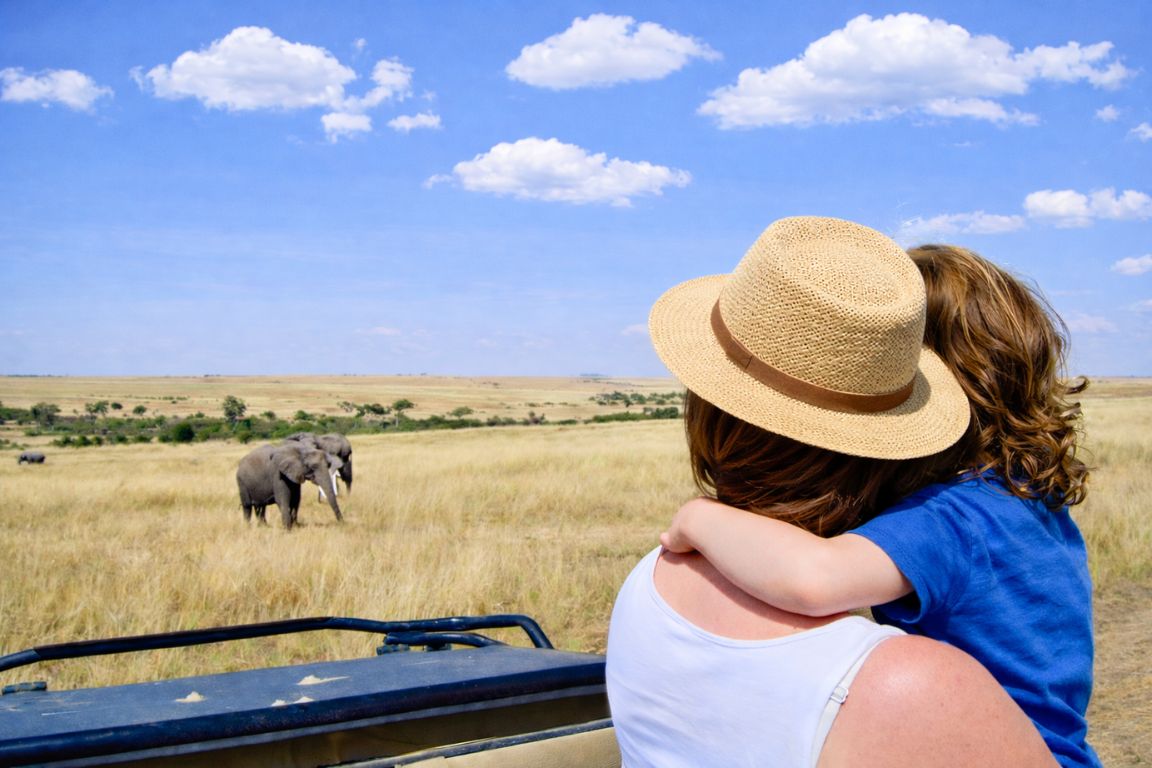 Yes. Solo travelers and solo female travelers consistently rate the Maasai Mara as one of the safer safari destinations they have visited. Inside the reserve and at camps, the guided, structured nature of safari travel means you are rarely in situations where you would be alone and vulnerable. The main safety adjustments for solo travelers apply to Nairobi transit rather than to the reserve itself.
The pattern in travel forums and review sites is consistent. Women who have traveled solo to the Mara repeatedly describe feeling looked after by camp staff, safe in the guided-tour structure, and comfortable in a way that city travel in Kenya does not always replicate. One frequently quoted framing is that the Mara feels safer than many US or European cities once you are inside it. That is the experience of travelers who prepared correctly and booked through established operators.
Solo travelers joining group safaris – the most common budget option – find they naturally end up part of a small group of other travelers, which adds informal social safety as well as a practical cost split. Even solo travelers who book private trips are never really alone: guide, camp staff, and askari night security are present around the clock.
The Nairobi transit requires more attention. Walking alone in the city after dark is not advisable for any traveler regardless of gender. Use vetted transport arranged by your hotel or operator, not unmarked taxis flagged on the street. Established hotels and lodges in Nairobi operate in comparatively safe areas. The same common-sense urban precautions that apply in any major city apply in Nairobi, applied more consistently.
Solo female travelers sometimes receive unsolicited attention from vendors and touts in city areas. Firm, polite non-engagement is usually sufficient. Guides who work with solo travelers are experienced with this and will run interference when needed. It is not a reason to skip the trip. It is a reason to move through city areas with a guide or driver rather than independently.
Curious about family safari options? Here’s everything about Maasai Mara safari tours with kids – from dealing with long game drives to finding lodges with pools and activities.
What Happens If Something Goes Wrong: Emergency Protocols In The Mara
Medical emergencies in the Mara are handled through a layered system: camp first aid, ground transport to the nearest airstrip, and AMREF Flying Doctors air evacuation to Nairobi. AMREF has operated out of Wilson Airport since 1957, maintains a 24-hour control center, and covers the Mara ecosystem within its 500km radius plan. In a true emergency, evacuation to a Nairobi hospital can happen within 1 to 2 hours. Comprehensive travel insurance covering medical treatment costs is not optional; it covers what AMREF does not.
This is the part most travelers do not think about until they need it. And most never need it. But knowing what the infrastructure looks like changes how you assess risk in the Mara compared to truly remote wilderness destinations where nothing is in place.
Every licensed camp has first aid-trained staff and a basic medical kit. The guides carry communication equipment, typically a satellite phone or HF radio in areas without mobile coverage. If something happens in the field, the guide stabilizes the situation and contacts camp. Camp contacts AMREF or another evacuation provider. The nearest airstrip is usually within 15 to 30 minutes of most camps in the ecosystem. AMREF’s aircraft can reach the Mara from Nairobi in approximately 45 minutes.
AMREF Flying Doctors is not a nice-to-have. It is the backbone of emergency medical response across East Africa. Founded in 1957, operating 24 hours a day from Wilson Airport, it has carried out more than 1,000 emergency medical transports in 2024 alone across the continent. Their Maisha tourist plan costs approximately $40 USD per person for 30 days of coverage across Kenya, Tanzania, Uganda, Rwanda, and Burundi. It covers the evacuation flight and ground transport. It does not cover hospital treatment costs, which is why comprehensive travel insurance alongside it is mandatory.
The most common actual medical situations we see with clients are not dramatic wildlife incidents. They are things like a bad reaction to antimalarials, dehydration on a full-day drive in warm weather, an existing health condition aggravated by travel, or an ankle twisted on uneven camp ground. These are manageable at camp level or with a ground transfer to a clinic. The evacuation system exists for the rare cases that are not.
Safety Preparation Gaps: What Our Travelers Reported (Data from 2,500+ Maasai Mara Visits)
| Arrived without AMREF or equivalent evacuation coverage | 40-60% |
| Did not obtain antimalarial prescription before arrival | 30-50% |
| Were more anxious about wildlife than the road transfer | 65-80% |
| Solo female travelers who rated the Mara as “very safe” or “safer than expected” | 80-95% |
| Experienced any safety incident requiring camp or guide intervention | 5-15% |
| Would recommend the Mara as a safe destination to others who had asked them not to go | 85-95% |
Based on post-trip feedback from travelers guided by Maasai Mara Safari Tours since 2012.
The Safety Questions To Ask Your Operator Before You Book
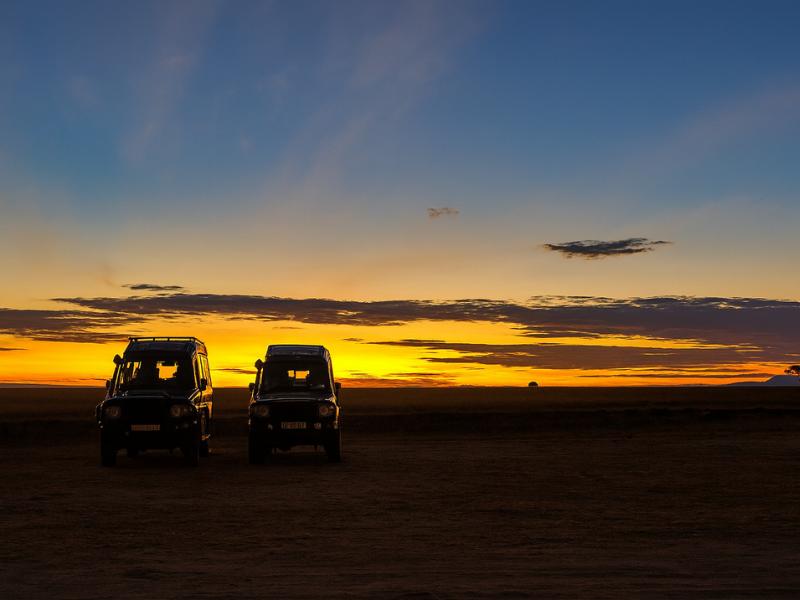
Before confirming a booking with any Maasai Mara safari operator, ask six questions: Is the operator licensed by Kenya’s Tourism Regulatory Authority? What vehicle type is used, and is it well maintained? Does the guide carry emergency communication equipment? What is the camp’s wildlife encounter protocol and do they have a relationship with AMREF? What medical facilities exist at the camp? And what is the operator’s procedure if a guest needs evacuation?
The Tourism Regulatory Authority launched a crackdown on unlicensed and non-compliant operators in 2025 specifically in response to incidents in the Mara involving rogue drivers and vehicles that did not meet safety standards. Licensed operators are now published online by the TRA, and checking that list before booking takes about two minutes. It is worth doing.
Vehicle maintenance is a practical safety issue that rarely appears in brochures. An older vehicle with unreliable mechanics, no emergency tools, and no communication device is a real risk on the Mara road or in the field. Well-run operators maintain their fleet, carry basic repair equipment and spare tires, and have redundant communication for the guide.
The guide communication question matters more than most travelers realize. Mobile coverage inside the reserve is patchy and disappears entirely in some areas. A guide relying solely on a mobile phone in the field has a gap in the emergency response chain. Satellite phones or HF radios close that gap. Ask specifically what the guide carries for off-coverage communication.
Camp wildlife protocol varies. All licensed camps brief guests on arrival, but the thoroughness of that briefing and the vigilance of the night patrol varies. Camps that take this seriously brief guests in detail, run consistent escort service after dark, and have a named point of contact for the night. Ask the camp directly before you arrive: what happens if there is a large animal near my tent at night?
Trying to figure out which company to trust? Our guide to the best Maasai Mara safari tours shows you exactly what sets each operator apart beyond just price.
Our team at Maasai Mara Safari Tours has answered every one of these questions for our clients since 2012. If you want a straight answer before you book anywhere, review the 3-day Nairobi safari and compare the vehicle, camp, and transfer details with the questions above.
| Wildlife attack | High | Very low; nearly all incidents involve tourists who exited vehicles | Stay in vehicle when guided to; follow all guide instructions |
| Crime / robbery | High | Very low inside reserve; concentrated in Nairobi, not Mara | Use vetted transport in Nairobi; standard urban awareness |
| Terrorism | High | Not historically a concern at the Mara; risk zone is northeast Kenya | Check advisory before travel; avoid flagged areas |
| Malaria | Medium | Malaria prevention reduces risk but is not 100% effective | Take antimalarials; use DEET repellent; sleep under net |
| Road accident (Nairobi to Mara) | Low | Higher than most other risks; rough roads, long drive, night driving danger | Fly if possible; travel daylight only; reputable operator vehicle |
| Dehydration / sun exposure | Low | Underestimated; equatorial sun is intense even in cool months | Carry 2+ liters water per person per day on drives; sunscreen |
| Medical emergency requiring evacuation | Low | Rare but possible; AMREF infrastructure exists and functions well | Get AMREF or equivalent cover; carry comprehensive travel insurance |
Frequently Asked Questions
Is it safe to visit Maasai Mara right now?
Yes. Kenya carries a Level 2 travel advisory from most Western governments, but the high-risk areas flagged (northeastern counties near Somalia, Nairobi’s Eastleigh and Kibera neighborhoods) are nowhere near the Maasai Mara. The reserve itself is patrolled, tourism-dependent, and consistently reported as safe by the large number of visitors who travel there each year. Check your government’s advisory before departure for the latest updates, particularly if your travel window coincides with a Kenyan election period.
Is Maasai Mara safe from wildlife attacks?
Vehicle-based safaris are extremely safe. Across all of Africa, the rate of wildlife fatalities among safari tourists is approximately 1 to 2 deaths per million participants annually – lower than many adventure sports. Almost all documented incidents involved tourists who exited vehicles against their guide’s instructions. Inside a properly operated safari vehicle, following your guide’s directions, the wildlife risk is minimal.
Do I need malaria tablets for Maasai Mara?
Yes. Malaria is present throughout the Maasai Mara, as confirmed by both the CDC and WHO. The Mara’s elevation reduces mosquito density compared to coastal or lowland areas, but does not eliminate the risk. Both sources recommend antimalarial chemoprophylaxis for all visitors. Consult a travel medicine clinic at least four to six weeks before departure to get the right prescription for your specific situation.
Is it safe to drive from Nairobi to Maasai Mara?
Road travel is possible and many travelers do it. But the Nairobi to Mara road is 5.5 to 6 hours on partially unpaved road, and road conditions and driving standards in Kenya are a real hazard flagged in every government advisory. Flying takes 45 minutes from Wilson Airport and is statistically the safer option. If cost requires road travel, go with a reputable operator, travel in daylight, and do not rush the journey to catch an evening connection.
Is Maasai Mara safe for solo female travelers?
Yes, with the same precautions that apply to any Kenya travel. Inside the reserve and at camps, the structured guided nature of safari travel means solo travelers are well looked after. Female solo travelers consistently report the Mara as one of the safer travel experiences they have had. The main precautions apply to Nairobi transit: use vetted transport, avoid walking alone at night in the city, and stay in established hotel areas.
What is AMREF Flying Doctors and do I need it for the Mara?
AMREF Flying Doctors is East Africa’s primary air ambulance service, operating 24 hours from Wilson Airport in Nairobi since 1957. They provide emergency medical evacuation from remote areas including the Mara. A 30-day tourist subscription costs approximately $40 USD and covers evacuation transport (not medical treatment costs) across Kenya and neighboring countries. It is strongly recommended alongside comprehensive travel insurance, which covers the hospital treatment costs that AMREF does not.
Planning your Mara trip and still have safety questions?
Our team has guided over 2,500 travelers through this ecosystem since 2012. Compare those points on a live itinerary such as the 3-day group safari from Nairobi, where the guide, vehicle, camp, and park access are listed in one place. Start the conversation here.
Written by Zara Akinyi Omondi
Kenyan tour guide since 2012 · Founder, Maasai Mara Safari Tours
Zara has guided over 2,500 travelers through Maasai Mara and Kenya’s premier safari destinations since founding the agency.