Maasai Mara Safari With Kids
Maasai Mara with kids? Best for ages 5+, ideal from 8. Use a private vehicle, stay 3-4 nights, and pick a family-friendly camp.
Booking Choice: Plan around your children’s ages, the camp’s actual policies and a manageable drive schedule. Private and fly-in options below are starting points to confirm, not automatic family eligibility. Explore Private Three-Day Mara Safari At Sopa Lodge
Last updated: March 11, 2026
Quick Answer
At A Glance: Compare the vehicle, travel time and room arrangements before the price; child suitability needs confirmation for the exact booking. Explore Private Three-Day Mara Safari At Sopa Lodge
Maasai Mara works for families with children aged 5 and up, though the sweet spot is 8 and older. Children under 9 enter the reserve free. You need a private vehicle for young kids – shared game drives do not work for families. Plan 3 to 4 nights minimum, fly in from Nairobi if the children are under 10, and choose a camp that actively accommodates families rather than simply allows them.
Quick Facts: Maasai Mara Safari With Kids
| Recommended minimum age | 5+ for private game drives; 8+ for the full experience; 12+ for hot air balloon |
| Park fees – under 9 | Free entry (children under 9 at time of exit) |
| Park fees – ages 9 to 17 | USD $50 per child per day (year-round rate, 2025) |
| Adult park fees | USD $100/day Jan-Jun; USD $200/day Jul-Dec (non-resident, 2025) |
| Vehicle requirement | Private vehicle strongly recommended for families with children under 12 |
| Ideal trip length | 3 to 4 nights (4 nights gives more flexibility for shorter drives) |
| Getting there with young kids | Fly from Wilson Airport, Nairobi – 45 min vs 5.5-6 hr drive on rough roads |
| Malaria | The Mara is a malaria zone – prophylaxis required for all ages; consult your pediatrician 6 weeks before travel |
| Best season for families | Jan-Feb and Jun (dry, cooler, excellent wildlife before peak crowds); Jul-Oct for migration |
| Budget for family of 4 (2 adults, 2 kids ages 5-14) | ~USD $4,000-$7,500 for 3 nights mid-range, road transfer; $8,000-$16,000+ fly-in luxury |
Prices verified March 2026. Park fees subject to change – confirm with Narok County Government before travel.
Is Maasai Mara Safe For Kids, And What Age Actually Works?
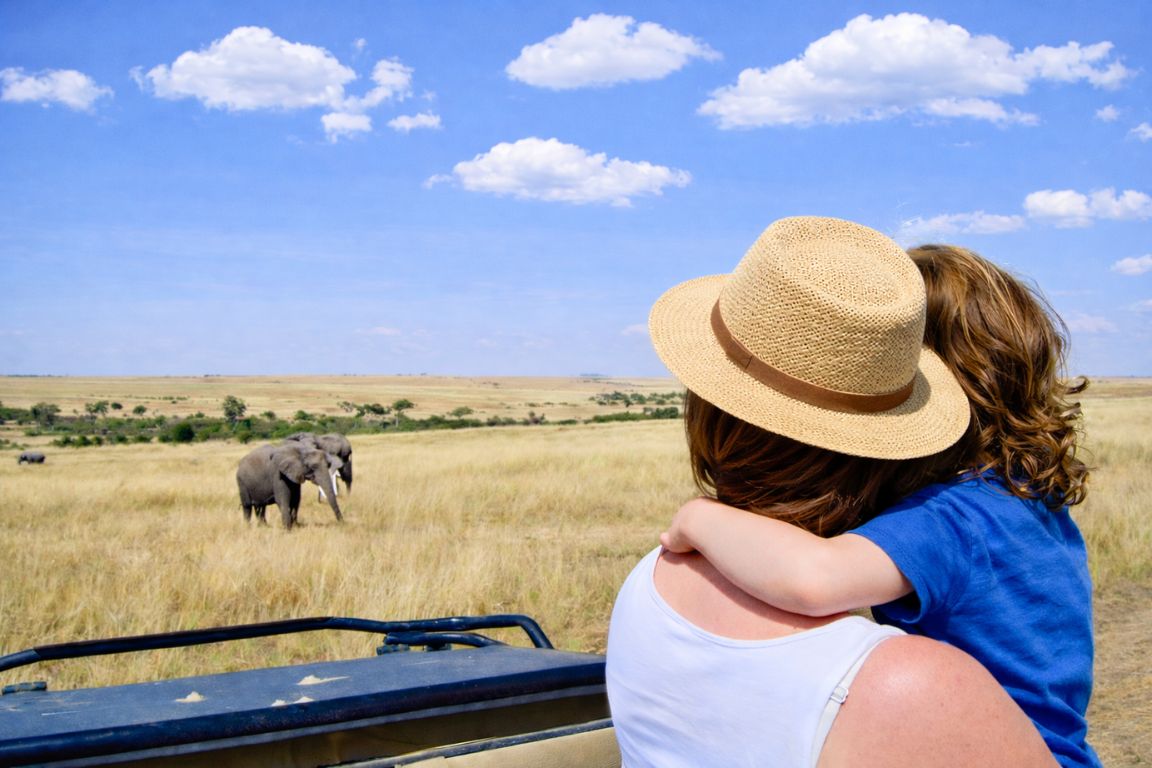 The Mara is safe for children of all ages if the trip is set up correctly. There is no government-mandated minimum age for park entry. What changes is how much parents need to manage based on the child’s age. Most camps set their own minimum of 5 or 6 for shared game drives; younger children can come on private drives at any age. For a genuinely enjoyable experience – for the kids and the adults – 8 and up is where things click naturally.
I’ve guided families with children as young as 3, and I’ve seen it go beautifully. I’ve also seen parents visibly exhausted by Day 2, spending every game drive as a wrangling exercise while a 4-year-old squirmed toward the door of the vehicle. The difference wasn’t the child’s age so much as the setup around them. Private vehicle. Camp with fenced or secured perimeter. Flexible schedule that allowed a late start or an early return. Those three things matter more than any age number.
There are two things worth being honest about. First, the Maasai Mara is not a zoo. Animals move freely. Camps are often unfenced. Children cannot wander, and a parent who is tracking a curious 5-year-old every waking moment will not enjoy their own safari. Second, a full game drive in peak season runs four to six hours. That is a long time for any child to sit still in a moving vehicle. Planning around attention span is not overprotective – it is just good logistics.
Not sure about bringing family or older travelers? Our breakdown of is Maasai Mara safari safe for tourists helps you assess the real risks versus overblown fears.
The children who do best are curious ones. A kid who asks questions, gets excited about giraffe tracks, and wants to know why the zebras stand tail-to-nose in a circle – that child will have a trip they talk about for years. A child who needs constant entertainment and screen time will struggle with the long, patient silences that good wildlife watching requires.
Hot air balloon safaris have a minimum age of 7 at most operators, though 12 is the practical floor recommended by most camps. Walking safaris in conservancies are generally available from age 8 with a guide, but confirm with your specific camp before booking.
Trying to decide if it’s worth adding to your safari? Here’s everything about hot air balloon safari in Maasai Mara – the views, the cost, and who gets the most out of it.
Road Or Flight From Nairobi. Which Is Right For Your Family?
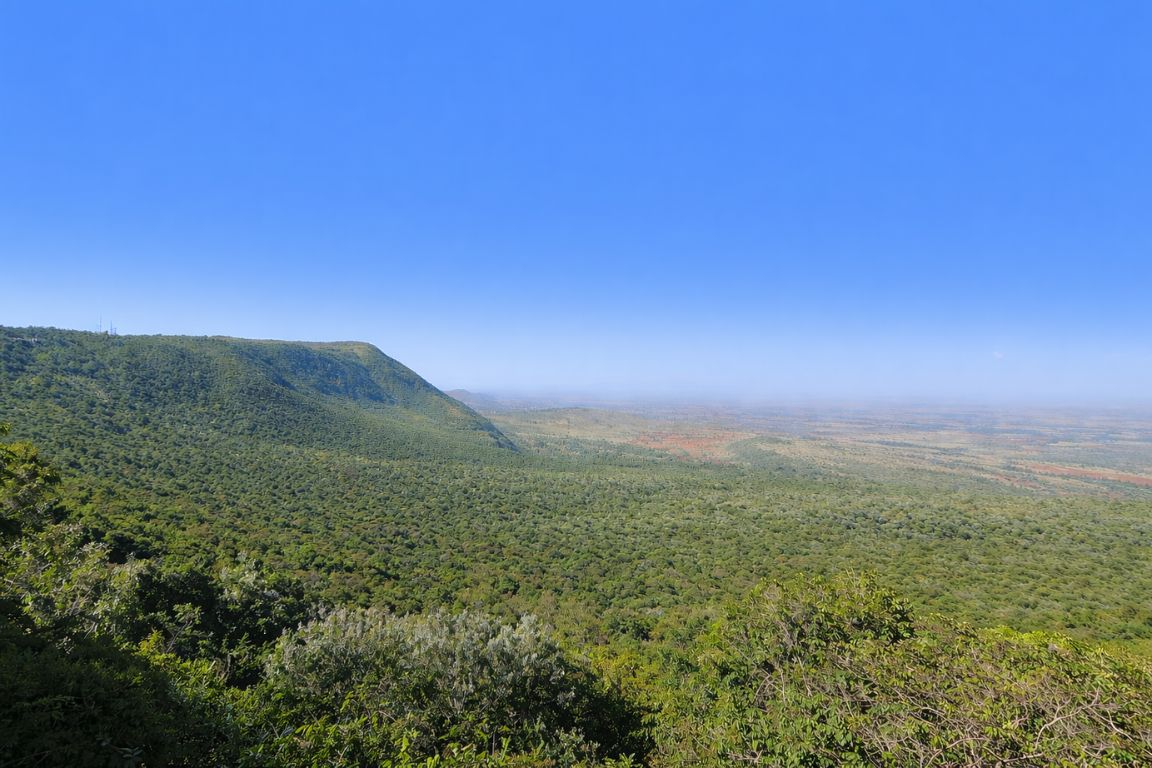 Fly if your children are under 10. The drive from Nairobi to the Mara takes 5.5 to 6 hours on roads that are paved to a point and then rough for the final stretch. That is a full day of travel before you reach the park gates. A charter or scheduled flight from Wilson Airport takes 45 minutes and spares everyone the ordeal.
I say this knowing that the road has its appeal. You cross the Great Rift Valley, pass through Narok town, and see what the country looks like between the city and the bush. For families with older teenagers who can handle long journeys, the drive is actually a good introduction to Kenya. For anyone traveling with children under 8, it is a risk to the opening day of the trip.
The baggage restriction for charter flights is 15 kg per person in soft-sided bags. Families tend to overpack, especially when traveling with children who need specific items. Plan your bags accordingly, or arrange for a separate road vehicle to carry excess luggage while the family flies. If you want fly-in and ground transport in one booking, start with a 3-day private Maasai Mara safari and ask about a split luggage plan.
Scheduled flights on operators like SafariLink or Air Kenya run Nairobi to multiple Mara airstrips (Keekorok, Ol Kiombo, Musiara, Kichwa Tembo) daily. Flights are roughly USD $150-$250 per person each way depending on the airstrip and season. Children under 2 typically fly free as lap children; confirm this with the specific airline at booking.
We’ve mapped out getting from Nairobi to Maasai Mara because the transport decision affects your budget, your time, and how exhausted you’ll be when you arrive.
What To Expect On Game Drives With Kids, And How To Set Them Up For Success
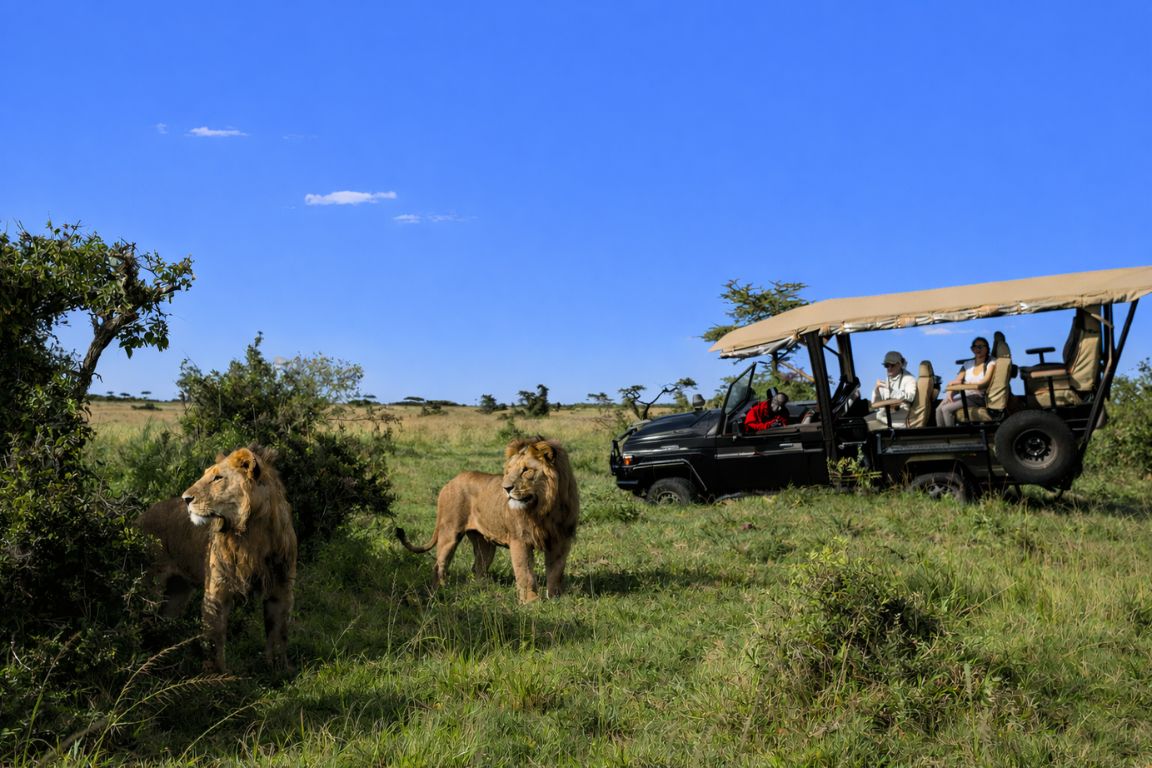 Game drives with children work best when the drive schedule is flexible, the vehicle is private, and the guide knows kids are on board before the morning alarm. Private vehicles let families return early, pause for snacks, or skip the midday stretch entirely. Experienced family guides narrate constantly – animals become characters, not just species in a field guide – and that narration is what keeps young children engaged long past when you’d expect them to lose interest.
The standard game drive structure does not fit young children without adjustment. A 6:00 AM departure, four to six hours in the bush, return to camp for lunch, rest, then another three-hour afternoon drive – that schedule works for adults. For a 6-year-old, Day 1 is magical. By Day 2, the pre-dawn alarm is a battle, and the parents are apologizing to the guide by 9 AM when the child starts asking to go back.
What works better: let the guide know your children’s ages before the trip starts, not on the morning of the first drive. A guide who knows they have an 8-year-old and a 5-year-old on board will approach the drive differently. They’ll slow down at animal tracks and explain what they mean. They’ll stop so the kids can use binoculars. They’ll narrate the ecosystem like a story, which is exactly what it is.
Afternoon drives are genuinely better for families with young children. The light is spectacular for photography, the heat of midday has passed, and the animals are moving again. You sacrifice the pre-dawn rush that adults love, but you gain a more relaxed vehicle and children who have actually slept.
Pack binoculars for each child, their own. Not shared with a parent. Their own pair they control. It sounds small but it changes the dynamic completely. A child who is looking through their own binoculars at an elephant 200 meters away is a child who is not asking when they can go back to camp.
One thing parents rarely prepare for: a predator kill, or feeding on a carcass. It happens. The guide will not hide it, nor should they. Most children take it well when an adult frames it matter-of-factly as part of how the ecosystem works. A panicked parent reaction does more damage than the actual sight. Talk to your children about this before the first drive. Not to scare them, just to set context.
Planning a family safari and not sure how to brief the guide in advance? Note your children’s ages when you enquire about a private 3-day Maasai Mara safari, so drive length and stops can be set before the first morning.
How Long Should A Family Safari Be? Duration By Child Age Group
Three nights is the minimum for any family. Four nights is better, and not just because you see more wildlife. The extra day removes the pressure that makes every game drive feel high-stakes. With four nights, you can afford one slower morning, one relaxed afternoon, and the trip still delivers. For families with children under 8, four nights gives enough flexibility to shorten drives when energy runs low without feeling like you wasted the trip.
| Under 5 | 3 nights max | Drives under 2 hours; nanny on standby at camp; fly-in only |
| 5 to 7 | 3 to 4 nights | Private vehicle required; afternoon drives preferred; skip midday stretch |
| 8 to 11 | 4 nights ideal | Can handle standard drive length with binoculars and guide narration; include one cultural activity |
| 12 to 17 | 4 to 5 nights | Full adult schedule; balloon works from 12; conservancy night drive meaningful at this age |
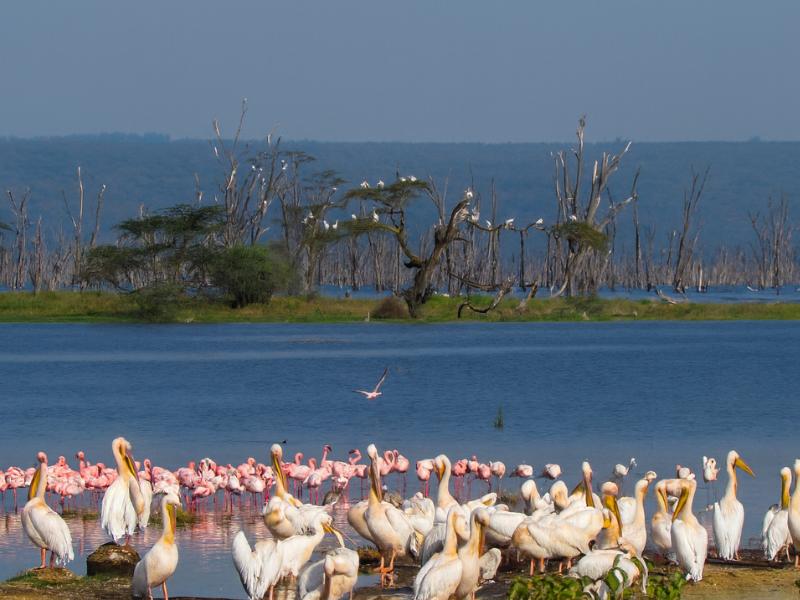
The multi-park mistake is worth naming here. A lot of family itineraries online split 2 nights Mara with 1 night at Lake Nakuru or Lake Naivasha. The thinking is that you get more variety. What actually happens is that the transfer day eats a full game drive, the children have just settled into the Mara’s rhythms and then get back in a vehicle for five hours, and everyone arrives at the next destination tired. Two parks in five days with children is almost always a worse experience than one park done well. The Mara has enough to fill four full days without repeating itself.
Planning your Kenya itinerary? This breakdown of how many days you need in Maasai Mara safari tours shows you what’s possible with 2, 3, or 4 days on game drives.
Where To Stay: Family-Friendly Camps And Lodges In The Mara
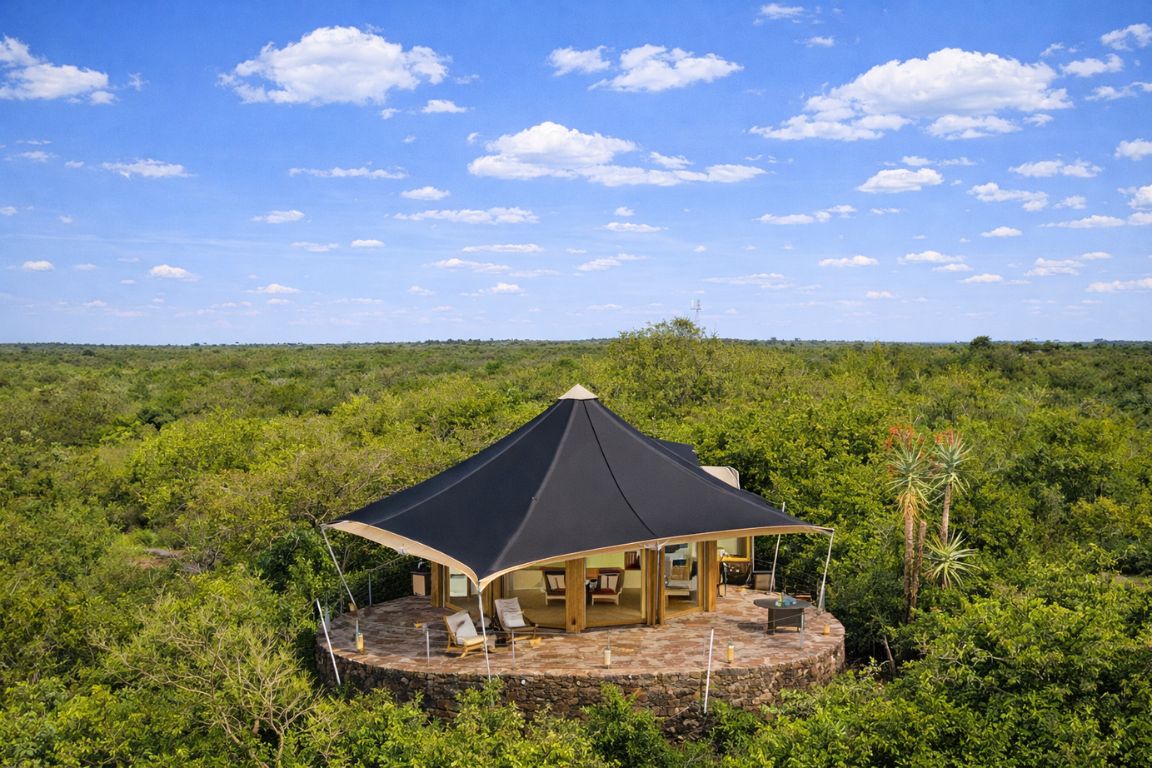 The difference between a camp that “allows” children and a camp that actually caters to families is significant. You want fenced or activity-secured perimeters, family tents or interconnecting rooms, a kids’ program or guide willing to adapt their narration, in-camp childcare available on request, and meals served on a flexible schedule. The camps listed below consistently earn positive feedback from families across multiple seasons.
| Governors’ Camp | Family tents, cots available, “Mongoose Club” kids program, sole-use vehicle option, flexible mealtimes | All ages | $600-$900 |
| Basecamp Maasai Mara | Eco-camp on Talek River, family-oriented ethos, Maasai cultural program, fenced perimeter | 5+ | $300-$500 |
| Mara Intrepids | Kids’ menus, cultural workshops, private family vehicles available, kids’ programs on request | 6+ | $500-$800 |
| Cottars 1920s Safari Camp | Private conservancy, flexible pace, Maasai cultural integration throughout stay, personalized guide | All ages (private villa) | $1,200-$2,000+ |
| Mara Serena Safari Lodge | Inside Mara Triangle, structured lodge format with interconnecting rooms, family-friendly food | 5+ | $400-$700 |
| Sarova Mara Game Camp | Swimming pool (rare in Mara), family rooms, kids’ menu, fenced compound | All ages | $350-$600 |
Prices per night based on double occupancy, full board. Children’s rates vary by property and age – confirm at booking. Prices verified March 2026.
The thing most families do not ask about when booking: whether the camp has a fenced perimeter, and whether a child can walk unaccompanied between the tent and the main dining area at night. Most Mara camps are unfenced. A few – Sarova Mara, Governors’, Basecamp – are secured in ways that give parents much more freedom of movement without constant escorting. If you are traveling with children under 8, this question is worth asking directly before you book.
Conservancy camps are worth a mention. If your children are 10 and up, a conservancy night adds activities the main reserve cannot offer: guided bush walks, night drives, smaller vehicle numbers at sightings. These experiences often become the most-talked-about part of the trip for older kids and teenagers.
Need solid recommendations? Here are the best safari camps in Maasai Mara safari tours that consistently get it right – from tented camps to luxury lodges.
What Kids Actually See And Experience Beyond The Game Drive
The game drive gets all the attention, but the things children remember most are often smaller: the guide showing them a dung beetle rolling its ball, the camp fire circle where the night sounds start, the first morning they wake up to birds and realize there is no traffic anywhere. The Mara has a rhythm, and children feel it. It’s the silence and the sounds together that stick.
In-camp experiences that work consistently well with children:
Animal tracking walks. Short guided walks near camp, led by a Maasai ranger, focusing on prints, bones, and smaller details that get completely ignored from a vehicle. Children who were bored with distant sightings come alive when someone puts a lion print next to their own foot. Most camps can arrange this for ages 8 and up.
Junior Ranger programs. Several camps run structured programs where children learn animal identification, basic tracking, conservation principles, and earn a badge or certificate. Governors’ “Mongoose Club” is the most established in the Mara. Some conservancy camps run versions of this informally through the guide. It is worth asking what is available at your specific property.
Maasai village visit. A well-run village visit at the right time is something children genuinely respond to. The jumping dance, the fire-making demonstration, the invitation to go inside a traditional home, the other children their age who live in a completely different world. The caution: schedule it carefully. On a 3-day trip, a village visit in the middle of Day 2 takes a morning game drive slot. Better to place it on the road out (Day 3 afternoon) or on the early evening of a day when wildlife activity has been good and the family has the energy for it.
The campfire and the night sounds. Every family I’ve guided mentions this. The first night sitting around a fire while the sounds of the Mara come in from the dark, the guide pointing out what each call is, the hyena that circles the perimeter, the weight of the sky when there is no light pollution for 80 kilometers in any direction. Kids do not have a filter for this. It goes straight in.
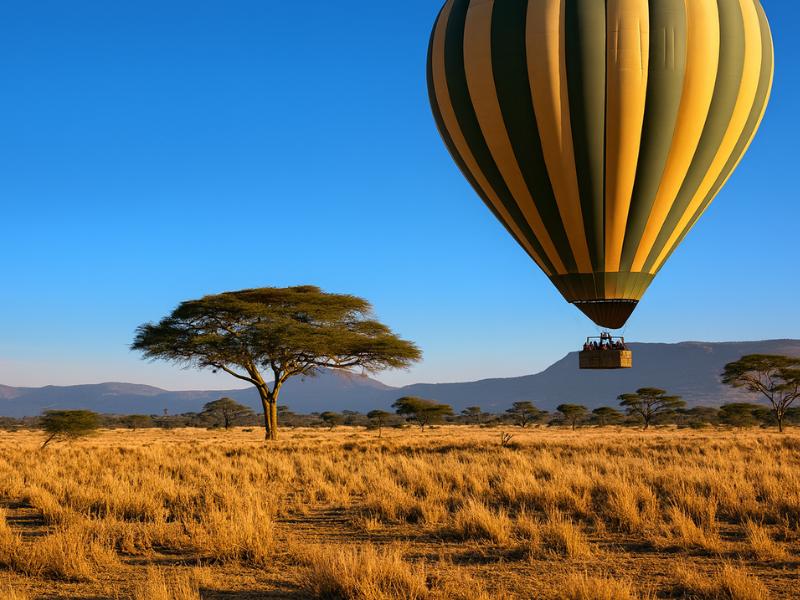
The hot air balloon is spectacular for children old enough to appreciate the scale of it. Watching herds of wildebeest and zebra from 300 meters up, the river winding silver below, the plain stretching to the Serengeti border. Most operators set the practical minimum at 12, though some allow younger children with parental discretion. It is an early start (3:30 AM to reach the launch site), which is either magical or catastrophic depending on the child.
Sorting out what activities work for which ages takes more calls than most families expect. For children 12 and up, a hot air balloon flight with breakfast is the add-on to price first; keep the rest of the stay on a 3-day game-drive base.
Can’t decide on safari tier? I’ve compared budget vs luxury safari at Maasai Mara so you know exactly what you’re getting at different price points and where the real value is.
How Much Does A Family Safari Cost, And What Catches Parents Off Guard
A family of four (2 adults, 2 children ages 8 and 11) on a 3-night mid-range safari with road transfer can expect to spend USD $4,000-$6,500 all-in. Fly-in luxury for the same family runs $10,000-$18,000. The park fee structure favors families: children under 9 enter free, and children 9 to 17 pay $50 per day versus $100-$200 for adults. The budget surprise for most families is not accommodation or park fees – it is the private vehicle surcharge.
| Park fees – adult (per day) | $100 | $200 | Non-resident rate, 2025 |
| Park fees – child 9–17 (per day) | $50 | $50 | Same rate year-round, 2025 |
| Park fees – child under 9 | Free | Free | Under 9 at time of exit |
| Park fees – family of 4 (2A + 2C ages 8 & 11) per 3 days | $750 total | $1,350 total | Child under 9 enters free; child 9-17 pays $50/day |
| Accommodation (per night, 2 adults full board) | $300-$600 mid-range | $500-$900 mid-range | Kids’ rates vary – 40-60% of adult at most properties |
| Private vehicle surcharge | $250-$350/day | $300-$500/day | Required for families with young children; often absent from quoted package prices |
| Road transfer (Nairobi round trip) | $250-$400 | $250-$400 | Per vehicle, not per person |
| Fly-in (Wilson to Mara, one way) | $150-$200 per person | $200-$280 per person | Under 2 typically free; 15 kg soft bag limit |
| Hot air balloon (per person) | $450-$550 | $500-$600 | Min age 7 at most operators; 12+ recommended |
| Maasai village visit (per person) | $20-$50 | $20-$50 | Reduced or free for young children at most operators |
| Tips (guide + camp staff, per day) | $25-$40 total | $25-$40 total | Per family, not per person |
All prices in USD. Prices verified March 2026. Package prices from tour operators typically bundle park fees, accommodation, and game drives – confirm what is included before comparing.
The private vehicle is the item most packages quote separately or omit entirely. When a safari company tells a family their 3-night package is $1,800 per adult, the private vehicle is often not in that number. At $300 to $500 per day in high season, that is $900 to $1,500 added to a 3-night trip. Not mentioned. Not explained. We include it upfront because families deserve to plan for it.
The math actually works in families’ favor in one important way: children under 9 enter free, and children 9 to 17 pay $50 per day regardless of season. A family visiting in August (peak season) with two children aged 7 and 12 saves $200 on park fees per day compared to two adults. That adds up to $600 over a 3-day trip. If both children are under 9, the park fee saving is $400 per day. It is one of the genuinely good deals in Mara pricing.
Not sure about the budget? I’ve got Maasai Mara safari costs explained so you know exactly what you’re paying for and where operators hide their markups.
What We’ve Learned From Guiding Families In The Mara
From the families we have guided through Maasai Mara Safari Tours, a few patterns hold consistently. These numbers come from our 2024 client group.
| Families who chose fly-in vs road with children under 10 | 70-85% fly-in | Road fatigue is a real factor; fly-in families arrive significantly fresher for Day 1 |
| Families who rated guide quality as “most important factor” | 80-90% | More important than camp quality, food, or vehicle comfort for family satisfaction |
| Children ages 8-14 who rated safari as “best trip of my life” | 75-90% | The age range most reliably produces lasting impact; teenagers rate it even higher retrospectively |
| Families who wished they had booked 4 nights instead of 3 | 60-80% | The extra day allows a flexible drive schedule that matters most with young children |
| Families who listed in-camp experiences (campfire, walking tracks) as a trip highlight | 65-85% | Children often remember non-drive moments more vividly than specific sightings |
| Families who would travel to Mara again within 3 years | 70-85% | Family safari retention is high – children grow into fuller appreciation of the experience |
The finding that consistently surprises parents: their children’s experience of the safari is not determined by the sightings. A family that sees lions every day and has a guide who treats the children as passive cargo will report a thinner trip than a family that sees the same wildlife with a guide who narrates, asks questions back, and treats the children as genuine participants. If you want a guide briefed on your children’s ages rather than assigned on the day, book a private 3-day Maasai Mara safari and put those details in the enquiry.
Tips That Make Or Break A Safari With Kids, From Families Who’ve Done It
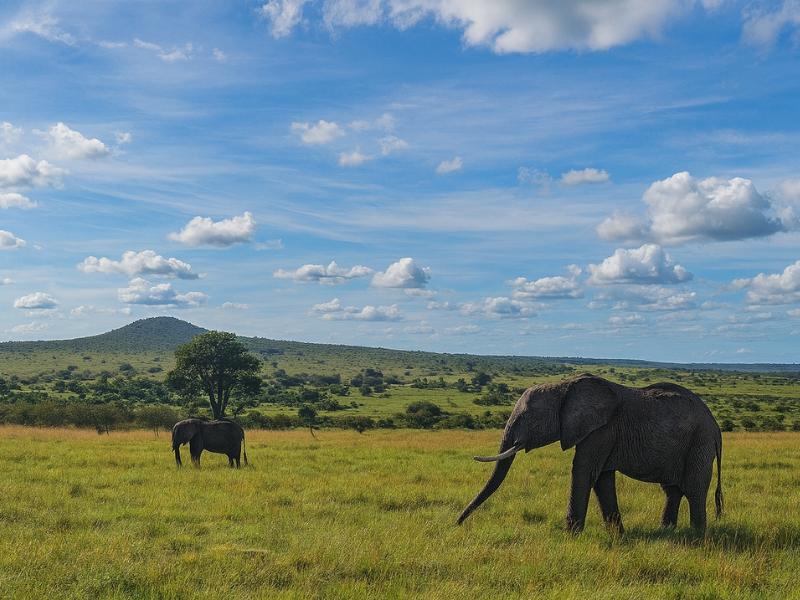
The tips that actually move the needle are not the ones on the packing list. They are structural decisions made before the trip: private vehicle, camp selection, guide briefing, and one honest conversation with your children about what they will see. The packing list matters less than the setup. Get the setup right and the trip runs itself.
These are the patterns that separate the family trips that land from the ones that don’t:
Brief your children before the first drive, not during it. Tell them that animals are most active early in the morning, that the guide needs quiet sometimes (not always, but sometimes), and that they might see an animal die or being eaten. That last one sounds heavy but it prevents a tearful vehicle moment that derails everyone’s morning. Most children handle it fine if they are not blindsided.
Give each child their own job. Younger child watches for birds. Older child tracks animals on the printed map the guide provides. Oldest child takes the photos. Children who have a role to play are children who stay engaged. It also gives the guide an entry point – “what did you see in your sector?” – that keeps the drive from feeling like a lecture.
Do not overload Day 1. Families arrive at camp from Nairobi, check in, eat, and immediately want to do everything. The afternoon drive on Day 1 is usually excellent, but the instinct to add a village visit, a nature walk, and a sunset drink on the same evening is a recipe for children who are done by Day 2. Pick one experience per day outside the drives. That is enough.
The nanny service question. Most mid-range and luxury camps offer childcare, but it is almost never mentioned in the brochure and needs to be arranged before arrival. It runs roughly $10 per hour. For families with toddlers or infants, this is what allows parents to do a full morning drive while the youngest sleeps at camp. If your itinerary depends on this option, confirm it is available at your specific property before you book, not after you arrive.
Manage the migration expectation honestly. July through October is when the river crossings happen. It is also when the Mara is most crowded, most expensive, and least flexible for families who need a slower pace. The migration is real and extraordinary but so is January when the calving season is active, the grass is green, the crowds are gone, and the park fees are half as high. Families with children under 10 often have a better trip outside peak season precisely because the pace is calmer.
Questions about timing, camp selection, or how to set up the right guide brief for your children’s ages? Compare a 3-day game drive safari from Nairobi with a private Sopa Lodge itinerary and note ages in the enquiry so the guide is briefed before you arrive.
Family Safari FAQ
What is the minimum age for a Maasai Mara safari?
There is no government-set minimum age for park entry. Children under 3 enter free; children 3 to 8 also enter free under the 2025 fee structure. Most camps set their own minimum of 5 or 6 for shared game drive vehicles. Private vehicle bookings typically accept children of any age. The practical question is not whether children can go – it is whether your child’s temperament fits a long game drive, and whether the trip is set up to accommodate young children properly.
Do children under 9 really enter Maasai Mara for free?
Yes. Under the 2025 Narok County fee structure, children under 9 years of age at the time of exit pay nothing. Children aged 9 to 17 pay USD $50 per day regardless of season. This is a significant saving for families – a 3-day visit for two children aged 6 and 12 in August (peak season) costs $150 total in park fees for the children, versus $1,200 for two adults at $200 per day.
Do we need a private vehicle for a family safari?
For families with children under 12, yes. Shared game drive vehicles seat 6 to 7 travelers. Young children move around, make noise, and cannot always sustain the silence that wildlife watching requires. Other guests will notice. More importantly, you cannot return early from a shared drive without disrupting the whole group. A private vehicle gives you complete flexibility over timing, pace, and stops, which is what makes the difference between a manageable trip and a stressful one.
Is the road from Nairobi suitable for young children?
It is manageable but not ideal for children under 8. The drive takes 5.5 to 6 hours, the roads are paved until Narok and rough after that, and it is a full day of travel before the safari begins. Flying from Wilson Airport takes 45 minutes and costs roughly $150 to $250 per person each way. For families with young children, the flight investment is worth it simply to preserve Day 1.
What should I pack specifically for children on safari?
Their own pair of binoculars (not shared with a parent). A wildlife journal or printed animal checklist to tick off sightings. Neutral-colored clothing in layers – mornings are cool, midday is hot. Sunscreen and insect repellent rated for children. Any comfort items for overnight. Snacks for the vehicle. If you have a toddler or infant, bring your own car seat and a way to secure it – safari vehicles do not have child safety seats. Malaria prophylaxis must be sourced and started before departure; consult your pediatrician at least 6 weeks out.
When is the best time for a family safari in the Mara?
January and February are often the best months for families with young children. Wildlife is excellent, the calving season is active with young animals everywhere, the Mara is less crowded, and park fees are $100 per adult per day instead of $200. June is also strong: dry season has begun, animals are concentrated near water, and peak-season vehicle density has not yet arrived. July to October gives the river crossings and migration spectacle but comes with higher costs, more vehicles at sightings, and a pace that is harder to adjust for children who need flexibility.
Written by Zara Akinyi Omondi
Kenyan tour guide since 2012 · Founder, Maasai Mara Safari Tours
Zara has guided over 2,500 travelers through Maasai Mara and Kenya’s premier safari destinations since founding the agency.