Best Safari Camps In Maasai Mara
There’s no single best Maasai Mara camp. The right choice depends on migration access, conservancy perks, season, and - most importantly - your guide.
Booking Choice: A package can verify one named lodge or a tented-camp format, but it cannot prove a conservancy or migration position without product evidence. Use those limits in the comparison below. Explore Private Three-Day Mara Safari At Sopa Lodge
Last updated: March 11, 2026
| Budget tier | $50-$150/person/night (outside reserve, full board) |
| Mid-range tier | $300-$600/person/night (inside reserve or conservancy) |
| Luxury tier | $600-$1,500+/person/night (conservancy or reserve, fully inclusive) |
| Peak migration booking window | 12-18 months ahead for top reserve and conservancy camps |
| Reserve vs. conservancy | Reserve: crossing access, more vehicles. Conservancy: night drives, walking safaris, fewer crowds |
| Night drives/walking safaris | Not permitted inside the national reserve. Conservancy camps only |
| Park entry (non-resident adult) | $100/day Jan-Jun, $200/day Jul-Dec (2025 rates) |
| Conservancy fees | $80-$120/person/day, separate from accommodation |
| Best camp type for first-timers | Inside reserve, mid-range, near Mara or Talek River |
| Best camp type for repeat visitors | Private conservancy for exclusivity and full activity menu |
What Does “Best Camp” Actually Mean In The Mara Context?
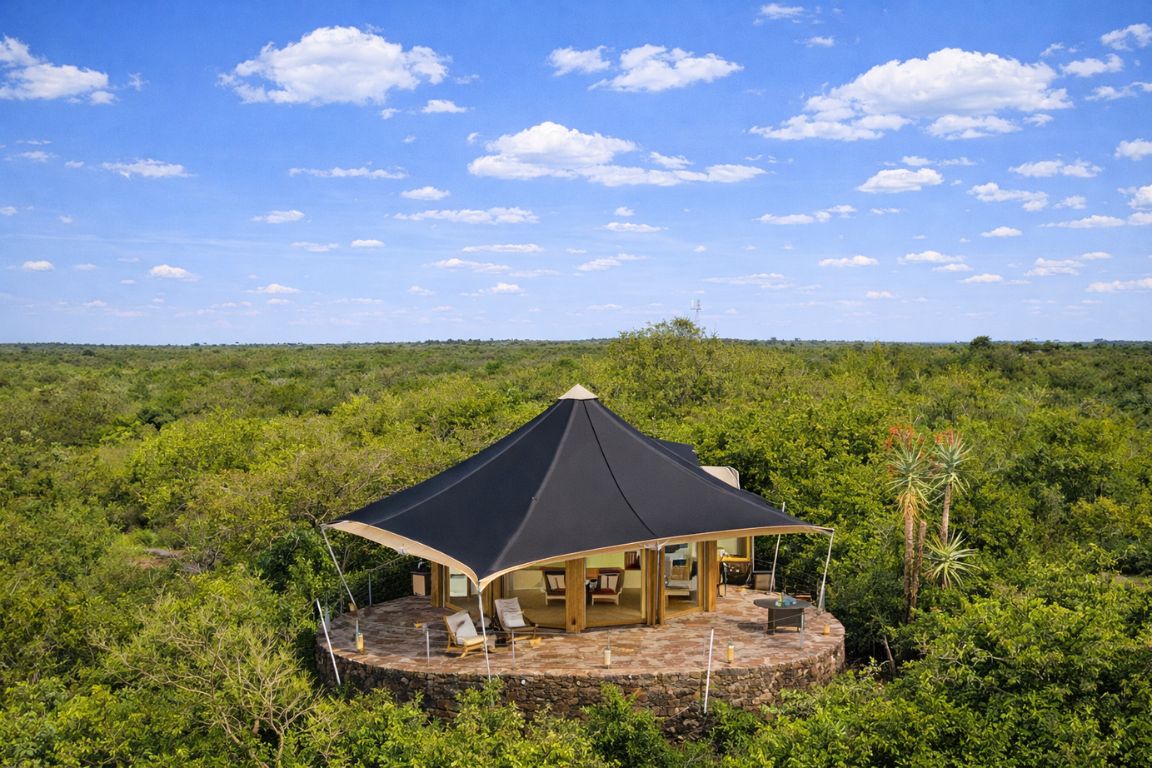 There is no single best safari camp in Maasai Mara. The question is really: best for what? Camps near the Mara River deliver crossing action in peak season. Private conservancy camps deliver exclusivity, night drives, and walking safaris year-round. Mid-range camps inside the reserve balance location and cost. The right camp depends on when you are coming, what you want to see, and who is guiding you.
People ask this question expecting a clean ranking. Angama over Governors. Rekero over Kichwa Tembo. But camps serve different purposes, and ranking them against each other without knowing your trip is like ranking restaurants without knowing what you are hungry for.
What I have learned after guiding 2,500+ travelers through this ecosystem is that three variables matter more than any camp name or star rating. Location in the ecosystem. The quality of your guide. And whether the camp’s activity menu matches what you came to do.
A traveler who wants to walk in the bush at dawn needs a conservancy camp. That same traveler at Governors in August, positioned two minutes from the main crossing points, would have a completely different and equally unforgettable experience. Neither choice is wrong. They just answer different questions.
So before we go camp by camp, here is the framework we use with every client who asks us to recommend where to stay.
Camps Inside The Reserve Vs. Private Conservancy Camps: What Changes?
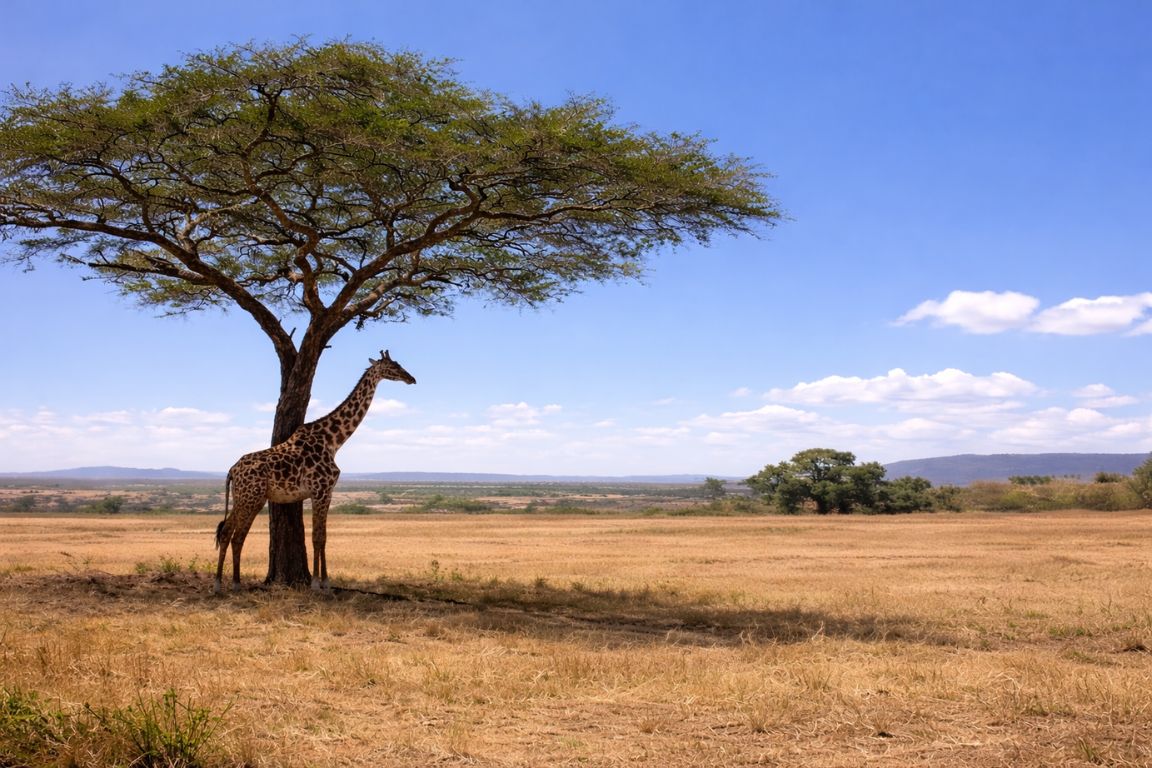 Reserve camps sit inside Maasai Mara National Reserve with direct access to the iconic crossing points and the densest resident wildlife. Conservancy camps sit on adjacent private land, limit vehicle numbers, and permit night drives and walking safaris that are prohibited inside the reserve. Reserve camps cost less in conservancy fees but have more vehicles at sightings. Conservancies cost more but offer something that feels increasingly rare: an empty horizon.
Inside the national reserve, you are in the main show. The Mara River crossing points, the Musiara Marsh where the Marsh Pride hunts, the open plains that made this place famous. You also share that space with other camps and day-trip vehicles, especially between July and October when the migration peaks.
Private conservancies surround the reserve on the north and east: Mara North, Mara Naboisho, Olare Motorogi, Ol Kinyei. They are managed in partnership with local Maasai landowners and limit the number of camps and vehicles dramatically. Strict policies mean that when you find a leopard in Olare Motorogi, there may be two vehicles present, not twelve. And because you are on conservancy land, your guide can leave the vehicle track and follow an animal off-road, walk you out to a termite mound at sunset, or run a night drive without leaving camp.
There is a real cost difference. Conservancy fees of $80-$120 per person per day stack on top of accommodation. But for travelers who have already done the reserve, or who care more about intimacy than crossing proximity, the conservancy delivers something the reserve structurally cannot.
During migration season, the practical compromise is two nights in a conservancy and two nights in the reserve. You get the exclusivity and activities from the conservancy, then shift into position for river crossing sightings in the reserve. This is the split we recommend most often for travelers staying four or more nights; a 5-day small-group tour of the Mara, Nakuru, and Naivasha gives enough nights to divide time across more than one base.
Want to get the planning right? This breakdown of how to plan a Maasai Mara safari tours covers all the details most people only figure out after they’ve already made expensive mistakes.
What Are The Best Camps Inside The Maasai Mara Reserve?
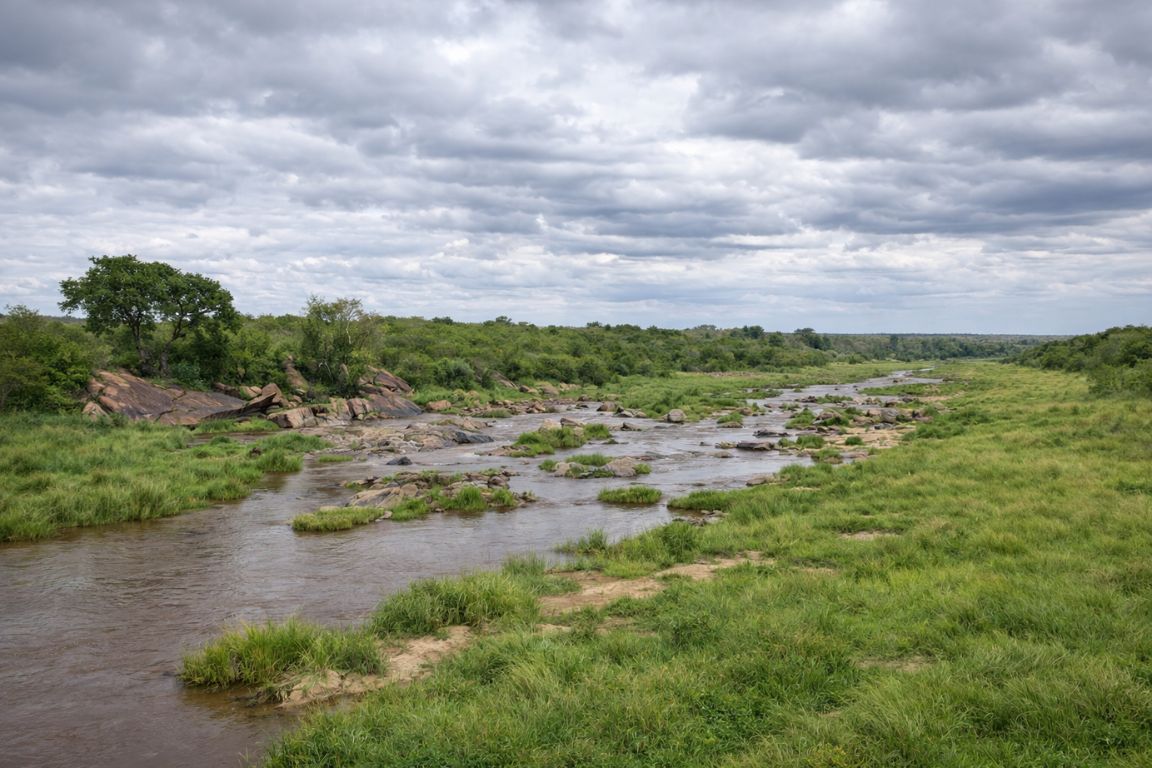 The best inside-the-reserve camps sit in the Musiara sector near the Mara River. Governors’ Camp and Little Governors’ Camp are among the oldest and most consistently well-regarded, positioned for direct migration access. Rekero Camp, on the Talek River, carries a long reputation for exceptional guiding. Mara Serena Safari Lodge is the only lodge inside the Mara Triangle, with views across one of the reserve’s quietest sectors.
Governors’ Camp has been on the Mara River since 1972. That longevity means something. The guides here know the Marsh Pride by individual animal. They know which crossing points the herds use at different times of day. When a crossing is building, the radio network at Governors moves quickly, and your vehicle is positioned before the first wildebeest reaches the bank. It is not the smallest camp and it is not the cheapest, but the location and the guiding track record are hard to argue with.
Little Governors’ Camp, the smaller sibling, sits on an oxbow of the Mara River with its own waterhole and a balloon launch site inside the camp perimeter. The fact that you cross to it by boat is not a gimmick. It means wildlife moves through freely, the setting is genuinely isolated, and the camp’s intimacy is built into its geography.
Rekero sits at the confluence of the Mara and Talek rivers. It became famous partly because Jackson Looseyia of Big Cat Diary launched his guiding career there, and the standard set in those years has held. Expert Africa contributors consistently rate the guiding as exceptional. Rekero books deeply in advance because the regulars come back. If you want serious wildlife watching over a beautiful tent, look at a 10-day photographer safari in the Maasai Mara, which is built around time in the field rather than a single lodge night.
Mara Serena stands apart as the only lodge inside the Mara Triangle, the western sector managed separately by the Mara Conservancy. The Triangle is consistently quieter than the eastern reserve because day-trip vehicle access is more restricted. Serena is a larger property, modeled architecturally on traditional Maasai villages, and the views from the rooms over the plains are striking.
Wondering if luxury is worth the money? Check out our breakdown of budget vs luxury safari at Maasai Mara – the differences go way beyond just fancier tents.
| Governors’ Camp | Musiara | 50+ years on Mara River, strong radio network | $400-$700 | Migration access, classic safari experience |
| Little Governors’ Camp | Mara Triangle | Boat-access camp, own waterhole, balloon launch | $450-$750 | Couples, intimacy, migration season |
| Rekero Camp | Musiara/Talek confluence | Guiding quality, Talek River location | $500-$800 | Serious wildlife watchers, photographers |
| Mara Serena Safari Lodge | Mara Triangle | Only lodge in the Triangle, quieter sector | $300-$550 | Families, views, lower vehicle density |
| Entim Camp | Talek River | Elevated position, fine dining, expert guides | $350-$650 | Migration season, river views |
One note on the reserve camps: because they sit inside the national reserve, walking safaris and night drives are not available. Game drives begin and end within park hours. If those activities are important to you, a conservancy camp is the better fit.
What Do Private Conservancy Camps Offer That The Reserve Cannot?
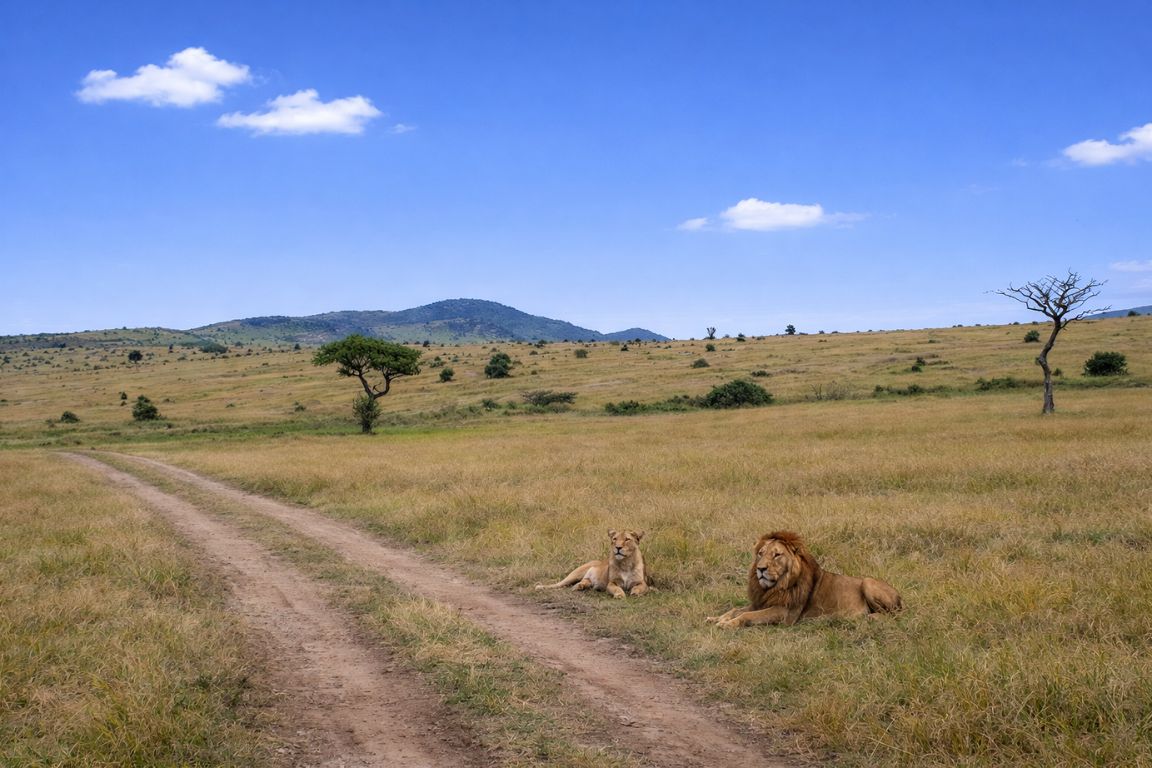 Private conservancy camps offer night drives, walking safaris, off-road driving, strict vehicle limits at sightings, and a level of quiet that the national reserve cannot match during peak season. Conservancies like Mara North, Naboisho, and Olare Motorogi border the reserve and still access migration areas, but the daily experience feels fundamentally different. Fewer people, more time with each sighting, activities that go beyond the vehicle.
Here is what changes when you move into a conservancy. Your guide can take you out after dark. The Mara at night is a completely different world: civets crossing the road, leopards moving freely without the self-consciousness they show during daylight hours, spotted hyenas running predawn circuits that most safari-goers never see. Night drives are a non-negotiable for anyone serious about big cats beyond the standard game drive experience.
Walking safaris add a layer that the vehicle strips away. When you are on foot, the ecosystem becomes tactile. Your guide reads the ground. You learn what a buffalo print looks like in wet sand versus dry dust. You stop noticing the big things and start noticing everything. It is a slower pace, and that slowness changes how you understand the place.
Vehicle density is the practical argument. During peak migration in August, some crossing points inside the reserve can have 30 or more vehicles gathered. The experience is still extraordinary. But it is shared. Inside Mara North Conservancy, a standing rule limits the number of vehicles at any sighting, and because camp numbers are capped, the math works. Two or three vehicles watching a leopard haul a kill up a sausage tree. That is a fundamentally different experience than the same sighting with a crowd.
The tradeoff is honest. Conservancy camps add $80-$120 per person per day in conservancy fees on top of accommodation. They may also be a longer drive from the main Mara River crossing points. During migration season, travelers who want front-row crossing access and conservancy exclusivity typically split their nights between both.
| Mara North | Offbeat Mara, Karen Blixen Camp, Kicheche Mara | Lowest vehicle density, big cats, elephant | ~$100 | $400-$900 |
| Mara Naboisho | Naboisho Camp, Encounter Mara | Expert walking guides, 50,000 acres, walking safaris | ~$90 | $350-$800 |
| Olare Motorogi | Mahali Mzuri, Mara Kempinski, Soroi Mara | Predator sightings, luxury tier, proximity to reserve | ~$100 | $600-$1,500+ |
| Ol Kinyei | Porini Lion Camp, Porini Cheetah Camp | 700 acres per tent model, ultra-low density | ~$80 | $300-$600 |
Naboisho deserves a direct mention. The guiding there has a specific reputation in safari circles. Roelof Schutte, the head guide, is consistently cited by experienced safari operators as one of the finest dangerous animal walking guides in East Africa. When the conservancy quality argument rests on guide knowledge and on-foot access, Naboisho is the example that settles it.
Questions before you commit to a camp or conservancy? Our team has stayed at and guided clients to most of the properties listed here, and a 3-day Maasai Mara game drive safari from Nairobi is a straightforward way to stay inside the reserve without choosing a camp in isolation. We are happy to match you to the right camp for your specific trip, not just the most popular one.
Which Camps Are Best For The Great Migration (July-October)?
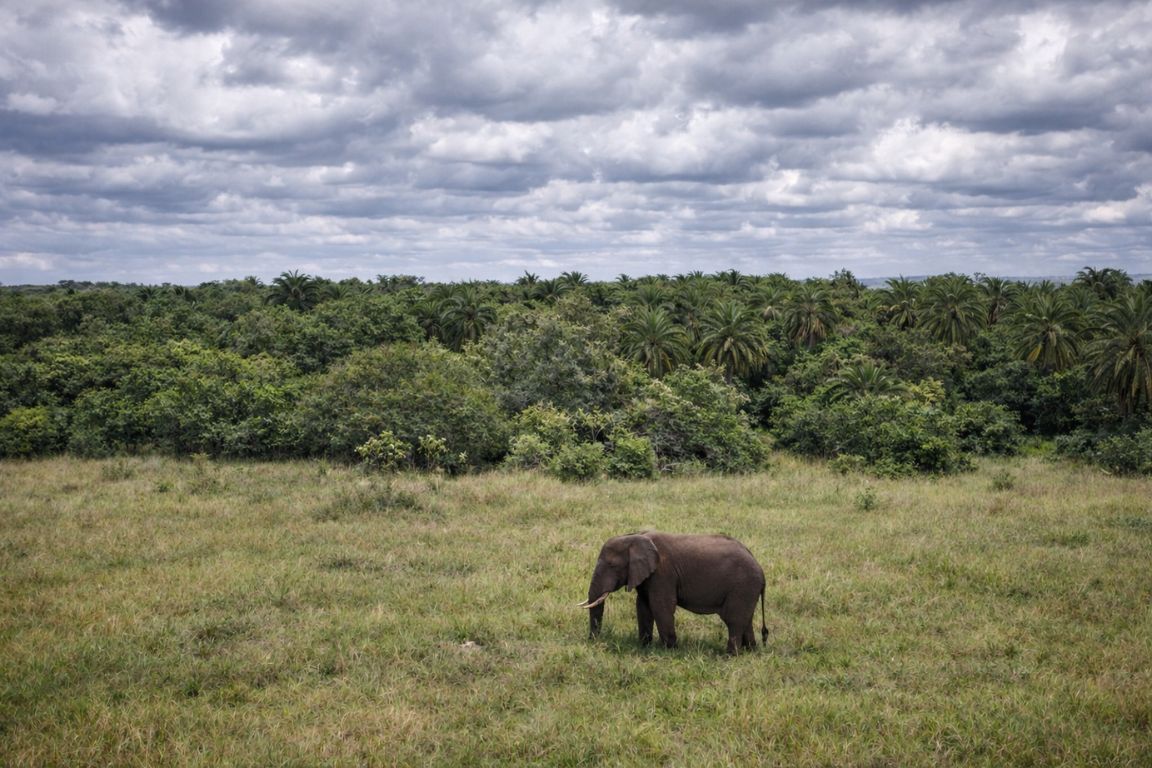 For river crossing access, the best migration camps sit in the Musiara sector on or near the Mara River: Governors’, Little Governors’, Rekero, and Mara Crossings Camp. These put you within minutes of the main crossing points when the herds gather. Conservancy camps like Mahali Mzuri in Olare Motorogi also access migration areas, with fewer vehicles and the option to combine crossing drives with night activities.
The migration is not a single event. The herds cross and recross the Mara River throughout August and September, and a crossing can build and dissolve within forty minutes. Your camp’s position determines whether your guide has time to reach a crossing point once the radio crackles with a sighting. A camp 15 minutes from the main crossing zone will consistently outperform one 45 minutes away, even if the 45-minute camp has a better dining tent.
The camps closest to the main crossing points are inside the reserve, in the Musiara sector. Rekero sits roughly 150 meters from one of the primary crossing sites. Governors’ and Little Governors’ operate a rapid-response model during migration, with vehicles pre-positioned at strategic points. The advantage is real.
The limitation is also real. These camps do not offer night drives. If you combine two nights at a Musiara camp during peak migration with two nights at a conservancy like Olare Motorogi, you get crossing access and the conservancy experience. Olare Motorogi borders the reserve and can still reach migration areas in under an hour, while giving you night drives and walking in between.
Top migration camps book out fastest. The best Musiara camps fill 12 to 18 months ahead for July and August dates. Olare Motorogi conservancy camps, particularly Mahali Mzuri, often follow similar lead times at the top end. If migration is why you are coming, your booking window is not this coming July. It is next year.
Want to time it perfectly? I’ve put together a complete Great Migration in Maasai Mara safari guide so you know exactly when the herds arrive and where the best river crossings happen.
What Separates A Great Safari Camp From An Expensive One?
The single biggest performance gap between safari camps is not tent quality, food, or even location. It is the guide. A camp guide who drives the same area every day for years knows where the local leopard sleeps, which trees the Marsh Pride uses for shade after a kill, and where the cheetahs move at first light. A guide based in Nairobi covering multiple parks relies on the radio network and shares sightings. Both can show you wildlife. Only one can show you this specific ecosystem.
This insight tends to surprise people. They focus on whether the camp has a plunge pool or serves wine at sundowners. Those things matter for comfort. But the quality of the five to eight hours you spend in the field each day is entirely determined by the person in the front seat.
Camp-based guides drive the same ground every day. They build a map of individual animals over months and years. The leopard in the fig tree near the eastern ridge. The cheetah coalition that uses the Topi Plains in the morning and retreats to shade by ten. This resident knowledge cannot be replicated by a guide who drove in from Nairobi that morning and is working from radio coordinates alone.
Vehicle quality is the second gap. Camps with well-maintained open-sided Land Cruisers or Land Rovers give photographers and viewers unobstructed sight lines. An older vehicle with full side panels and a pop-top means leaning across other passengers for photos and losing the 270-degree visibility that makes wildlife spotting possible. Ask about the vehicle type before you book.
Then there is the inter-camp radio network. Top camps share sighting information across their network, which means a cheetah spotted by Governors’ vehicle reaches Rekero’s guide within minutes. Smaller, independent camps without this network work the ground themselves. Both approaches work. The network just adds speed when a crossing is building or a lion pride is on the move.
The honestly uncomfortable truth about expensive camps: price and guide quality do not track perfectly. A $1,200-per-night camp with rotating seasonal guides can underperform a $400-per-night camp with a resident guide who has been there for eight years. Ask specifically whether your guide is permanent staff or rotational when you inquire. That one question tells you more than the brochure ever will.
If you’re working with limited funds, here are the budget camps in Maasai Mara safari tours that don’t sacrifice location or guide quality just to hit a lower price.
How Do You Match A Camp To Your Specific Trip?
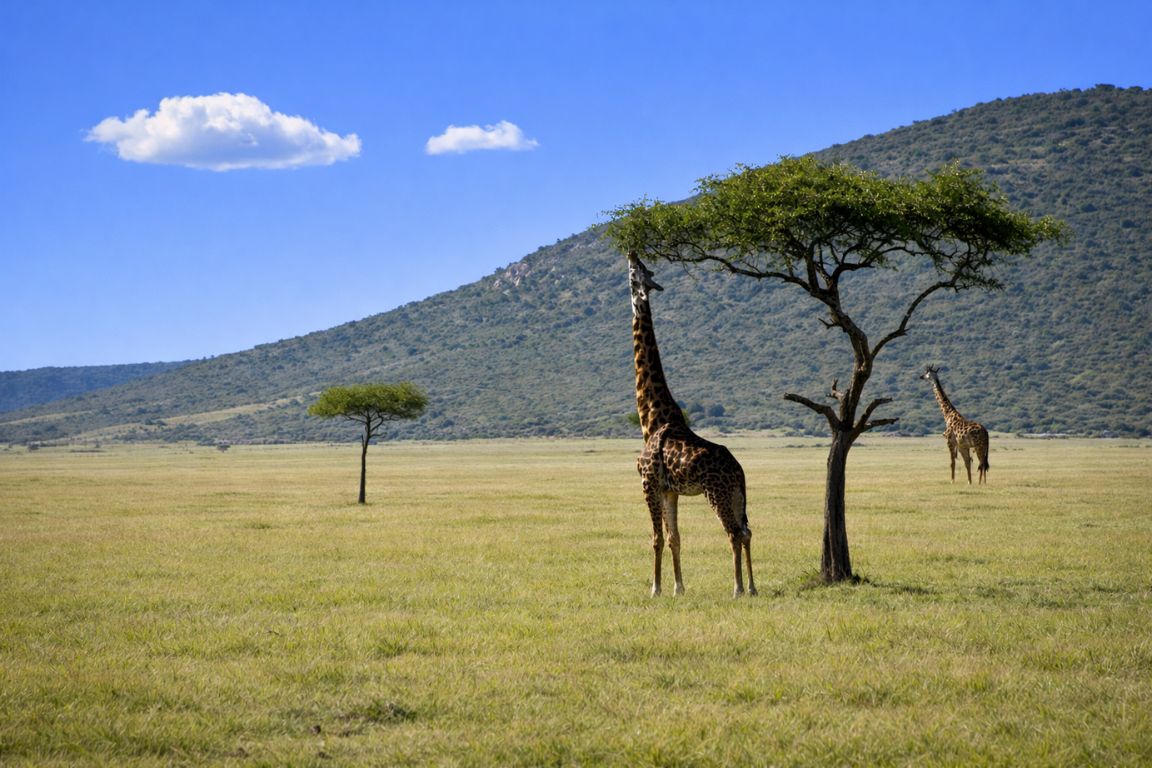 Match your camp to your priority, not to a general ranking. Migration and crossing access: book inside the reserve, Musiara sector, 12+ months ahead for July-September. Night drives and walking safaris: book a conservancy camp regardless of season. First Mara trip: inside the reserve, mid-range, near Mara or Talek River. Repeat visitor wanting something different: conservancy camp with an activity menu that goes beyond game drives.
Here is how we frame the decision for clients. We ask one question: what is the one memory you want to take home from this trip?
If the answer is the wildebeest crossing the river with crocodiles in the water, position yourself inside the reserve near the Mara River during August or September. End of discussion. Camp comfort matters less than crossing proximity during peak migration.
If the answer is tracking something on foot or seeing what the Mara looks like after dark, a conservancy is non-negotiable. The reserve cannot give you those activities at any price.
If the answer is the big cats, both options work year-round, but conservancy camps with lower vehicle density at sightings typically give longer, quieter time with predators. The Olare Motorogi and Mara North conservancies both carry strong reputations for cheetah, lion, and leopard sightings.
Budget is a real constraint. A conservancy camp at $500 per night plus $100 per day in conservancy fees is genuinely inaccessible for some travelers. The mid-range inside-reserve options deliver excellent wildlife and acceptable comfort at lower total cost. The Mara does not require you to spend $800 a night to have a life-changing safari. It requires you to be positioned correctly for your goal.
Need a solid recommendation? Here are the best Maasai Mara safari tours that consistently get it right – from budget to luxury tiers.
What Our Clients Say About Camp Choice: Data from 2,500+ Maasai Mara Travelers
| Said guide quality was the single biggest factor in trip satisfaction | 80-90% |
| Would add a conservancy camp on a second Mara visit | 70-85% |
| Did not realize night drives were unavailable inside the reserve until arrival | 50-70% |
| Booked less than 3 months ahead and could not get their first-choice camp | 60-80% |
| Said the split reserve + conservancy combination was the ideal structure | 65-85% |
| Rated their guide as “exceptional” specifically because of resident animal knowledge | 70-85% |
Based on post-trip feedback from travelers guided by Maasai Mara Safari Tours since 2012.
When To Book, And The Questions To Ask Before You Commit
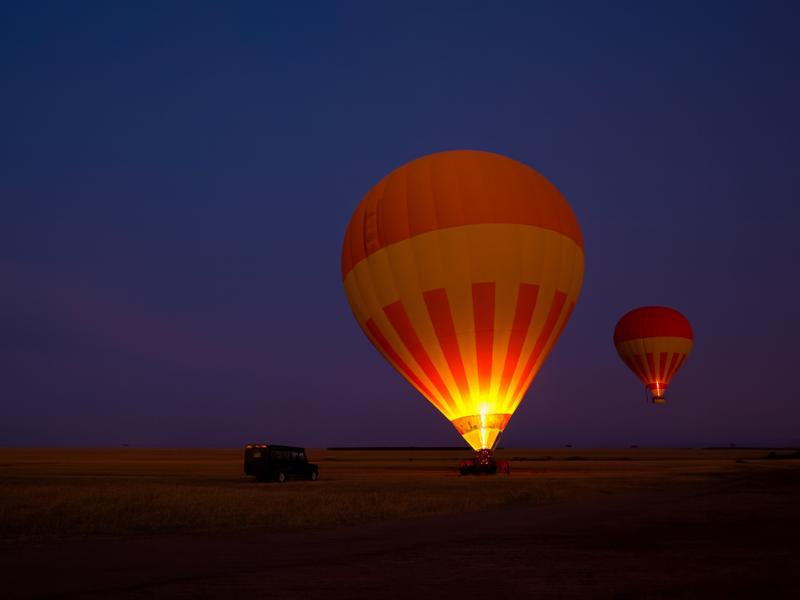
Book migration season (July-October) camps 12-18 months ahead for top reserve and conservancy properties. Shoulder season (November, April-June) allows 3-6 months lead time with better availability and lower rates. Ask four questions of any camp before confirming: Are guides permanent staff or rotational? What is the vehicle type? Is conservancy access included? And what activities are available from this specific location?
The booking timeline reality is harsher than most travel sites admit. The best Musiara camp for July has often been full since the previous October. Returning guests hold their dates first. Then safari specialist agencies take their allocations. By the time you are browsing independently in April for an August trip, you are working with whatever is left.
The practical response is to start the process earlier than feels necessary. If you are targeting July or August migration, treat it as a booking project for the preceding autumn. If flexibility is available and migration crossings are not the primary goal, the November to March window is substantially easier. Camp quality during those months is identical. Vehicle congestion at sightings drops significantly. Rates fall 30 to 50 percent at many properties.
Four questions matter before you confirm any camp booking.
First: are your guides permanent camp staff or rotational? Permanent guides who work the same ground year-round bring resident animal knowledge. Rotational guides are less predictable in that regard.
Second: what vehicle type is used for game drives? Open-sided 4×4 with good sight lines is the standard for serious wildlife watching. Closed vehicles with pop-top roofs work but limit visibility and photography.
Third: is conservancy access included in the rate, and what does that mean specifically for night drives and walking safaris? Some properties list conservancy proximity as a selling point without confirming that those activities are operationally available to guests.
Fourth: what is included versus what is extra? Park fees, conservancy fees, balloon safaris, transfers, and drinks are the most common exclusions from headline rates. A camp listed at $400 per night with park fees excluded at $200 per day peak season is really $600 before meals or activities.
Planning around specific dates? Our Maasai Mara safari tours by month guide walks you through each month’s highlights, drawbacks, and what the migration is doing.
We have coordinated camp bookings for travelers in the Mara since 2012, and you can compare dates on a 3-day group safari from Nairobi if you want the lodge and transfers handled in one itinerary. If you want help navigating the options without spending three weeks reading reviews, our team at Maasai Mara Safari Tours handles the matching and the logistics.
| Location | Outside reserve, 1-5 km from gates | Inside reserve or conservancy border | Inside reserve or exclusive conservancy |
| Guide quality | Variable, often shared vehicle guides | Generally strong resident guides | Top-tier resident specialists |
| Night drives | Not available (most are outside conservancies) | Available at conservancy-based mid-range | Standard inclusion |
| Walking safaris | Not available | Available at conservancy properties | Standard inclusion at conservancy camps |
| Vehicles per sighting | No limits in reserve | Reserve: no limits. Conservancy: 2-4 | Conservancy: 2-3 strict limits |
| What you give up | Location, guide consistency, activities | Some comfort, less staff | Lower total cost |
| Best for | Budget travelers, first Africa trip, short stays | Most travelers, strong wildlife focus | Repeat visitors, photographers, couples |
Frequently Asked Questions
What is the best camp in Maasai Mara overall?
There is no single best camp. For migration access, Governors’ Camp and Rekero consistently rank at the top for their Musiara location and guiding quality. For conservancy exclusivity, Naboisho Camp and properties in Olare Motorogi like Mahali Mzuri lead. The best camp for your trip depends on your season, priorities, and how much you care about activities beyond game drives.
Is it better to stay inside the reserve or in a conservancy?
Inside the reserve gives faster access to the Mara River crossing points during migration and typically costs less in conservancy fees. Conservancy camps allow night drives, walking safaris, and off-road driving, with strict limits on vehicle numbers at sightings. Many experienced travelers split their stay between both. First-timers usually start with the reserve. Repeat visitors typically go conservancy.
How far in advance do you need to book a Maasai Mara safari camp?
For peak migration season (July to October), book top reserve and conservancy camps 12 to 18 months ahead. The best properties fill early because returning guests hold dates before availability opens publicly. For shoulder season (November to March), three to six months is generally sufficient, though specific camps can still book out faster.
Are night drives available from all Maasai Mara camps?
Night drives are not permitted inside Maasai Mara National Reserve. They are only available from camps located on private conservancy land. If a night drive is important to your trip, confirm that the specific camp you are booking operates on conservancy land and that night drives are included or available as an add-on.
What makes a safari guide at a camp better than a guide brought in from Nairobi?
Camp-based guides drive the same ground every day for months and years. They build knowledge of individual animals: where specific leopards rest, which trees a lion pride uses at midday, where cheetahs hunt at first light. A guide traveling between multiple parks has broader range but less depth in any single location. For the Mara specifically, resident guide knowledge of the Marsh Pride and the local big cat territories is one of the camp’s most valuable assets.
Do luxury safari camps in Maasai Mara always deliver better wildlife experiences than mid-range camps?
Not automatically. Guide quality does not track perfectly with accommodation price. A mid-range camp with permanent resident guides who have worked the area for years can deliver better wildlife encounters than an expensive camp relying on rotating seasonal staff. When comparing camps across budgets, ask specifically about guide tenure and whether guides are permanent employees or seasonal contractors.
Ready to choose your camp and build your Mara trip?
Zara and the team at Maasai Mara Safari Tours have placed clients in most of the properties mentioned here. We know which camps have the strongest guides right now, which conservancies have the best activity menus for your dates, and how to structure the reserve and conservancy split for maximum return. Start planning here.
Written by Zara Akinyi Omondi
Kenyan tour guide since 2012 · Founder, Maasai Mara Safari Tours
Zara has guided over 2,500 travelers through Maasai Mara and Kenya’s premier safari destinations since founding the agency.