3-Day Maasai Mara Safari Itinerary
A 3-day Maasai Mara safari gives you 4 game drives and one full day in the reserve. Budget $800-$1,200 for a solid mid-range trip.
Booking Choice: Three days works when the arrival, camp location and full game-drive day line up. Compare the packaged routes after the itinerary, then confirm what the quoted tour excludes. Explore Private Three-Day Mara Safari At Sopa Lodge
Last updated: March 11, 2026
Three days in the Mara gives you two full nights and four game drives including the most important ones: a proper morning drive on Day 2 and a sunset drive on Day 1. You drive from Nairobi in 5 to 6 hours or fly in 45 minutes. Day 2 is the heart of the trip, a full day in the reserve with a packed lunch. Day 3 you exit the park by 10 AM to avoid an extra day’s park fees. Budget $800 to $1,200 per person for a good mid-range experience, not counting flights. If you only have three days, spend all of them in the Mara. Do not split the trip between parks.
Explore Private Three-Day Mara Safari At Sopa Lodge
Quick Facts: 3-Day Maasai Mara Safari
Three days sounds short. And honestly, if you ask me after the fact, most of the travelers I’ve taken out there will tell you it wasn’t enough. But three days in the Maasai Mara done right is a different animal from three days done casually. You wake before sunrise, you’re out in the reserve as the lions finish their night. You watch the plains heat up and go still at midday, then come alive again in the late afternoon light. By Day 3 you know the roads, you recognize individual animals, and your brain has finally stopped thinking about your inbox.
The problem isn’t the duration. The problem is how people plan it. Wrong accommodation location. A Maasai village visit crammed into the only full game drive day. Arriving too late on Day 1 to make the afternoon drive. I’ve seen all of it. This guide is built around what actually works, hour by hour, across all three days.
| Trip structure | 3 days, 2 nights (arrive Day 1, depart Day 3 morning) |
| Nairobi to Mara by road | 5.5 to 6 hours (260–284 km via Great Rift Valley) |
| Nairobi to Mara by air | 45 minutes from Wilson Airport |
| Park fee (non-resident adult) | $100/day low season (Jan-Jun) | $200/day peak (Jul-Dec) |
| Park exit rule | All visitors must exit by 10:00 AM on departure day |
| Number of game drives | 3 to 4 (Day 1 afternoon, Day 2 morning + afternoon or full day, Day 3 brief morning optional) |
| Budget per person (road, mid-range) | $800 to $1,200 (package, including park fees and accommodation) |
| Luxury fly-in per person | $1,500 to $3,000+ |
| Best season | July to October (migration) | Jan-Feb, Jun (quieter, good game) |
| Morning drive start time | 6:00 to 6:30 AM (as early as park allows) |
| Afternoon drive start time | 3:30 to 4:00 PM (animals active again as heat fades) |
| Midday hours | 11:00 AM to 3:00 PM (animals resting, best to be at camp) |
| Hot air balloon add-on | $450 to $600 per person, departs pre-dawn Day 2 |
| Recommended booking lead time | 2 to 3 months standard | 6+ months for July–October |
Prices verified March 2026 against Kenya Wildlife Service official fee schedule and operator published rates.
Is 3 Days In Maasai Mara Actually Enough And What Can You Realistically Expect?
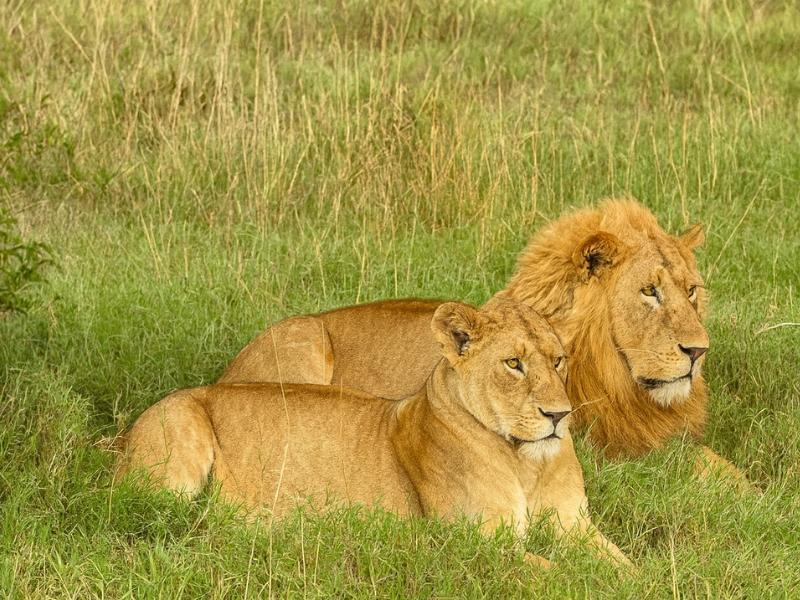
Three days is genuinely enough to see the Big Five, experience the Mara’s rhythms, and come home with memories that will hold you for years. It is not enough to feel like you’ve scratched the surface. The wildlife density in the Mara is extraordinary – most travelers see lions, elephants, buffalo, and giraffe on Day 1 alone. What three days does not give you is the luxury of slow mornings or casual half-days. Every drive counts.
The Mara is not like other parks where you need a week to build up to a good sighting. The ecosystem is dense enough that your guide will often find lions within twenty minutes of leaving camp. What changes over three days isn’t whether you see animals, it’s how you see them. By Day 3, you know enough to understand what you’re watching: why the herd of zebra is edging toward the river, why the cheetah has climbed that particular termite mound, why the vultures are circling three kilometers east.
Curious about the Big Five sightings? Here’s everything about the Big Five in Maasai Mara safari – which ones are common, which require patience, and where guides typically find them.
What three days can’t give you: a conservancy experience with night drives, more than a surface read on migration if you arrive at the wrong point in the season, or the kind of relaxed pace where you wait two hours at a lion sighting without feeling like you’re sacrificing something else. That’s what four or five days is for. But if three is what you have, three works. The Mara will meet you wherever you show up.
One honest caveat: Day 1 and Day 3 are partial days. The real safari is Day 2. Everything in this itinerary is built to protect that full day and make it count.
Wondering how long to stay? Here’s how many days you need in Maasai Mara safari tours to maximize game viewing without burning through your entire safari budget.
Road Or Flight From Nairobi: Which Gets You There In Better Shape?
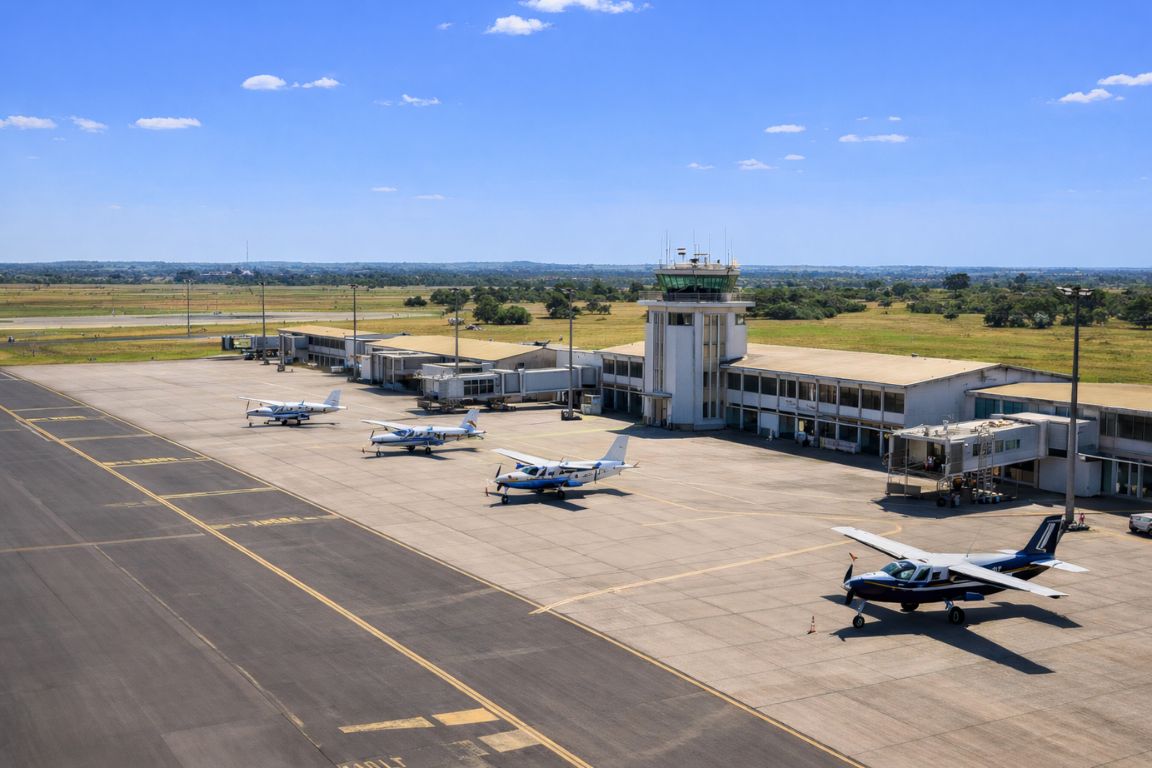 Flying from Wilson Airport gets you to the Mara in 45 minutes and arrives in better condition than the road. Driving takes 5.5 to 6 hours through Great Rift Valley terrain and the final section into the reserve runs on rough track. Both work. The choice is mostly about budget, energy, and whether you want to see the countryside on the way in or save that time for more game drives.
The road trip from Nairobi is genuinely scenic. You descend into the Great Rift Valley on a viewpoint stop that stops most people cold the first time they see it. Then through Narok town, a fuel and snack break, and onto the reserve access roads. The last 30 to 60 minutes depend heavily on which camp you’re heading to and what the roads are doing. In the wet months, parts of that final stretch turn into thick black cotton soil that can slow even a good 4×4 considerably. In dry season it’s manageable but dusty and corrugated.
Departure from Nairobi needs to happen between 7:00 and 8:00 AM to arrive in time for a late afternoon drive. Anything later and you’re looking at a night arrival that wastes your first park entry fee entirely. The road safari is the budget option: packages using road transport cost meaningfully less than fly-in alternatives, and for travelers who don’t mind the drive it adds something the flight can’t – the experience of actually moving through Kenya rather than appearing in it.
Flying makes sense if you are time-limited, if you’re traveling with young children who would find the drive rough, or if you’re budgeting for a short trip and want every available hour in the reserve rather than the van. There are multiple airstrips: Keekorok, Ol Kiombo, Musiara, and Kichwa Tembo among them. Your operator books the strip closest to your camp.
There’s a baggage limit of 15 kilograms per person on the light aircraft, and it needs to be soft-sided. Worth knowing before you pack.
Planning your route from the city? Here’s getting from Nairobi to Maasai Mara so you understand the tradeoffs between flying versus the 5-6 hour drive.
Day 1: Arrival, Orientation, And Your First Afternoon In The Reserve
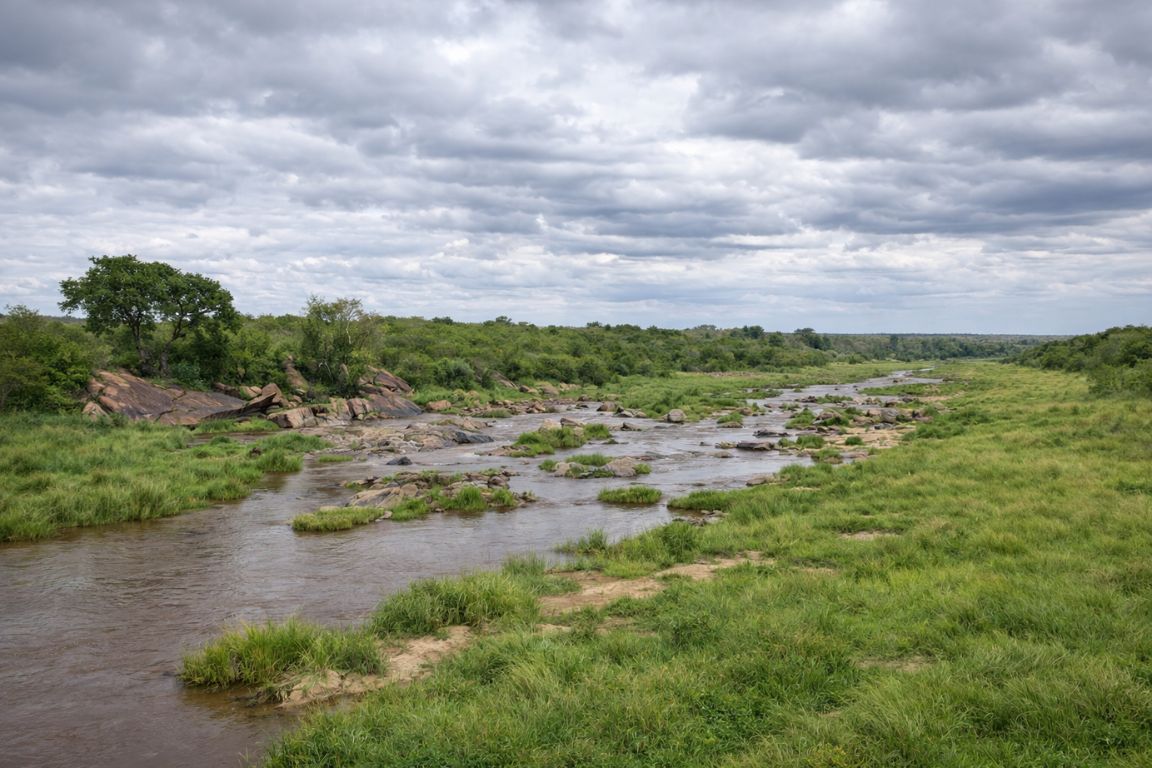 Day 1 centers on arrival and one late afternoon game drive from roughly 3:30 to 6:30 PM. You arrive in time for lunch, check in, and head out into the reserve before the midday heat breaks. This is your first real drive and it sets the tone. Expect to see plenty even on arrival day – the Mara doesn’t ease you in gently.
If you’re driving from Nairobi, departure is 7:30 AM at the latest. The Great Rift Valley viewpoint stop is 30 minutes, Narok town is a quick fuel and bathroom break, and you arrive at your camp gate somewhere around 12:30 to 1:30 PM depending on camp location. Check-in, wash off the road dust, have lunch. Your guide will brief you on what they’ve been seeing that morning: which lion pride was spotted near the Talek River, whether the cheetah family that denned near the eastern boundary is still around.
The afternoon drive goes out at 3:30 PM when the light starts to soften and the animals shake off the midday quiet. The 3:30 to 6:30 PM window is one of the best viewing periods of the day. Buffalo start moving toward water. Big cats begin their pre-hunt stretching and positioning. If you’re near the Mara River there’s always something at the banks, hippos bellowing and jockeying, crocodiles motionless on the rocks in the last of the sun.
What many travelers don’t appreciate on Day 1 is that the light itself is the gift. Between 4:00 and 6:00 PM the sun drops low and turns everything warm orange and amber. Whatever you’re photographing looks extraordinary. A buffalo in flat midday light is a dark shape. The same buffalo with late afternoon sun on its horns is something else entirely. This drive, even if it’s shorter than Day 2, is where most people get their best photos of the whole trip.
Return to camp by 6:30 PM. Dinner, fire, the sounds of the Mara at night. Hippos grunt from whatever waterway is nearby. Sometimes hyena. Sleep as early as you can manage. Day 2 starts before the sky is light.
Day 2: The Full Day – How To Use Every Hour Of Your Best Safari Day
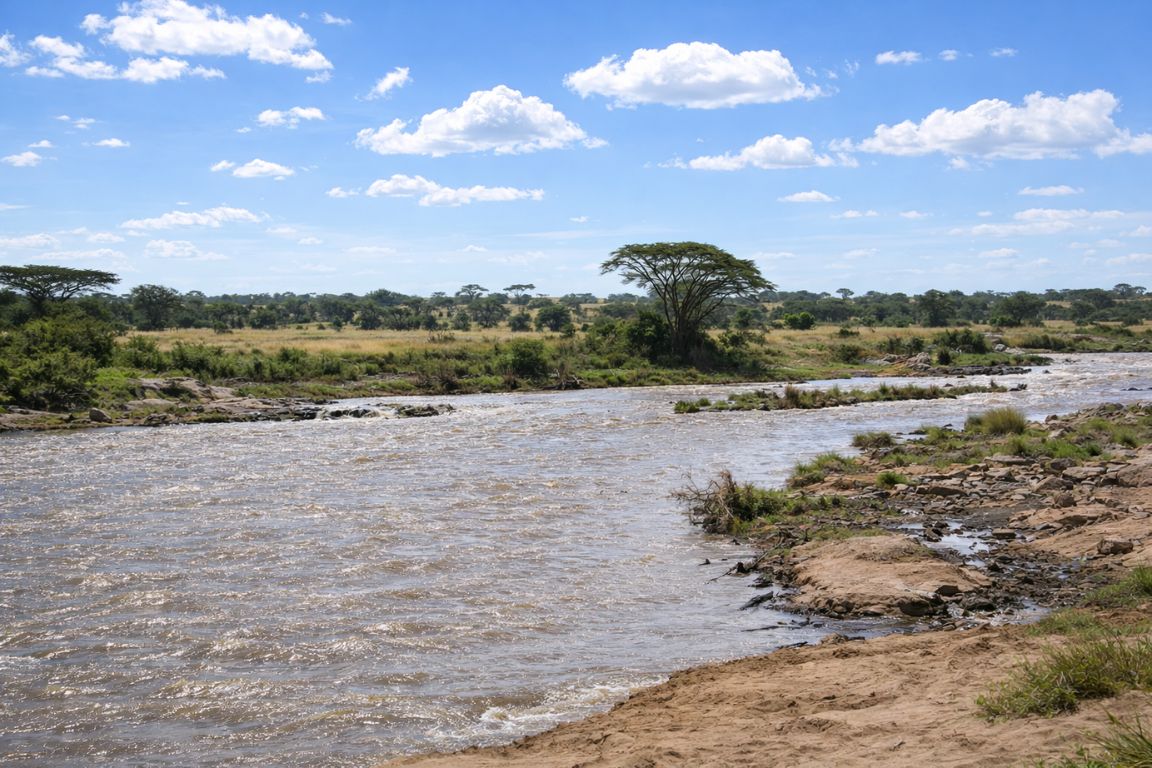 Day 2 is the trip. You leave camp at 6:00 or 6:15 AM and either return for breakfast and head out again at 3:30 PM, or take a packed lunch and stay out all day. The full-day option covers more ground, reaches the Mara River, and puts you in position for both the golden morning hour and the late afternoon. Most experienced travelers choose the full day.
The 5:30 AM wake-up feels wrong when you’re in a warm tent listening to the dark outside. By 6:10 AM, when the vehicle pulls away from camp into the cool morning air with the sky just beginning to grey at the eastern edge, you don’t remember being tired. The plains reveal themselves slowly. The first animals you’ll see are often impala, hundreds of them, and then the silhouette of something else a little further out that your guide identifies without binoculars before you’ve even lifted yours.
Morning is for big cats. Lions finishing the night hunt or resting near a kill. Cheetah up early and visible on the open plain before the sun drives them toward shade. Leopard occasionally crossing, though they remain the hardest of the five to find. Guides on the reserve are in constant radio contact, sharing sightings. When one guide spots a pride at a kill, others redirect. This network is what makes the difference between a good guide and a great one – they’re not just your driver, they’re tapped into every other set of eyes on the reserve.
From around 9:00 to 11:00 AM the light gets harsher and the animals settle into shade. Some operators return to camp for breakfast during this window. Others bring a bush breakfast out and eat alongside the vehicle, which is what I recommend. Going back to camp costs you 45 minutes of driving each way, and the Mara has no shortage of beautiful places to eat a boiled egg and some fruit watching a herd of zebra stand in morning shadow.
The push to the Mara River is usually done mid-morning. The river marks the border with Tanzania and holds year-round drama: crocodiles the size of small boats, hippo pods, and if you’re here during migration season from July to October, the possibility of a crossing that will override every other memory of the trip. Even outside migration, the river section rewards patience. Sit quietly for twenty minutes and something always happens.
If migration timing is what brought you here, know that crossings are not guaranteed on any given day. Herds gather on the bank, they mill and hesitate, sometimes for hours, sometimes for days. The ones that cross often do so explosively and without warning. The correct approach is to position at a known crossing point and wait with your engine off. Your guide knows which bends to use. This is not a circumstance where patience is optional.
Afternoon game drive begins again at 3:30 PM and runs to park closing around 6:30 PM. By this point you know the reserve well enough to have preferences. You know which direction the leopard was heading this morning. You know there’s a cheetah with cubs that’s been working the southern section. You ask, and a good guide will take you back to where it matters.
Evening in camp on Day 2 carries a different quality than Day 1. By now the place feels familiar. You know which staff member makes the coffee right. The generator goes off at a certain hour. You hear sounds at night that you can now identify. That’s the Mara working on you.
If you’ve ever considered a hot air balloon safari, Day 2 morning is when it happens. Pickup is around 4:30 AM, transfer to the launch site, takeoff at first light. It replaces your morning game drive but gives you something a land vehicle never can: the full scale of the ecosystem from above, herds moving below you, the river gleaming in early light, the utter quiet between burner firings. Whether it’s worth the $450 to $600 per person is a genuine question. Most people who do it say yes. It’s a different kind of experience, not a substitute for the land drive. If budget allows and the Mara below you during migration is something you want to see from the air, Day 2 is the day.
Considering the balloon ride? I’ve broken down hot air balloon safari in Maasai Mara so you know exactly what you’re paying for and whether it’s worth the hefty price tag.
If you’d rather hand the coordination of all of this to an operator, check dates on the 3-day Maasai Mara game drive safari from Nairobi rather than assembling camp, vehicle, and park entry separately.
Day 3: The Early Morning Drive And Getting The Departure Timing Right
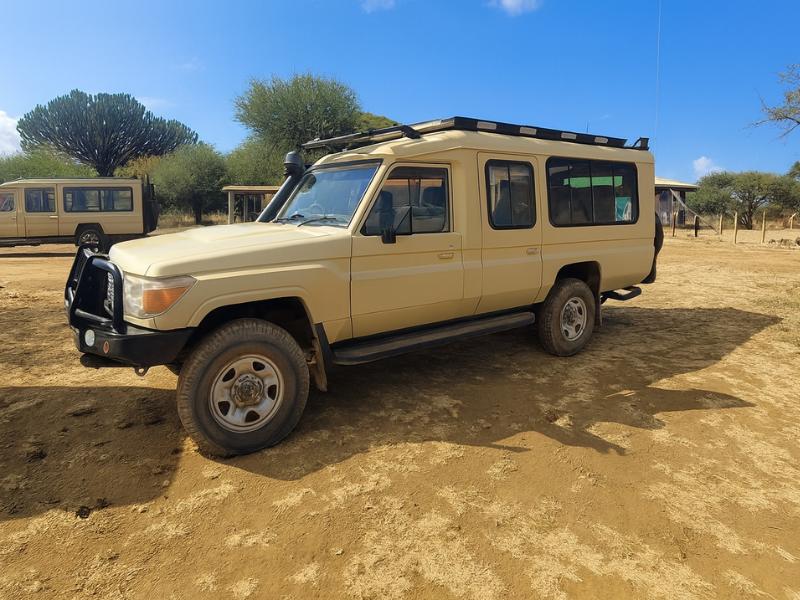
Day 3 means an early morning drive, checkout by 8:30 AM, and exiting the reserve by 10:00 AM to avoid an extra park fee. If you’re road-tripping back to Nairobi you arrive by early afternoon. Flying back takes 45 minutes. The morning drive on Day 3 is real, not a token send-off – lions and cheetah are often spotted in the first hour before the sun is high.
The 10:00 AM park exit rule is firm. The park’s 12-hour ticket clock started ticking from your entry time two days ago, and the practical effect is that checkout from camp needs to happen around 8:30 AM. That means a 5:30 or 6:00 AM morning drive with a hard stop rather than a leisurely return. It’s not ideal but it’s workable. In practice you get a solid two to two-and-a-half hour drive in the best wildlife time of day before you need to head for the gate.
Do not schedule a Maasai village visit on Day 3. I’ve seen this happen repeatedly: operators put the village visit on the last morning, it eats the game drive, and travelers leave the Mara having spent their last wildlife hours watching a cultural performance that could have happened anywhere. If you want to include a village visit, put it on Day 2 afternoon after the main game viewing, or skip it entirely on a 3-day trip. Three days is too short to give up any core game drive time.
The Great Rift Valley viewpoint on the road back to Nairobi hits differently on the return. You’ve just spent 60 hours in the Mara. The scale of the valley below, the plains spreading south toward Tanzania, carries more weight now that you know what’s out there.
Where To Stay For A 3-Day Safari: Accommodation By Budget And Location
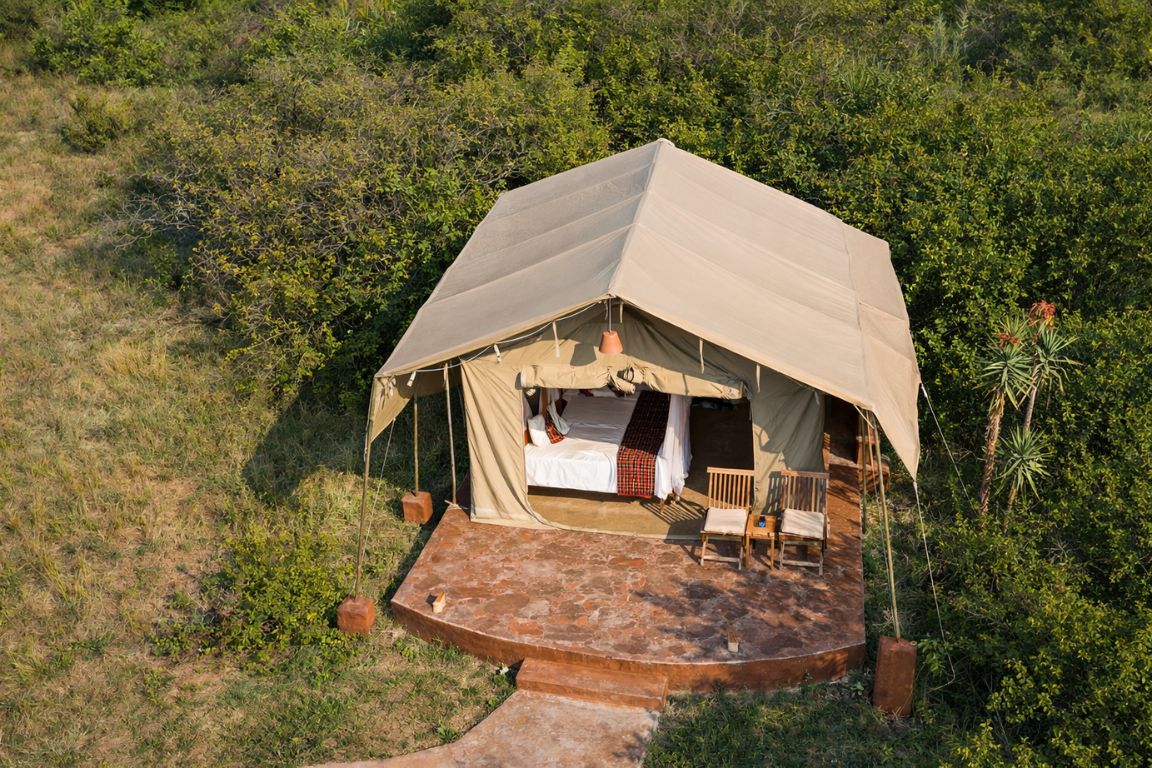 Where you sleep in the Mara matters more than most people realize. A camp inside or close to the reserve means 15 minutes to game country. One outside the boundary means 45 minutes each way, and on a 3-day trip that time costs you. Budget camps work well near Talek Gate; mid-range options inside the reserve give the best balance of quality and access; luxury properties in the conservancies add night drives and off-road access that the main reserve doesn’t allow.
| Budget camping | $50 to $100 | Lenchada Tourist Camp, Miti Mingi Eco Camp, Enchoro Wildlife Camp | Near Talek Gate, often just outside reserve | Solo travelers, budget-focused, not expecting luxury amenities |
| Mid-range lodge/tented camp | $150 to $350 | Mara Serena Lodge, Keekorok Lodge, Sarova Mara Camp, Basecamp Explorer | Inside or close to main reserve | Couples, first-timers, good balance of comfort and access |
| Upper mid-range | $350 to $600 | Entim Mara Camp, Rekero Camp, Little Governors’ Camp | Inside reserve, prime river locations | Travelers prioritizing wildlife access over camp frills |
| Luxury (main reserve) | $600 to $1,000+ | Sala’s Camp, Governors’ Camp, &Beyond Bateleur Camp | Reserve interior, key migration/river locations | Honeymoons, special occasions, photography-focused travelers |
| Conservancy luxury | $700 to $2,500+ | Mahali Mzuri (Olare Motorogi), Saruni Mara (Mara North), Naboisho Camp | Private conservancies surrounding reserve | Travelers wanting off-road driving, night drives, walking safaris, low vehicle density |
Prices are per person per night sharing, full board. Peak season (July to October) adds 30 to 50% to published rates. Verified March 2026.
The location piece is not subtle. A camp inside the reserve means your morning drive starts in game territory from minute one. A camp 40 kilometers outside means your guide is burning daylight getting you to the good areas. On Day 2 that’s 80 minutes of driving before you’re seeing anything meaningful. On a 3-day trip, that’s real.
Conservancy camps deserve more explanation than the table gives them. If you stay at a conservancy, the higher rate unlocks things the main reserve doesn’t allow: off-road driving that lets your guide position 10 meters from a cheetah instead of 100, night drives after 6:30 PM, walking safaris with armed Maasai guides. The vehicle density is capped strictly, so you’re rarely sharing a sighting with six other vehicles. For 3 days, a conservancy experience is qualitatively different from the main reserve, and many travelers who’ve done both say the conservancy wins even though the migration river crossings require reserve access.
The common solution is a camp in or near a conservancy that also has reserve access for dedicated river crossing days during migration. Ask your operator about this combination when you book.
We’ve vetted the budget camps in Maasai Mara safari tours so you don’t end up in a terrible location just because you’re trying to save money on accommodation.
How Much Does A 3-Day Maasai Mara Safari Cost – Full Honest Breakdown
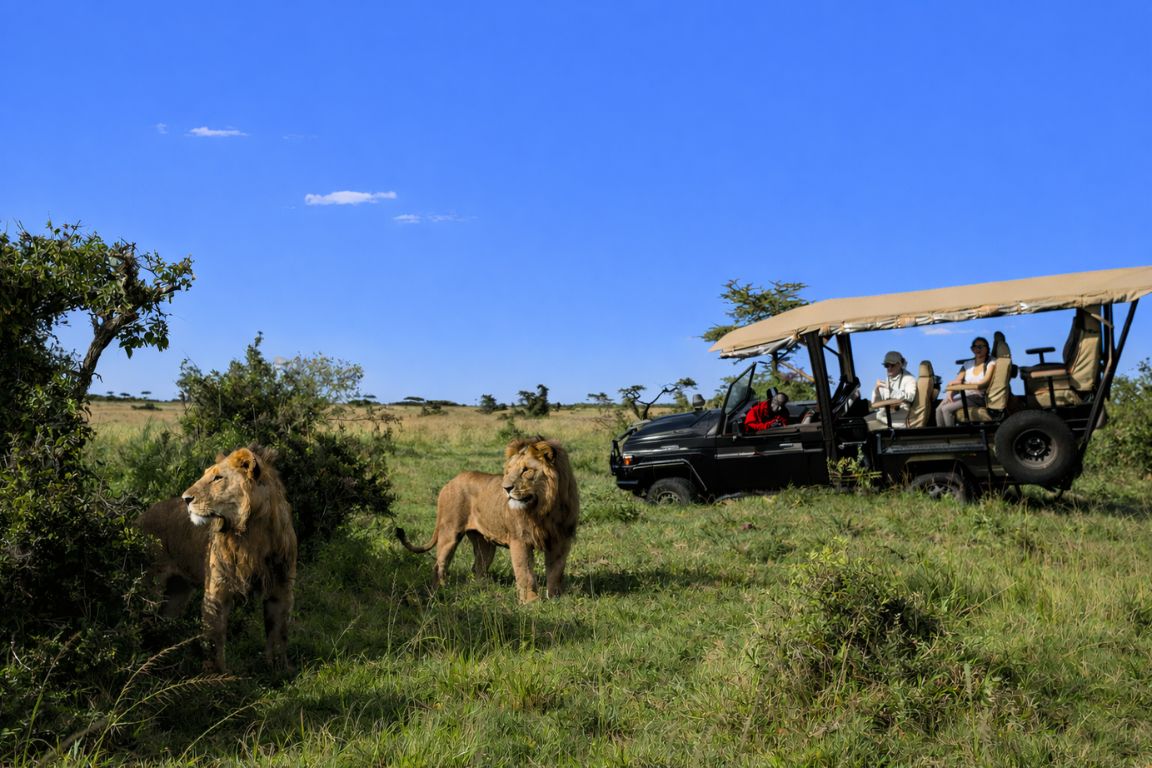 A mid-range 3-day Maasai Mara safari from Nairobi runs $800 to $1,200 per person sharing, including park fees, accommodation, meals, game drives, and road transport. Fly-in packages start around $1,500 per person. Budget options exist from $500 per person but involve shared vehicles and basic camps outside the reserve. Luxury conservancy safaris run $1,500 to $3,000 per person for three days.
| Park fees (2 nights) | $200 per person | $400 per person | Non-resident adult rate. Fee doubles July 1 |
| Accommodation (2 nights mid-range) | $300 to $700 per person | $400 to $900 per person | Full board; wide range based on camp quality |
| Nairobi road transport | $100 to $200 per vehicle | $100 to $200 per vehicle | Shared across group; private 4×4 with guide included in most packages |
| Nairobi fly-in (return) | $350 to $500 per person | $350 to $500 per person | Wilson Airport to Mara airstrip and return |
| Hot air balloon (optional) | $450 to $600 per person | $450 to $600 per person | Book in advance, especially peak season |
| Maasai village visit (optional) | $20 to $50 per person | $20 to $50 per person | Community contribution; includes transfer |
| Tips (guide + camp staff) | $25 to $35 per person/day | $25 to $35 per person/day | Guide $15 to $20/day, camp staff $10 to $15/day |
All prices verified March 2026. Peak season surcharges apply July 1 through December 31. Rates vary by operator and camp; these reflect published 2025/2026 ranges.
The number that surprises most people is the park fee. A couple visiting in August pays $400 each, or $800 total, just in park entry before accommodation, transport, or anything else. This is not hidden – it’s an official fee and operators include it in package quotes – but travelers who receive a $900 per person package quote sometimes don’t realize that $400 of it goes directly to park fees. The accommodation and guiding experience you’re actually paying for is $500, which for a well-run 3-day private safari is genuinely reasonable.
Low season (January to June, excluding the short rains in April/May) offers significant savings: park fees are halved, lodge rates drop, and some mid-range operators run promotions that put the full 3-day road package under $700 per person. The wildlife viewing in January and February is exceptional – predator activity is high, the short-grass plains are clear, and there are very few other vehicles. If migration timing is not your priority, the shoulder season makes the math considerably different.
Planning your safari budget? Here’s Maasai Mara safari costs explained so you know which expenses are worth it and which ones you can skip without ruining the experience.
What We’ve Learned From 2,500 Travelers: What Actually Makes The 3-Day Trip Work
The 3-day Mara trips that exceed expectations share four things: camps inside or near the reserve, a full-day drive on Day 2 rather than split morning and afternoon, no Maasai village visit scheduled on a core game drive day, and a guide who is a permanent resident of the ecosystem rather than a rotating Nairobi driver. These aren’t luxuries. They’re the decisions that separate a great 3-day trip from a good one.
We’ve been running these trips since 2012. The patterns are consistent enough that I can tell you with some confidence what the 3-day itinerary regrets tend to look like, and what the successful ones have in common.
| Chose camp inside or near reserve (under 30 min to game area) | 78% | Rated location as significantly improving trip quality |
| Took full-day drive on Day 2 vs split drives | 64% | Reported seeing materially more wildlife and reaching river areas |
| Scheduled Maasai village visit on Day 3 or skipped it | 71% | No game drive time lost to cultural activity during core safari window |
| Wished they had booked 4 nights instead of 3 | 62% | Most common post-trip comment, regardless of satisfaction with the 3-day trip itself |
| Satisfied with wildlife sightings on a 3-day trip | 91% | Big Five encounter rate high; primary regret was duration, not quality |
| Added hot air balloon on Day 2 | 29% | Near-unanimous positive rating; most cited as trip highlight |
The guide question is the one thing I’d emphasize above all others on a 3-day trip. A guide who has spent years in this specific ecosystem knows individual animals by sight. They know which lioness has cubs hidden near the lugga north of camp, which cheetah family hunts the eastern plains in the mornings, where the black rhino has been spotted twice in the last ten days. That knowledge is not available to a driver rotating between parks. The radio network among permanent Mara guides is a real and functional thing. When one guide spots something significant, the word travels fast. You want a guide who is part of that network.
The single most consistent theme across all the feedback we get on 3-day trips is this: people wish they’d stayed longer. Not because the trip wasn’t excellent. Because it was. That’s the Maasai Mara for you.
We’ve been coordinating these safaris for travelers since 2012. Check the 3-day Land Cruiser safari if you want camp placement and a reserve guide handled in one booking.
If you’ve got the extra time, here’s our 4-Day Maasai Mara safari tours itinerary showing you how to maximize game viewing while leaving room to breathe.
The Mistakes That Cost People The Most On A 3-Day Safari
The most expensive 3-day safari mistakes aren’t about money. They’re about planning decisions that quietly reduce your time in the reserve. Arriving late on Day 1, scheduling the village visit during peak game drive hours, choosing a camp too far from the reserve boundary, or splitting Day 2 into short drives with a camp lunch break – each of these costs you something you can’t get back on a short trip.
Here’s what we see go wrong most often, and what to do instead.
Late Nairobi departure on Day 1. Leaving Nairobi after 9:00 AM almost guarantees you miss the afternoon game drive entirely. The drive takes 5.5 to 6 hours minimum. Add a viewpoint stop and you’re arriving after 4:00 PM, which doesn’t leave time to check in, settle, and get into the park before the light goes. Depart by 7:30 AM or fly.
Thinking the midday hours are wasted time. They’re not. From 11:00 AM to 3:00 PM the animals are mostly in shade and less active for dramatic viewing, yes. But this is the time to eat a proper lunch, nap, review your photos, ask your guide questions, and be fully rested for the afternoon drive. Travelers who try to push through midday on full-day drives sometimes arrive at the afternoon peak too tired to fully engage with what they’re seeing.
The village visit on Day 2 morning. I’ve seen operators offer this as a morning activity on the best game drive day of the trip. A Maasai village visit is genuinely worth doing, but not at the cost of peak wildlife hours. Schedule it late afternoon on Day 2 after the main game drive if you want it, or on the road out on Day 3 before reaching Nairobi.
Not asking who the guide is before booking. On a 3-day trip there’s no margin for a mediocre guide. Ask your operator directly: who is the guide, how long have they been working in the Mara specifically, are they resident or do they rotate? The answer matters as much as camp quality.
Expecting migration river crossings on specific days. If you’re there for the crossings, come with the understanding that they happen on the animals’ schedule, not yours. Herds gather and then don’t cross for days, then cross unexpectedly. Your guide will position you well. The rest is patience.
Frequently Asked Questions
Can I see the Big Five in 3 days?
Yes, and most travelers do. The Maasai Mara has one of the highest wildlife densities in the world. Lion, elephant, buffalo, and giraffe are typically encountered within the first game drive. Leopard is the hardest of the five; sightings are real but less reliable. Rhino numbers are lower in the Mara than in some other Kenyan reserves, though they are present particularly in the Mara Triangle area.
What is the best month to visit for a 3-day safari?
July to October for the Great Migration and river crossings; January and February for open grass plains, good predator activity, and fewer vehicles; June for excellent pre-migration game without the peak season crowds or pricing. Avoid April and May if possible – the long rains make roads difficult and grass is high, reducing visibility.
Is 3 days better than a day trip from Nairobi?
Significantly better. A single-day Mara excursion from Nairobi means 10 to 12 hours in a vehicle for a few hours in the reserve. The morning drive, the full day, and the rhythm of multiple game drives across different light conditions – that’s where the Mara reveals itself. Three days is the minimum for a meaningful safari experience.
Do I need a visa for Kenya?
Most nationalities require an Electronic Travel Authorization (eTA) for Kenya, applied for online before arrival. Check the official Kenya eTA portal before booking as regulations are updated periodically. Apply at least two weeks before travel.
What should I pack for 3 days?
Layers are more important than specific colors. Mornings in the Mara can be cold enough for a fleece at 6:00 AM; afternoon drives run 30 degrees Celsius or more. Neutral colors (khaki, olive, tan) are sensible but not mandatory. Bring a hat, sunscreen, good binoculars, and camera gear. A 300mm lens or longer makes a meaningful difference for wildlife photography. Comfortable walking shoes matter less than comfortable sitting – you’ll spend most of your time in the vehicle.
Can I do this trip solo?
Absolutely. Solo travelers typically join group safaris where costs are shared across a vehicle of 4 to 6 people, which reduces the per-person rate substantially. Private vehicles are available for solo travelers at a higher cost but give full schedule flexibility. Some operators offer single supplement options or can match solo travelers to compatible groups.
Questions before you commit? Zara and the team answer them every day. Start with the 3-day game drive safari from Nairobi.
Written by Zara Akinyi Omondi
Kenyan tour guide since 2012 · Founder, Maasai Mara Safari Tours
Zara has guided over 2,500 travelers through Maasai Mara and Kenya’s premier safari destinations since founding the agency.