Big Five In Maasai Mara
Can you see the Big Five in Maasai Mara? Lions, elephants, buffalo are common - leopards need patience, and rhino sightings are rare but possible.
Booking Choice: A booked safari creates the time and vehicle access for the search; it cannot guarantee any animal. Use the end tool to choose private control or a shared three-day base. Explore Private Three-Day Mara Safari At Sopa Lodge
Last updated: March 11, 2026
At A Glance: A species-by-species guide setting realistic lion, leopard, elephant, buffalo and rhino expectations and explaining why time, zone and guide skill matter. Explore Private Three-Day Mara Safari At Sopa Lodge
Quick Summary The Maasai Mara is one of the few reserves on earth where all five – lion, leopard, elephant, buffalo, and black rhino – can be seen in a single trip. Lions and elephants are near-certainties on any multi-day safari. Leopards require patience and a good guide but are more reliably spotted here than almost anywhere else in Kenya. Buffalo are plentiful year-round. The rhino is the honest outlier: only 25-50 remain in the ecosystem, they prefer thick bush, and a sighting is genuinely rare – but it does happen, especially in the Mara Triangle. Plan for at least 5 nights to give yourself a real shot at all five.Quick Facts: Big Five In Maasai Mara
| Lion | 850-900 | Easy – near-guaranteed | Year-round; peak July-Oct |
| Elephant | 2,500-2,600 | Easy – very common | Year-round; dry season for large herds |
| Buffalo | 1,600+ | Easy – common in herds | Year-round; dry season near water |
| Leopard | ~52 resident individuals | Moderate – needs guide skill and patience | Dry season (June-Oct); dawn and dusk |
| Black Rhino | 25-50 (only indigenous wild population in Kenya) | Hard – rare and genuinely special | Mara Triangle year-round; early morning |
| Park entry fee (non-resident adult, high season Jul-Dec) | USD $200 per 12-hour period – Verified March 2026 | ||
| Park entry fee (low season Jan-Jun) | USD $100 per 12-hour period – Verified March 2026 | ||
| Recommended stay for all five | Minimum 5 nights; 7 nights significantly improves rhino and leopard odds |
The term “Big Five” was invented by hunters in the colonial era. They weren’t ranking the animals by size. They were ranking them by how dangerous and difficult they were to kill on foot. The lion because of its speed. The elephant because of its intelligence and charge. The buffalo because a wounded one will double back and wait for you. The leopard because it would drag itself half-dead up a tree and still kill a man. The rhino because it charges first and asks questions never.
The hunting is long gone. What remains is the Maasai Mara – one of the only places in Africa where all five still roam in meaningful numbers within a single ecosystem. Four of them you’ll likely see on any properly organized safari. The fifth one, if you’re patient and lucky and your guide is exceptional, will stop you cold.
What Are The Big Five And Why Does The Maasai Mara Have All Of Them?
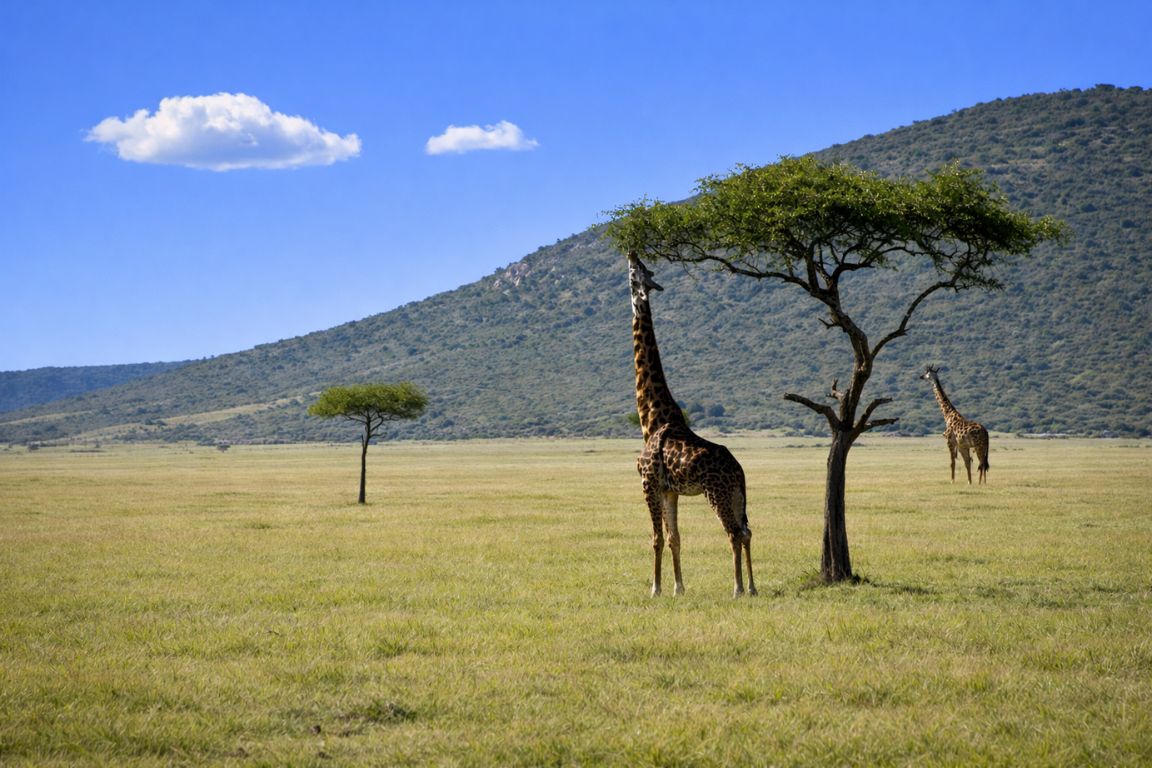 The Big Five – lion, leopard, elephant, Cape buffalo, and black rhinoceros – are present in the Maasai Mara because the ecosystem has the grasslands, water, and prey density to support apex predators and large herbivores at scale. The Mara’s relatively small size actually works in a visitor’s favor: wildlife is concentrated rather than spread across thousands of square kilometers. No other reserve in Kenya has an indigenous wild black rhino population, making the Mara the only place in the country where all five genuinely occur together.
The ecosystem supports these numbers because the Greater Mara stretches well beyond the 1,510 km² of the national reserve itself. Include the Mara Triangle, the private conservancies – Mara North, Olare Motorogi, Naboisho, Ol Choro Oiroua – and the community lands, and the effective wildlife range expands considerably. Elephants move between the Mara and the Serengeti. Lion territories cross into conservancies and back. The rhino stays mostly within the protected core, particularly the Mara Triangle.
The origin of the term matters because it still shapes how travelers think about safari success. The Big Five is not a ranking of which animals are most impressive to watch – a cheetah hunt at full speed, a hippo pod at dusk, a giraffe silhouetted against the escarpment at sunset will each stop your breath too. It’s a framework that was designed around hunting difficulty and has survived as the shorthand for a complete safari experience. The Mara delivers it, but understanding each animal on its own terms is what turns a checklist into something worth the journey.
First time planning an African safari? Here’s how to plan a Maasai Mara safari tours so you don’t show up unprepared for the costs or book during the wrong season.
Where And When Is The Best Time To See Lions In Maasai Mara?
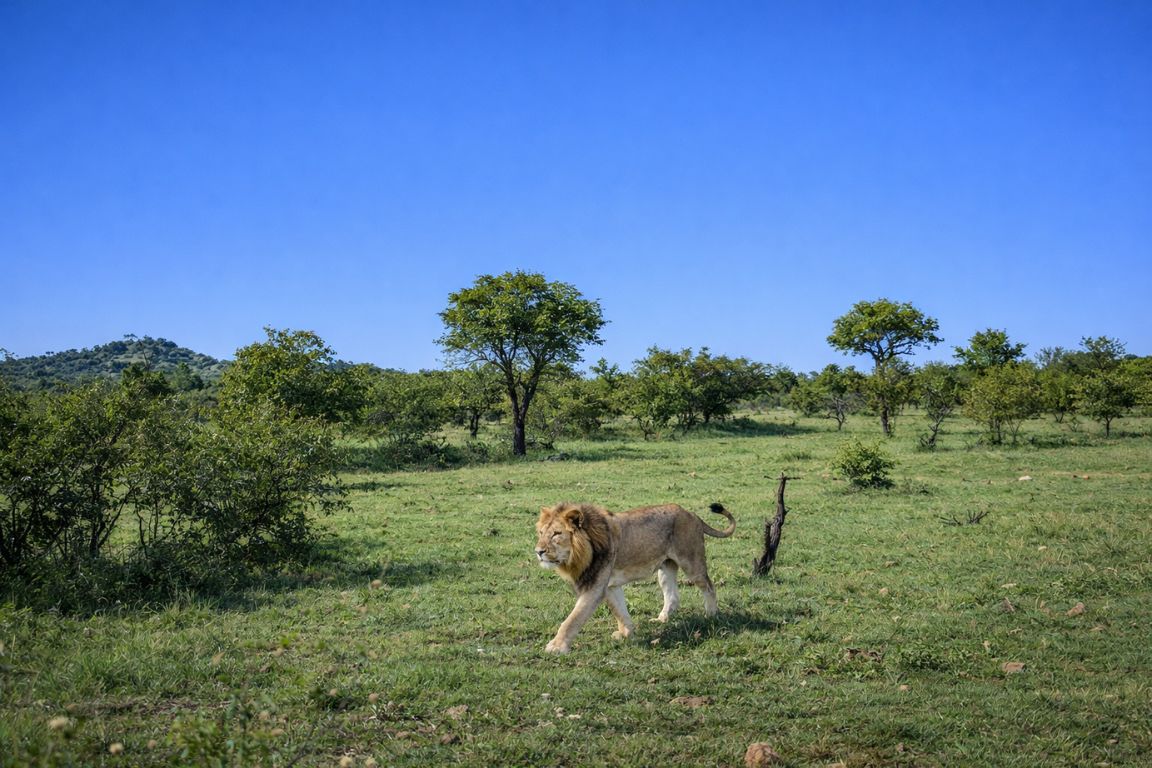 Lions are the easiest of the Big Five to find in the Mara. An estimated 850-900 lions live across the reserve and surrounding conservancies, one of the highest densities in East Africa. They’re visible year-round, but peak activity happens during the dry season from July to October when the Great Migration brings enormous prey concentrations. The Musiara Marsh area in the north-central reserve – home to the famous Marsh Pride – and Paradise Plains are the two most reliable zones for sightings.
The Marsh Pride is the most documented lion group in the world. The BBC filmed it for decades as part of Big Cat Diary and later Dynasties, building generations of named individuals that guides still track today. The pride has roughly 30 members, anchored around the permanent water and thick vegetation of Musiara Marsh. Lionesses hunt buffalo in and around the swamp edges; cubs have been watched growing up here by millions of viewers who have never set foot in Kenya. When you drive into that marsh area at first light, you’re entering one of the most storied pieces of wildlife habitat on the continent.
Wondering how to catch the migration? Check out our Great Migration in Maasai Mara safari guide – it covers timing, movement patterns, and how to position yourself for the action.
Beyond the Marsh Pride, dozens of other prides hold territories across the reserve. The Paradise Pride operates near the Mara River crossing points and has developed exceptional skills hunting from the chaos of migration crossings. The Ridge Pride occupies territory around Ol Kiombo airstrip, known for unusually large-maned males. The Sausage Tree Pride works the Mara River banks. The Black Rock Boys coalition – which controls multiple prides – has been dominant in the central and eastern Mara for years.
Tactically, the best lion drives are at first light and in the two hours before sunset. Lions sleep approximately twenty hours a day, so midday drives often find them inactive under acacia shade, which is still worth seeing but misses the action. Early morning is when hunts happen, when cubs play, when the whole pride is on its feet and doing what lions do. The alarm calls of nearby birds and prey animals – impalas, baboons, warthogs – often signal a predator before your guide’s eye finds it. Train yourself to notice when the animals around you suddenly become very still and very focused in the same direction.
Our guides have tracked the Marsh Pride and other key prides for years. Let Maasai Mara Safari Tours put you in the right place at the right time.
Planning ahead? Our guide to the best time to visit Maasai Mara safari tours breaks down migration season versus green season and what you’ll actually see each month.
How Do You Find Leopards In The Maasai Mara – And What Makes Them So Hard To Spot?
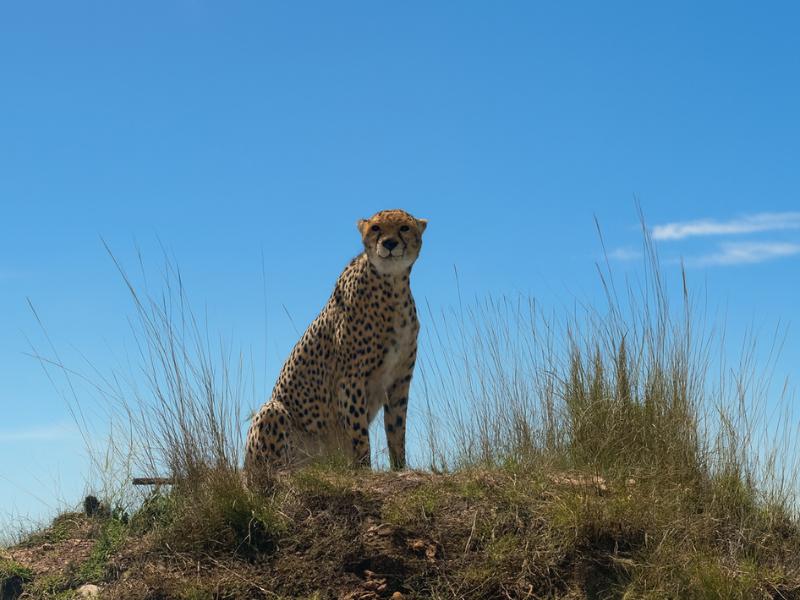
There are approximately 52 resident leopards in the Mara ecosystem. That’s not a small number, but these are solitary, largely nocturnal animals whose survival depends on not being seen. The best zones are the Talek River corridor, the Mara Triangle, and the Olare Orok Conservancy. Dawn and dusk drives in dry season offer the highest sighting odds. The single most important variable is guide quality – a leopard in a fig tree is invisible to most people until someone who knows exactly what a flicking tail through leaves looks like points it out.
Leopards occupy every habitat the Mara offers. Open savannah, riverine forest, rocky outcrops, dense thickets – they move through all of it. But they anchor most reliably to areas with large trees along watercourses and rocky features with good visibility for ambush. Leopard Gorge, a rocky section with a nearby water pool that draws impalas and warthogs, is one of those places where guides check every fig tree systematically. The BBC filmed many of its Big Cat Diary leopard sequences along the Talek River and around the Mara Triangle’s denser woodland edges for exactly this reason.
Some individual leopards in the Mara have become habituated to vehicles and are seen more regularly than others. Bella, a well-known female often spotted along the Mara River, is one example. Guides share information about individual animals through radio networks, so a sighting elsewhere in the reserve can trigger movement toward a known individual’s territory. This is why staying in a camp that is plugged into that network – and whose guides actively work it – matters more than which specific location you book.
The conservancies have an edge over the main reserve for leopard sightings for one practical reason: off-road driving is permitted in some of them. When a leopard is spotted moving through tall grass or heading toward its kill, the difference between following it on-road and being able to track it cross-country is often the difference between a glimpse and a proper sighting. In the main reserve, once a leopard steps off the road corridor, it’s gone. In Olare Motorogi or Mara North, you can stay with it.
What to look for: a horizontal line through vertical vegetation, a tail hanging below a branch, the focused stare of nearby prey animals. Leopards resting in trees will often have one foreleg and their tail hanging straight down. Once you’ve seen it once you can’t unsee it, but the first time your brain simply refuses to resolve the pattern into an animal until your guide points directly at it.
What Do You Need To Know About Elephants In The Maasai Mara?
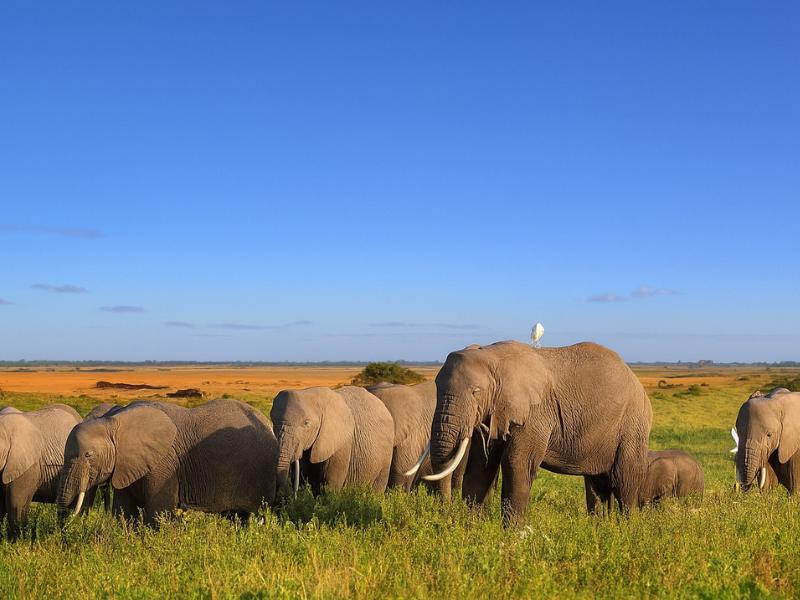
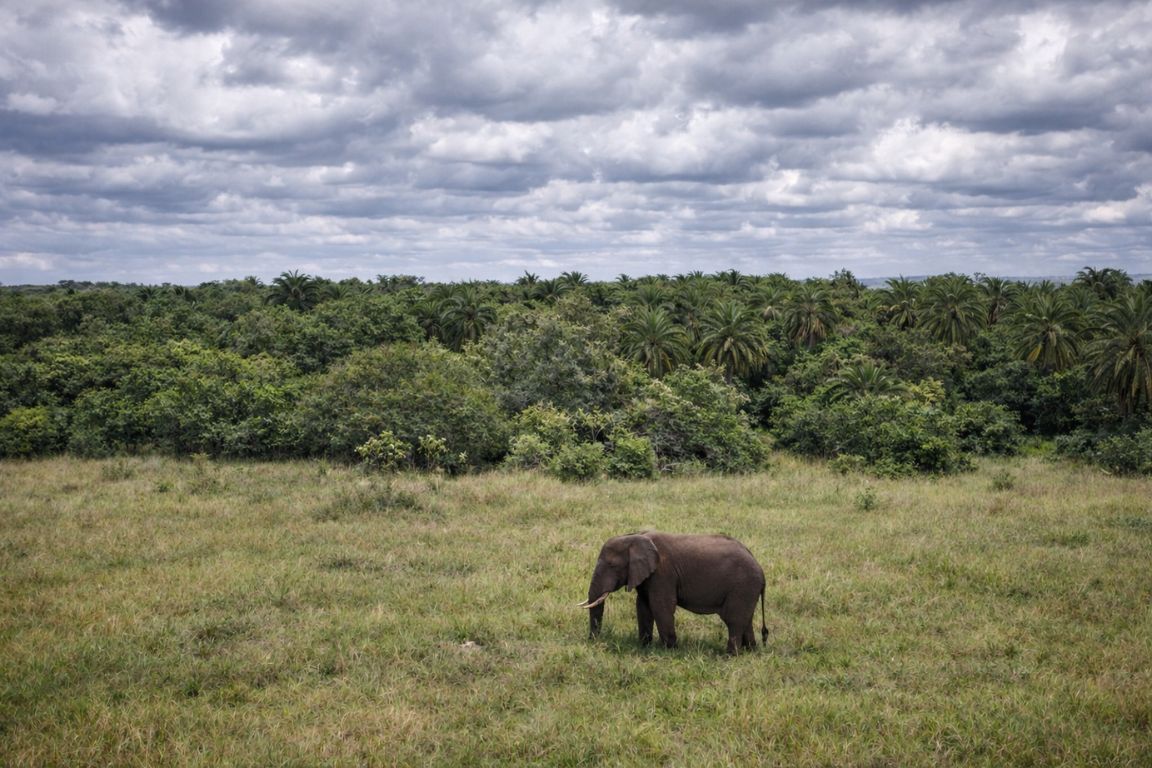
With roughly 2,500-2,600 elephants across the ecosystem, the Mara has one of the healthiest and growing elephant populations in Kenya. They’re the most commonly sighted of the Big Five – large, slow-moving, active during daylight hours, and impossible to miss. Family herds of 10-70 individuals move along the Mara and Talek River corridors year-round, while solitary bulls range more widely. The dry season concentrates them near permanent water, making the Musiara Marsh, Mara River, and Talek River areas the most productive zones from June through October.
An elephant family arriving at a waterhole in the afternoon light is one of those Mara experiences that the photographs never quite capture. The matriarch enters first, always. She’s the largest, oldest female in the group, and the whole herd reads her behavior – how she holds her head, whether her ears are relaxed or flared, the speed of her walk. She carries decades of knowledge about where water is, what sounds mean predators, which routes are safe. Watch her and you understand the structure of the whole herd without anyone explaining it.
The Mara Elephant Project, operating actively in the ecosystem, uses GPS collars and aerial surveys to monitor elephant movement and reduce human-wildlife conflict along the reserve boundaries. Their data shows that elephants regularly cross between the Mara and the Serengeti, moving through corridor zones that connect the two ecosystems. Seeing a herd cross the plains in single file at dawn – the calves tucked between the adults, the matriarch setting the pace – is one of those images that follows you home.
One thing guides notice but visitors often miss: elephants communicate through infrasound, low-frequency vibrations that travel through the ground at frequencies below human hearing. When a herd suddenly changes direction or the matriarch stops and seems to be listening to something you can’t detect, this is often what’s happening. The social life of elephants is running at a frequency we simply can’t access.
Where Are The Rhinos In Maasai Mara And What Are Your Realistic Chances Of Seeing One?
The Maasai Mara has the only indigenous, un-translocated wild black rhino population remaining in Kenya. There are 25-50 individuals across the ecosystem, with the Mara Triangle holding the most consistently monitored group. A rhino sighting is genuinely uncommon – this is not managed access like some private rhino sanctuaries. These are wild animals in a large landscape who prefer thick bush and are actively monitored by rangers to protect them from poaching. Your guide’s radio network and a bit of luck are both required.
To understand what 25-50 rhinos across roughly 1,500 km² actually means: that’s one rhino per 30-60 square kilometers on average. They don’t patrol open plains looking to be seen. Black rhinos are browsers, not grazers – they feed on shrubs, acacia, and bush rather than open grassland, which keeps them in dense vegetation for most of the day. Their eyesight is poor. Their sense of smell is exceptional. They will often detect your vehicle long before you see them and move away through the bush without ever entering your sightline.
The Mara Triangle’s rhino population has a specific history worth knowing. In 1971 the reserve had around 120 black rhinos. By 1984 poaching had reduced that to just 18. When the Mara Conservancy took over management of the Triangle in 2001, there was a single known rhino remaining: an aggressive female, deeply wary of vehicles. Within months of increased anti-poaching patrols, a male moved into the area. Three successful matings followed, and the Triangle population has slowly built to around ten individuals – with the broader Mara population hovering at 25-30. This is a conservation story still in progress, which is partly what makes a sighting feel like something beyond just another wildlife encounter.
Rhino Ridge in the central and northern sections of the reserve is one area where sightings are tracked and where guides tend to focus when reports come through on the radio network. A sighting here is almost always a team effort: rangers monitoring movements share information with guides, who converge carefully on a position without disturbing the animal. The approach matters. A rhino that catches vehicle scent or hears an engine at the wrong moment will disappear into the bush and that’s the end of it.
Realistic odds for a rhino sighting: roughly 20-30% on a 5-7 day trip if your camp is positioned well and your guide is actively working the network. It’s the one Big Five animal where honest expectations matter most. The travelers who arrive knowing the odds rarely feel disappointed by the Mara even if the rhino doesn’t appear. The ones who arrive expecting it as a certainty are the ones who miss what was actually extraordinary around them.
We’ve been guiding travelers through the Mara since 2012. Rhino sightings require real-time intelligence and guide relationships we’ve spent years building. Compare a 10-day Maasai Mara photographer safari if you want more days in the reserve.
When And Where Do You Find Buffalo Herds In The Maasai Mara?
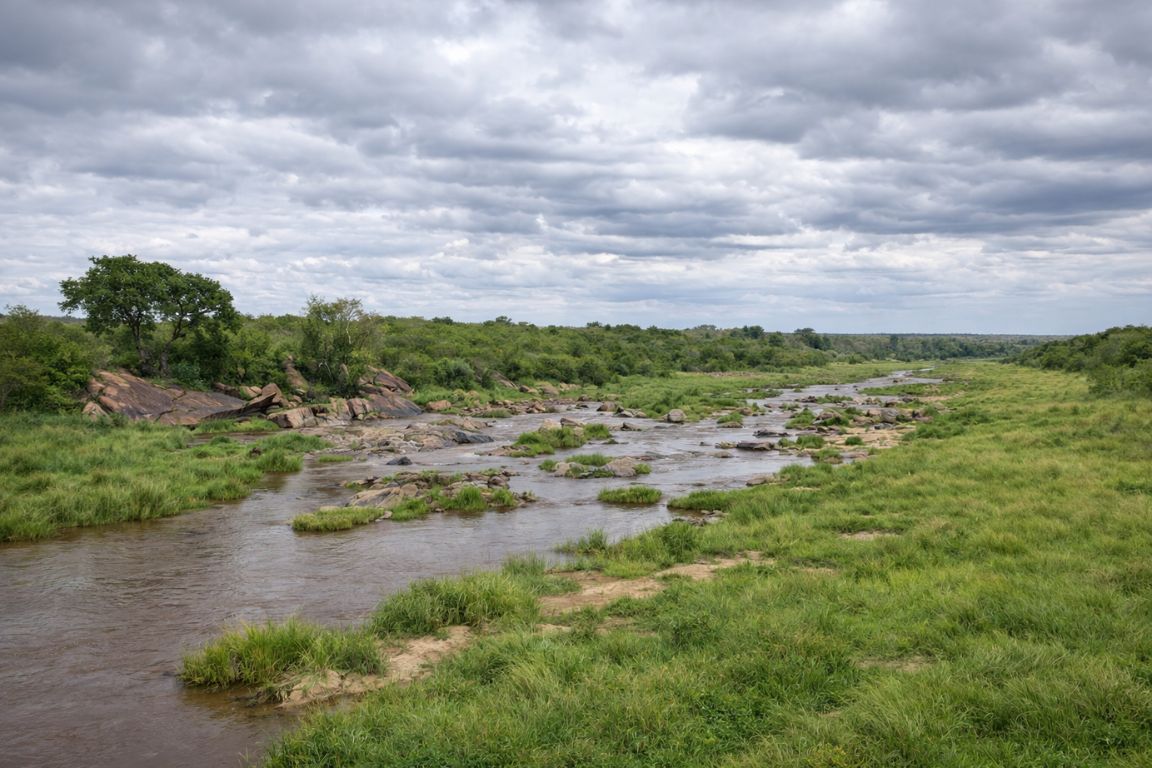 Cape buffalo are the most underestimated member of the Big Five and among the most reliably sighted. The Mara ecosystem holds over 1,600 buffalo, typically moving in herds of 100 or more individuals. The Mara Triangle, Musiara Marsh, Mara River corridor, and Talek River are the strongest areas year-round. Dry season concentrates them near permanent water, making July through October the period when the largest herds and the most dramatic predator-buffalo interactions occur.
Buffalo earned their place in the original Big Five list not from speed or size but from attitude. A lone adult male – the “dagga boys” who leave the herd as they age – is one of the most dangerous animals in Africa to encounter on foot. They weigh up to 800 kilograms, they hold grudges, and a wounded one will circle back and wait in thick cover with a patience that has killed more than a few people who assumed it was gone. In a vehicle you’re safe and can appreciate them fully. On foot, your guide’s relationship with the landscape becomes very important, very fast.
What makes a buffalo herd genuinely impressive is the scale. A thousand buffalo moving across the Mara plains in the early morning, dust rising, the sound carrying before you can see them – it’s closer to the migration spectacle than most people expect. The Marsh Pride hunts buffalo regularly, and watching a pride attempt to bring down an adult bull is a different category of experience than watching a lion take a wildebeest. Buffalo fight back. They work together. The herd will return to defend a fallen member. The encounter can last hours and there’s no predetermined outcome.
What’s The Best Safari Strategy For Seeing All Five In One Trip?
 The practical approach to a Big Five safari is to stop thinking about it as a checklist and start thinking about it as a geography and timing problem. Three of the five – lion, elephant, buffalo – require only a good guide and enough days in the right zones. Leopard adds a layer of habitat knowledge and off-road access that the conservancies provide better than the main reserve. The rhino is a separate mission that runs on ranger intelligence, patience, and luck. Address each animal with the right strategy and the checklist takes care of itself.
The single most important strategic decision is where you stay. Camps positioned in or adjacent to the Mara Triangle, the Olare Motorogi Conservancy, or the Musiara Marsh corridor cover the most ground for the most animals. The Triangle has the best-monitored rhino population, the most consistent leopard habitat with off-road access, and excellent lion and elephant density. A camp there, or a camp in Olare Motorogi that does full-day drives into the main reserve and back, covers all five animals’ zones in a way that a camp on the eastern edge of the reserve near Talek Gate simply doesn’t.
Five nights is the realistic minimum. Here’s the rough logic from our experience: by night three in the right zone, most travelers have seen lion, elephant, and buffalo confidently. Night four and five are where the leopard probability increases meaningfully as guides spend more focused time in the right habitats. The rhino can appear on day one or not at all in seven days – but staying longer keeps the odds open. The travelers who come for seven nights and dedicate one full day specifically to the Mara Triangle’s northern section – where rhino monitoring is most active – have the best odds we’ve seen.
| Lion | Musiara Marsh, Paradise Plains, Mara Triangle | Dawn and 2 hours before sunset | Listen for prey alarm calls before you see the lion |
| Elephant | Mara River, Talek River, Musiara Marsh | Any time; afternoon at water | Dry season (Jun-Oct) concentrates herds at rivers |
| Buffalo | Mara Triangle, Musiara Marsh, Mara River corridor | Early morning grazing most dramatic | Look for lion prides nearby – they follow the herds |
| Leopard | Talek River, Olare Orok Conservancy, Mara Triangle, Leopard Gorge | Dawn 6-8 AM; dusk 4-6:30 PM | Scan large trees along river banks systematically |
| Black Rhino | Mara Triangle (Rhino Ridge area), northern central Mara | Early morning before heat drives them into cover | Guide radio network matters more than any map; stay flexible |
The advice we give every traveler: tell your guide your priorities on day one. Not “I want to see animals” but specifically which animal matters most to you. A guide who knows you’ve seen lion three times but haven’t seen a leopard will run the day differently than one who doesn’t know. Communication at the start of each drive shapes what you come home with.
One more thing that rarely appears in planning guides: the conservancies surrounding the main reserve allow night drives. In the main Maasai Mara National Reserve, game drives end at sunset. In Mara North, Olare Motorogi, and others, you can drive after dark. Leopards become significantly more visible at night – their reflective eyes catch a spotlight from a hundred meters away in vegetation that would hide them completely by day. If seeing a leopard is genuinely important to you and the budget allows a conservancy stay, the night drive option alone changes the calculation.
Wondering how long to stay? Here’s how many days you need in Maasai Mara safari tours to maximize game viewing without burning through your entire safari budget.
What Our Travelers Actually See: Big Five Sighting Data
Based on 2,500+ travelers guided through the Maasai Mara ecosystem since 2012, here’s how sighting rates actually break down across safari lengths:
| Lion | ~95% | ~99% | Consistent year-round across all zones |
| Elephant | ~98% | ~99% | Highest numbers June-Oct near rivers |
| Buffalo | ~92% | ~98% | Herds reliably near marshes and rivers |
| Leopard | ~45% | ~72% | Conservancy stays with night drives improve odds significantly |
| Black Rhino | ~12% | ~28% | Mara Triangle focus and ranger network essential |
| All Five in one trip | ~11% | ~26% | Rhino is the bottleneck in almost every case |
How Much Does A Big Five Safari In Maasai Mara Cost?
A 5-7 night Big Five safari runs roughly $3,000-$8,000 per person all-in, depending on accommodation tier, season, and whether you include a private conservancy stay. The single biggest cost variable after accommodation is the park entry fee: $200 per adult per day during high season (July-December) for non-residents, dropping to $100 in low season (January-June). Verified March 2026. Conservancy fees run an additional $60-$150 per person per day on top of park entry, but they unlock off-road driving and night drives that materially improve leopard and rhino odds.
| Park entry (non-resident adult, high season) | USD $200/day | USD $200/day | 12-hour ticket. Jul-Dec. Verified March 2026 |
| Park entry (non-resident adult, low season) | USD $100/day | USD $100/day | Jan-Jun. Verified March 2026 |
| Children 9-17 | USD $50/day | USD $50/day | Year-round. Under 9: free. Verified March 2026 |
| Conservancy fee (if staying in a private conservancy) | USD $60-$80/day | USD $100-$150/day | In addition to park entry. Verified March 2026 |
| Accommodation (per person per night, all-inclusive) | $250-$450 | $600-$1,200+ | Conservancy camps typically command premium |
| Charter flight Nairobi (Wilson) to Mara airstrip | $200-$300 one-way | $300-$400 one-way | 45 min vs. 6-7 hour road drive |
| Hot air balloon (optional) | $450-$550/person | $550-$650/person | Additional $80 balloon landing fee in park. Verified March 2026 |
A note on the green season (January through May): this is when lodge rates drop 20-40% and park entry fees are at the lower $100 tier. Wildlife viewing requires more patience – tall grass reduces visibility, roads can be soft – but the landscape is extraordinary. Elephant calves are common in February and March. Lions have cubs. The predator populations don’t shrink; they just hunt differently in longer cover. For travelers who are flexible on migration timing and prioritize the Big Five over river crossings, the green season is seriously worth considering.
Book 8-12 months in advance for July to October. This is not overstated. The camps in the Mara Triangle and the better-positioned conservancy properties fill first, often before the calendar year even turns. If you’re planning a high-season Big Five trip, the time to book it is now.
Planning your safari budget? Here’s Maasai Mara safari costs explained so you know which expenses are worth it and which ones you can skip without ruining the experience.
Frequently Asked Questions
Can you see all Big Five in Maasai Mara in one trip?
Yes, it’s possible, and many travelers achieve it – but it requires at least 5-7 nights, smart positioning, and a good guide with active radio communication for the rhino. The first four animals are achievable on almost any properly organized multi-day safari. The rhino is the genuine wildcard.
Is Maasai Mara the best place in Africa for the Big Five?
For lion, elephant, and buffalo, it ranks among the very best anywhere. For leopard, the Mara is exceptional but faces competition from private reserves in South Africa where off-road vehicle access and night drives make sightings more frequent. For black rhino specifically, the Mara is Kenya’s only reserve with an indigenous wild population, which gives it a unique status among Kenyan safaris.
What’s the best time of year for Big Five sightings in the Mara?
June to October is the peak for visibility and predator activity – dry conditions thin the grass, wildlife concentrates near permanent water, and the Great Migration brings enormous prey abundance. January to March is excellent for elephant and buffalo breeding activity and lion cubs. April and May see the fewest visitors with dramatic green landscapes, though longer grass can make sightings harder work.
Do you need a private vehicle for a Big Five safari?
A private vehicle gives you full control over timing and positioning, which matters significantly for leopard and rhino sightings. Shared group vehicles work well for lion, elephant, and buffalo. If budget requires a group safari, focus on the main reserve for the reliable four and accept that leopard and rhino sightings become more opportunistic.
Is the Mara Triangle better for Big Five than the main reserve?
For rhino specifically, yes – the Triangle has the most closely monitored population and conservation infrastructure. For leopard, the off-road access in the Triangle and bordering conservancies provides a meaningful advantage. For lion, elephant, and buffalo, both areas are excellent. The Triangle also consistently has fewer vehicles at sightings, which affects the quality of the experience even when the animal counts are comparable.
How dangerous are the Big Five on safari?
In a properly driven vehicle with an experienced guide, none of them pose a significant risk. The vehicle is treated as a non-threatening object by habituated wildlife. The rules that protect guests – no exiting the vehicle in wildlife zones, maintaining distance, engine etiquette near sensitive animals – exist because the ecosystem is real. Follow them and the risk is minimal. The buffalo and the rhino are the two animals guides take most seriously at close range, but “seriously” means respectful distance management, not genuine danger under normal conditions.
Plan Your Big Five Safari with Zara’s Team
If you’d rather hand the logistics to someone who has done this 2,500 times, our team at Maasai Mara Safari Tours handles everything from camp positioning to rhino network coordination. We know which guides track which animals and where the best chances are right now.
Written by Zara Akinyi Omondi
Kenyan tour guide since 2012 · Founder, Maasai Mara Safari Tours
Zara has guided over 2,500 travelers through Maasai Mara and Kenya’s premier safari destinations since founding the agency.