Lions Of The Maasai Mara: Prides, Territory And How Guides Find Them
A pride is not a family in the way the word suggests, the male standing on the mound is probably a temporary resident, and the reason your guide keeps checking a treeline is that he is reading boundaries you cannot see. What lion society in the Mara actually looks like.
Booking Choice: Seeing lions is common; understanding a pride takes patient observation and a guide who works the same ground. Compare a private vehicle with group alternatives after the article. Explore Private Three-Day Mara Safari At Sopa Lodge
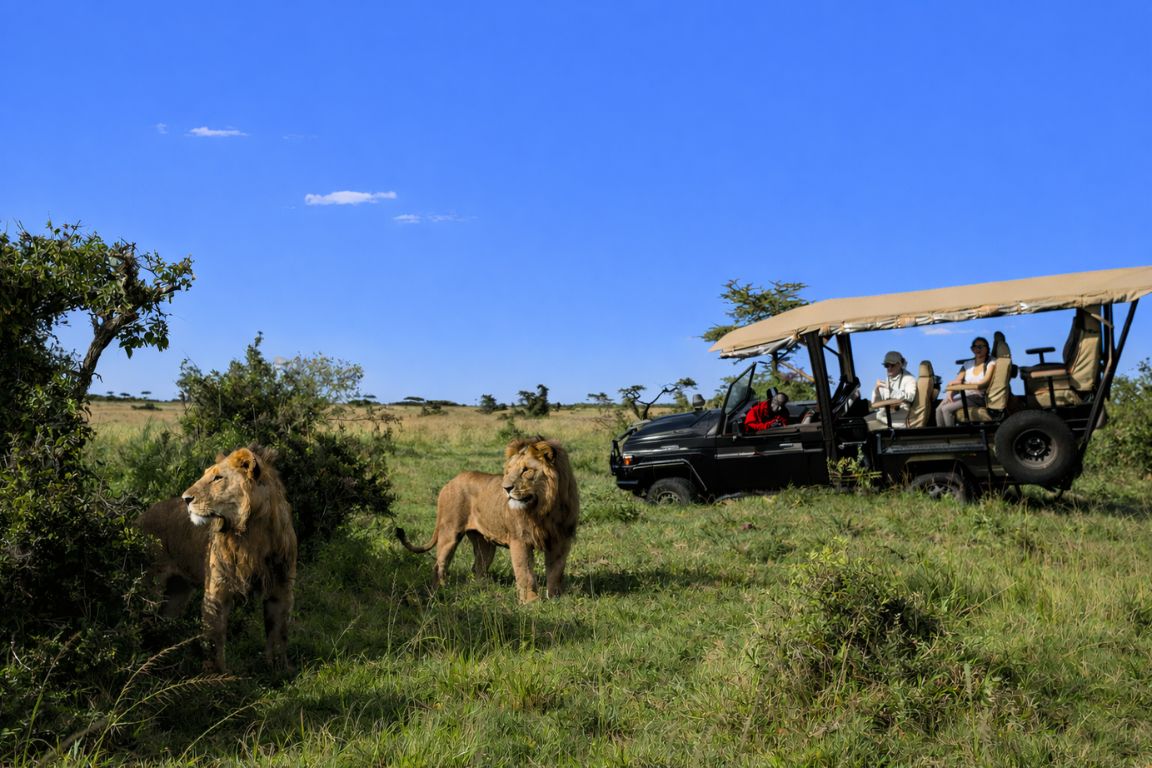
Everyone books a safari to see lions. Almost nobody arrives knowing what they are looking at when they find them. A pride is not a family in the way the word suggests, the male on the mound is probably a temporary resident, and your guide keeps glancing at the treeline because he is reading boundaries you cannot see.
At A Glance: An interpretive lion guide explaining prey density, pride structure, coalitions, cub survival, guide tracking and realistic sightings. Explore Private Three-Day Mara Safari At Sopa Lodge
Why Does The Maasai Mara Hold So Many Lions?
Prey density and water, concentrated in a small area. An estimated 850 to 900 lions live across the reserve and the surrounding conservancies, one of the highest densities in East Africa. The reserve itself covers roughly 1,510 square kilometers, so the animals are packed into a space you can realistically cover in a few days.
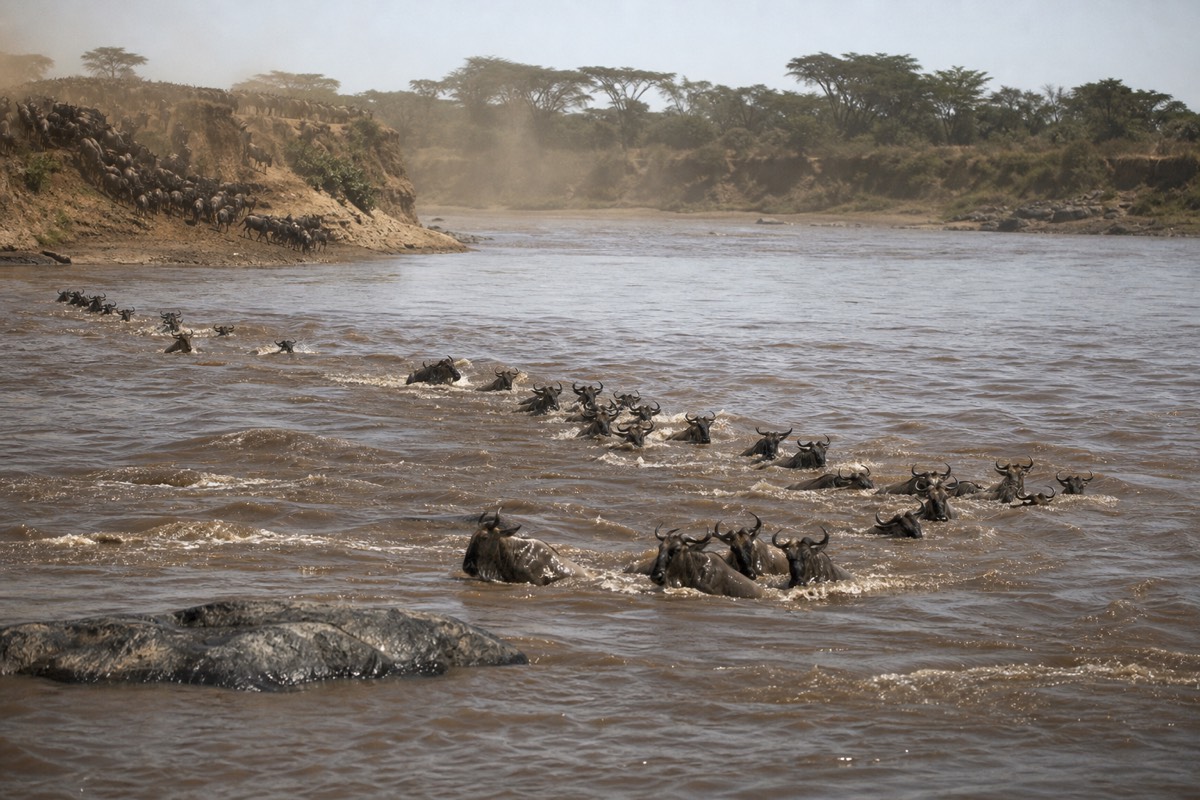
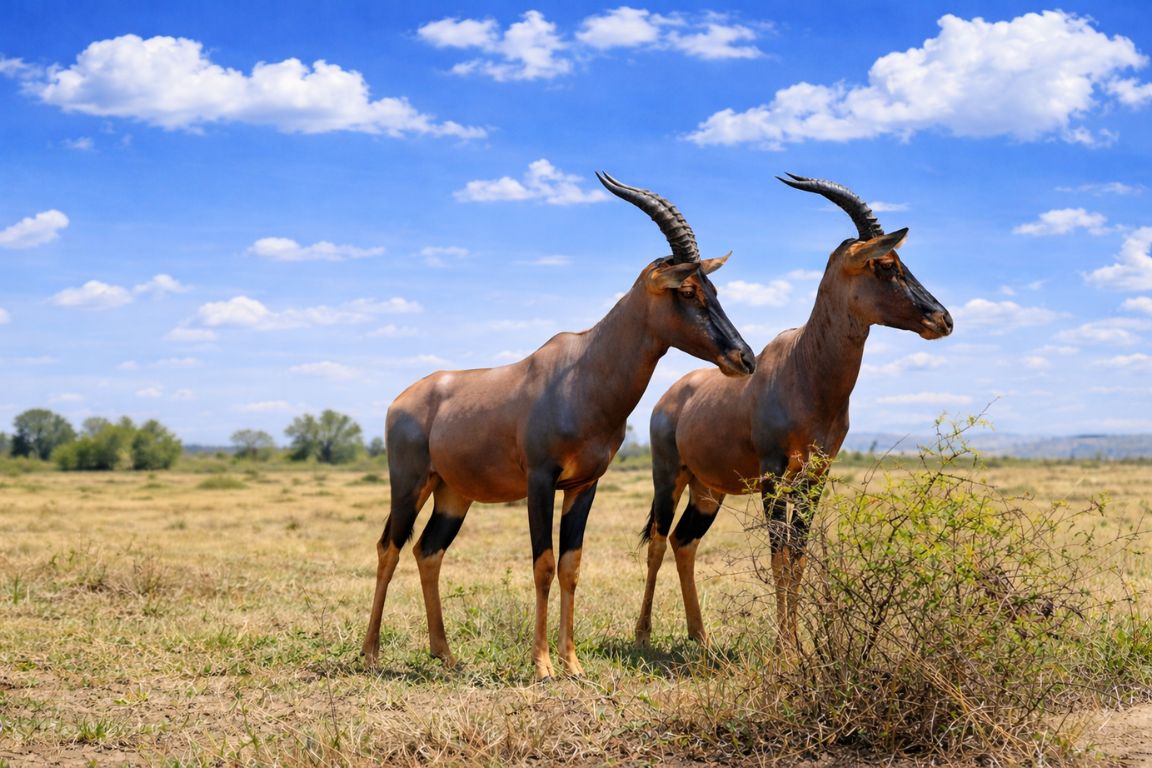
Lion numbers are downstream of grazing. The Mara's grassland holds resident wildebeest, zebra, topi and buffalo year-round, and permanent water in the rivers and marshes keeps them there through the dry months. That resident prey base is what makes the Mara a year-round lion destination rather than a seasonal one.
Then, for a few months, the arithmetic changes. When the migration herds arrive, lions respond the way any predator does to a glut: shorter hunts, more frequent kills, and slightly more tolerance of each other. Our guide to the Great Migration's arrival in the Mara covers the timing.
How Is A Lion Pride Actually Organized?
The stable core is a group of related females, usually sisters, cousins and daughters, who stay in the territory they were born into for life. Cubs belong to the pride collectively. The adult males attached to a pride are the least permanent part of it, and are usually unrelated to the females entirely.
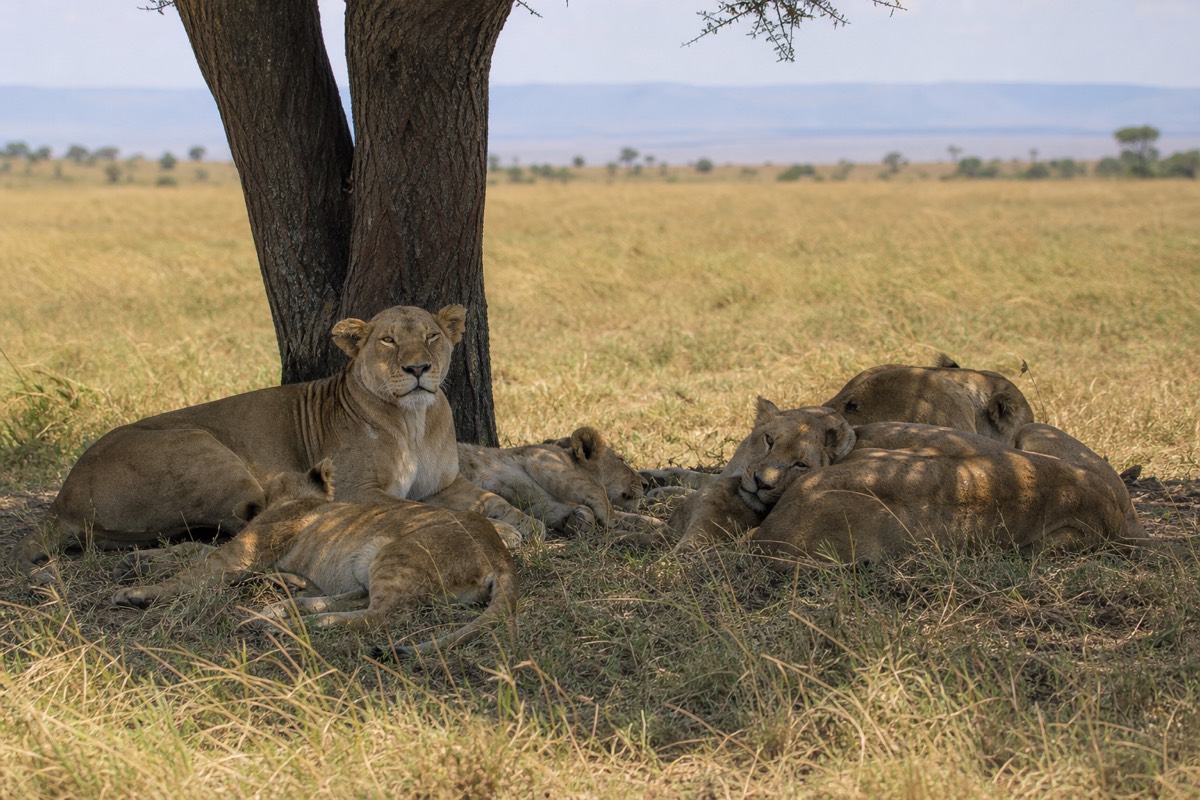
That inversion is the key to everything else. A pride's identity, territory and hunting traditions run through the female line. Lionesses raise cubs communally, often synchronizing litters so that cubs of similar age can be suckled by more than one mother. When a lioness is too old or injured to hunt, the pride still feeds her.
Males follow a different life. Young males are pushed out of their birth pride as they approach maturity and spend a nomadic period on the margins, usually with brothers or cousins from the same cohort. Those groups are coalitions, and a coalition is what challenges for a territory. A single male can hold a pride; two or three hold one far longer, which is why coalitions own the best ground.
| Who they are | How long they stay | What you are looking at on a drive |
|---|---|---|
| Resident lionesses | For life, in the territory they were born into | The group that is actually the pride. Related females, usually hunting or lying up together in shade |
| Cubs | Until they are pushed out or take over a role | Often a nursery group of mixed sizes, meaning more than one mother, watched over by whichever adult stayed behind |
| Resident males or a coalition | Only as long as they can defend the territory | The heavy, scarred animals patrolling edges and roaring at night. Usually unrelated to the females they guard |
| Nomadic males | Transient, between prides | Young or displaced males moving alone or in twos, often thin, seen well outside any pride's core ground |
What Happens When A Coalition Takes Over A Pride?
Incoming males drive out or kill the previous residents' cubs. It is brutal and it is not random: females with dependent cubs will not conceive again for a long time, so removing the cubs brings the pride's lionesses back into breeding condition and lets the new males father their own litters within a tenure that may only last a few years.
The arithmetic makes the behavior legible rather than simply shocking. A coalition's window of control is short against a lioness's life, and everything it does, from boundary patrols to the violence of a takeover, is compressed into that window. Lionesses are not passive: they fight, hide cubs or move them, and prides sometimes split under the pressure.
For a visitor, the practical point is that a pride is never a fixed object. The group you photograph one season may have different males the next, which is why a guide who works the same ground for years can tell you who has been fighting whom.
Why Do So Few Cubs Reach Adulthood?
Cub survival is the weak point of the whole system. Takeovers account for some of it. The rest is starvation in lean months when adults eat first at a kill, plus predation and injury from hyenas, buffalo and other lions. Most litters lose members, and a lioness may raise only a handful of surviving offspring in a lifetime.
Communal denning is the counterweight. By synchronizing births, lionesses give cubs shared suckling, shared vigilance and safety in numbers while the adults hunt. It improves the odds, which is why synchronized litters are the norm rather than a coincidence. A cluster of cubs at visibly different sizes usually means two mothers whose timing did not quite align.
The lean months are the other half of the story. Between migrations, with resident prey spread thin, cubs are last in the feeding order at a carcass, and losses cluster in exactly those stretches of the year.
How Do Guides Predict Where The Lions Will Be?
By working the territory rather than searching the landscape. Experienced Mara guides know which pride holds which ground, where its water and shade are, and where last night's kill probably happened. They read tracks in the road dust at first light, listen for overnight roaring, watch for descending vultures, and cross-check by radio.
Territory is the frame. Prides hold defined ranges anchored to water, cover and reliable grazing, and those ranges stay relatively stable even as individual animals come and go. A guide starting a morning drive is not asking where the lions are in general. He is asking where one specific pride is likely to be inside a known area at that hour.
Then the signals stack up. Fresh pugmarks in overnight dust give direction and rough timing. Vultures spiraling down mark a carcass, and a carcass usually has an owner. Roaring carries a long way at night, so a camp on the right side of a river knows where a pride slept before anyone starts an engine. On the reserve's western side the Mara Triangle's management keeps its own ranger presence, part of why guides there tend to have a better read on recent movements.
For a booking, this comes down to time. Lions sleep close to twenty hours a day, so the difference between a sighting and an experience is whether you are present for one of the four hours when something happens. That argues for more days rather than more ground, and for a vehicle nobody else can hurry along. Our ten-day photographer safari in the Mara is built around that patience, and a three-day private Mara trip from Nairobi buys the same control on a shorter schedule.
What Does A Realistic Lion Sighting Look Like?
Most of the time: a flat, breathing, entirely uninterested cat under a bush, occasionally lifting its head. That is the honest baseline, and it is still extraordinary the first time. Hunts, cubs at play, coalition standoffs and kills are the exception, and they reward early starts and repeat visits to the same pride.
Set the expectation before you go and the trip gets better, not worse. Travelers who know they are watching a social system rather than collecting an image ask better questions and stay longer at sightings, which is exactly why they end up seeing the interesting things. For the checklist framing across all five headline species, our guide to seeing the Big Five in the Maasai Mara covers the other four and the realistic odds on each.
There is one view of lion country you cannot get from a vehicle. At first light a balloon drifts low over the plains and the territorial map makes visual sense: the rivers, the marsh, the treelines prides use as boundaries. Our Maasai Mara balloon flight with a champagne breakfast changes how you read the ground for the rest of the trip. However you do it, guided game drives in the Maasai Mara with someone who knows the resident prides is the difference between finding a lion and understanding one.