Malaria Pills, Vaccines And Mosquitoes: Kenya Safari Health Prep
The safety worry most travelers arrive with is not the one the health services actually write about. Here is what current CDC and UK guidance says on malaria tablets, vaccines and mosquito precautions for a Maasai Mara safari, and where a travel doctor takes over.
Booking Choice: Handle medical decisions with a qualified clinician. Once that appointment is underway, the trip module can help organize a verified safari itinerary separately. Explore Three-Day Mara Game Drive Safari
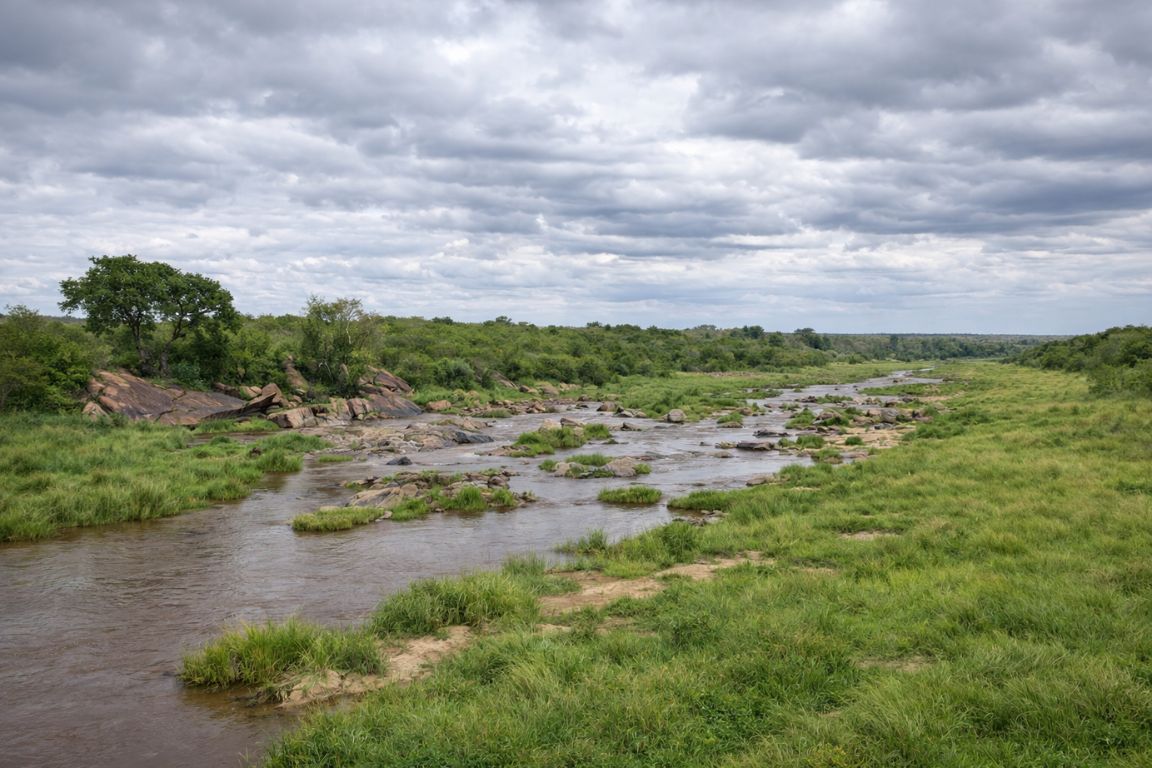
The safety worry most people arrive with is the wrong one. Crime, wildlife, the drive: those get talked through endlessly before a trip. The thing that both the American and the British health services actually put in writing about a Mara safari is smaller, quieter and entirely preventable, and it gets a paragraph on most operator sites.
At A Glance: A health-preparation guide summarizing official malaria, mosquito, vaccine, sun, dust and pre-trip clinician advice without prescribing. Explore Three-Day Mara Game Drive Safari
Should I Take Malaria Pills For Masai Mara?
Both the CDC and the UK's official malaria prevention guidelines classify rural Kenya, including the game parks, as a malaria risk area, and both recommend antimalarial tablets for travelers going there. Which tablet is a prescribing decision made by a doctor who knows your history, not something a travel site should pick for you.
The Maasai Mara is not an edge case or a grey area in that guidance. Kenya's risk classification covers all areas below roughly 2,500 meters, game parks explicitly included, which puts the Mara squarely inside it. That is why the honest answer to this question is yes, take the advice seriously, rather than the reassuring shrug you sometimes get from people who went once and were fine.
| What the guidance says | US (CDC) | UK (official malaria prevention guidelines) |
|---|---|---|
| Is the Maasai Mara a malaria risk area? | Yes, all areas including game parks below about 2,500 m | Yes, classed as high risk |
| Prophylaxis recommended? | Yes | Yes |
| Drug options named in the guidance | Atovaquone-proguanil, doxycycline, mefloquine or tafenoquine | Atovaquone-proguanil, doxycycline or mefloquine |
| Who chooses which one | A travel clinic or prescriber, based on your health history, other medication and trip length | Your GP or a travel clinic |
Those are drug names as the two health services list them, reproduced here so you know what the conversation with a clinician will be about. They are not a recommendation, and we are deliberately not naming a brand or telling you which to ask for. Some of them start days before departure and some weeks before, some suit people with certain conditions and not others, and that is precisely the judgment you are paying a travel doctor for. Book that appointment early: the lead time on the tablets themselves is a real constraint on a trip planned at short notice. The CDC's Kenya destination page and the UK country recommendations for malaria prevention are the two documents your clinician will be working from.
Are There Mosquitoes On Safari?
Yes, and the prevention advice is built around when they are active rather than pretending they are absent. Official guidance for Kenya centers on three things: repellent containing DEET or an equivalent, covering up with long clothing around dawn and dusk, and sleeping under a bed net. Camps and lodges are set up for exactly this.
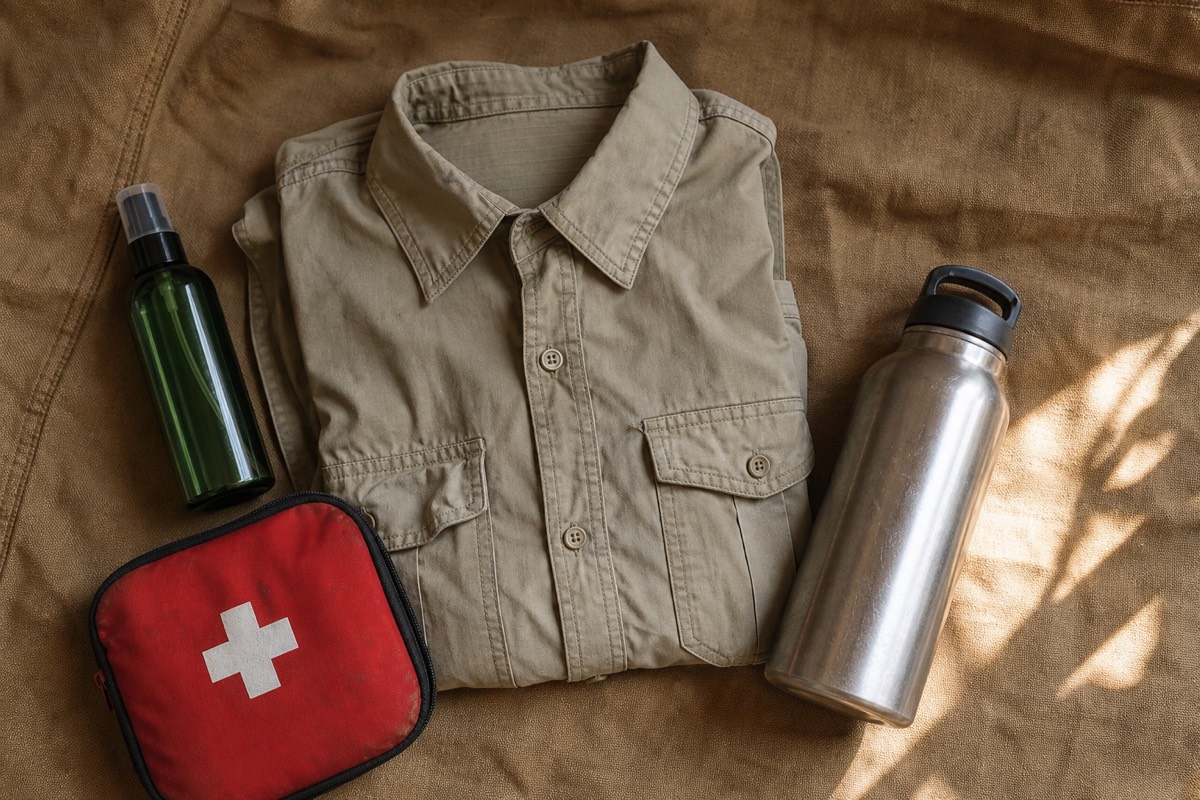
Expectations are usually the problem here, not the insects. People picture a swamp. What the dry-season Mara actually feels like is dusty, breezy and surprisingly bug-light in the middle of the day, which lulls travelers into skipping repellent at precisely the hours it matters. The prevention window sits at either end of the day, and those are also the hours you are out on game drives, sitting still, with your arms and ankles exposed.
Practically, that means repellent goes in the vehicle rather than staying in the tent, and long sleeves and trousers come out for the sunset drive rather than living at the bottom of the bag. Most permanent camps hang nets over the beds as standard. Check yours is tucked in rather than decorative, and if you are staying somewhere without them, say so at check-in rather than working it out at 2am.
Which Vaccines Does The Current Guidance List For Kenya?
The CDC recommends yellow fever vaccination for travelers to Kenya from nine months of age, with limited exceptions such as central Nairobi and certain provinces. Alongside that it lists hepatitis A, typhoid, hepatitis B for younger travelers, COVID-19, and being up to date on routine vaccines. Your clinic decides what applies to you.
Keep the yellow fever question split in two, because it causes more confusion than everything else combined. There is the border rule, which is about whether Kenya requires proof of vaccination as a condition of entry, and depends on where you are flying in from. Then there is the health recommendation above, which is about whether the vaccine is advised for you as a traveler. They are different questions with different answers, and our guide to Kenya's visa and entry requirements for safari travelers handles the border side in detail.
| Vaccine | What the current CDC guidance says for Kenya |
|---|---|
| Yellow fever | Recommended for travelers aged 9 months and older, with limited exceptions including central Nairobi and certain provinces |
| Hepatitis A | Listed among the recommended vaccines for travelers to Kenya |
| Typhoid | Listed among the recommended vaccines for travelers to Kenya |
| Hepatitis B | Recommended, with younger travelers specifically flagged |
| COVID-19 | Listed in the current recommendations |
| Routine vaccines | Be up to date before travel |
What Else Does A Safari Put On Your Body?
Sun and dust, mostly. Game drives run open-sided at the two brightest-angled hours of the day on tracks that throw up fine red dust, and parts of Kenya sit high enough that altitude is flagged in general travel advice. None of it is dramatic. All of it is easier if you packed for it.
Sun exposure catches people out because the air moves in an open vehicle and the temperature feels mild. A hat with a brim, sunglasses and high-factor sunscreen do more for your enjoyment of day three than any piece of camera equipment. Dust is the other constant: contact-lens wearers usually switch to glasses for drives, and anyone with a reactive chest tends to want a buff or scarf to breathe through on the drier tracks.
Altitude is worth a sentence rather than a paragraph. Kenyan highland areas are high enough that general travel advice mentions it, and if your itinerary climbs, factor in an easy first day. If you want the fuller picture of what does and does not go wrong on a Mara trip, our page on whether the Maasai Mara is safe for tourists covers the crime, wildlife and road side that this piece deliberately leaves alone.
What Should You Actually Do Before You Go?
Book a travel clinic or GP appointment as soon as the safari is confirmed, not in the last two weeks. Prophylaxis schedules and some vaccines need lead time, and a rushed appointment narrows your options. Bring your itinerary, your routing, your trip length and your current medication list to it.
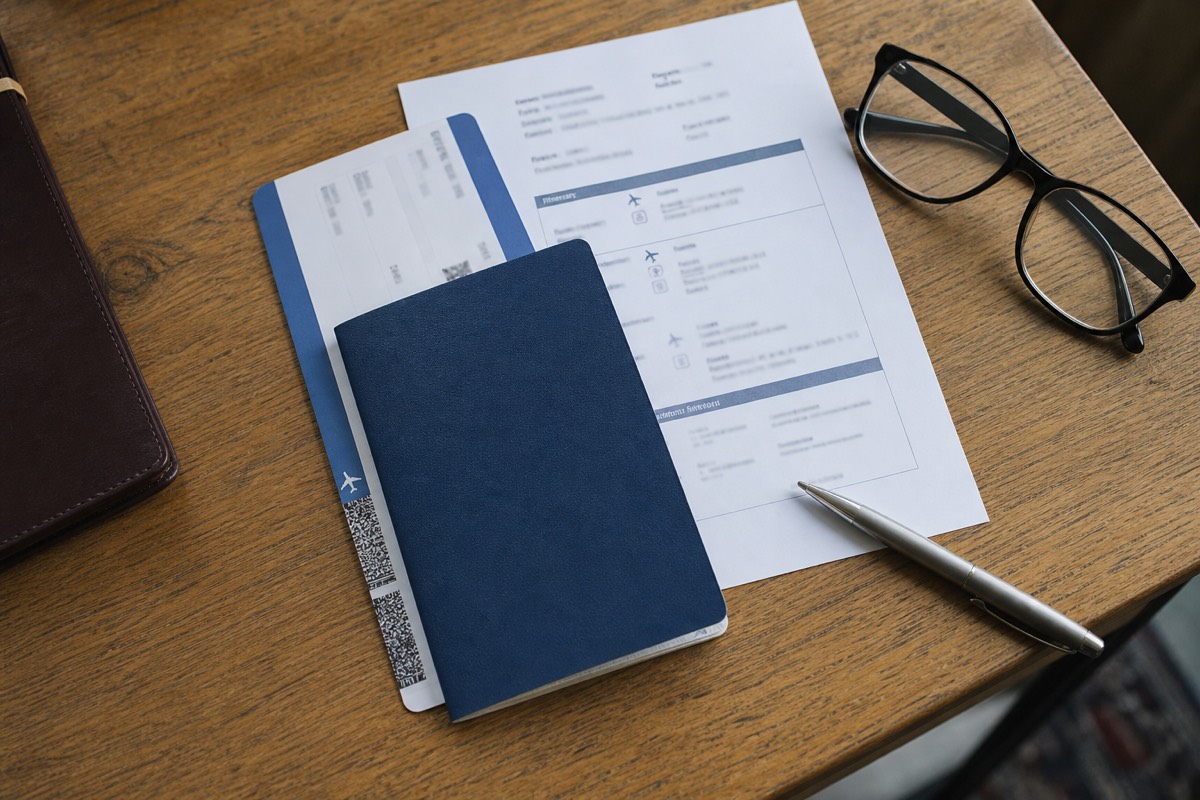
The routing matters more than people expect, because it determines whether you need proof of yellow fever vaccination at the Kenyan border on top of whatever is recommended for your health. Take the whole itinerary, including layovers, and let the clinician read it. If your trip is long, like our five-day small-group tour through Nakuru and Naivasha or a seven-day private safari taking in Amboseli, say so: trip length feeds directly into the prophylaxis decision.
Two last things worth saying plainly. This page reports what the current CDC and UK guidance says; it is not medical advice and we are not a medical authority, so treat it as preparation for a conversation with a clinician rather than a substitute for one. And check the primary sources yourself before you travel, since guidance is revised and a travel site is always downstream of it. If you would rather have the trip itself organized for you while you handle the clinic side, our guided Kenya safari itineraries from Nairobi take care of the camps, drives and transfers.