Maasai Mara & Nakuru: 4-Day Group Safari Adventure
- 1,996+ booked
From $840 per person
Check availability →Next step: see exact pickup times, live prices and real traveller photos on Viator.
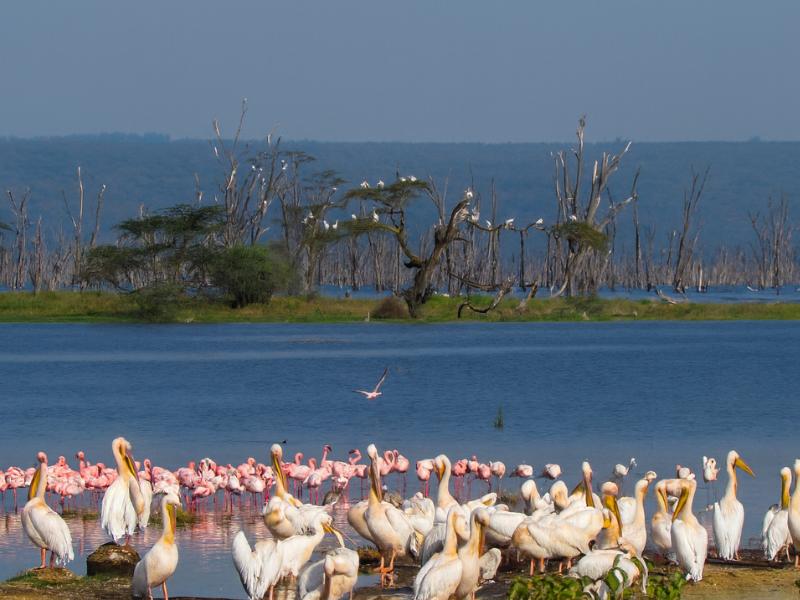
Kenya wildlife & Rift Valley highlights – two days deep in Masai Mara chasing Big Five and the great migration (seasonal), then Lake Nakuru for white rhinos, flamingo flocks and 450+ bird species, Great Rift Valley viewpoints en route, comfortable lodges, all meals, private 4×4 game drives and park fees included.
Overview
This four-day group expedition is designed to capture the geographical and biological diversity of the Great Rift Valley, combining the predator-rich plains of the Masai Mara with the bird-life and rhino sanctuary of Lake Nakuru. You move from the high-altitude grasslands of the Mara—home to the "Big Five" and the great migration—to the alkaline waters of Nakuru, where white rhinos and Rothschild giraffes are the primary focus. The air transitions from the dry savannah heat of the south to the cooler, more humid environment of the lakeside forests. Because this is a group-joining safari capped at just 8 travelers, you benefit from a shared social experience and professional guidance across two distinct ecosystems. You should book your Mara and Nakuru adventure early to ensure your spot in the vehicle during the peak migration or bird-nesting seasons.
What's Included
- All game drives in a professional safari vehicle
- 3 nights accommodation (Permanent tents & Hotels)
- Professional English-speaking driver-guide
- All meals (4 Lunch, 3 Dinner, 3 Breakfast)
- Pickup/drop-off at Nairobi hotels
- Bottled water during game drives
- National Park/Reserve entrance fees
- Maasai Village cultural visit ($20 USD per person)
- Hot air balloon safari ($480 USD optional)
- Alcoholic drinks, wines, and sodas
- Gratuities and tips for guides and staff
- Personal items and souvenirs
Itinerary
- The journey begins with a pickup in Nairobi between 7:00 AM and 7:30 AM. You’ll stop at the Great Rift Valley viewpoint for a vertical look at the volcanic floor before proceeding to the Masai Mara via Narok Town. You arrive for lunch and depart at 4:00 PM for a sunset game drive. You’ll spend the night in a budget permanent tented camp (such as Lenchada or Rhino Tourist Camp) with a private bathroom.
- Day two is a full-day immersion in the Masai Mara. After an early breakfast, you depart with a picnic lunch to reach the Mara River at the Serengeti border. This is a high-density area for crocodiles and hippos. You’ll eat your lunch under a tree inside the park before tracking predators across the northern savannah. You return to the camp in the late evening for dinner.
- The third day starts with an optional morning visit to a traditional Maasai village to observe their ancestral customs. Following this, you begin the transit to Nakuru with a lunch stop en route. You arrive at a resort hotel (such as Buraha Zenoni or Hillcourt) in the late afternoon for dinner and a night of physical rest before the lakeside exploration.
- The final morning is dedicated to a game drive in Lake Nakuru National Park. You’ll track the rare white and black rhinos and view the massive flocks of flamingos and white pelicans. You’ll visit Baboon Cliff for a panoramic view of the lake before returning to Nairobi. If time allows, you may stop briefly at the Makalia Waterfalls before an evening drop-off in the city.
Expect a busy and physically active four-day circuit. You will spend significant time in a safari vehicle, including a 5-hour drive to the Mara and a similar transit to Nakuru. The accommodation is a mix of budget-friendly permanent tents (which provide the feel of the wild) and standard 3-star hotels (providing modern comforts). You will experience a wide range of temperatures, from the hot midday plains of the Mara to the cooler, breezier climate of the Nakuru highlands.
Mara and Nakuru Insider Secrets
-
Reddit travelers suggest bringing a pair of high-quality binoculars for Day 4. While the rhinos at Nakuru are often close to the road, the bird-life on the lake is best appreciated with optics to see the intricate colors of the flamingos and storks.
-
Visitors on X recommend managing your expectations for the flamingos. Due to rising water levels in recent years, the massive "pink carpet" sometimes moves to different Rift Valley lakes, but the rhino sightings at Nakuru remain some of the best in the world.
-
If you are prone to motion sickness, guests on Quora note that the road from the Masai Mara to Nakuru can be bumpy and winding. Take preventative measures and sit near the front of the safari vehicle for a smoother ride.
-
Don't skip the "Baboon Cliff" viewpoint. It provides a vertical perspective of the entire national park that helps you understand the scale of the lake ecosystem before you head back to the city.
Best Time to Visit
Wildlife sightings and bird populations vary significantly with the seasonal rains.
| Season | Months | The Experience | The Trade-off |
| Migration Peak | July – Oct | Witness millions of wildebeests in the Mara; dry tracks. | The busiest time of year; higher traffic at the Mara River. |
| Birding Peak | Nov – April | Lake Nakuru is at its best with migratory bird species. | Higher chance of afternoon rain; Mara grass can be taller. |
| Dry Season | Jan – Feb | Best for spotting rhinos at Nakuru and big cats in the Mara. | Very warm temperatures during the midday game drives. |
Recommended Start Time: 7:00 AM. A prompt start in Nairobi is essential to beat the traffic and ensure you reach the Masai Mara in time for lunch and a full afternoon of wildlife viewing.
Frequently Asked Questions
Are park fees included?
No. Park fees must be paid on-site and vary by season ($100–$200 USD for the Mara; approx. $70–$80 USD for Nakuru).
Is the balloon safari worth it?
At $480 USD, it is a premium experience. It offers a vertical perspective of the Mara plains at sunrise, followed by a champagne breakfast where you land.
Is the water safe?
We provide bottled water in the vehicle. We recommend using it for drinking and brushing your teeth throughout the safari.
What is a "budget tented camp"?
These are permanent structures with canvas walls, real beds, and en-suite stone or wood bathrooms. They offer a rustic but comfortable bush experience.
Can I see the migration?
The wildebeest migration usually reaches the Mara between July and September. Outside of these months, the resident wildlife (the "Big Five") remains abundant.
Book it today with Maasai Mara Safari Tours or simply following this link.
Book Maasai Mara & Nakuru: 4-Day Group Safari Adventure
Next step: see exact pickup times, live prices and real traveller photos, then pick your date.
★ 5 on Viator · Read more reviews